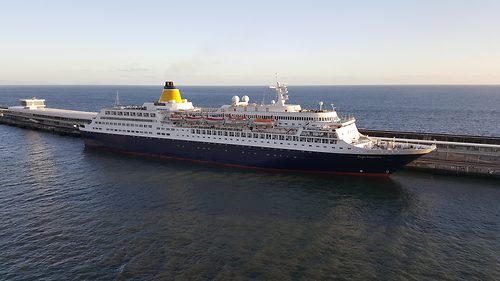

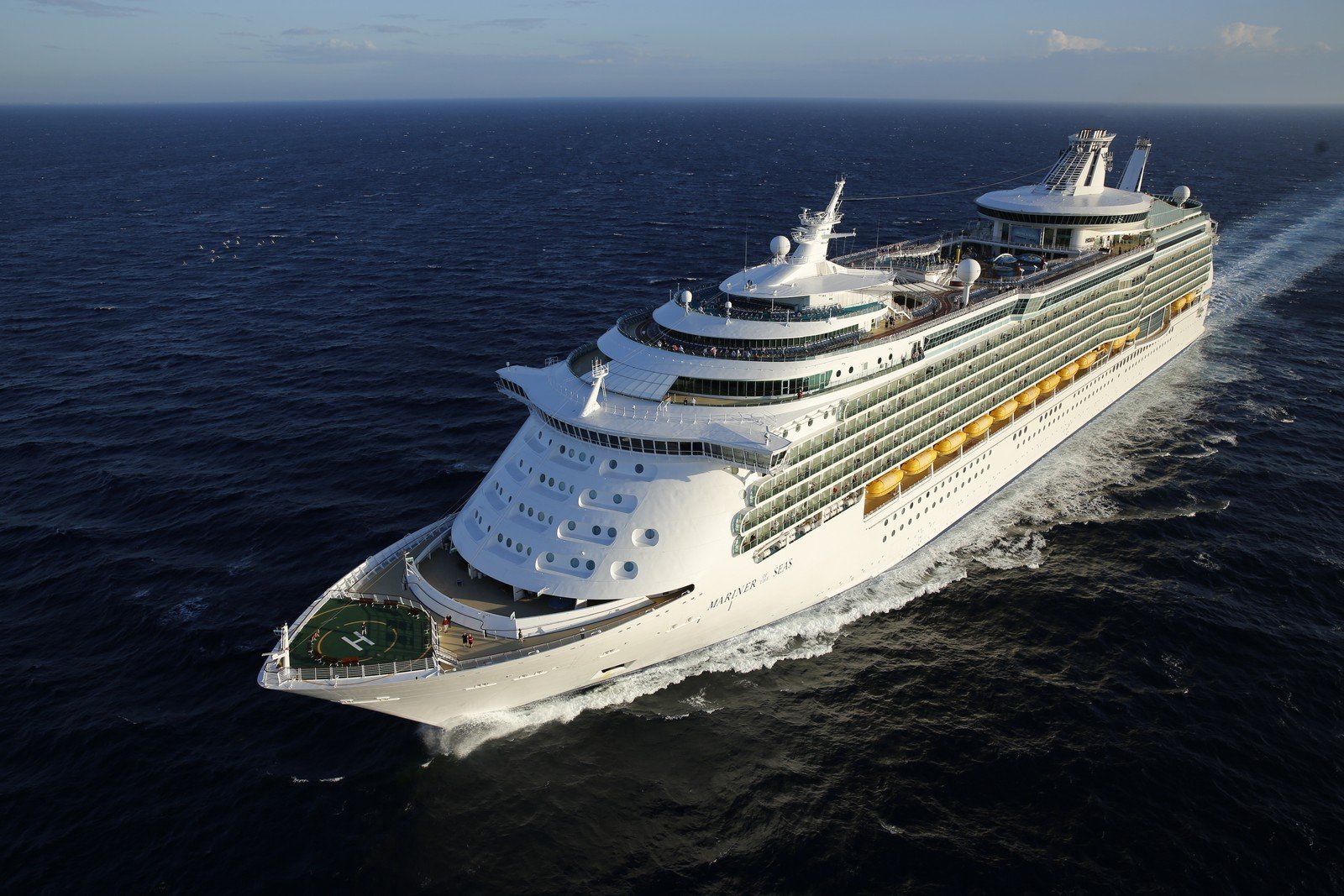
It looks like Royal Caribbean will vaccinate its crew members

In:
11 Feb 2021

It appears Royal Caribbean will be the next cruise line that will vaccinate its crew members.
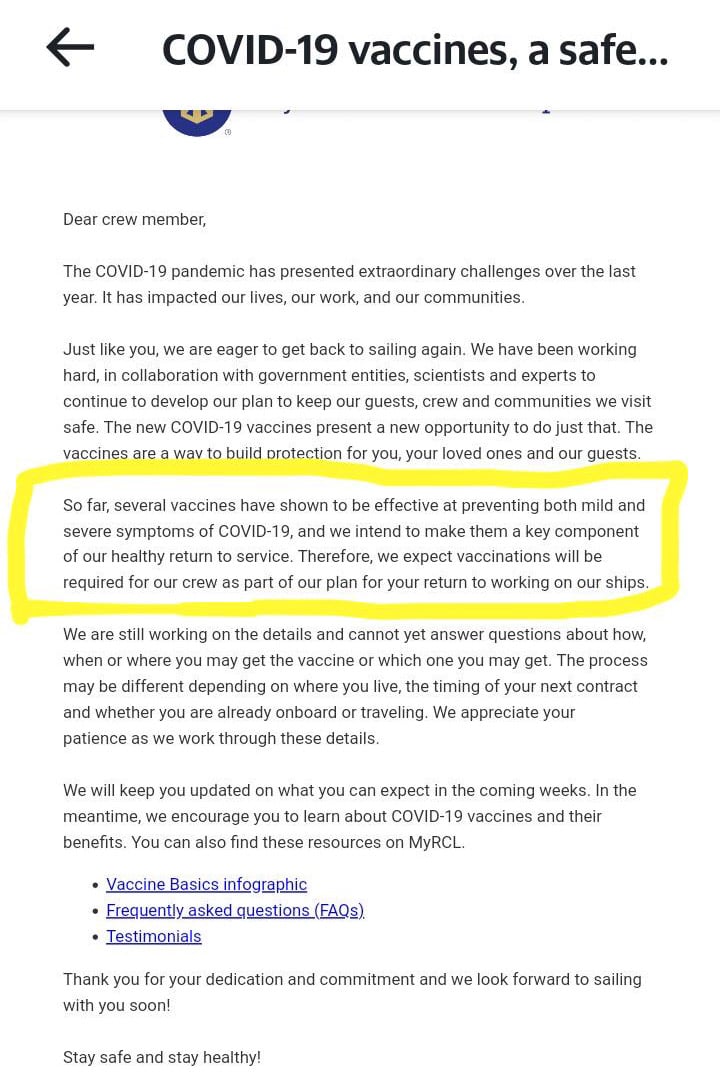
An email was sent to crew members to inform them that Royal Caribbean expects to vaccinate its crew once sailings restart.

RoyalCaribbeanBlog was able to confirm that emails had been sent to various crew members to inform them that vaccines would be required for them.

"So far, several vaccines have shown to be effective at preventing both mild and severe symptoms of COVID-19, and we intend to make them a key component of our healthy return to service," the email to crew members states.

"Therefore, we expect vaccinations will be required for our crew as part of our plan for your return to working on our ships."

The cruise line does not yet know how or when the vaccine would be distributed to crew members, as it may depend on the country of residence, the timing of the next contract and whether the crew is already on board or traveling. 

Royal Caribbean's decision to vaccinate its crew members follows Norwegian Cruise Line Holdings Ltd. decision to do the same.
The email did not mention at all if guests would be required to get the vaccine.

The decision was originally reported by Crew-Center after they shared the contents of the email.

RoyalCaribbeanBlog reached out to the Royal Caribbean Group for confirmation that crew members will indeed be vaccinated. They shared this statement.

"We have been working in collaboration with government authorities, medical professionals and experts to continue to develop our plan to keep our guests, crew and communities we visit safe. The new COVID-19 vaccines present a new opportunity to do just that. The vaccines are a way to build protection for everyone involved and we continue to look into all options that will assist in keeping people safe. "
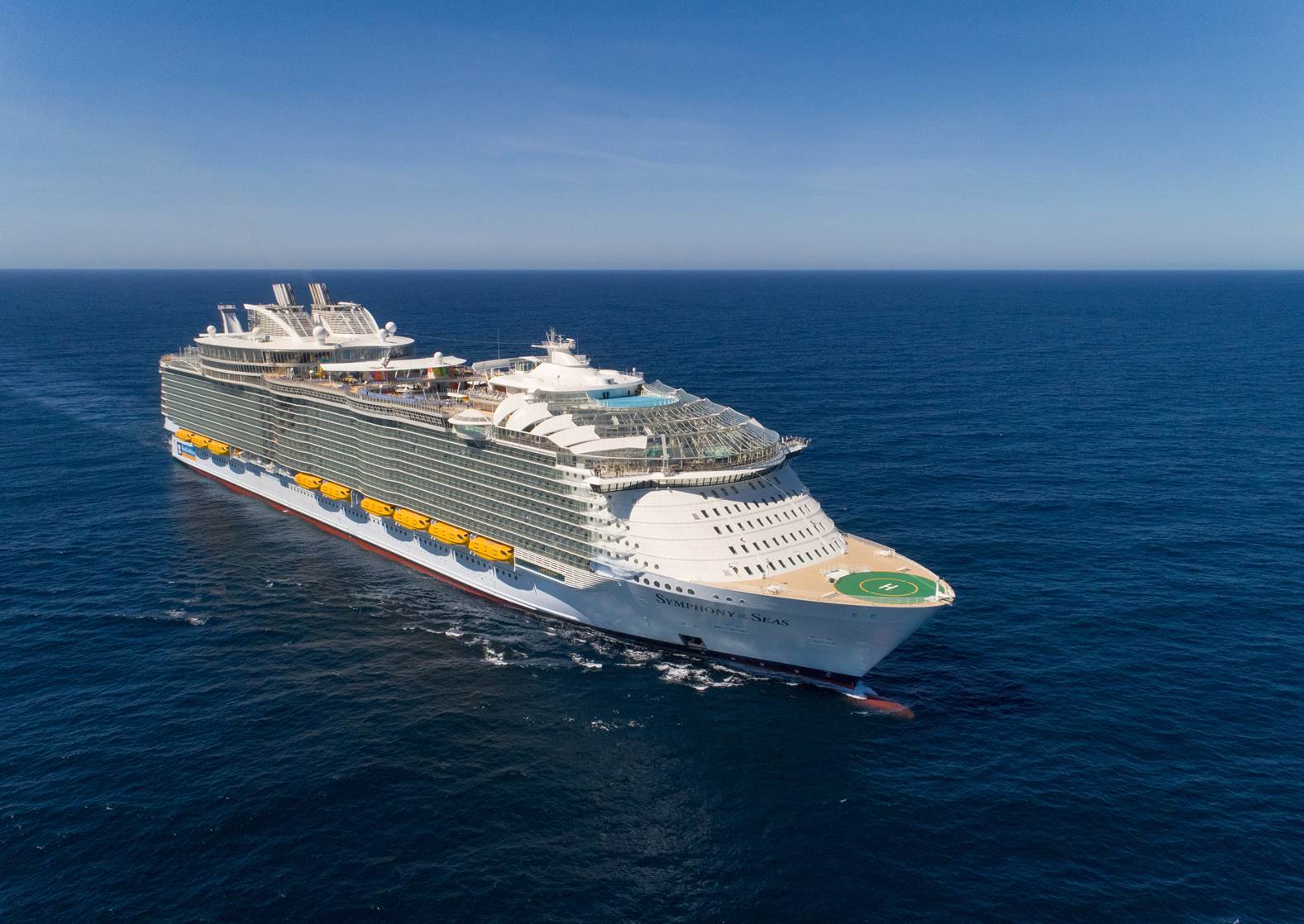
Whether or not guests will have to be vaccinated is a decision that Royal Caribbean will look to the Healthy Sail Panel to make.

Royal Caribbean Group Chairman and CEO Richard Fain shared a video update in January 2021 that a decision on that should be made "reasonably soon".

Mr. Fain's response put the decision on if requiring the vaccine is a good idea on the panel of experts so that the cruise line can make the best decision based on the panel's guidance.

"We have the experts and we'll let them guide us."

Reader opinions
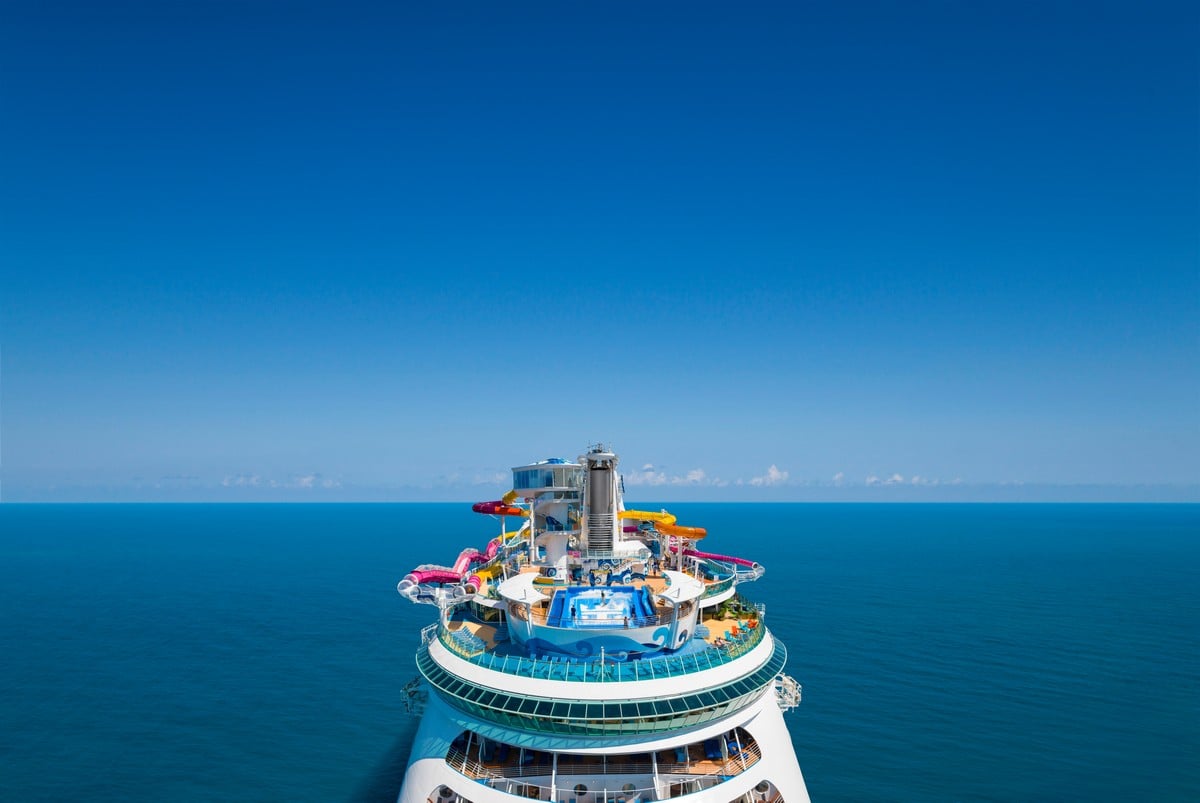
RoyalCaribbeanBlog readers have already begun sharing their opinions on the crew being vaccinated on our message boards.

Twangster wrote, "No surprise really.  Personally I think they'll leave guest requirements to public health agencies but ultimately vaccines will be required."

"I can see many countries around the world establishing a vaccine requirement for international visitors.  Pick a popular ship destination.  If this vaccine requirement becomes real even for one stop of a cruise itinerary that will mean guests and crew are required to be vaccinated. "

Monctonguy thinks this is part of many changes the world will undergo, "Vaccine cards/passport will be the norm in the next couple years for flying, cruising, hotels stays concert events."
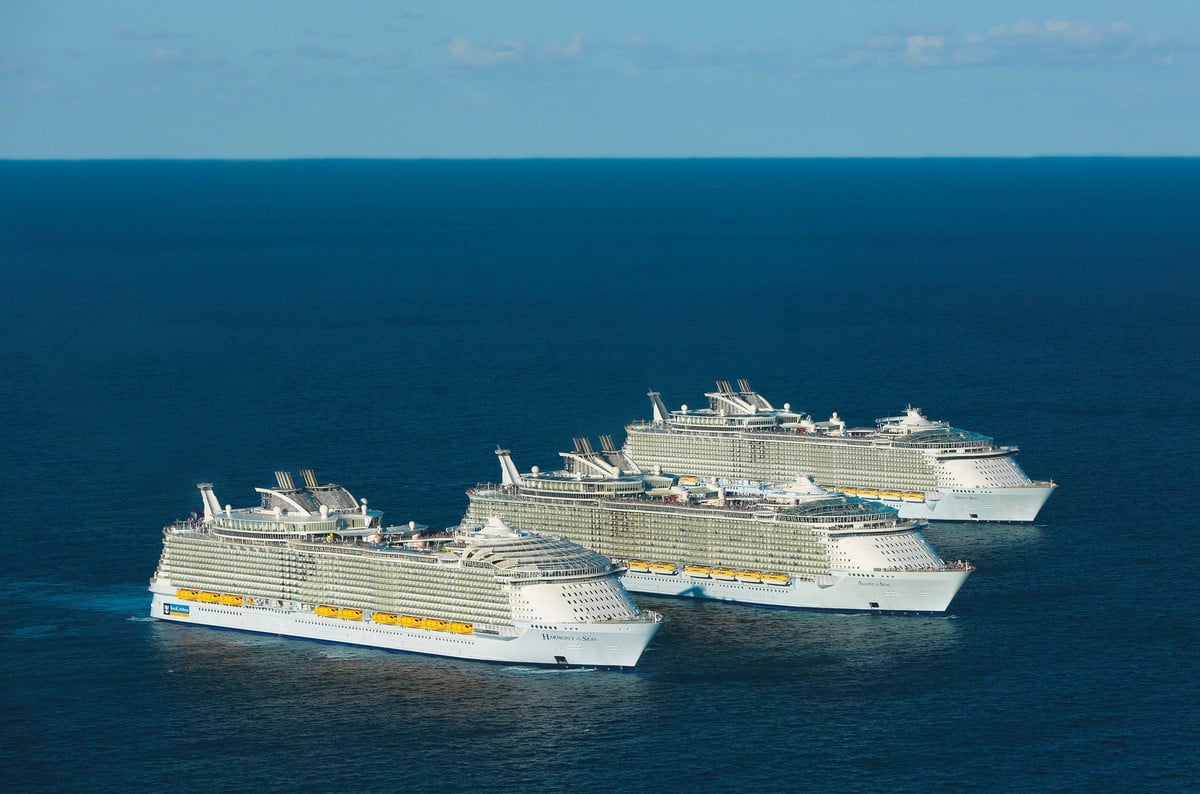
CDC hasn't provided technical instructions to cruises lines four months after lifting the No Sail Order

In:
05 Feb 2021

There has been very little news on progress being made by any cruise line to conducting test cruises, and the reason might be because they are still waiting on what to do.

When the U.S. Center for Disease Control Control (CDC) lifted the No Sail Order at the end of October and replaced it with the Framework for Conditional Sail Order, the agency outlined a series of steps required for cruises to be able to progress towards restarting.

The first step was to provide technical instructions on what each ship needs to do in order to prepare itself for test cruises.

Cruise Critic reported that cruise lines were still waiting for those instructions.

In a statement from the CDC to RoyalCaribbeanBlog, the agency confirmed they have not yet delivered that first step.

"Returning to passenger cruising is a phased approach and our current focus is on the protection of crew and working with cruise lines to implement the initial phase requirements of testing all crew and developing onboard laboratory capacity."

"Future orders and technical instructions will address additional activities to help cruise lines prepare for and return to passenger operations in a manner that mitigates COVID-19 risk among passengers, crew members; including simulated voyages, certification for conditional sailing, and restricted voyages."
"We anticipate the next phase of technical instructions (Technical Instructions for Port and Local Health Authorities Agreements) to be released in the next few weeks."

Nearly four months after the No Sail Order was lifted, cruise lines are not much closer to restarting sailings in the United States as they were in the fall.

The realization that progress was slow in terms of getting test cruises going became apparent in various statements by cruise line industry officials.

Read moreEverything you need to know about Royal Caribbean test cruises

Carnival Corp. CEO Arnold Donald told investors during an earnings call that they were still waiting on additional guidelines from the CDC for future phases.

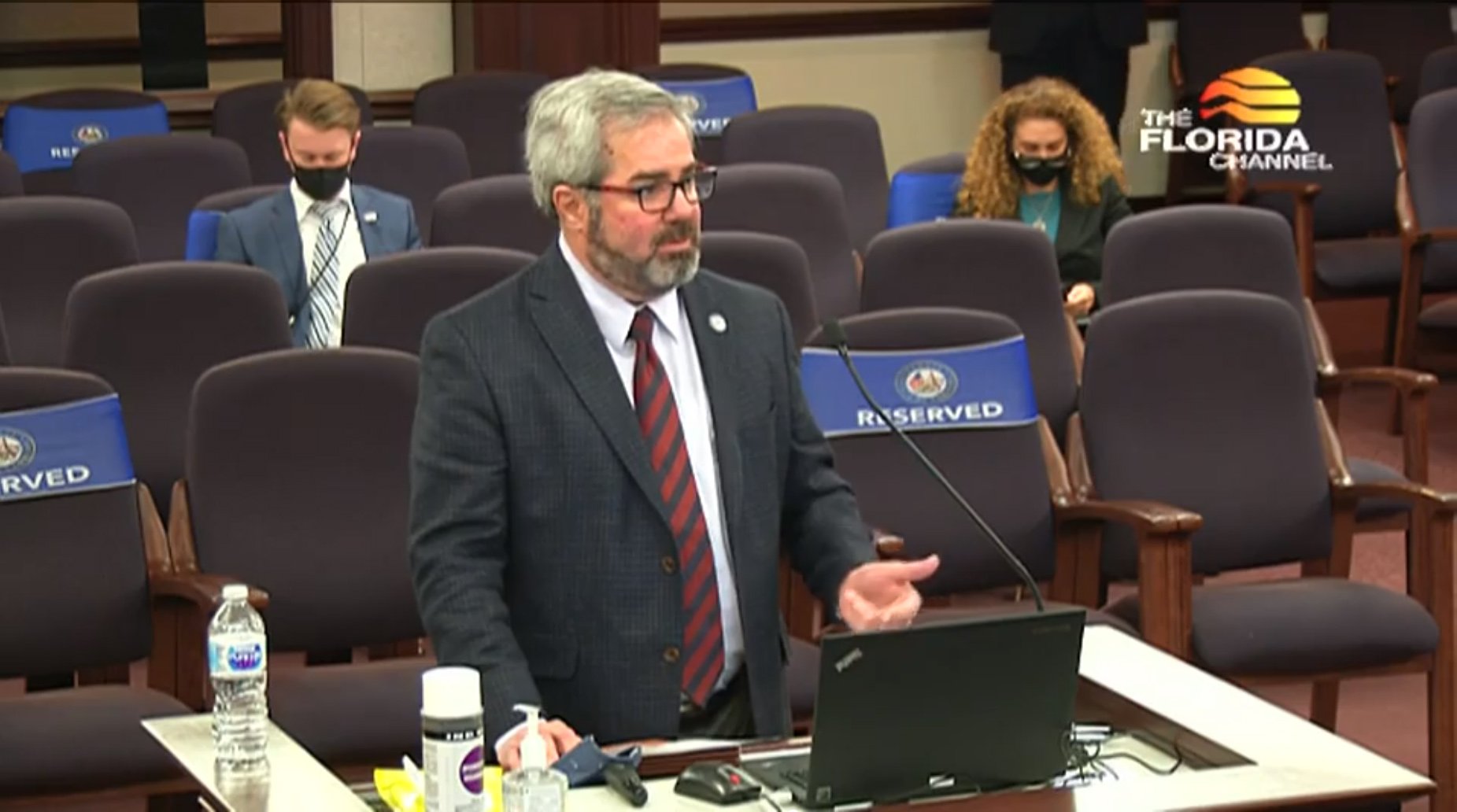
Florida Ports Council Vice President of Governmental Affairs Michael Rubin told Florida's Senate Transportation Committee cruise lines are working to meet an “onerous” list of requirements from the CDC.

Prior to cruise ships sailing again from the United States, test cruises will need to be conducted to demonstrate the cruise line's new protocols are effective.

These simulated voyages will require volunteers to be onboard to help go through the variety of scenarios cruise lines need to test.

Read moreTop 14 things the CDC requires cruise ships do on test sailings

The new protocols would apply to crew and passengers and include things such as rapid testing, requiring face masks, social distancing and more.

What are the technical instructions?

When the CDC issued the Framework for Conditional Sailing Order that said any cruise line that wants to restart from the United States needs to apply for a conditional sailing certificate 60 days before a voyage.

First, ships must implement testing and other protocols for the safe return of crew. Non-revenue test sailings will follow, with vessels then required to request and receive approval to resume sailing with passengers onboard.

The CDC promised that further technical instructions will be posted on the CDC's website at a later date.

Read moreRoyal Caribbean's Chief Medical Officer explains what needs be done to get approval to cruise again

On its website, the CDC says the instructions are meant to ensure health and safety protections for the crew prior to resuming passenger operations in a way that mitigates the risk of spreading COVID-19.

"The cruise ship operator must conduct a monitored observation period and laboratory testing of volunteer passengers, as directed in CDC technical instructions or orders, prior to embarking volunteer passengers on a simulated voyage."

Other activities as may be listed in the forthcoming CDC technical instructions and orders.

Florida Ports: Significant cruise ship numbers may take another year to return

In:
04 Feb 2021

The road to recovery for cruise lines is not going to be a swift or easy one.

At a meeting of Florida's Senate Transportation Committee, Florida Ports Council Vice President of Governmental Affairs, Michael Rubin, said it will be a while yet before cruise ship operations return to "significant" numbers.

"I’m not sure we’ll have significant cruise operations until perhaps next year and even beyond that," Rubin told the committee.

"Some of the smaller luxury liners … may not be operating till further than that, until there’s actual vaccines available around the world. We are concerned. We’re hopeful that they’ll allow them to operate at least half capacity here maybe in April, maybe in June. Hopefully, before that timeframe, because this is really, really troubling."

Rubin represents the Florida Ports Council, which is a nonprofit group that represents major seaports in Florida. 

Rubin added that cruise lines are working to meet an “onerous” list of requirements from the U.S. Centers for Disease Control (CDC), with the hope of having some ships operating at half capacity by the summer of 2021.

According to Rubin, one issue that has remained is to figure out is how to handle cruise passengers getting on or off a ship in a port of call.

Mr. Rubin believes some high profile stories about cases on cruise ships from early 2020 are hindering progress to resume operations, "As you know, there was some high-profile incidents of passengers trying to get off and a few deaths out there."

"So, we’re living with those high-profile incidents, and it can’t seem to get past it. … I think all of our ports and the cruise lines are trying to work with the CDC to say, ‘Look, we’re gonna have protocols, we’ll have masks, we’ll sail at half capacity so we can quarantine people if they need to be quarantined.’"

He believes when cruises do restart, the cruise lines will adopt a series of new rules, "I think all of our ports and the cruise lines are trying to work with the CDC to say we’ll have protocols, we’ll have masks, we’ll sail at half capacity so we can quarantine people if they need to be quarantined."

The CDC recently added a new order that requires anyone on a cruise ship to wear a face mask.

Mr. Rubin's comments come a few weeks after Port Canaveral estimated some cruises might return in July. Neither Port Canaveral nor Mr. Rubin's comments are based on any cruise line statements.

Royal Caribbean Group Chairman and CEO Richard Fain tackled the question of when cruises might restart with the answer everyone has known for months: no one yet knows for certain.

"My answer is consistently, I don't know. But more recently, my answer has been, I don't know, but that's the good direction to be going in."

"It's going to take a while and we just need to be patient."

"But it is happening and these early cruises are going to give us information that will help inform how we can operate safely and that's going to give us all confidence in an earlier and safer restart."

Royal Caribbean Blog Podcast Episode - Unconfirmed cruise ship rumors that get repeated a lot by cruisers

In:
03 Feb 2021

Listen to the Show

Having seen so many of these discussions on social media, there seems to be a few of these "predictions" that are passed around as the truth. Here is a list of some commonly shared cruise ship rumors that have not been verified or announced by Royal Caribbean.

Share with me your thoughts, questions and comments via...

On this episode:
Running time:

CDC will require everyone to wear face masks on cruise ships

In:
30 Jan 2021

When cruises restart, passengers onboard will have to wear a mask.

The Centers for Disease Control and Prevention (CDC) passed a new order that requires people to wear masks on public transportation.

"Persons must wear masks over the mouth and nose when traveling on conveyances into and within the United States. Persons must also wear masks at transportation hubs as defined in this Order."

The order pertains to forms of travel including aircraft, train, road vehicle, vessel or other means of transport.

The order goes into effect as of February 1, 2021.

It applies within any state, locality, territory, with the exceptions of while eating, drinking, or taking medication, for brief periods.

Children under 2 years old are exempt, as well as a person with a disability who cannot wear a mask, or cannot safely wear a mask, because of the disability as defined by the Americans with Disabilities Act.

Cruise lines must provide adequate notice of the rule and disembarking any person who refuses to comply. Moreover, guests should be made aware that Federal law requires wearing a mask on the conveyance and failure to comply constitutes a violation of Federal law.

The new rules require what the cruise lines have already agreed to do on their own.

The Healthy Sail Panel proposed passengers and crew members wear face masks on cruise ships back in September 2020.

Read moreRoyal Caribbean new cruise ship health protocols include masks, social distancing, testing and more

Royal Caribbean specified in its rules face masks will be required on its cruise ships when they return to service, with exceptions similar to what the CDC outlined.

Specifically, Royal Caribbean says guests should wear face masks in nearly all public settings regardless of physical distancing measures but will not be required to wear face masks in their own stateroom.

There are exceptions, however, such as dining venues, where guests can eat and drink without face masks while seated, provided physical distancing is observed. All restaurant seating will be arranged to allow for physical distancing, so guests can eat and drink without face masks while seated, and tables and chairs will be disinfected.

Read moreWhere and when will you have to wear a mask on a Royal Caribbean cruise

Also, guests should not wear masks while engaged in activities that may cause the mask to become wet, like when swimming in our pools, or when participating in strenuous activities, such as jogging, running, or fitness classes at the Vitality Spa and Fitness Center.

Face masks will be required at all bars or nightclubs when not seated and actively eating or drinking with your party. 

Crew members will wear masks at all times, and gloves.

It is unclear yet if Royal Caribbean will change any of these protocols based on this new order.

The rationale for the new rule is aimed at ensuring people in close contact are not putting the public health at risk.

"Traveling on multi-person conveyances increases a person’s risk of getting and spreading COVID-19 by bringing persons in close contact with others, often for prolonged periods, and exposing them to frequently touched surfaces.

"Air travel often requires spending time in security lines and crowded airport terminals. Social distancing may be difficult if not impossible on flights. People may not be able to distance themselves by the recommended 6 feet from individuals seated nearby or those standing in or passing through the aircraft’s aisles."

Read more5 ways cruise ships have tougher COVID-19 protocols than airplanes

"Travel by bus, train, vessel, and other conveyances used for international, interstate, or intrastate transportation pose similar challenges."

The CDC believes using masks along with other preventive measures, including social distancing, frequent handwashing, and cleaning and disinfecting frequently touched
surfaces, is one of the most effective strategies available for reducing COVID-19 transmission.

More information

Canada will require tourists to quarantine in hotels in order to discourage international travel

In:
29 Jan 2021

While it remains unclear what will happen with Alaska cruises in 2021, it looks like Canada is not yet moving in a direction friendly to cruises.

The Canadian government has added a mandate for travelers entering the country to quarantine at a hotel at their own expense.

The Canadian government is looking to discourage international travel by adding these tougher rules. By requiring isolation in a hotel instead of a house, it would mean an added expense for travelers to incur.

Canadian Prime Minister Justin Trudeau made the announcement on Friday.

"Travelers will then have to wait for up to three days at an approved hotel for their test results, at their own expense, which is expected to be more than $2000," Trudeau said.

"Those with negative test results will then be able to quarantine at home under significantly increased surveillance and enforcement."

The cost includes the hotel stay, as well as a private PCR test, security, food and the cost of measures the designated hotels will have to take to keep their workers safe.

Read moreWill there be any Alaska cruises in 2021?

Canada's new rule mirrors Australia's rule, which requires most travelers to quarantine at a government-arranged hotel for 14 days for $2,800 AUD per adult and $4,620 AUD for a family of four.

The U.K. also introduced a similar rule earlier this week to require citizens arriving from dozens of high-risk countries to quarantine in hotels for 10 days at their own expense.

Since March, Canada has banned non-essential travel into the country by anyone that is not a citizen, as well as banning cruise ships from its waters until at least February 28, 2021.

There is already a rule that requires those entering Canada to self-isolate for 14 days and to present a negative COVID-19 test taken within three days before arrival. 

Rules like this, as well as the ban on cruise ships, makes operating cruise ships to Alaska or New England effectively impossible because U.S. cabotage laws require foreign-flagged vessels leaving from a U.S. port of call to first call on a "distant foreign port" before returning to the United States.

Read moreComparing the Royal Caribbean ships sailing in Alaska 2021

Along with the No Sail order in the United States, Royal Caribbean was unable to offer cruises to Alaska in 2020, but a ban from Canada would prevent any Alaska cruises from operating.

Those who do not comply with the prohibition could be subject to penalties: $5,000 per day for individuals and $25,000 per day for corporations.

Port Canaveral predicts cruises could restart in July

In:
28 Jan 2021

Everyone is trying to get an idea of when cruises might restart by "reading between the lines", so perhaps Port Canaveral's commissioner meeting could shed some light on the subject.

Port Canaveral holds public meetings to discuss the port's business operations and plan its budget accordingly.  Ordinarily, this is pretty mundane information to digest, but it includes some speculation on when it can expect more revenue in the form of cruise ships returning.

According to Port Canaveral officials, they seem to think some cruises might return in July.

At a meeting on Wednesday, Port Canaveral CEO Captain John Murray said he believes by July, the Covid-19 vaccine will be widely distributed and the industry could get restarted.

Captain Murray explained, "The issue with July is, we’ve been doing this now for a year and you can take a very practical look at how things are happening.”

"We have a new administration. The cruise lines themselves have kicked everything down the road for three months already, or at least through March and April. The reality given the pandemic right now, until those numbers start coming down, we just don’t see that this industry is going to get any attention that it needs to get restarted."

Port Canaveral's projection is based on what officials now foresee as a worst case scenario.  Under this worst case scenario they are estimating cruise lines will each have at least one ship sailing by July even though current data suggest ships will sail before that.

The revised dates were arrived at independently and are not based on any cruise line statements.

He also seems to think the U.S. Centers for Disease Control (CDC) has no interest in working with the cruise lines until the health situation in this country improves, "The CDC’s motivation right now to put the cruise lines back on the water is not there, and probably won’t be there for the next three months."

"So rather than look at this entire operation and say, ‘Well, let’s just kick the can to April and then we’ll look at it again,’ it doesn’t make any sense to keep coming back to you guys with a rosy picture that we’re going to start in April or May and then say, ‘Whoop, that didn’t happen.’ So we took the very hard approach of, like I say, ripping off the Band-Aid, and making it a bad situation for the port just to show you that we have a plan to get through this if it does go as far as the fourth quarter."

Officials at the meeting said the most likely scenario is the initial restart phase will have one cruise ship per cruise line, and each ship will operate at half capacity.

Port Canaveral Chief Financial Officer Michael Poole is projecting $32.59 million in operating revenue and a $43.12 million loss for the port in the current budget year that ends September 30.

"We just want to put something in front of you that can show you as a board that we’re going to be OK to get through this even if it doesn’t start before July, and I’m hopeful and optimistic and all that good stuff that we do get started before then."

Royal Caribbean, and the entire cruise industry, has been shutdown from U.S. ports since March 2020.  With the exception of Quantum of the Seas in Singapore, no ships have been able to restart in its fleet since then.

In order to be able to restart, cruise lines need to get their new health protocols onboard approved.  This will be done in conjunction with test cruises that will demonstrate the viability of the cruise line plans.

Once a ship is approved for service by the CDC, then a cruise line can resume regular passenger service.

While Royal Caribbean has not announced any firm restart plan, many believe cruises will start back up again first from ports like Port Canaveral or PortMiami.

Wall Street: Cruises wont restart until late 2021 or early 2022

In:
22 Jan 2021

If you are looking for a "glass is half empty prediction" on when cruises might restart, here is a doozy.

One Wall Street analyst shared his thoughts on the likelihood of cruises restarting and it is not a good outlook for cruise fans.

Truist Securities analyst Patrick Scholes wrote in a note that cruises likely will not resume from U.S. ports until the second half of 2021 under the best of circumstances, and possibly not until early 2022.

Mr. Scholes wrote the note on Friday indicating a changing look at the prospects of cruises restarting, "The sentiment for 2021 has now changed to ‘It’s possible 2021 will not be a return to (revenue) sailings in North America, or at least not before'".

He added that while cruise bookings are exceeding cancellations, “we now see July as the best case for restart,” though the fourth quarter is more likely.

"Consensus expectations are for a return to revenue sailings in 2Q21 with [an] acceleration into 3Q21, which we do not see as realistic," Scholes wrote, adding that the stocks have "so far shrugged off unabated delays in restarting."

Royal Caribbean recently cancelled March and April cruises for nearly all of its sailings, and Norwegian and Carnival have both matched as well.

Cruise industry insider Stewart Chiron recently took to Twitter with his own predictions based on the recently announced cancellations.

"Several cruise lines will be announcing further cancelations of all April sailings. May sailings, at this point, are probably toast as well," Chiron stated in his tweet. "Test sailings of 3-5 nights will occur. All 7-night sailings, heading into summer are tentative at best right now."

The single biggest question is when cruise lines might be able to get started with testing out their new procedures.

Carnival recently tip-toed around the idea that the CDC is holding up the cruise lines from moving forward with restart plans.

Carnival Corp. CEO Arnold Donald said Carnival is in phase one of the Conditional Sail Order, and said, "additional guidelines for future phases have not yet been issued by CDC."

Mr. Scholes wrote in his note, "there is concern amongst travel executives who believe that the recent CDC phased return to cruise is really a de facto no-sail order."

Read moreTop 14 things the CDC requires cruise ships do on test sailings

"The concern is that the CDC’s hurdles are so high that it will make it extremely difficult for the cruise lines to sail with paid customers."

The good news is demand remains strong in the form of bookings, and he expects the pent-up demand for travel to boost cruises whenever they have the opportunity to restart.

British cruise line will require everyone to get a COVID-19 vaccine

In:
20 Jan 2021

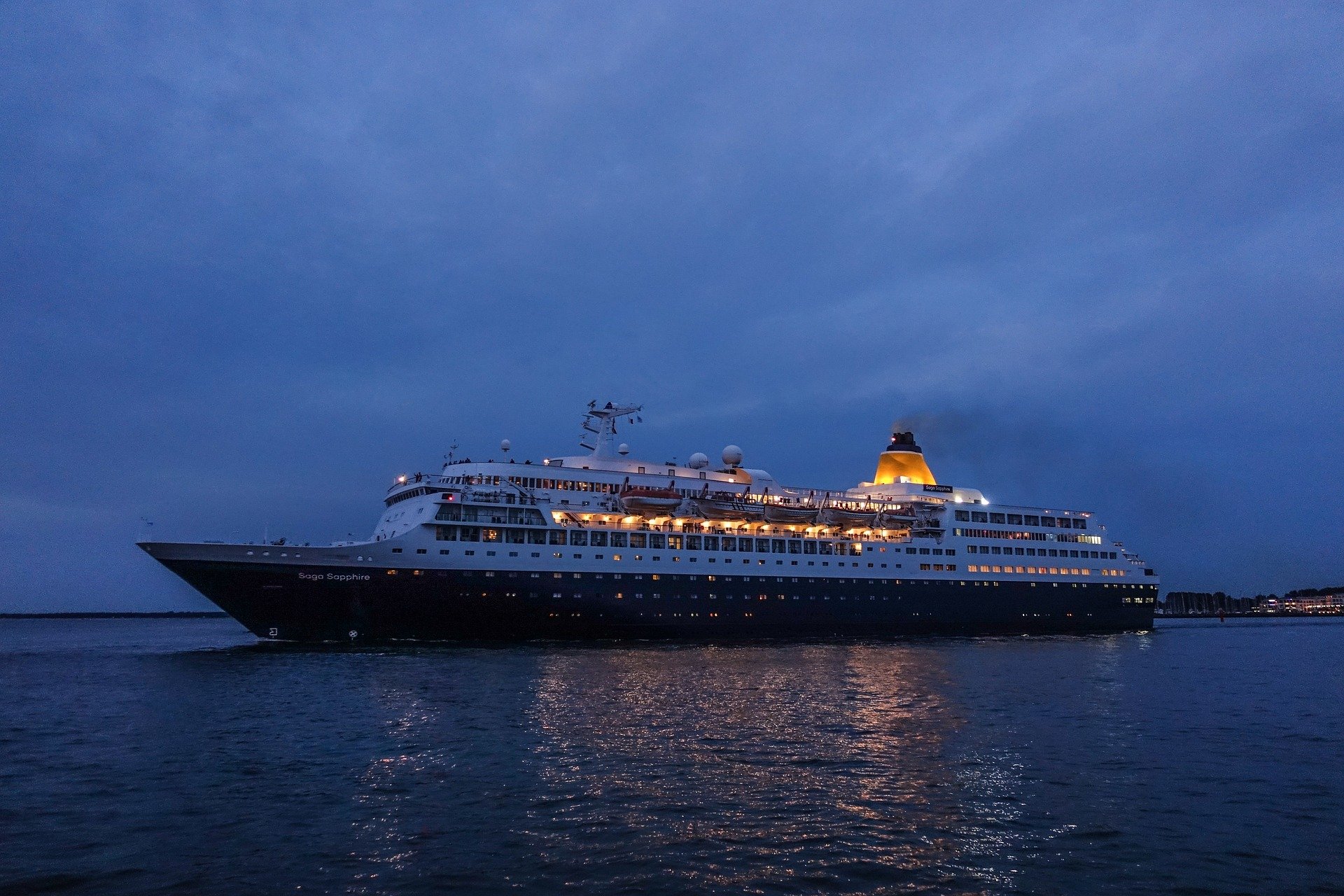
The first cruise line to announce it will require its guests to get a COVID-19 vaccine is Saga Cruises.

The British cruise line announced it will require that all guests must be fully vaccinated in order to sail.

Specifically, Saga said guests must have received their full two doses of the COVID‑19 vaccination at least 14 days before going on the cruise.

A spokesperson added: "We have taken the decision to require everyone traveling with us to be fully vaccinated against COVID-19. Our customers want the reassurance of the vaccine and to know others traveling with them will be vaccinated too."

The topic of if cruise lines will require guests to be vaccinated has been a hotly debated topic, and a question of "will they or wont they."

Saga Cruises exclusively markets to and operates for people aged 50 and over, making it appeal to a demographic that is more at risk to the effects of COVID-19.

The plan for Saga is to begin with hotel stays, river cruises and escorted tours in May, and then launch ocean cruises in early June.

Read moreCDC will require Covid-19 test for all international flights to the US

Pre-cruise COVID-19 testing will be conducted in the terminal, as well as doubling the medical staff and social distancing on its ships.

What about Royal Caribbean?

Of course, a small cruise line in the UK is not necessarily an indication of what Royal Caribbean may or may not do.

Last week, Royal Caribbean Group Chairman and CEO Richard Fain indicated they are looking into the role a vaccine will play in the cruise line's plans.

Ultimately, Royal Caribbean will rely on the guidance of the Healthy Sail Panel of health experts to guide the cruise line in if they should require the vaccine or not of its guests.

"Exactly how are we going to require it? Are we going to just use it as an adjunct? I think all of that is going to come out reasonably soon."

Mr. Fain's response put the decision on if requiring the vaccine is a good idea on the panel of experts so that the cruise line can make the best decision based on the panel's guidance.

"We have the experts and we'll let them guide us."

CDC will require Covid-19 test for all international flights to the US

In:
19 Jan 2021

The airline industry will begin to feel the first major impact of a new rule by the U.S. Centers for Disease Control and Prevention (CDC) with new testing requirements.

The CDC announced beginning on January 26, all passengers that are two years old and older must show proof of a negative Covid-19 test to enter the United States.

Specifically, flyers must take a nasal or PCR test within three days before the flight departs for the U.S.

The written results (written or electronic) of the test must be provided to the airline in order to be able to board the plane. The CDC added documentation of having recovered from Covid-19 is allowed.

If you have a connecting flight, a test taken no more than three days before your flight departs is acceptable as long as it is booked under a single passenger record. Layovers between flights cannot exceed 24 hours.

If your connecting flight to the US was booked separately or you have a longer connection, you need to get tested within the three days before your final flight departs for the US.

If you are flying out of the country for less than three days, you can take a test in the U.S. before you depart and use it for your return or take a rapid test before your return flight.

If a passenger does not provide documentation or chooses not to take a test, the CDC has advised that airlines must deny boarding.

The rule applies to U.S. residents and tourists alike.

This is the first time the airline industry has had to deal with any kind of testing requirements. Cruise lines committed on their own to 100% testing of all passengers back in October 2020 without the CDC needing to mandate it.

Read more5 ways cruise ships have tougher COVID-19 protocols than airplanes

CDC Director Dr. Robert R. Redfield commented on the importance of testing as a major tool, "Testing does not eliminate all risk, but when combined with a period of staying at home and everyday precautions like wearing masks and social distancing, it can make travel safer, healthier, and more responsible by reducing spread on planes, in airports, and at destinations."

Subscribe to Coronavirus