
5 ways cruise ships have tougher COVID-19 protocols than airplanes

In:
27 Nov 2020

When cruise ships restart sailings, they will have sweeping new health protocols and policies that are unmatched in the rest of the travel industry.

Perhaps no other industry is taking as many precautions and adopting new rules in order to protect the health of its customers and workers than the cruise lines.

While the airlines have adopted some new rules to keep its passengers safe, new cruise line health protocols are going to greatly exceed those basic safeguards.

Of course the experience on a cruise ship is not exactly the same as on an airplane, nonetheless, the cruise industry is going above and beyond the new health protocols airlines have adopted that claim to be safe for flying.

Limiting ship capacity vs. leaving middle seat open
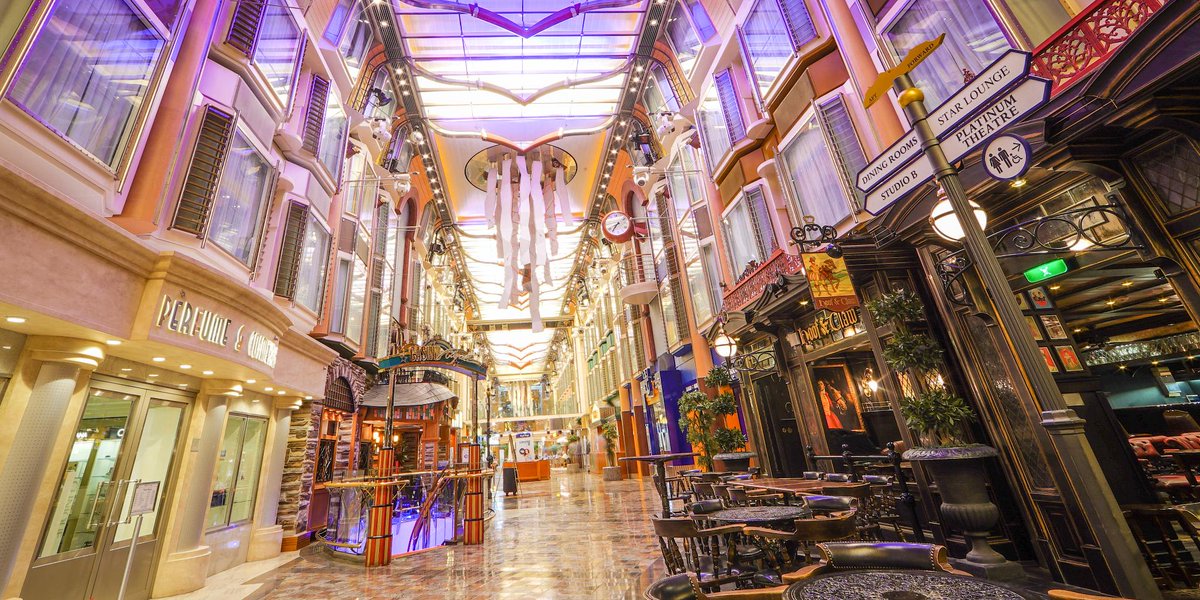
The basic step airlines took to socially distance its passengers was to leave the middle seat open on its airplanes (a step most airlines are about to get rid of), but cruise ships are going to leave up to half of their rooms unsold to foster social distancing.

When cruise ships restart operations, they will not come close to filling their cruise ships.  One of the health protocols that the Healthy Sail Panel proposed, and adopted by the cruise industry, is to limit how many passengers are able to go on a cruise ship in order to allow for appropriate physical distancing on board.

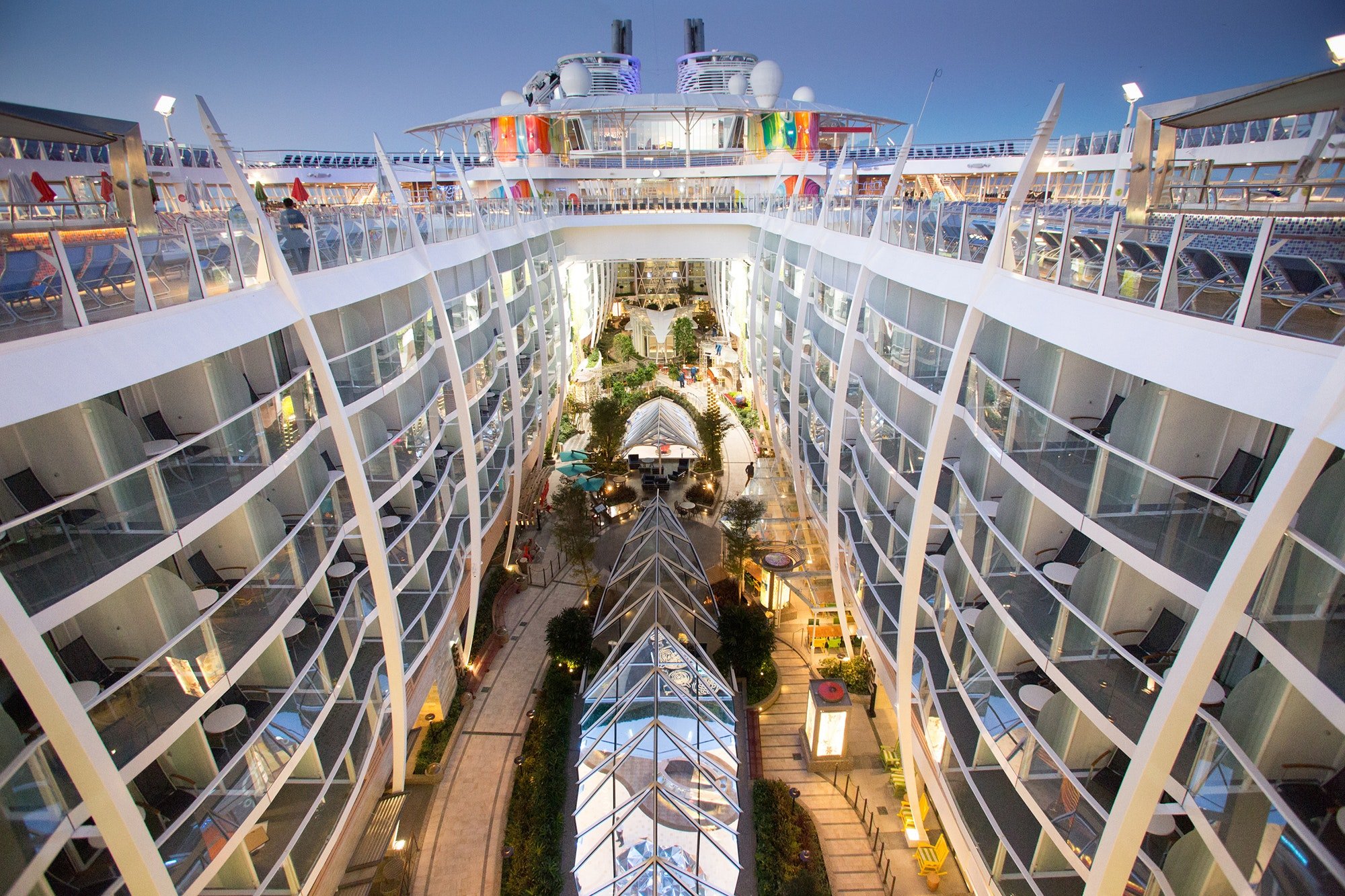
The exact percentage of a ship's capacity that will be reduced will depend on the size and design of each cruise ship, but when Quantum of the Seas restarts cruises in Singapore in December, Royal Caribbean will reduce the capacity to no more than 50% occupancy.
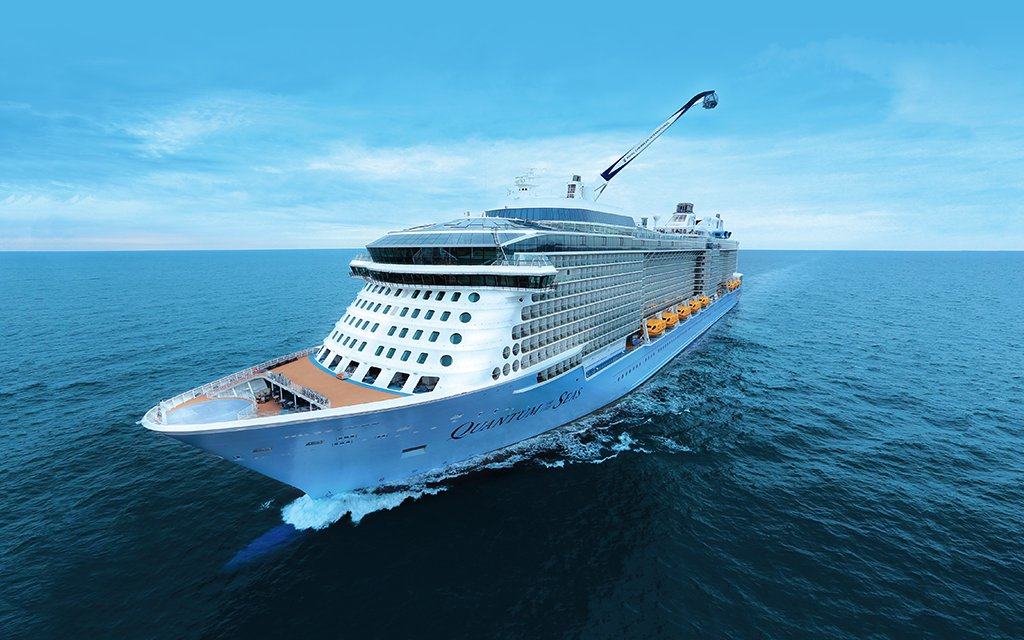
In fact, the first Quantum of the Seas sailing will only have about 1,000 passengers onboard a ship that can regularly handle 4,905 guests.

In addition, other forms of social distancing will be enforced, including reduced capacity at dining and other public venues, staggered embarkation and check-in and the addition of more options for entertainment such as additional show times to allow for social distancing.

While many airlines quickly adopted leaving the middle seat open as a policy, a number of airlines have either removed or plan to remove that policy. At one time, Frontier Airlines announced it would charge passengers a fee, starting at $39, to ensure the middle seat next to them would remain empty. 

100% testing on cruise ships vs. no testing at all
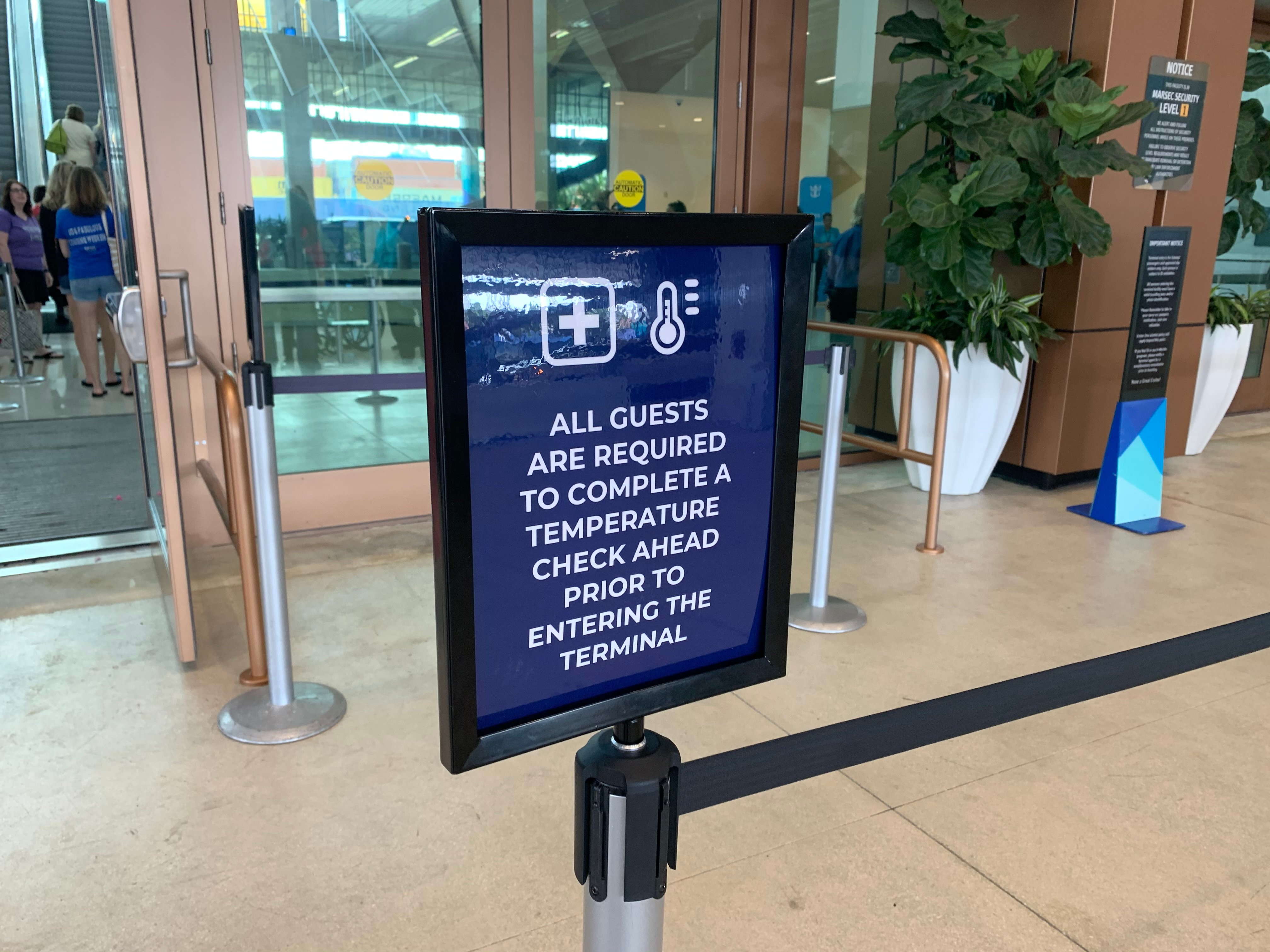
If you go on a flight today, you can walk right into the airport, through security and onto your airplane without any tests. Cruise ships have promised to test every single person and crew member.

All lines that are members of the Cruise Lines International Association have committed to 100 percent testing of all passengers and crew prior to embarkation on ships that carry more than 250 passengers. 

One of the goals of the Healthy Sail Panel is to make being on a ship as safe as or safer than being in your own home town.
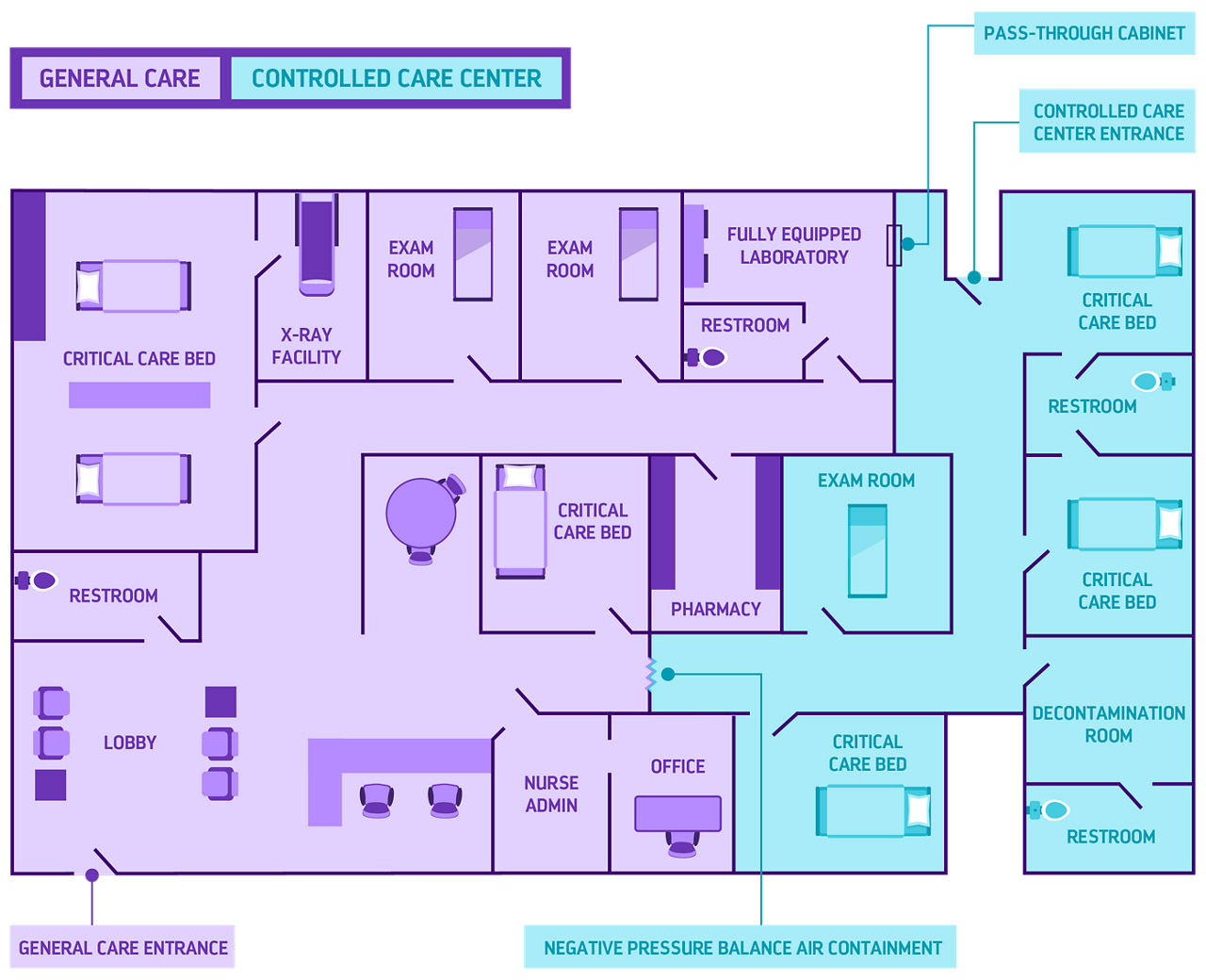
The onboard medical care offers guests and crew members daily temperature checks, fast and free SARS-CoV-2 testing capabilities onboard, and complimentary in-stateroom medical evaluations.

Royal Caribbean has also added more doctors and nurses in their shipboard Medical Centers and enhanced its state-of-the-art equipment to provide high quality care.

No other section of the travel industry has 100% testing, which separates Royal Caribbean (and other CLIA member lines) from the rest of travel.

Air circulation
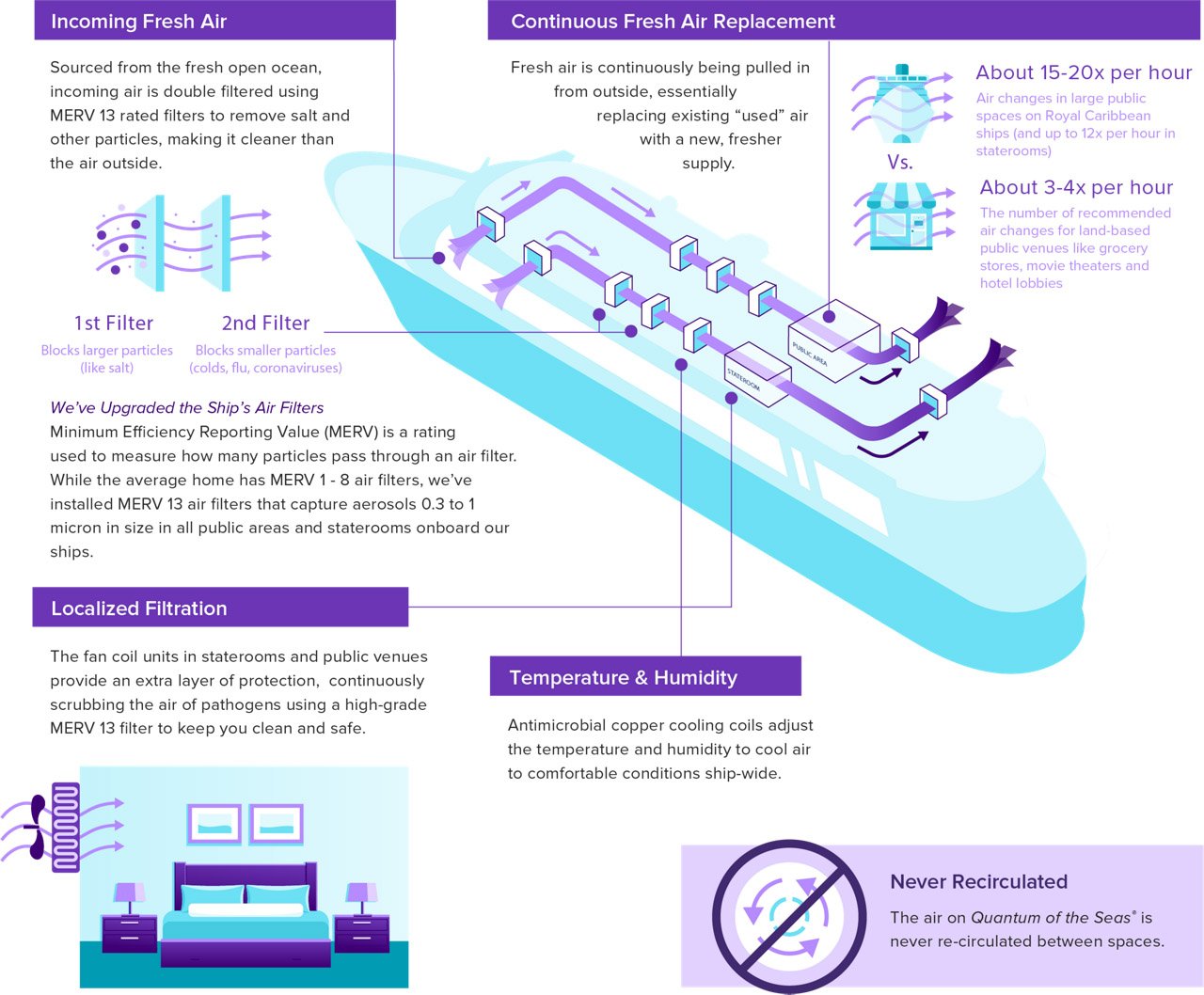
Modern airplanes maintain clean air by circulating a mix of fresh air and air recycled through HEPA filters. Royal Caribbean says its HVAC system continuously supplies 100% fresh, filtered air from outdoors to all indoor spaces.

The air is drawn from one side of the ship for cooling and ventilation, then removed via exhaust on the opposite side of the ship.

This continual intake of fresh air replaces the air in any space, with a total air change up to 12 times an hour in staterooms, and about 15 changes an hour in large public spaces.

Upgraded MERV 13 filters capture aerosols 0.3 to 1 micron in size — fine enough to filter coronavirus, colds and flu.

CDC oversight vs no oversight
Since March, the cruise industry has had to answer to the U.S. Centers for Disease Control (CDC) and faced an uphill battle for proving it can operate safely. The airlines have encountered no such government restrictions.

For many months, the CDC shut down the cruise industry while airlines were able to continue operating unabated and with no new rules imposed by the government.

Only recently has the CDC provided a new pathway for cruises to receive permission to cruise again, assuming each cruise ship can demonstrate it can function in a safe manner under a series of strict checkpoints and requirements.

The framework for conditional sailing is meant to potentially allow cruise ships to sail again while not putting the public health at risk.

Enhanced sanitization
Both airlines and cruise lines have committed to cleaning surfaces, but cruise ships will ensure they have medical grade cleanliness onboard.

Airplanes treat their planes with antimicrobial technology that can disinfectant surfaces onboard.

Cruise ships have also adopted new cleaning standards to ensure every ship is thoroughly cleaned and disinfected prior to every voyage, and consistently and frequently throughout a sailing. 
Royal Caribbean has said frequently touched areas like elevators, escalators, stairways, and promenades will be cleaned every two hours and gangway rails every 20 to 30 minutes during busy times.

Staterooms are cleaned daily only while guests are out of the room, and particular attention is paid to frequently used items and surfaces.  Hospital-grade disinfectants are used daily to clean all high-touch surfaces.

Like on airplanes, touchless Purell hand sanitizer and wipes dispensers are available for use by guests.
CDC ignores crowded airports while holding cruise ships to double standard

In:
24 Nov 2020

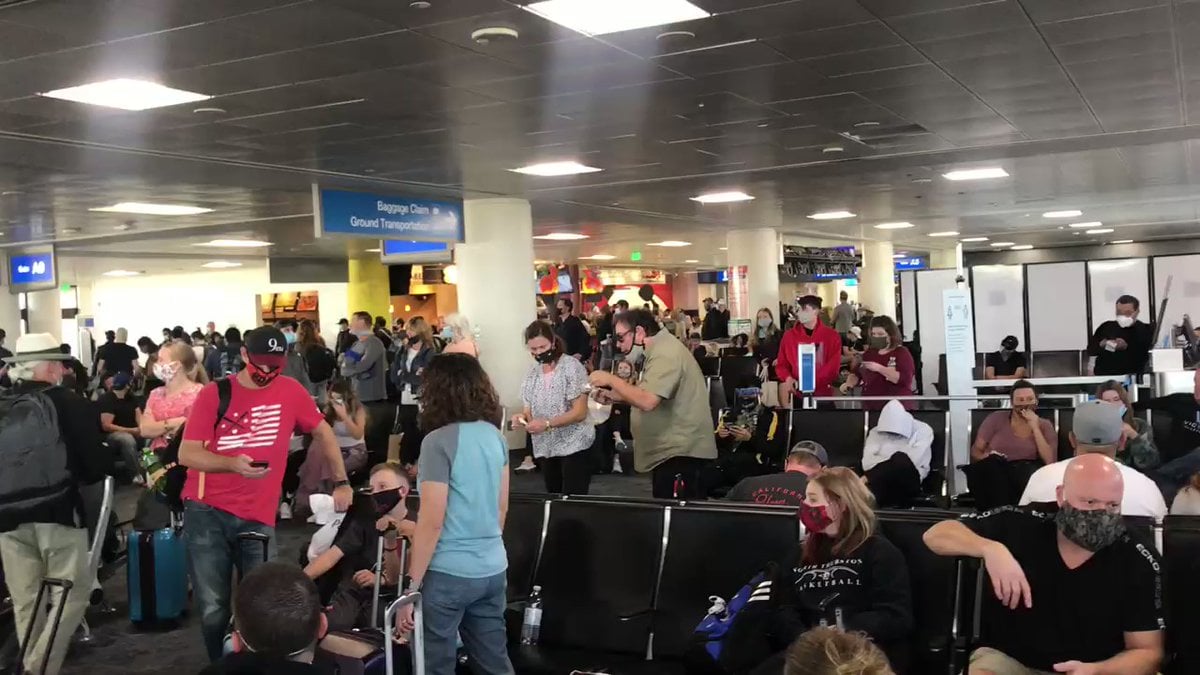
The U.S. Centers for Disease Control (CDC) believes going on a cruise ship is among one of the riskiest forms of travel during the current global health crisis, but has turned a blind eye to air travel and the complete lack of testing, distancing, or protocols to stem the spread of COVID-19.

Over the weekend, the CDC raised its warning about going on a cruise ship to the public to the highest level possible. Meanwhile, Thanksgiving holiday travel is beginning to peak and the CDC has held airports and airlines to no strict protocols.

While the cruise industry remains completely shutdown in North America with impossibly high standards instituted by the CDC, neither airports nor air travel have had any shutdown or forced regulation related to health protocols.

This double standard perfectly exemplifies how cruise lines are being unfairly targeted by the CDC, while air travel has faced no such restrictions despite being chiefly responsible for the spread of COVID-19 from continent to continent and country to country.

While the CDC did urge Americans to stay home for the holiday, millions will still fly around the United States and there are no stringent regulations placed on airports or airlines like there are for cruise ships.

CBS News reporter Kris Van Cleave said more than three million have been screened at Transportation Security Administration checkpoints since Friday. Sunday was the busiest day at airport checkpoints since March 16, and AAA expects up to 50 million Americans to travel.

Meanwhile, cruise ships remain unable to operate until the CDC signs off on a cruise ship demonstrating it can operate in a completely safe environment. Cruise lines are committing to 100% testing for all passengers and crew, enhanced HVAC and air circulation, and a multi-faceted approach to mitigate the risk of spread on a cruise ship.

In the executive summary from the last No Sail Order, the CDC Director warned cruise ship travel should not occur because it would facilitate the spread of the virus.

If unrestricted cruise ship passenger operations were permitted to resume, infected and exposed persons disembarking cruise ships would place federal partners (e.g., Customs and Border Protection and the U.S. Coast Guard), healthcare workers, port personnel, and communities at substantial unnecessary risk.

The same concern regarding cruise ship travel is affecting air travel without any of the safeguards.

Royal Caribbean pauses sale of cruises longer than 7 nights because of new CDC rules

In:
24 Nov 2020

Royal Caribbean will not sell any cruises longer than 7-nights until further notice in order to comply with new rules by the U.S. Centers for Disease Control (CDC).

The CDC's Framework for Conditional Sailing Order stipulates that cruises longer than 7 nights and call on a U.S. port are not allowed while the CSO is in effect.

Therefore, Royal Caribbean sailings between Jan. 1 and Nov. 1, 2021 are "temporarily paused" while Royal Caribbean determines what to do with them.

The cruise line informed travel agents on Tuesday of the change, "To ensure compliance, we have temporarily paused the sale of such cruises as we evaluate options and determine the necessary itinerary updates or changes."

More information about the fate of these sailings will be coming "in coming weeks" once Royal Caribbean has an update to share.

Vicki Freed, Royal Caribbean's Senior Vice President, Sales, Trade Support and Service, touched briefly on the subject, "The eight-night cruises right now are on hold on pause from January 1st to November 1st, 2021. So we're still re-evaluating the whole situation."

RoyalCaribbeanBlog.com first reported last week that cruises longer than 7-nights had disappeared from the cruise line website for booking.

The specific rule in the Framework for Conditional Sailing Order clearly forbids cruises longer than 7-nights while the order is in effect.

"The cruise ship operator must not sail or offer to sail on an itinerary longer than 7 days. CDC may shorten or lengthen the number of days permitted to sail based on public health
considerations and as set forth in technical instructions or orders."

Royal Caribbean cruises do not typically exceed 7-nights in North America, but there are longer sailings to be found, especially repositioning cruises and sailings to more exotic locations. In addition, many cruises from the Northeast United States tend to be longer because of the time needed to travel to the warmer Caribbean waters.

In the brief update, Royal Caribbean did not indicate what changes would be made to these existing sailings, and if they would be shortened or cancelled.

Other cruise lines have pulled the plug on longer sailings already.

Carnival Cruise Line was one of the first cruise lines to remove sailings longer than 7-nights from its website.  Princess Cruises and Holland America Line have also done the same while they seek clarification on how to deal with this regulation.

Princess Cruises issued a statement regarding the change, "While we await further information, we have (temporarily) stopped selling all cruises eight days and longer which call upon a U.S. port and depart January 1 through November 1, 2021."

CDC raises warning against going on a cruise ship to highest level possible

In:
21 Nov 2020

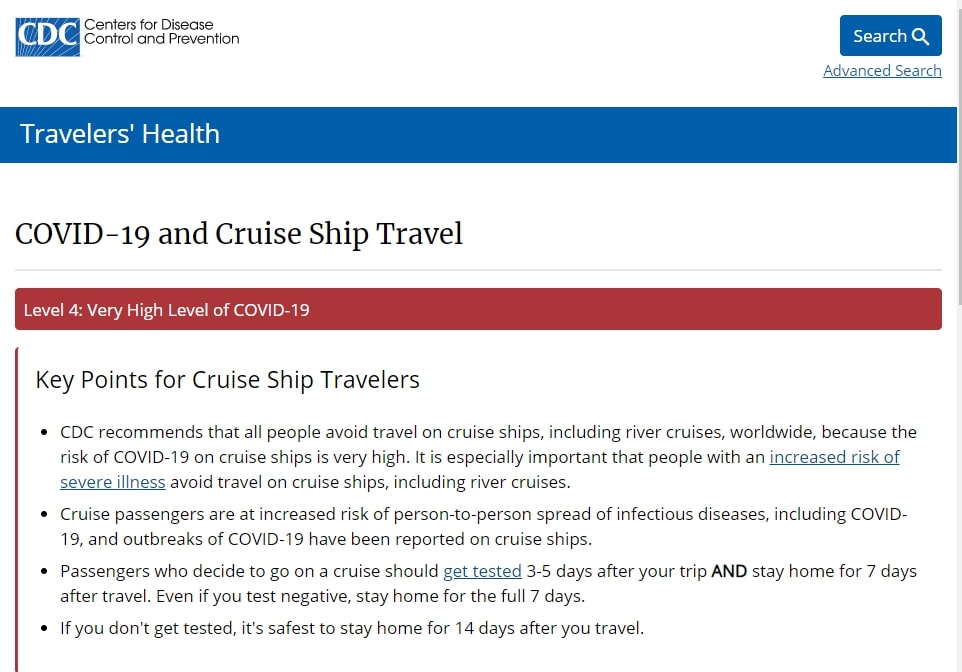
The U.S. Centers for Disease Control (CDC) raised its warning on Saturday to avoid going on any cruise ship because of "very high level of COVID-19".

The warning has gone from Level 3 to a Level 4 warning, and recommends avoiding any cruise ship (including river cruises) around the world. "because the risk of COVID-19 on cruise ships is very high."

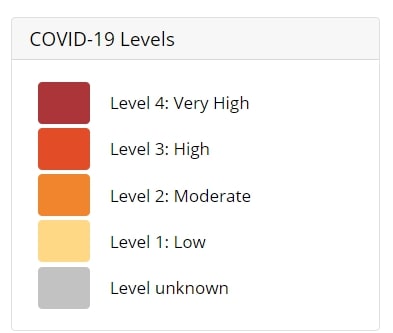
The CDC's 4-level system categorizes destinations, including international destinations and United States Territories, into the following four levels:

  • Level 4: Very high level of COVID-19
  • Level 3: High level of COVID-19
  • Level 2: Moderate level of COVID-19
  • Level 1: Low level of COVID-19

In addition to avoiding going on a cruise, anyone that does go on a cruise is recommended to get tested 3-5 days after your trip AND stay home for 7 days after travel. Even if you test negative, stay home for the full 7 days.

New Level 4 warning

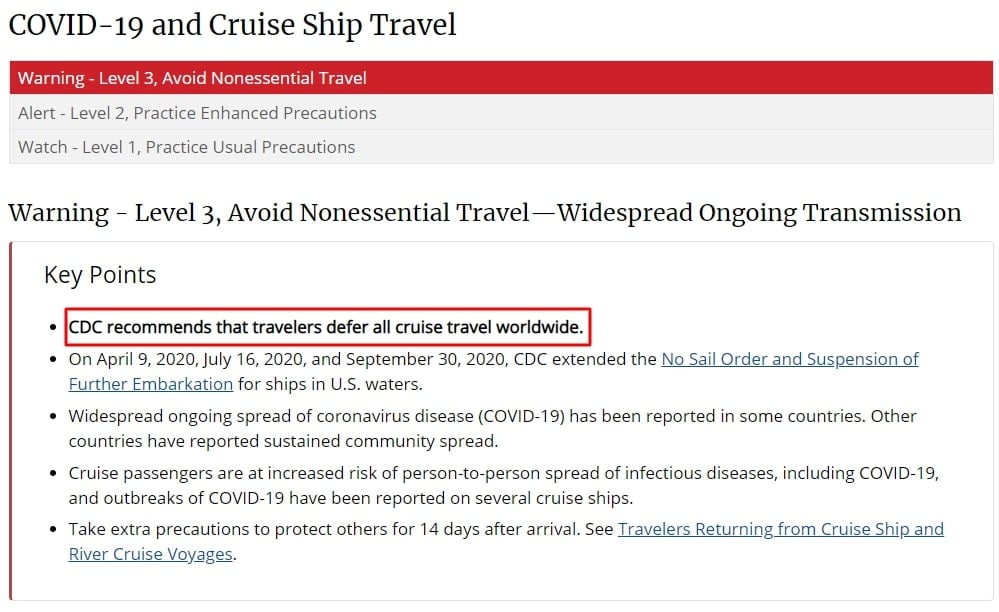
Previous Level 3 warning

If you do not get tested, then the CDC recommends to stay at home for 14 days after the cruise completes.

The CDC has warned the public against taking cruises since March due to the global health emergency, but has steadily increased its warnings from an alert, to a watch, to a warning and now simply a "Very High Level of COVID-19".

In order to raise a warning to Level 4, it has to have an incidence rate of more than 100 cases per 100,000 people over past 28 days.

Warning details

The new warning is described as the CDC recommending avoiding any cruise ship, anywhere in the world, because the risk is "very high".

The CDC also noted people with an increased risk of severe illness from COVID-19 avoid cruise ships.

Moreover, the agency says anyone with a cruise booked should reschedule their cruise to a future date.

If you do go on a cruise, the CDC makes the following recommendations:

  • Do not board a cruise if you are sick, if you know you have COVID-19, or if you were exposed to a person with COVID-19 in the past 14 days.
  • Discuss cruise ship travel with your healthcare provider. Older adults and people of any age with underlying medical conditions are at increased risk of severe illness if infected with the virus that causes COVID-19.
  • Stay at least 6 feet/2 meters (about 2 arm lengths) from anyone who is not traveling with you. It’s important to do this everywhere—both indoors and outdoors.
  • Wear a mask to keep your nose and mouth covered when you are in shared spaces, including when using public transportation.
  • Wash your hands often or use hand sanitizer (with at least 60% alcohol).
  • Avoid contact with anyone who is sick.
  • Avoid touching your eyes, nose, and mouth.
  • Do not travel if you are sick.
  • If you get sick with symptoms of COVID-19, stay in your cabin and notify the onboard medical center immediately.

Framework for cruises to resume remains in place

While the level 4 warning was issued today, the framework for a phased resumption of cruise operations is still in effect.

In late October, the CDC lifted the No Sail Order cruise ship ban and replaced it with the Conditional Sailing Order for Cruise Ships.

The CSO has three main phases:

  1. Testing and additional safeguards for crew members
  2. Simulated voyages to test cruise line ability to mitigate virus spread onboard
  3. Phased return to cruise ship passenger voyages

These phases are subject to change based on public health considerations and cruise ship operator's demonstrated ability to mitigate COVID-19 risk.

Healthy cruise plan

The entire cruise industry has adopted a broad new set of health protocols that exceed the rules and regulations imposed by other sectors of travel, such as calling for 100% testing.

The Healthy Sail Panel that created these new rules is chaired by Governor Mike Leavitt, former U.S. Secretary of Health and Human Services, and Dr. Scott Gottlieb, former commissioner of the U.S. Food and Drug Administration.

Recommendations include testing, the use of face coverings, and enhanced sanitation procedures on ships and in terminals. 

The Healthy Sail Panel identified five areas of focus every cruise operator should address to improve health and safety for guests and crew, and reduce the risk of infection and spread of COVID-19 on cruise ships:

  • Testing, Screening and Exposure Reduction
  • Sanitation and Ventilation
  • Response, Contingency Planning and Execution
  • Destination and Excursion Planning
  • Mitigating Risks for Crew Members

In each category, the Healthy Sail Panel created practical and actionable recommendations to address specific safety concerns. Among the recommendations are key strategies such as:

  • Taking aggressive measures to prevent SARS-CoV-2 from entering a ship through robust education, screening and testing of both crew and guests prior to embarkation
  • Reducing transmission via air management strategies and enhanced sanitation practices
  • Implementing detailed plans to address positive infection on board, including contingencies for onboard treatment, isolation and rapid evacuation and repatriation
  • Closely controlling shore excursions
  • Enhanced protection for crew members

Furthermore, the CDC has been made aware of the panel and even invited to observe the planning and creation of procedures.

Royal Caribbean's Chief Medical Officer explains what needs be done to get approval to cruise again

In:
18 Nov 2020

Royal Caribbean's Public Health & Chief Medical Officer, Dr. Calvin Johnson, spoke to travel agents on Wednesday about what the cruise line has to do in order to obtain approval to start sailing again.

In a webinar, Dr. Johnson spoke about what the new “framework for conditional sailing” order by the U.S. Centers for Disease Control and Prevention (CDC) means, and what steps are required to be completed.

Dr. Johnson said the first phase of the framework is to establish a baseline for cruise lines and their ships to demonstrate that the ships are free of the virus onboard.

Another step is the requirement to have simulated voyages, that allow Royal Caribbean to test the new protocols that are going to be put into place.

Dr. Johnson and his team worked very hard in order to take the Healthy Sail Panel's 74 recommendations and turn them into cruise line specific rules for any sailing.

"The way that we at a Royal Caribbean group have moved to operationalize those has been through creating very, very specific and detailed operational protocols, how we will do things as a cruise line in order to make sure that we're focusing on those safe aspects and those elements that will help make cruising safer."

Dr. Johnson said these operational protocols fall into five large categories:

1. Prevention: What you do up front to make sure as best you can to keep the virus from ever even getting on the ship.

"Being one hundred percent in keeping virus out of anywhere is is a daunting task and may not happen. But what you can do is minimize the risk of a virus spreading it."

2. Mitigation efforts: What do you do if the wind virus is on board? How quickly can you identify it?

"How do you identify them? How do you identify those who they may have been in contact with? How do you contain them and then get them to the appropriate level of care, isolating them from being able to to spread or infect others and ultimately inappropriately getting them off the vessel and into the appropriate level of care, whether that is just quarantining or isolating at home or in a hotel or if they're sick and getting them to hospital and appropriate medical care."

3. Protecting the destinations: How do we ensure that we're protecting the destinations and those nations in those ports that we that we sail to?

"We don't want to bring any illness or disease or risk to our partners. That requires and working on on both on both ends, their responsibility and our responsibility to ensure that we're creating a safe environment for all involved."

4. Mobilization: How do you effective and appropriately then get folks to the care that they need?

5. Validation: How do you ensure that they're actually being done properly and actually making a difference?

In going through those five key areas, Dr. Johnson said Royal Caribbean came up with over 122 specific protocols to move towards safer sailing.

"One hundred twenty two protocols and actually almost three hundred specific policies added on, in addition to to what we already had some policies improved to change."

Dr. Johnson also echoed a sentiment shared by other Royal Caribbean Group executives that cruises will only begin when the cruise line feels it is safe to do so, and there is no rush back.

"That means not going back to sailing before we're ready to go back to sailing, not going back to sailing before we feel it is is safe to do so."

Vaccine outlook

Dr. Johnson was asked about his thoughts on some of the amazing trial results two different vaccines have reported recently.

Dr. Johnson said the vaccines have a long history of being "transformative in terms of both health, health care and public health," and thinks what is currently happening with the trial vaccines is "an incredibly exciting time".

"The fact that vaccines have we've gotten to this point in terms of vaccine development... is very, very encouraging."

"Those protections and processes that have been in place for vaccines in the past, still looking to ensure through the data that that these vaccines that are moving forward now are, in fact, safe and effective."

He added that there is still more information we can learn in the last phase of the vaccine development that we should pay close attention to, "to ensure that these vaccines continue to be safe and that their effectiveness seems to continue to be such that they will have an impact on limiting the severity and the duration of this illness."

Royal Caribbean cruises longer than a week begin disappearing from website

In:
16 Nov 2020

While no official announcement has been made, many Royal Caribbean cruises longer than 7-nights from the United States have been removed from being available to book on its website.

Over the weekend, a number of RoyalCaribbeanBlog readers reported while the 8-night or longer cruises they have booked are still showing in their online account, searching for these sailings is impossible on Royal Caribbean's booking site.

While closed for new bookings, these cruises are not cancelled at this time. Existing reservations on these longer itineraries remain valid at this point.

When viewing Royal Caribbean's website, if you select any American port and try any date prior to late November 2021, no results are found. This apparent change does not seem to affect European sailings, or 2022 cruises.

All of the cruises longer than 7-nights have not been removed yet. Three 12-night Southern Caribbean cruises remain available in November and December 2021, and there are ten 8-night cruises still listed in December 2021.

One of the requirements of the U.S. Centers for Disease Control and Prevention (CDC) Framework for Conditional Sailing Order is to limit cruises to no longer than 7-nights.
"The cruise ship operator must not sail or offer to sail on an itinerary longer than 7 days. CDC may shorten or lengthen the number of days permitted to sail based on public health
considerations and as set forth in technical instructions or orders."

In conducting spot checking of a few cruises, I could not locate these sailings for booking on Royal Caribbean's website:

  • Oasis of the Seas July 30, 2021 9-night Eastern Caribbean from Cape Liberty
  • Jewel of the Seas September 12, 2021 8-night Canada from Cape Liberty
  • Anthem of the Seas October 30, 2021 8-Night Bahamas from Cape Liberty
  • All Explorer of the Seas 9-Night Southern Caribbean from Miami
  • Radiance of the Seas October 15, 2021 9-Night Southern Caribbean from Miami

Once again, Royal Caribbean has not announced any new cancellations related to these 7-night cruises, nor if the longer sailings would be shortened to adhere to the CDC rules.
Sailings longer than seven nights from U.S. homeports are showing as available to book as of November 2021, when the CDC's new Framework for Conditional Sailing is expected to expire.

UPDATE: Vicki Freed, Royal Caribbean's Senior Vice President, Sales, Trade Support and Service, told travel agents on Wednesday that 8-night cruises between January 1 - November 1, 2021 are on hold.

"The eight-night cruises right now are on hold on pause from January 1st to November 1st, 2021. So we're still re-evaluating the whole situation."

Following other cruise lines?

If Royal Caribbean is about to alter or cancel cruises longer than 7 nights in 2021, it is not the first cruise line to do so.

Earlier this month, Carnival Cruise Line also removed cruises from its website from the U.S. that were longer than a week without any announcement.

Royal Caribbean stock jumps after COVID-19 vaccine is 94% effective

In:
16 Nov 2020

Royal Caribbean shareholders have started their week on a positive note thanks to excellent COVID-19 vaccine news.

Royal Caribbean (RCL) shares jumped by almost 10% on Monday (it closed up almost 7% at the end of trading) after pharmaceutical company reported its vaccine tests showed 94.5% effectiveness.

The good news spurred all cruise line stocks to spike even before the market opened.

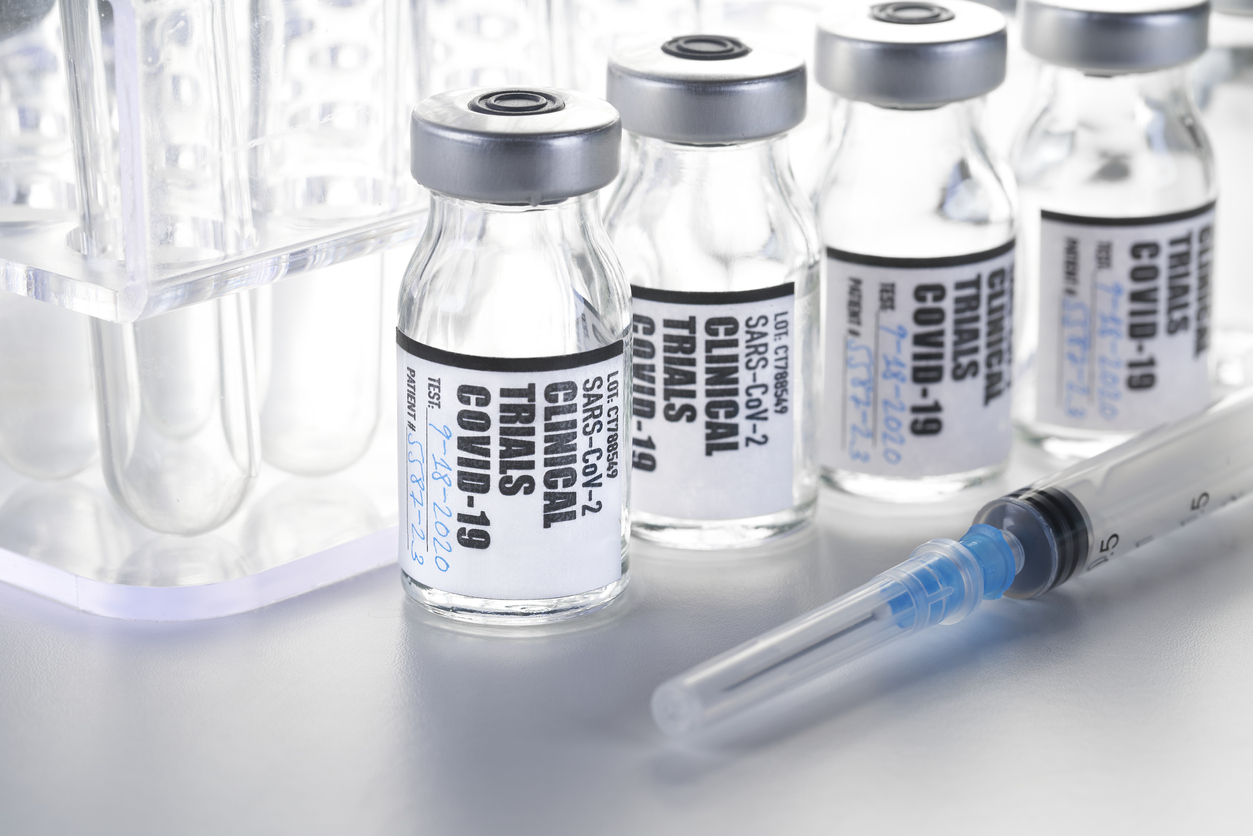
Moderna's results are on top of last week's Pfizer's results that showed its vaccine candidate was more than 90% effective.

Moderna says about 20 million doses will be available in the United States by the end of this year, and have between 500 million a 1 billion doses worldwide in 2021.

The company says it will apply for Emergency Use Authorization with the U.S. Food and Drug Administration within the coming weeks.

Vaccine results

During Moderna's late-stage trials, 15,000 study participants were given a placebo, which is a shot of saline that has no effect. Over several months, 90 of them developed COVID-19, with 11 developing severe forms of the disease.

Another 15,000 participants were given the vaccine, and only five of them developed COVID-19. None of the five became severely ill.

Moderna says its vaccine did not have any serious side effects. A small percentage of those who received it experienced symptoms such as body aches and headaches.

The vaccine is not only more effective than Pfizer's vaccine, but it can be stored for up to six months when stored at standard freezer temperatures of -4 degrees Fahrenheit, compared to the -94 degree temperatures required for the Pfizer vaccine. 

Both vaccines are using messenger RNA, or mRNA to produce an immune response in the vaccine.

The mRNA vaccine approach uses genetic material called mRNA to trick cells into producing bits of protein that look like pieces of the virus. The immune system learns to recognize and attack those bits and, in theory, would react fast to any actual infection.

Vaccine potential great news for Royal Caribbean

While the cruise industry's attempt to restart operations does not rely on a vaccine, it certainly will do nothing but help their cause.

Royal Caribbean Group Chairman and CEO Richard Fain spoke on Monday about the "transformational" progress being made on the vaccine front.

"The most at risk Americans will be vaccinated first, and then it will spread throughout our population."

"I noticed that Dr. Fauci said he believes that any American who wants one will be able to get an inoculation by April of next year. That's exciting news."

While it waits for a vaccine, the cruise industry will rely on a multi-faceted approach to mitigate risk by relying on social distancing, reduced ship capacity, and 100% testing of everyone onboard.

Congress members ask CDC to bring back the No Sail order cruise ship ban

In:
13 Nov 2020

A United States Senator and Representative sent a joint letter to the head of the U.S. Centers for Disease Control & Prevention (CDC) asking them to reinstate the ban on cruise ships from the United States.

The Senators felt obliged to act following a high profile situation developing with a small luxury yacht cruise line that encountered a few passengers testing positive for COVID-19 while onboard.

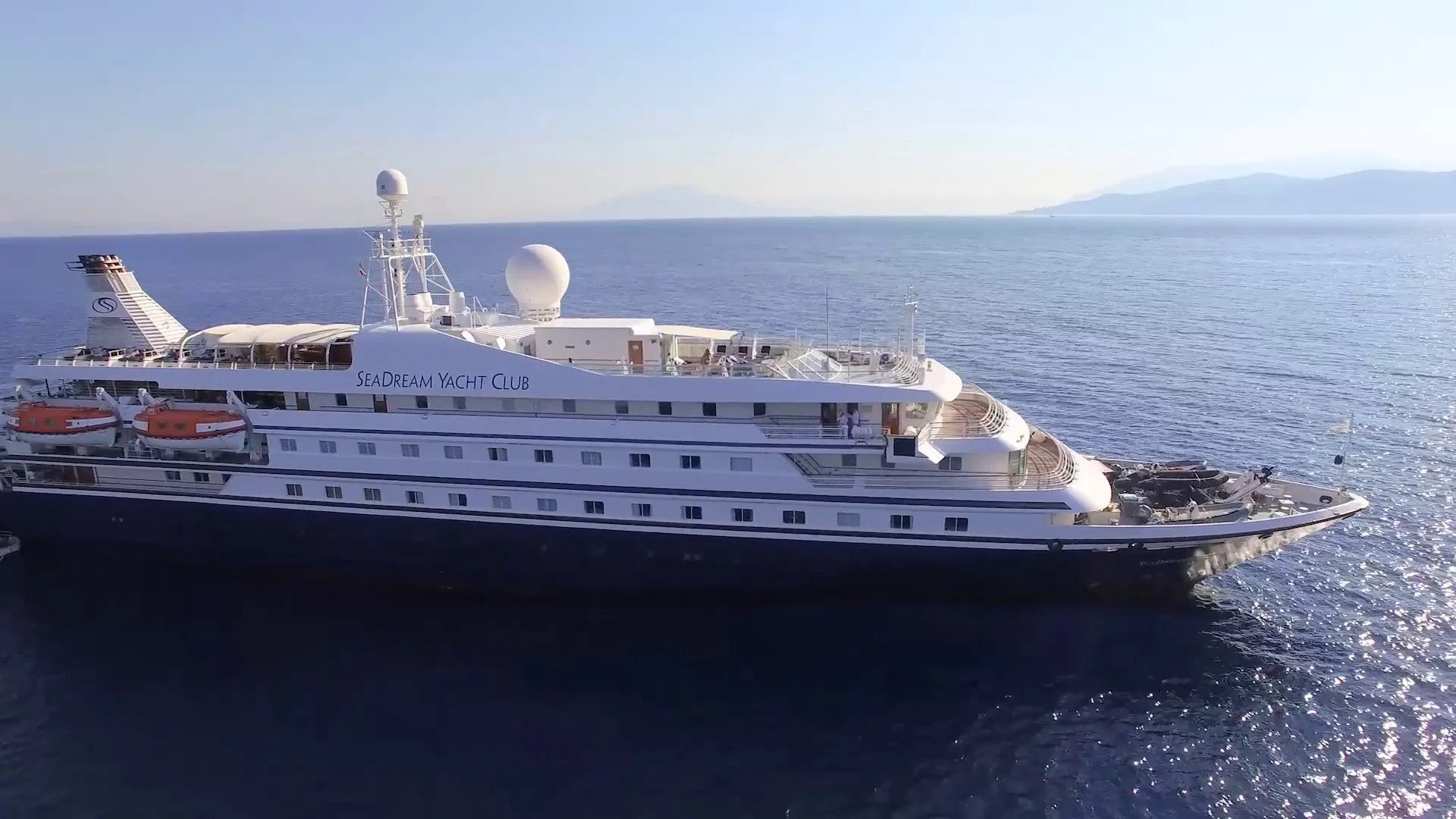
U.S. Representative Doris Matsui (D-CA) and Senator Richard Blumenthal (D-CT) sent the letters after seeing the SeaDream 1 cruise ship report about 5 positive cases a few days after the ship departed Barbados.

The letter was sent to CDC Director Robert R. Redfield, and implored him to bring back the cruise ship ban.

"We write with urgent concern surrounding recent reports of multiple confirmed positive COVID-19 cases on board the first cruise ship to carry passengers in the Caribbean since  countries around the world imposed strict limitations on operations in mid-March."

The Senators feel the time is simply not right for cruises to restart with the pandemic still a major threat across the United States, and around the world.

"The order set out a seemingly robust and phased approach to restarting cruise line operations, but we have serious concerns that – even with the additional requirements and standards – cruising is simply unsafe during a global pandemic."

At the end of October, the CDC lifted the No Sail Order ban on cruise ships, and replaced it with the Framework for Conditional Sail Order (CSO), which set up a series of requirements for cruise lines to meet before getting approval to sail again.

On Wednesday, SeaDream Yacht Club announced that a passenger on board one of its ships had preliminarily tested positive for COVID-19. Last night, reports confirmed several other cases aboard the ship and that at least five people aboard have tested positive for coronavirus after undergoing additional screening.

Cruise industry insider Stewart Chiron called the letter "uninformed, political grandstanding", noting the enormous double standard the cruise lines are held to while so many other aspects of travel and life in the United States are completely unregulated for COVID-19 concerns.

Senator Blumenthal took to Twitter as well to share his concern that cruises returning have fulfilled, "our worst fears."

Royal Caribbean cancels January 2021 Australia and New Zealand cruises

In:
10 Nov 2020

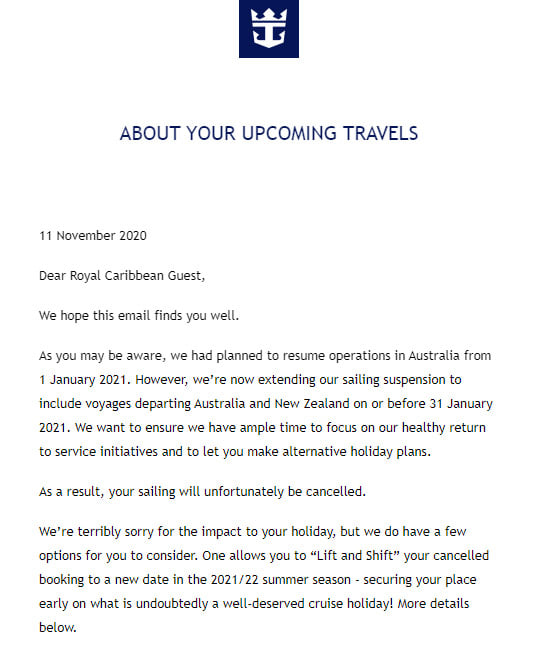
Royal Caribbean announced it has cancelled its Australia and New Zealand cruises on or before January 31, 2021.

Guests on affected sailings in January have begun receiving emails to inform them of the change.

The new set of cancellations applies only to sailings out of Australia and New Zealand through January 31, 2020.

Royal Caribbean had planned to resume cruises on January 1, but announced it had to cancel the cruises to prepare for its new health protocols.

"We want to ensure we have ample time to focus on our healthy return to service initiatives and to let you make alternative holiday plans."

"Royal Caribbean International will be extending our suspension of sailings, beyond that of the Australian government’s, to include sailings departing Australia and New Zealand on or before 31 January 2021. This is to allow guests booked on January sailings to make alternative holiday arrangements."

Guests who were booked on affected sailings will receive emails with compensation offers and choices of what to do.

The email to guests also thanked them for their understanding.

"We appreciate your patience, understanding, and continued loyalty. We will all come out of this stronger than ever. Stay healthy and safe. We miss our guests, and we’ll be ready to welcome you back soon."

Guests on the now cancelled cruises have the choice of three compensation offers:

125% Future Cruise Credit

125% Future Cruise Credit to book a new cruise by December 31, 2021 for sailings on or before April 30, 2022.

The FCCs will be sent via email by by December 18, 2020.

Lift & Shift

Select next year’s sailing with the same itinerary type, sailing length, stateroom category, and within the same 4-week window of the original cruise date, and you can take your existing reservation and move it to next year.

You must decide to move to a new sailing by November 25, 2020. If not, we will automatically issue you a 125% Future Cruise Credit.

Refund

If you prefer a cash refund, you can do so by requesting this option on-or-before March 31, 2020.

You can expect their refund to the original form of payment within 45 days from the cancellation date. 

FCC Used to Purchase: If you purchased your January cruise using a Future Cruise Credit and opt for a refund, the FCC will be reinstated for future use, under its original terms.

Royal Caribbean stock surges after COVID-19 vaccine tests are more than 90% effective

In:
09 Nov 2020

If you own Royal Caribbean stock, today is a great start to your portfolio for the week.

Royal Caribbean, and the entire travel sector, saw enormous gains in pre-market trading that has continued through the day thanks to positive news about COVID-19 vaccine trials.

Pharmaceutical giant Pfizer said early data from its coronavirus vaccine shows it is more than 90% effective, which is better than expected results.

Royal Caribbean's stock was trading at around 25% higher than its opening price, and thee momentum started with pre-market trading nearly as soon as Pfizer made its announcement.

Not only did the news buoy Royal Caribbean's stock, but other cruise lines saw similar gains as well.  In fact, travel industry stocks across the board have seen large gains on Monday.

Vaccine test results

Pfizer says the interim analysis looked at the first 94 confirmed cases of COVID-19 among the more than 43,000 volunteers who got either two doses of the vaccine or a placebo.

It found that fewer than 10% of infections were in participants who had been given the vaccine. More than 90% of the cases were in people who had been given a placebo.

The vaccine is being developed with German partner BioNTech had an efficacy rate higher than 90% at seven days after the second dose, which means protection is achieved 28 days after a person begins vaccination. 

The vaccine requires two doses. 

The reason why the 90% mark is such good news is because the US Food and Drug Administration (FDA) said it expected at least 50% efficacy from any coronavirus vaccine.

In a press release, Pfizer said it plans to seek emergency use authorization from the FDA soon after volunteers have been monitored for two months after getting their second dose of vaccine, as requested by the FDA.

Pfizer said it anticipated reaching that marker by the third week of November.

Next steps for the vaccine

Phase 3 of Pfizer's vaccine trial has 43,538 people enrolled since July 27.  As of Sunday, 38,955 of the volunteers have received a second dose of the vaccine.

42% of international trial sites and 30% of US trial sites involve volunteers of racially and ethnically diverse backgrounds.

The final goal of the trial is to reach 164 confirmed cases of coronavirus infection.

Pfizer's approach relies on a new technology called messenger RNA, or mRNA, to produce an immune response in the vaccine.

The mRNA vaccine approach uses genetic material called mRNA to trick cells into producing bits of protein that look like pieces of the virus. The immune system learns to recognize and attack those bits and, in theory, would react fast to any actual infection.

It is not clear yet if this vaccine will become a yearly or season shot, as it is not clear if the vaccine will provide long-term protection.

Royal Caribbean not counting on vaccine yet

While the vaccine may prove to be a major weapon in the arsenal for combating COVID-19, Royal Caribbean's plans to restart cruises do not hinge on the vaccine quite yet.

Royal Caribbean Group Chairman and CEO Richard Fain expects tests to have a greater impact on cruises than the vaccine in the short term.

"The advances are so significant that I believe in the near term we will see more benefit from testing than we will from vaccines in the near term."

Fain thinks the impact of a vaccine will take time, and in the meantime, new and better testing will make a quicker difference.

"Vaccines are the ultimate weapon against this virus and their development has been nothing short of amazing. But I do think it's likely that a vaccine will be available before the end of the year. But getting enough for widespread distribution is going to take probably until sometime in the spring."

"On the other hand, faster, cheaper and widespread testing will be much more impactful, much sooner. Widespread testing enables contact tracing, and it's the one two punch of testing and contact tracing that is so effective in limiting the community spread of the disease."

Subscribe to Coronavirus