
Cruise industry announces it will extend voluntary suspension of cruises through December 2020

In:
03 Nov 2020

Royal Caribbean announced it has cancelled its December 2020 cruises in North America, and the entire cruise industry will be doing the same thing.
Cruise Lines International Association (CLIA), which is the industry group representing 95% of cruise lines (including Royal Caribbean), announced on Tuesday it is extended its Voluntarily Extend Suspension of U.S. Operations through December 31, 2020.

In a statement to the media, CLIA indicated the extension was needed for cruise lines to prepare to meet the rigorous health standards needed to restart cruises.

CLIA members will use the remainder of the year to prepare for the implementation of extensive measures to address COVID-19 safety with the guidance of outside public health experts and the U.S. Centers for Disease Control and Prevention (CDC).

"As we continue to plan for a gradual and highly-controlled return of cruise operations in the U.S., CLIA members are committed to implementing stringent measures to address COVID-19 safety, including 100% testing of passengers and crew, expanded onboard medical capabilities, and trial sailings, among many others." 

"We share a common goal with the U.S. Centers for Disease Control and Prevention (CDC) to protect public health, which has been affirmed and reaffirmed consistently throughout the industry’s response to the global pandemic.  As we work to operationalize a path forward, our members have agreed to extend our existing suspension of U.S. operations through December 31.  This action will provide additional time to align the industry’s extensive preparation of health protocols with the implementation requirements under the CDC’s Framework for Conditional Sailing and Initial Phase COVID-19 Testing Requirements for Protection of Crew."

"We recognize the devastating impact that the pandemic continues to have on the 421,000 Americans whose livelihoods are connected directly to cruise operations. We will work with urgency to advance a responsible return to cruising while maintaining a focus on effective, science-based measures to protect public health."

CLIA also noted the significant economic impact cruises have on the American economy.

"The cruise industry is a vital economic artery in the United States, generating over $53 billion in annual economic activity and supporting 421,000 American jobs spanning almost every sector. Each day without cruise operations in the U.S. results in nearly 1,000 American jobs lost."

"From mid-March through today, it is estimated that the suspension of cruise operations has resulted in a loss of more than $25 billion in economic activity and over 164,000 American jobs."
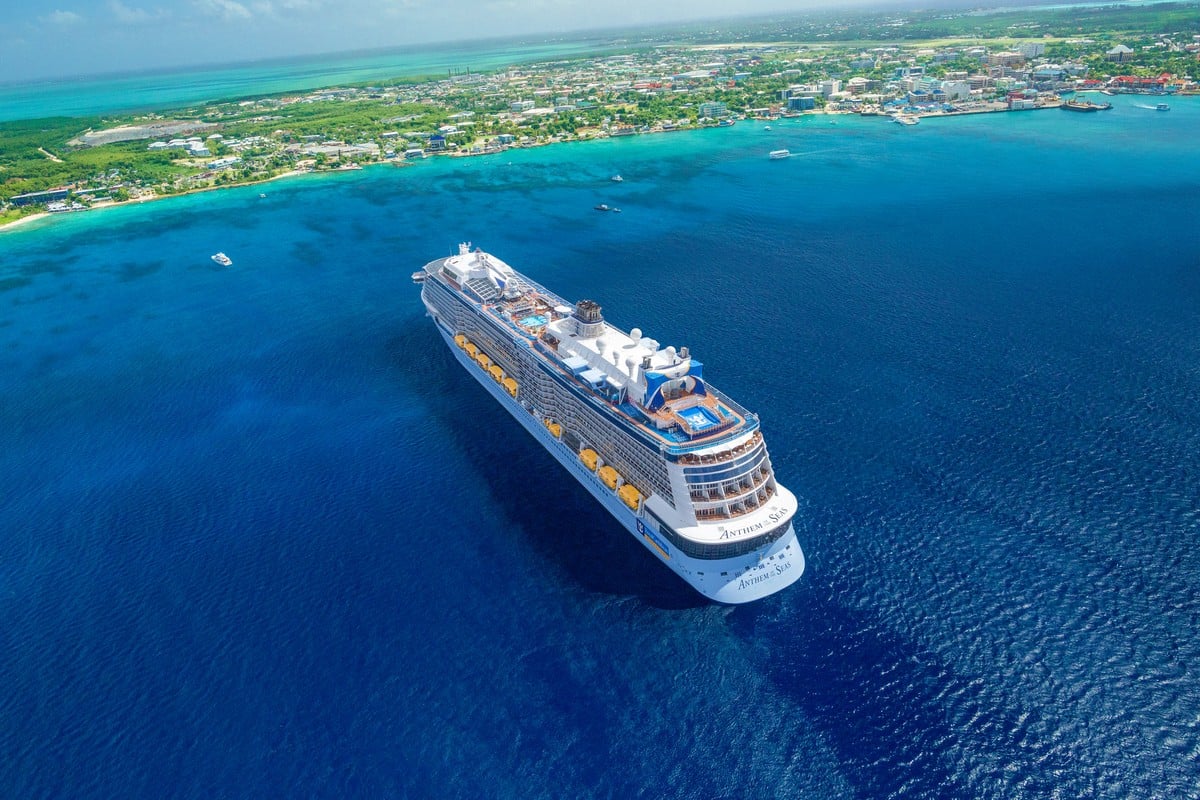
Yesterday, Royal Caribbean Group, Norwegian Cruise Line Holdings, Carnival Corporation and MSC Cruises all announced independently that they would cancel their December cruises in the United States. 

Preparing to cruise again

While the CDC has opened the door for cruises to start again, there are many requirements imposed on the cruise industry to demonstrate it can be achieved safely.

Following a months-long planning process with the support and guidance of leading public health experts, Royal Caribbean and all cruise lines are taking this extra time to prepare to operationalize enhanced public health procedures.

Before cruises can fully resume, the CDC has outlined a series of steps that need to occur before cruise ships can begin taking passengers onboard.

The Framework for Conditional Sailing requires cruise lines to establish safety and testing protocols for crew members, conduct a series of test sailings, and then request approval to sail with paying passengers.

The CDC believes these new regulations and check points are needed to "prevent the further introduction, transmission, or spread of COVID-19 via cruise ships globally and into U.S. communities."

Bittersweet news
Most cruise fans understand the need by the cruise lines to prepare for all of these new rules, but many believe the CDC has created extremely difficult goals to attain.

On the RoyalCaribbeanBlog message boards, the topic has been discussed at great lengths and whether or not the new Conditional Sail Order is fair.

Tanner believes the new rules are simply too ambiguous, "The biggest lack of clarity is in terms of what will be considered cruising safely. Will the CDC view one case of Covid-19, a statistical outbreak, or failure to adhere to meet the standards as the end all be all. Clearly, not following rules will result in one line being shut down but will it shut down the industry."

Twangster shared he believes the new order is simply a stop-gap measure, "I think the CDC is buying time hoping for a new administration that will accept their findings without interference."

Worst yet, many readers seem to think the first sailings may still be many months away, such as jaullram, "I unfortunately, don't see how sailings will begin until February or March at the earliest."
Royal Caribbean cancels December 2020 cruises while preparing to restart

In:
02 Nov 2020

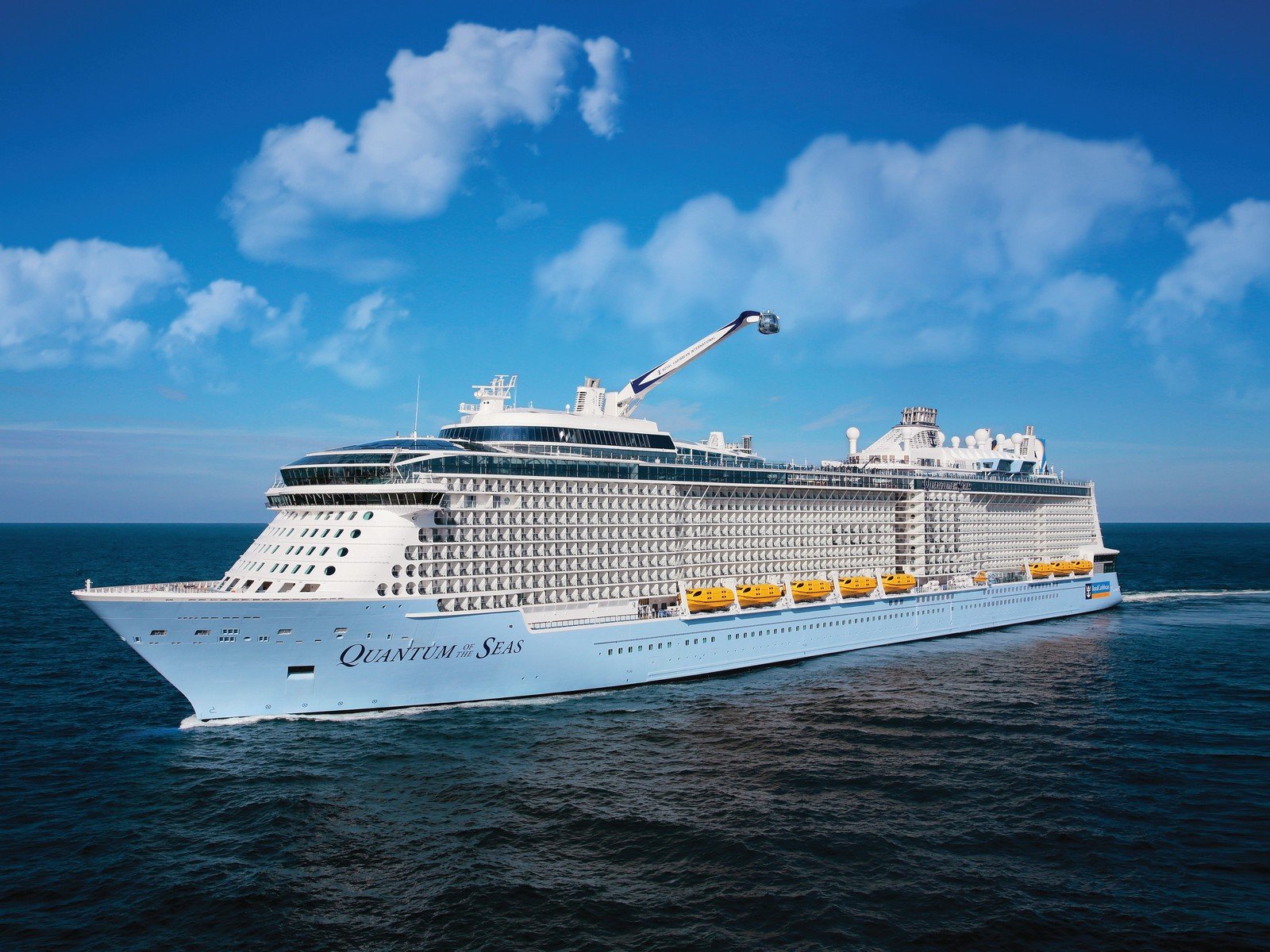
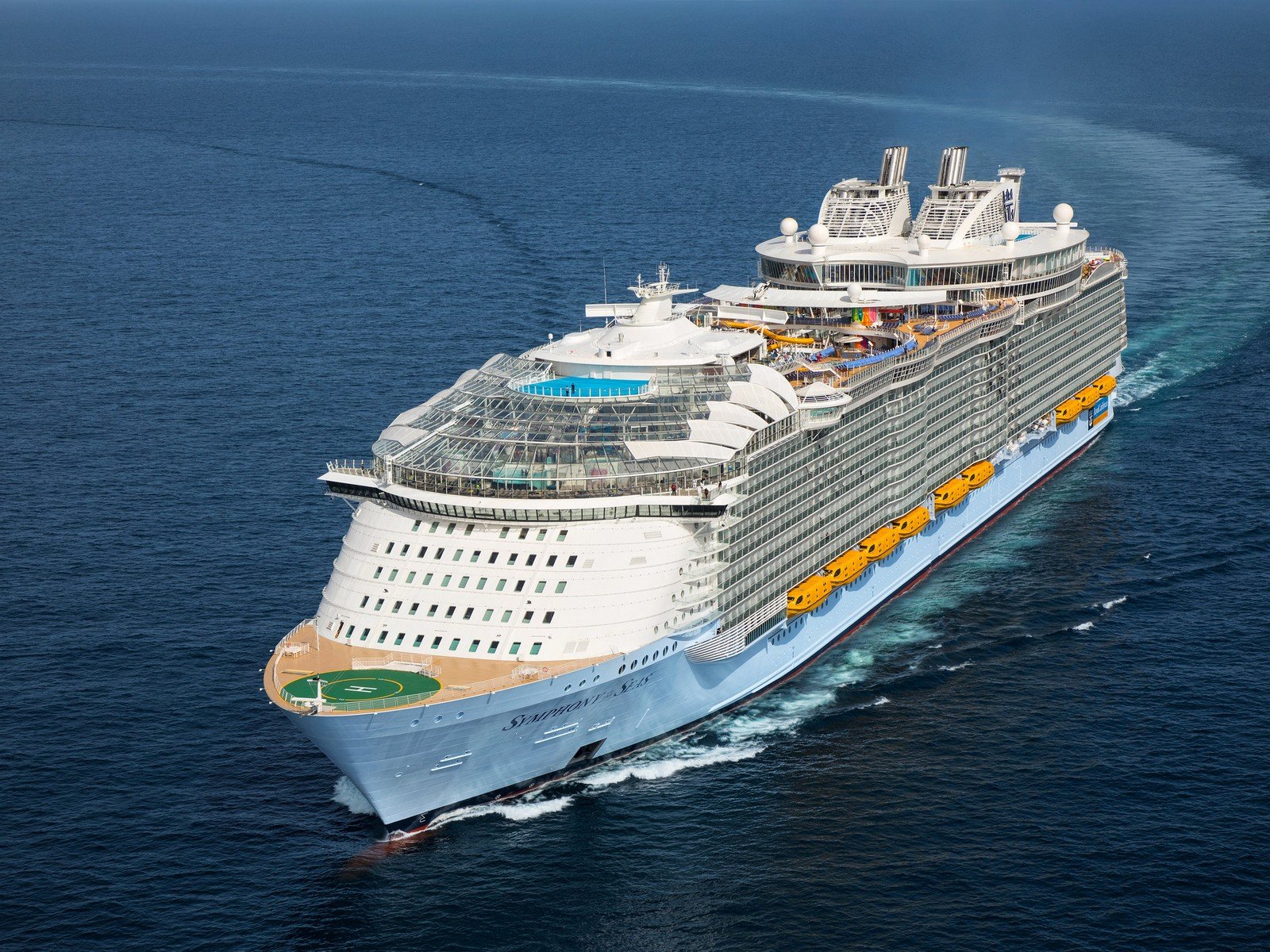
Royal Caribbean announced on Monday it would cancel its December 2020 cruises (excluding Quantum of the Seas in Singapore) while the cruise line prepares to restart cruise operations.

While the U.S. Centers for Disease Control (CDC) lifted the No Sail order, the new regulations and requirements imposed on the cruise industry to be able to restart simply means Royal Caribbean needs more time to meet the new requirements.

In a statement to travel agents, Royal Caribbean said the cancellations were necessary to prepare for restarting cruises, "We are eager to welcome our guests back onboard while keeping their safety, as well as that of our crew members, our number one priority. We’re committed to taking the time needed to do things right"

"We plan to utilize this time to thoroughly train our staff and crew on our new health and safety protocols, while also conducting a number of trial sailings to stress-test these measures in real-world conditions."

"We will continue to work closely with the CDC and the Healthy Sail Panel as we take this next step and solidify our action plan."

Cruise operations had been suspended through the end of November, but will now be extended an additional month.

Read moreWhat you should do now that Royal Caribbean cancelled your cruise

Compensation

Guests affected by the cancelled cruises between December 1 - 31, 2020 have three options for compensation.

Lift & Shift: Select next year’s sailing with the same itinerary type, sailing length, stateroom category, and within the same 4-week window of the original cruise date, and you can take your existing reservation and move it to next year.Option expires on November 13, 2020.

125% Future Cruise Credit: To account for the inconvenience this has caused, guests are eligible for a 125% Future Cruise Credit (FCC) that is based on the total cruise fare paid at the guest-level if neither of the other options is selected.

Taxes and fees, as well as any pre-purchased amenities or onboard packages will be automatically refunded to the original form of payment within 45 days from the cancellation date. 

If you previously opted to take advantage of our Cruise with Confidence policy, the 100% FCC will stand, and this new option is ineligible.

Additionally, if you redeemed your Cruise with Confidence Future Cruise Credit on a sailing that is now cancelled, their original FCC will be reinstated, plus 125% of any amount paid by the guest on the cancelled reservation.

Refund: If you prefer a cash refund, you can do so by requesting this option on-or-before December 31, 2020.

You can expect their refund to the original form of payment within 45 days from the cancellation date. 

If you redeemed a Cruise with Confidence Future Cruise Credit on an impacted sailing and would now prefer a refund instead, Royal Caribbean will process this request in the amount of any new funds paid above the original certificate and, in turn, will reinstate the Cruise with Confidence FCC for future use.

Cruise Planner Purchases: If you had purchased any cruise add-ons, such as shore excursions, drink packages, wifi and more, you could opt to convert your Cruise Planner purchases  to an Onboard Credit valued at 125% of the total amount paid. This offer expires on November 13, 2020.

Time needed to be able to restart

Unlike all of the other cancellations Royal Caribbean has made up until this point, this new round of cancelled cruises is for a different reason.

Rather than being prohibited by the CDC from sailing at all, the pathway for cruises to restart as opened, and Royal Caribbean is working on satisfying the CDC's stringent rules.

Before cruises can fully resume, the CDC has outlined a series of steps that need to occur before cruise ships can begin taking passengers onboard.

The framework for conditional sailing is meant to potentially allow cruise ships to sail again while not putting the public health at risk.

There are three key phases to Royal Caribbean being able to restart cruises:

  1. Testing crew members
  2. Simulated cruises to test out new protocols
  3. Apply for a Conditional Sailing Certificate

In order to meet the needs of the CDC, Royal Caribbean has adopted the recommendations of the Healthy Sail Panel's 74 recommendations.

Royal Caribbean has expressed it can operate in a safe manner, and is eager to prove the Healthy Sail Panel recommendations can work effectively.

The framework for sailing again is not simple, and the CDC admits the rules can change in terms of what is needed to get cruise ships operating again from the United States.

It is not clear yet how long it will take before Royal Caribbean (or any cruise line) can receive permission to offer cruises, but clearly Royal Caribbean feels more time is needed to get it right.

While many cruise fans are very eager for cruises to resume, Royal Caribbean Group executives were insistent that they while they are equally eager to resume operations, they will only do so when it is safe to do so.

"But it's fair to say that there is still a lot of uncertainty against this backdrop, " Royal Caribbean Group Chairman and CEO Richard Fain said during a conference call with investors in August. "We will not rush to return to service until we are confident that we have figured out the changes that we must make to offer our guests and crew strong health and safety protocols with the enjoyable experience that they rightly expect."
"We believe that our health is healthy. Return to service program will help get us there."
CDC lifts cruise ship ban and allow phased approach for cruises to sail again

In:
30 Oct 2020

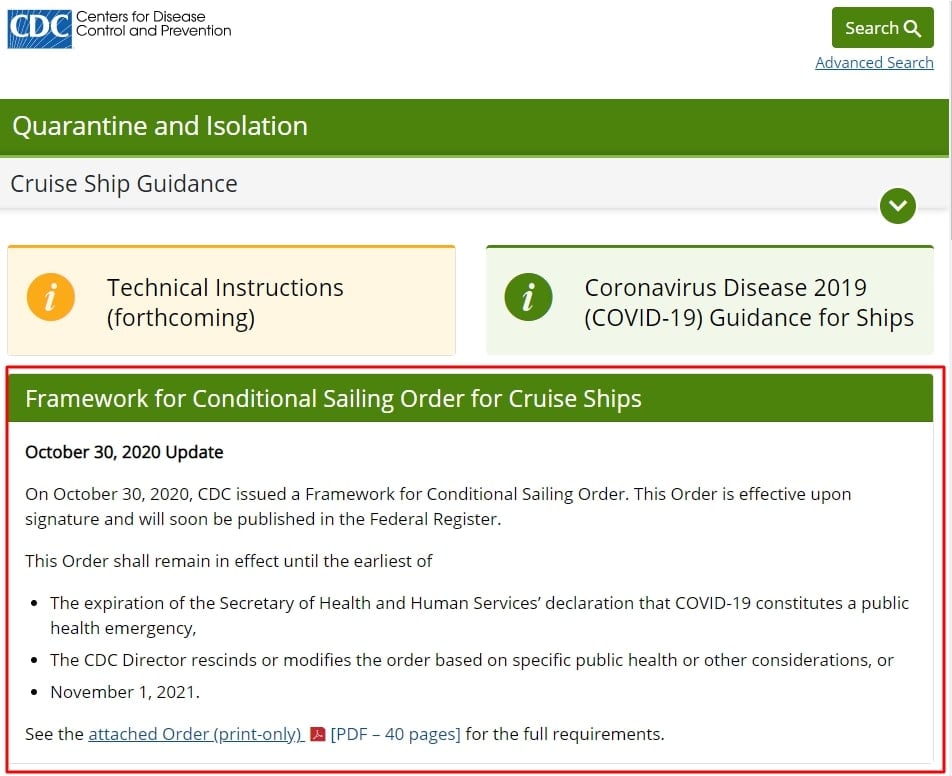
The U.S. Centers for Disease Control (CDC) announced on Friday it will begin allowing cruise ships to restart cruises.

The CDC announced following the expiration of the No Sail order on October 31, the agency will take a "phased approach to resuming cruise ship operations in U.S. waters."
The Conditional Sailing Order for Cruise Ships will encompass a few phases:

  1. Testing and additional safeguards for crew members
  2. Simulated voyages to test cruise line ability to mitigate virus spread onboard
  3. Phased return to cruise ship passenger voyages

These phases are subject to change based on public health considerations and cruise ship operator's demonstrated ability to mitigate COVID-19 risk.

In addition, the Conditional Sailing Order announced new requirements for initial phases relating to crew testing.

"The Centers for Disease Control and Prevention (CDC), a component of the U.S. Department of Health and Human Services (HHS), announces this framework for a phased resumption of cruise ship passenger operations. Considering the continued spread of COVID-19 worldwide and increased risk of COVID-19 on cruise ships, a careful approach is needed to safely resume cruise ship passenger operations. CDC is establishing requirements to mitigate the COVID-19 risk to passengers and crew, prevent the further spread of COVID-19 from cruise ships into U.S. communities, and protect public health and safety. After expiration of CDC’s No Sail Order (NSO) on October 31, 2020, CDC will take a phased approach to resuming cruise ship passenger operations in U.S. waters."

While the No Sail order expires on October 31, Royal Caribbean has already cancelled all of its sailings through November 30.

Ending the cruise ship ban

The announcement that the CDC will lift the cruise ship ban comes after 7 months of the No Sail order prohibiting cruise lines from operating in U.S. waters.

Royal Caribbean has been shutdown since mid-March, and the No Sail order has been a major obstacle to any restart plan in North America.

Royal Caribbean Group and Norwegian Cruise Line Holdings teamed up over the summer to come up with a comprehensive and multi-layered approach to allow cruise ships to operate safely, through the efforts of a blue ribbon panel of scientists.

The Healthy Sail Panel has developed its own set of 74 detailed steps to safeguard the health of guests, crew and communities.

Recommendations include testing, the use of face coverings, and enhanced sanitation procedures on ships and in terminals. 

Healthy Panel co-chair Governor Mike Leavitt, former U.S. Secretary of Health and Human Services, specified exactly how in-depth their recommendations go.

"This Panel undertook an ambitious, cross-disciplinary, public health examination to develop standards and guidelines that create the highest level of safety in the complex environment of a cruise ship. We studied the industry’s experiences combating the pandemic – and we then incorporated the many lessons learned and advances made by medicine and science over the past six months. The Panel’s recommendations are grounded in the best scientific and medical information available and are intended to meaningfully mitigate public health risks to those who sail."

When will Royal Caribbean restart cruises?

Royal Caribbean has not announced any firm restart plan yet, but it is clear based on comments from executives what to expect.

Just yesterday, Royal Caribbean Chairman and CEO Richard Fain shared details of the cruise line's general approach to restarting cruises during a call with investors.

  1. Training crew
  2. A series of non-revenue sailings to rehearse and validate the new protocols
    1. This process will be carefully evaluated by independent outside observers
  3. Restart of cruises with a ship or two at first, the more ships later in a "gradual and methodical way".

The first sailings will be short cruises at first, with limited destinations and controlled shore excursions.

Apart from cruises in the United States, Quantum of the Seas will begin cruises in December from Singapore and offer short cruises with no port stops.

Royal Caribbean Group Chief Financial Officer Jason Liberty also gave investors a preview of what it expects for cruises in Spring 2021 that largely mirror what Mr. Fain shared.

Mr. Liberty expects "a very limited initial return and a gradual ramp up during the first half of 2021."

Royal Caribbean anticipates short sailings the be the cornerstone of their return, and to offer these cruises from key drive markets in both the U.S. and Asia-Pacific regions.

CDC warns against worldwide travel on cruise ships

In:
26 Oct 2020

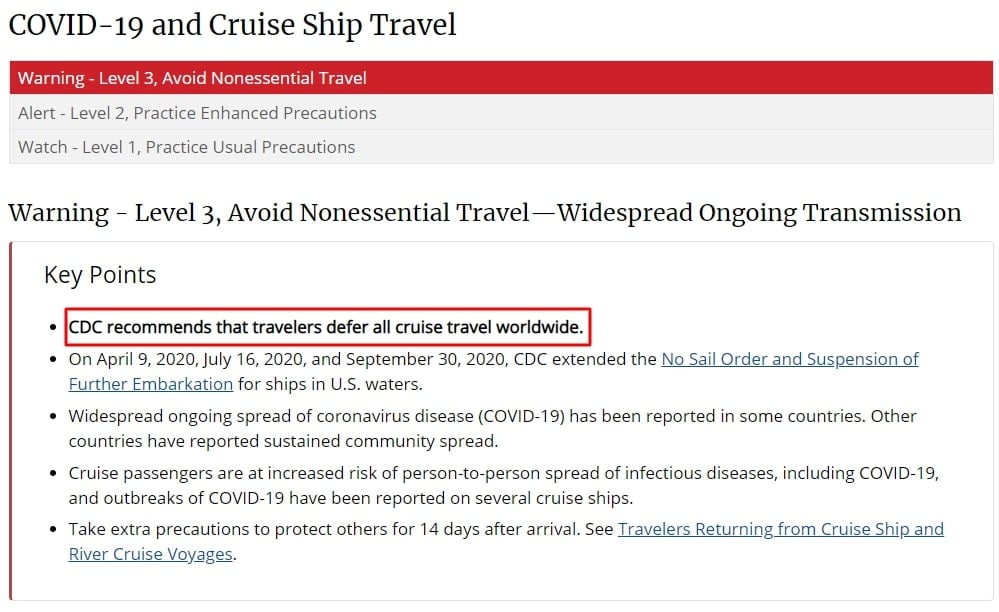
The U.S. Centers for Disease Control (CDC) updated its warning last week to travelers to defer all cruise travel worldwide.

The Level 3 warning was updated on October 21st due to, "widespread ongoing spread of coronavirus disease (COVID-19) has been reported in some countries. Other countries have reported sustained community spread."

The warning comes just days before the CDC will announce if the No Sail order that bans cruise ships from operating in North America will be lifted or extended.

The warning itself is not new, but rather an update to an existing warning the agency issued in the spring.

Thanks to CruiseHive for discovering this announcement.

Details on the warning

The CDC noted it typically does not post advisories for forms of transportation (trains, ships or airplanes), but because of the unprecedented nature of the novel coronavirus pandemic, and the increased risk of transmission of COVID-19 on cruise ships, the U.S. government is advising U.S. travelers to defer all cruise travel.

In addition to the CDC's warning, the agency recommends anyone with a cruise booked reschedule for a future date.

The rationale for the elevated warning is rooted in an increased risk of infection to passengers and crew members.

"As the COVID-19 pandemic continues, there remains a risk of infected passengers and crew on board cruise ships."

According to data from Johns Hopkins University, the United States reported more than 83,000 new infections on both Friday and Saturday after outbreaks in Sun Belt states, surpassing a previous record of roughly 77,300 cases set in July.

No update yet on No Sail order

The fate of the cruise industry remains hinged on what will happen to the cruise ship ban that has been in place since March.

Last month, the CDC took until just hours before the No Sail order was set to expire before extending it another 30 days.

A report that came out just days earlier indicated the CDC and the White House are fighting over how much longer the No Sail order should be extended.

Just like last month, there is no advanced warning when the CDC might announce anything and the cruise lines have not commented on possibilities either.

Healthy cruise plan

Over the last few months, Royal Caribbean and the entire cruise industry has been focused on coming up with a plan to keep passengers and crew safe, while operating crew ships.

The industry as a whole adopted a broad new set of health protocols that exceed the rules and regulations imposed by other sectors of travel, such as calling for 100% testing.

The Healthy Sail Panel that created these new rules is chaired by Governor Mike Leavitt, former U.S. Secretary of Health and Human Services, and Dr. Scott Gottlieb, former commissioner of the U.S. Food and Drug Administration.

Recommendations include testing, the use of face coverings, and enhanced sanitation procedures on ships and in terminals. 

The Healthy Sail Panel identified five areas of focus every cruise operator should address to improve health and safety for guests and crew, and reduce the risk of infection and spread of COVID-19 on cruise ships:

  • Testing, Screening and Exposure Reduction
  • Sanitation and Ventilation
  • Response, Contingency Planning and Execution
  • Destination and Excursion Planning
  • Mitigating Risks for Crew Members

In each category, the Healthy Sail Panel created practical and actionable recommendations to address specific safety concerns. Among the recommendations are key strategies such as:

  • Taking aggressive measures to prevent SARS-CoV-2 from entering a ship through robust education, screening and testing of both crew and guests prior to embarkation
  • Reducing transmission via air management strategies and enhanced sanitation practices
  • Implementing detailed plans to address positive infection on board, including contingencies for onboard treatment, isolation and rapid evacuation and repatriation
  • Closely controlling shore excursions
  • Enhanced protection for crew members

Furthermore, the CDC has been made aware of the panel and even invited to observe the planning and creation of procedures.

Royal Caribbean trademarks name for contact tracing wristband

In:
20 Oct 2020

The current health crisis has lead Royal Caribbean to file a new trademark for something that sounds like a contact tracing bracelet concept.

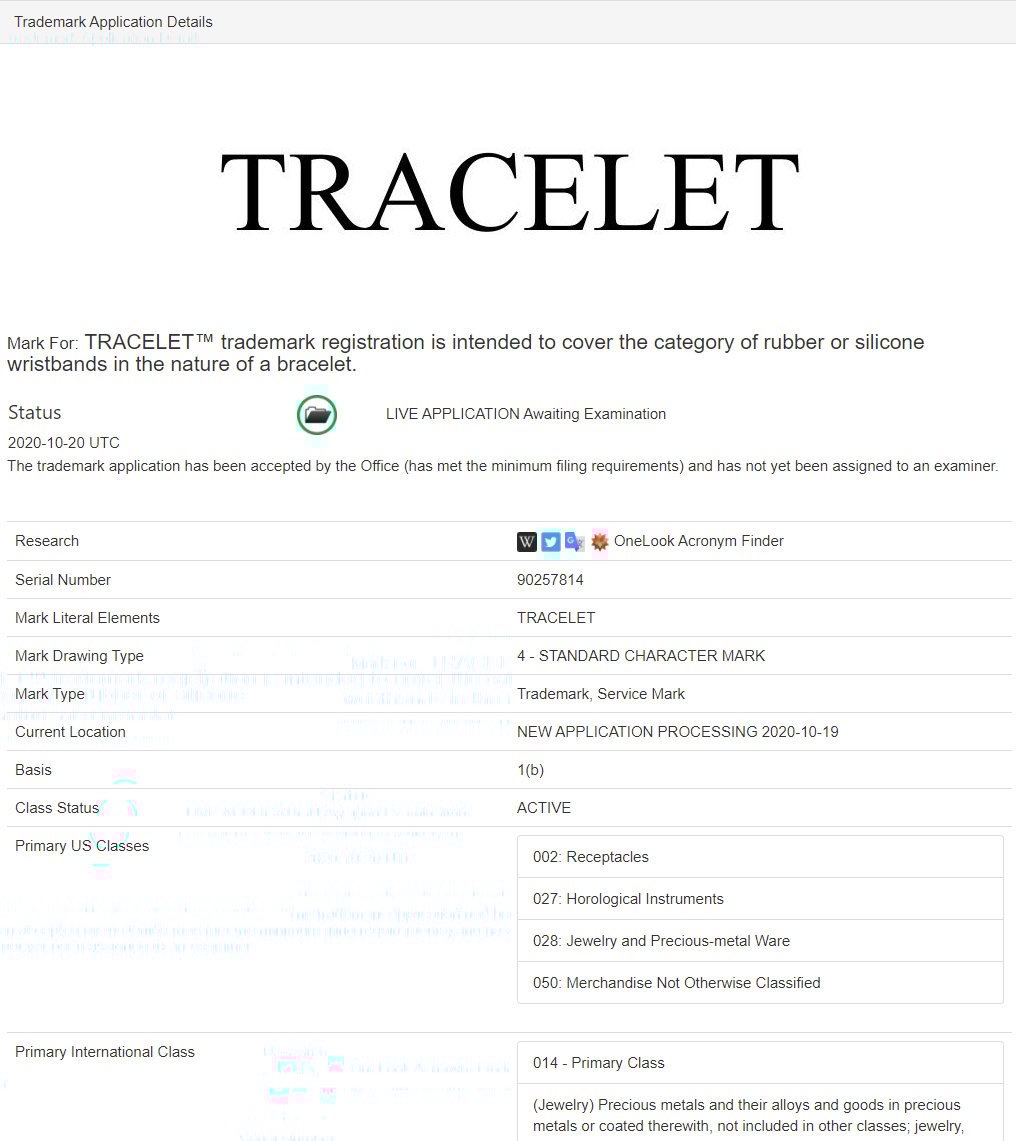
Royal Caribbean has filed a trademark application with the United States Patent and Trademark Office for "Tracelet".

The trademark lists the description of the trademark simply as:

A tracelet seems to be made of rubber or silicone, which is exactly the same material as the cruise line's WOWBands, which debuted in 2014 as RFID wristbands.

The exact purpose of a tracelet was not explained in the trademark, and it is not clear if it will be used for contact tracing at all.  The name seems to indicate it could be used for that purpose.

The trademark was filed on October 19, 2020, and is intended for cruise ship services. The trademark lists it as jewelry, as well as"Receptacles" and  "Horological Instruments".

Trademark applications usually quite vague in regard to their intended use, so it remains to be seen precisely how it will be used, if at all.

Royal Caribbean registed a trademark for its own brand of face mask, but ended up deciding not to do anything with it.

Wearable devices for all guests

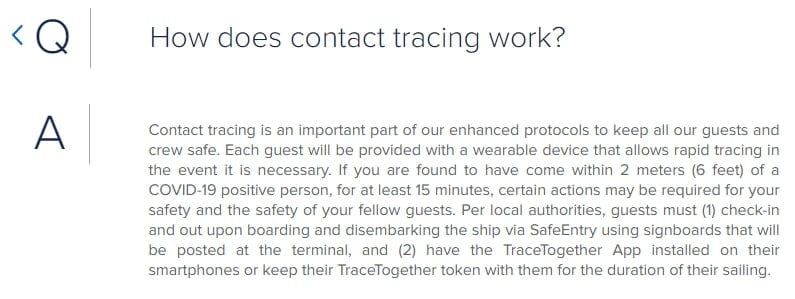
While the trademark is vague, Royal Caribbean's new rules clearly indicate that a wearable device will be provided to all guests.

"Contact tracing is an important part of our enhanced protocols to keep all our guests and crew safe. Each guest will be provided with a wearable device that allows rapid tracing in the event it is necessary."

Based on the description provided by Royal Caribbean, the device may work with the TraceTogether app

"The TraceTogether App installed on their smartphones or keep their TraceTogether token with them for the duration of their sailing"

Contact tracing part of new cruise protocols

Contact tracing is a major component to the cruise industry's plan to restart cruising, as outlined in the Healthy Sail Panel's 74 recommendations.

The blue ribbon panel of health experts recommended Royal Caribbean "identify all potential cases on board using robust contact tracing". Part of mitigating the spread of an infection onboard is to determine who else might have been exposed. Contact tracing is one of the critical methods of identifying who these individuals might be.

The Panel also made a recommendation to employ different methods of collecting contact tracing data, including "collecting potential exposure data from cruise line-provided wearable devices."

"Potential contact tracing methodologies include, but are not limited to: identifying guest location/exposure by pulling transaction data, collecting information about potential exposure from applications utilizing Bluetooth technology, collecting potential exposure data from cruise line-provided wearable devices, using video analytics and facial recognition to determine exposure risk, and conducting interviews with suspected cases."

It remains to be seen if tracelets will be those wearable devices, and how they will function, but the trademark indicates a potential direction for the cruise line in developing an overall strategy.

A look at Royal Caribbean's upgraded cruise ship facilities to combat COVID-19

In:
18 Oct 2020

When Royal Caribbean restarts sailings, its ships feature a variety of enhancements meant to contain, treat, and isolate any possible Covid-19 threats.

Royal Caribbean has introduced a wide array of new health protocols, which also include upgrades and enhancements to its cruise ships.

These improved facilities mean their cruise ships have never been safer for guests and crew to be treated while onboard.

Medical Centers

Part of Royal Caribbean's overall plan to mitigate the threat of COVID-19 is to enahnce its onboard medical facilties.

The onboard medical care offers guests and crew members daily temperature checks, fast and free SARS-CoV-2 testing capabilities onboard, and complimentary in-stateroom medical evaluations.

Royal Caribbean has also added more doctors and nurses in their shipboard Medical Centers and enhanced our state-of-the-art equipment to provide high quality care.

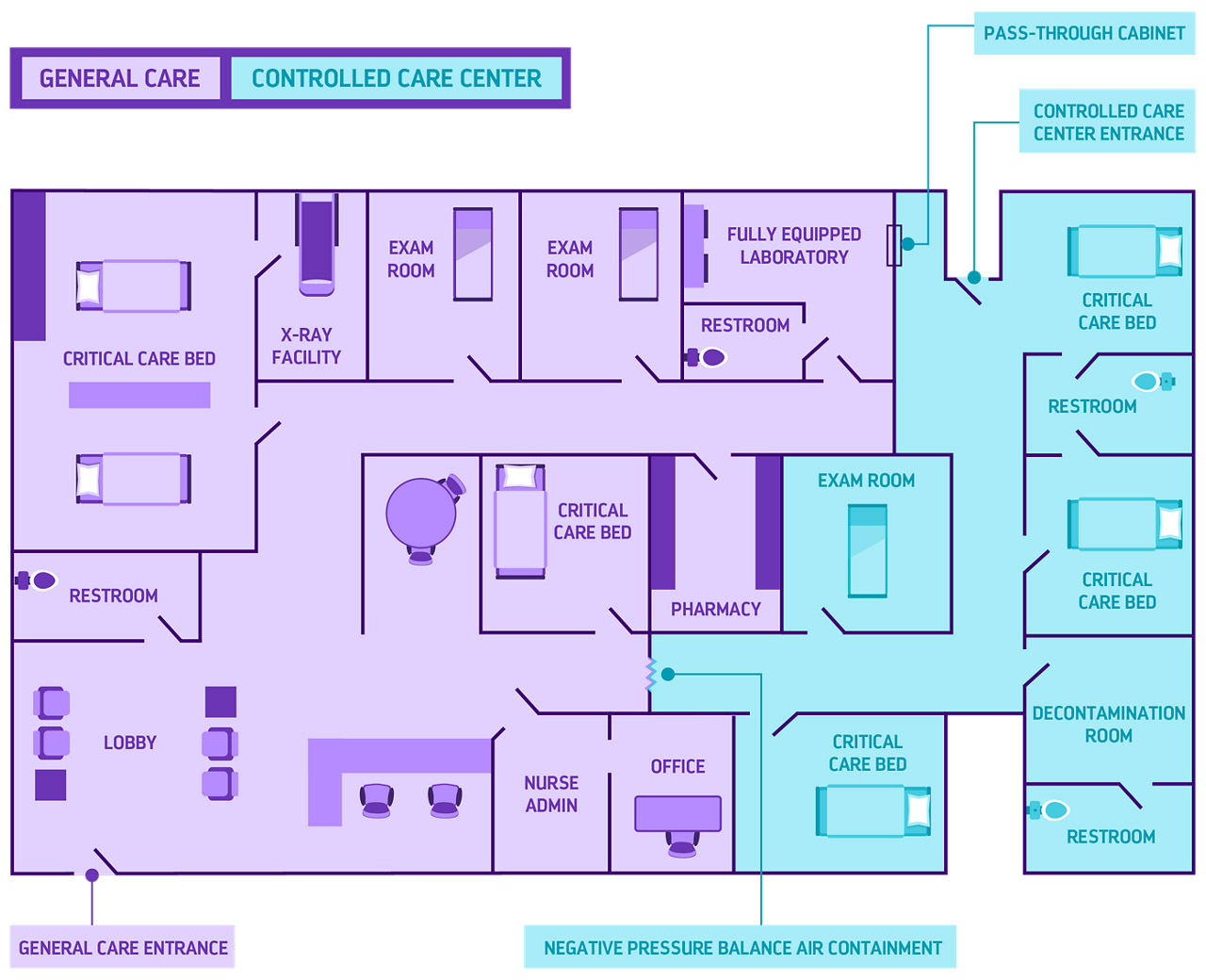
The medical center itself has been redesigned  into two separate zones, including a dedicated Controlled Care Unit for the management of infectious diseases. Each zone is equipped with its own entrance, critical care beds, restrooms, and lab collection.

Some of the upgrades include: 

Upgraded Medical Equipment

  • Hospital grade ventilators
  • Cardiac monitor
  • Central oxygen system
  • Nebulizers
  • Defibrillators and external pacemakers
  • EKGs

Therapeutic Treatments

  • Antibiotics including IV medications
  • Antiretroviral
  • Oxygen therapy

Comprehensive Laboratory

  • Large range of tests
  • Results provided onboard
  • Includes RT-PCR rapid testing for COVID-19

The staff onboard its ships are also highly specialized medical professionals. 

Each ship’s Medical Center is staffed by, at minimum:

2 Doctors

Specialized physicians with training in acute and intensive medical care, plus experience in Maritime Medicine.

4 Registered Nurses

One of these is the new Infection Control Officer, who ensures all applicable public health and disease control standards are met.

Additional support

If needed, your ship has access to supplementary medical personnel through Aspen Medical and our own internal pool of doctors.

Filtered and fresh air

Another major upgrade is the air filtration onboard that promises to deliver fresh air and filter the air onboard to avoid any possible pathogens circulating around the ship.

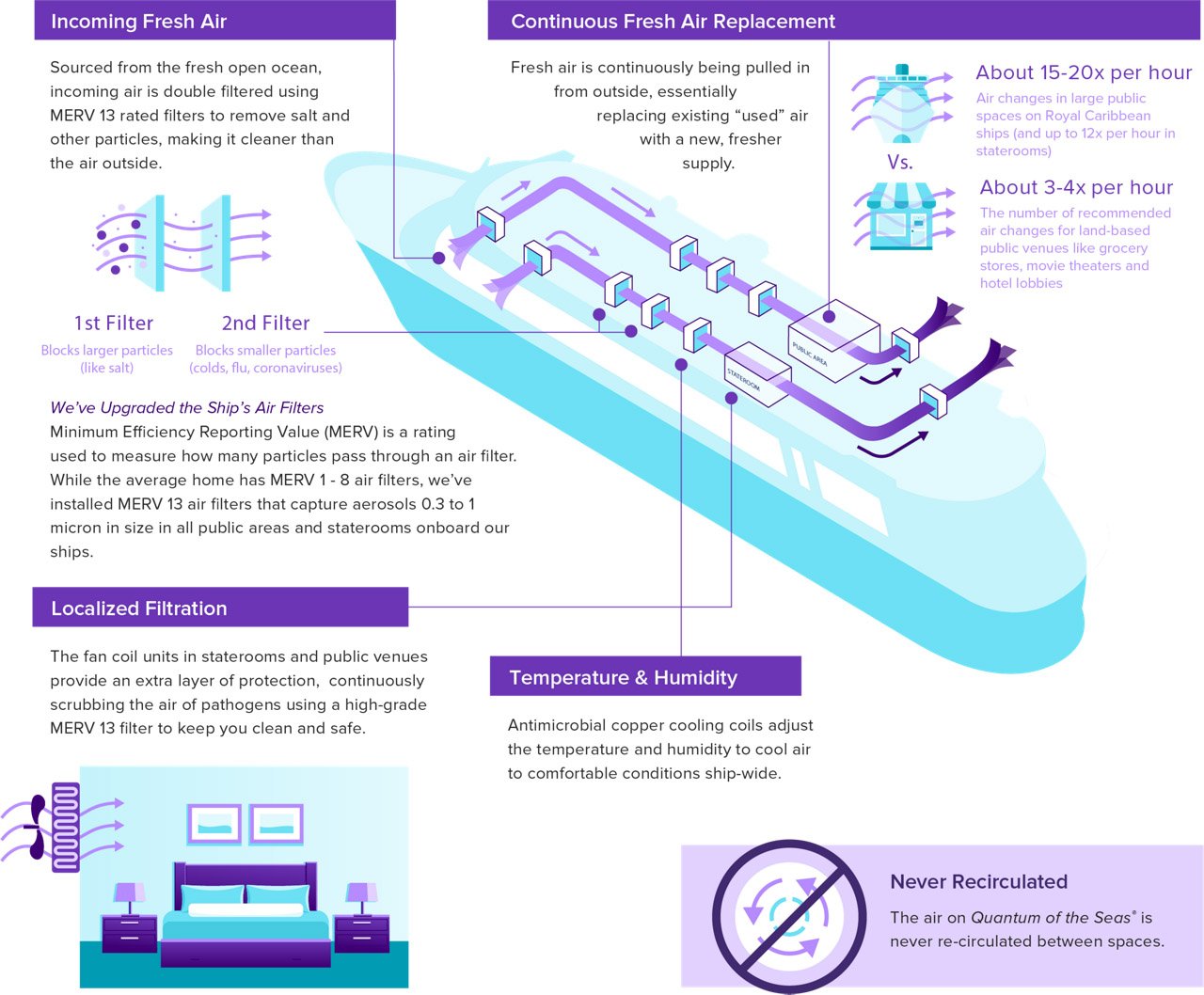
Every Royal Caribbean shipboard HVAC system continuously flows 100% fresh air from outdoors to your stateroom and public areas.

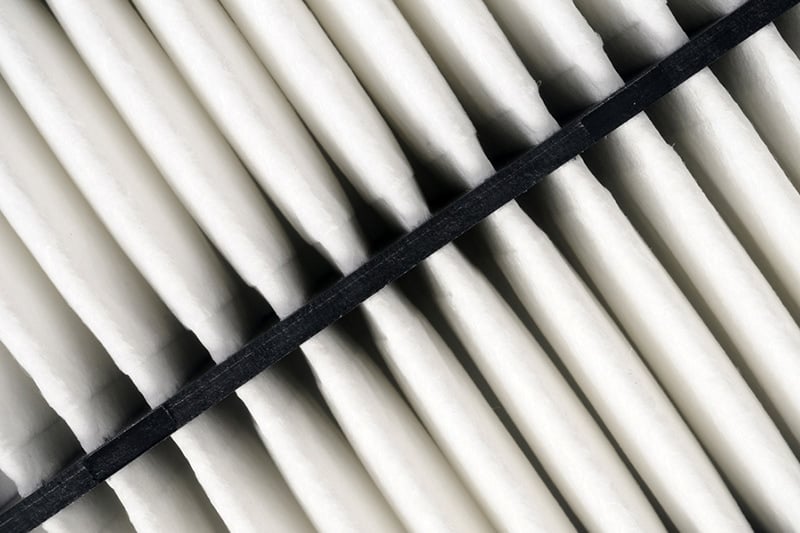
Upgraded MERV 13 filters capture aerosols 0.3 to 1 micron in size — fine enough to filter coronavirus, colds and flu.

How Royal Caribbean will circulate air on its cruise ships to protect against coronavirus

In:
14 Oct 2020

Due to the nature of how COVID-19 is spread, many cruisers want to know what Royal Caribbean will do to protect passengers from the airborne spread of the virus.

Specifically, they want to know how the air will be circulated and filtered onboard so that it is safe on their cruise ship.

Fresh ocean air

Royal Caribbean says its HVAC system continuously supplies 100% fresh, filtered air from outdoors to all indoor spaces.

The air is drawn from one side of the ship for cooling and ventilation, then removed via exhaust on the opposite side of the ship.

This continual intake of fresh air replaces the air in any space, with a total air change up to 12 times an hour in staterooms, and about 15 changes an hour in large public spaces.

In local spaces, like public venues and your stateroom, fan coil units provide an extra layer of protection, continuously scrubbing the air of pathogens, using a high-grade MERV 13 filter that captures aerosols 1.0 – 3.0 microns in size with 90% efficacy— fine enough to filter colds, flu germs, and coronavirus.

How they tested this approach

If you are wondering how Royal Caribbean could know this solution would keep guests safe, they had an independent assessment conducted by the University of Nebraska Medical Center.

A bioaerosol assessment was done on Royal Caribbean's Oasis of the Seas.

This study involved releasing billions of 1µ aerosol-sized microspheres, each containing uniquely DNA barcoded inert virus surrogate, throughout the ship at certain pre-selected spaces (i.e., crew cabins, guest staterooms, and adjacent public spaces including the casino, Studio-B & Disco/Lounge) to determine the efficiency and effectiveness of the vessel’s indoor air management strategies, as well as to understand the spread of the aerosols through the HVAC system and in between the adjacent private and public spaces.

The University of Nebraska Medical Center study found that to clear the virus droplets from the air in about an hour, they needed to use an HVAC system that changed the air in the room at least 6 times or more and used a filter with a MERV rating of 13.

The MERV rating of a filter refers to how much it can filter particles in the air, with a higher number meaning a higher level of filtration.  The MERV ratings range between 1 and 20. A MERV rating of 13-16 is considered hospital level air quality.

This study confirmed that cross-contamination of air between adjacent public spaces is extremely low, and undetectable in most test cases, thanks to this powerful system.

Keeping air inside the ship safe

In addition to the study conducted, as well as the new policies announced by the cruise line, the Healthy Sail Panel came up with 7 important things Royal Caribbean can do to manage indoor air and keep it clean.

  1. Enhance filtration – The Panel recommends that HVAC filters be upgraded to the highest level possible for each ship given the constraints of ship age and ventilation type (e.g., MERV 8 to MERV 13)
  2. Optimize airflow patterns – For example, the Panel recommends that cruise operators optimize airflow so that air is not recirculated; should air recirculation exist, given the HVAC system design, then the recirculated air must be filtered through a high-grade filter (i.e., MERV 13 or higher).
  3. Use negative pressurization – The Panel recommends that cruise operators ensure that SARSCoV-2 isolation rooms are consistently at negative pressure. This means that cruise operators should ensure that there is sufficient negative pressure that will not be affected by doors opening and closing or people walking by. This should be optimized given the constraints of ship age and ventilation type.
  4. Minimize unfiltered, recirculated air – Cruise operators should provide air exhausted to the outside and maximize air changes per hour and filtration of air in staterooms, crew rooms, and public areas.
  5. Increase number of air changes per hour in certain areas – The Panel recommends that cruise operators pay special attention to areas where individuals would be most vulnerable to airborne transmission, and that they should prioritize increasing the number of air changes per hour in those areas. More specifically, isolation rooms in medical facilities on board should have 6-12 air changes per hour, be at a negative pressure to the adjacent area, and have 100% air exhausted to the outside.
  6. Use portable HEPA filters (or other proven air cleaning systems) in congregate areas, as needed – Portable HEPA units have been shown to help reduce the level of airborne particles. This technology or other technologies that reduce the risk of airborne infection transmission may be used to augment other air management strategies.
  7. Maximize outdoor functions and physical distancing – The Panel recommends an overall emphasis on reducing indoor functions whenever possible, given that dilution is most achievable in outdoor settings. Further, cruise operators should ensure that guests understand that air management strategies do not negate the importance of following physical distancing protocols.

As you can see from these recommendations, many of the recommendations are incorporated in Royal Caribbean's robust system.

The cruise line believes its air circulation plan makes the transmission of aerosol particles between spaces (like those from a cough) "extremely low to virtually impossible".

Royal Caribbean gives business update on 2021 bookings, restarting & impact of shutdown

In:
13 Oct 2020

Royal Caribbean Group issued a business update in an SEC filing, as part of a financial disclosure tied to the offering of $1 billion in stock and senior convertible notes.

New bookings for 2021 have continued to improve over the last two months, although they are still below pre-Covid-19 levels.

Pricing for 2021 bookings is relatively flat year-over-year when including the negative yield impact of bookings made with future cruise credits; it is slightly up year-over-year when excluding them. 

As of June 30, 2020, the Company had approximately $1.8 billion in customer deposits. The Company believes that the customer deposits balance is not materially different as of September 30, 2020 as compared to the June 30, 2020 balance. Approximately 50% of the guests booked on cancelled sailings have requested cash refunds.

Restarting cruises

In terms of being able to restart cruises in 2020, the disclosure also touched upon the confidence level the company has right now.

Royal Caribbean Group says it remains "optimistic that we will be able to commence commercial sailings in 2020; however, we can provide no assurance that we will be able to return to service within such timeframe."

In addition, there has been no word from the U.S. Centers for Disease Control on what to expect in the future, "We have not been notified by the CDC of any intention to extend the current “no sail” order beyond the current specified outside date of October 31, 2020, and we currently have no further information as to when the CDC will respond to our recommendations or make any announcement."

In terms of getting crew members back home, the company also warned that shipboard crew were notified that their contracts would end early and they would be notified about new assignments when operations resume in the future. As a result of these actions, Royal Caribbean said they "may be challenged in rebuilding our workforce which could further delay our return to service."

Other impacts of the shutdown

The SEC filing did not pull any punches related to other business forecasts, such as what other fallout could occur from this prolonged shutdown.

One of the early steps Royal Caribbean took to conserve cash was the reduce capital spending, and Royal Caribbean Group said it has reduced their capital spending through 2021.

"We have reduced our planned capital spending through 2021, which may negatively impact our execution of planned growth strategies, particularly as it relates to investments in our ships, technology, and our expansion of land-based developments."

"Furthermore, we have taken actions to monitor and mitigate changes in our supply chain, and port destination availability, which may strain relationships with our vendors and port partners."

Of five ships originally scheduled for delivery between July 2020 and December 2021, Royal Caribbean expects that Silver Moon, Silver Dawn and Odyssey of the Seas will be delivered within the planned time frame.

The exact duration of the ship delivery delays is currently under discussion with the impacted shipyards.

Class action lawsuit

You may have read about a new class action lawsuit filed last week against Royal Caribbean Group that seek damages related to the decline in Royal Caribbean's stock in the early part of the global health crisis.

The company made a brief comment on this litigation, noting it as "without merit".

"We cannot predict the duration or outcome of this lawsuit at this time, although we believe the claims are without merit."

"Depending on how the case progresses, it could be costly to defend and could divert the attention of management and other resources from operations. Accordingly, even if ultimately resolved in our favor, this action could have a material adverse effect on our business, financial condition, results of operations and liquidity."

Cruise lines meet with Vice President Pence to discuss cruises restarting

In:
09 Oct 2020

Five cruise line executives met with U.S. Vice President Mike Pence for a conference call to discuss the standards and approaches the cruise lines will employ to safely restart cruises.

Royal Caribbean Group Chairman & CEO Richard Fain joined CEOs from Carnival Corporation, Norwegian Cruise Line Holdings, MSC Cruises and Disney Cruise Line during the talks with Vice President Pence, along with Secretary of Health and Human Services Alex Azar and CDC Director Robert Redfield.

Also present was former Utah Governor and HHS Secretary Mike Leavitt of the Healthy Sail Panel.

The meeting was set up to discuss how the current global health crisis impacts the cruise industry, along with the CDC’s No Sail Order, and the Cruise Lines International Association and Healthy Sail Panel’s proposal to resume sailing operations in a safe and responsible manner.

The cruise lines highlighted the Healthy Sail Panel's 74 key steps towards getting cruises back sailing safely, which has received industry-wide adoption.

Recommendations include testing, the use of face coverings, and enhanced sanitation procedures on ships and in terminals. 

Vice President Pence gave a brief overview of the current state of the No Sail Order and highlighted the shared goal of reopening the maritime economy, with a focus on the cruise line industry safely sailing again. Pence thanked Governor Leavitt, Co-Chair of the Healthy Sail Panel, and the cruise line executives for conducting an industry-driven effort that focuses on the health outcomes.

The cruise line executives, "thanked the Trump Administration for its collaborative approach and support, and stressed that this process and proposal introduces accountability and standards that will ensure cruise ship passengers are in a safe and healthy environment."

The collective proposal will now be presented to the Task Force headed up by Vice President Pence so that it can provide a recommendation to President Donald Trump with regard to next steps on the CDC’s No Sail Order.

The virtual meeting took place a week after it was postponed due to President Trump testing positive for the virus.

The meeting covered a variety of topics, including testing for passengers and crew members and the use of shorter itineraries.

CNBC reports closer to the end of October, the CDC will either lift or extend its ban. In the meantime, the cruise lines are in the process of bringing back a lot of their crew that were sent overseas to ensure and bring them back to the U.S. to ensure that if they do get the green light from the CDC that they have a staff available to set sail.

A major factor in the decision to rescind the No Sail order is if there are any outbreaks on any of the sailings that are taking place in Europe, which are using the same safety protocols that they hope to replicate and use in the United States.

In the time since the original meeting was postponed, both Royal Caribbean and NCL announced new extensions of cruises through the end of November.

The No Sail order has been a legislative, as well as symbolic, barrier to the cruise industry restarting. Royal Caribbean has been shutdown since mid-March, and the No Sail order has been a major obstacle to any restart plan.

According to a report, CDC Director Redfield wanted to push the No Sail order out to February 2021, but the Trump administration would only allow an extension through the end of October 2020.

Vice President Mike Pence informed the CDC Director of a different plan than what the agency had in mind, according to the two task force members.

First look at Royal Caribbean's new health protocols when it restarts cruises

In:
08 Oct 2020

Royal Caribbean will restart cruises in Singapore in December, and with these first cruises back, we have a look at the new health protocols it will implement on these first sailings.

The new rigorous protocols are known as The Royal Promise, and it is our first look at what kind of changes we can expect to find on a Royal Caribbean cruise ship going forward.

These new protocols are based on the Healthy Sail Panel recommendations, as well as in keeping with the local guidelines. RoyalCaribbeanBlog has confirmed these are in line with what can be expected fleetwide.

100% Testing

Royal Caribbean committed to fully testing all passengers and crew earlier this week, so it is not a surprise to see testing will be part of the plan for these first sailings.

Every guest and crew member will be required to test negative for SARS-CoV-2 (coronavirus) prior to boarding — and Royal Caribbean will cover the cost of the test for sailings departing on or before January 30, 2021.All guests must undergo a SARS-CoV-2 test within 48 to 72 hours prior to boarding and obtain a negative result. The cost of your SARS-CoV-2 test is included in your cruise fare for sailings departing on or before January 30, 2021.

    Full refunds if you cannot cruise

    What happens if you test positive at home, or at the terminal? 

    For Singapore sailings, if you test positive and cannot join the cruise, you can still receive 100% Future Cruise Credit in the event you contract COVID-19 within the three (3) weeks before departure and are unable to cruise.

    • 100% Future Cruise Credit if you or someone in your travel party tests positive within three weeks prior to the cruise

    • 100% Future Cruise Credit if you or someone in your travel party tests positive at the boarding terminal

    • 100% refund for you and your travel party if any of you tests positive during your cruise

    • Royal Caribbean will cover COVID-19-related costs up to $25,000 SGD ($20,000 USD) per person in your travel party, for onboard medical costs, cost of any required quarantine, and travel home.

    Aside from a positive test result, certain circumstances may lead to a denial of boarding for you or your party, including but not limited to:

    • Failure to affirmatively state a willingness to comply with our safety and public policies
    • Prior to boarding, or at any time during the voyage, failure to comply with our safety and health policies
    • Refusal to wear face masks in violation of applicable law or regulations
    • A guest who is unable to provide verifiable evidence of a negative SARS-CoV-2 test result
    • A guest who provides a negative SARS-CoV-2 test result which we, in our sole discretion, deem unacceptable
    • Multiple temperature readings that equal or exceed 37.5 degrees Celsius
    • Symptoms outlined in the Health Questionnaire are observed or documented
    • Contact tracing reveals close contact with someone with COVID-19
    • Refusal to submit to secondary health screening; or a secondary health screening which results in a denial of boarding recommendation by the personnel conducting the secondary health screening.

    Upgraded filtered air

    Royal Caribbean has promised its ships will have new HVAC system that continuously supplies 100% fresh, filtered air from outdoors to all indoor spaces.

    The air is drawn from one side of the ship for cooling and ventilation, then removed via exhaust on the opposite side of the ship. This continual intake of fresh air replaces the air in any space, with a total air change up to 12 times an hour in staterooms, and about 15 changes an hour in large public spaces.

    In local spaces, like smaller venues and your stateroom, fan coil units provide an extra layer of protection, continuously scrubbing the air of pathogens, using a high-grade MERV 13 filter that captures aerosols 0.3 to 1 micron in size with 90% efficacy— fine enough to filter colds, flu germs, and coronavirus. 

    New cleaning standards

    A new set of medical-grade cleaning standards will be implemented on its cruise ships.

    All ships are thoroughly cleaned and disinfected prior to every voyage, and consistently and frequently throughout your sailing. 

    Frequently touched areas like elevators, escalators, stairways, and promenades will be cleaned every two hours and gangway rails every 20 to 30 minutes during busy times.

    Staterooms are cleaned daily only while guests are out of the room, and particular attention is paid to frequently used items and surfaces. 

    Reduced capacity

    At least initially, Royal Caribbean will only sail with a maximum of 50% capacity in order to foster social distancing and provide enough space for guests. The number of guests onboard may be adjusted in the future as situations evolve.

    Signage, ground markings, and crew safety ambassadors will be posted throughout the ship and terminal to kindly remind guests of distancing and other protocols.

    Seating in public spaces such as dining venues, theaters, and pool decks will be spread out and elevators will be limited to no more than four guests or one travel party at a time.

    Where and when you have to wear masks

    All guests and crew will be required to wear a mask onboard.

    Specifically, guests should wear face masks in nearly all public settings regardless of physical distancing measures but will not be required to wear face masks in their own stateroom.

    There are exceptions, however, such as dining venues, where guests can eat and drink without face masks while seated, provided physical distancing is observed.

    Also, guests should not wear masks while engaged in activities that may cause the mask to become wet, like when swimming in pools, or when participating in strenuous activities, such as jogging, running, or fitness classes at the Vitality Spa and Fitness Center.

    Note that neck gaiters, open chin bandanas and scarves, and face masks with valves do not meet health authority guidelines and will not be permitted.

    What happens if there is a positive case onboard?

    The last thing anyone wants is to become "stuck" on a cruise ship due to a quarantine, and Royal Caribbean says it has a "robust, tiered response plan in place" to deal with that sort of a situation.

    The tiers increase protocols and vigilance onboard while providing transparent updates to guests the whole way.

    In partnership with local authorities, Royal Caribbean has developed transport protocols to ensure we can get you home safely. Thanks to rapid technology-enabled contact tracing, the cruise line will also be able to advise you in the event you had extended contact with any known case.

    Rapid SARS-CoV-2 tests can be conducted right onboard in the medical lab that allows for rapid, accurate onsite RT-PCR testing with results in under an hour, alongside a multitude of other evaluative tests.

    Subscribe to Coronavirus