A look at Royal Caribbean's plans now that cruises are back

In:

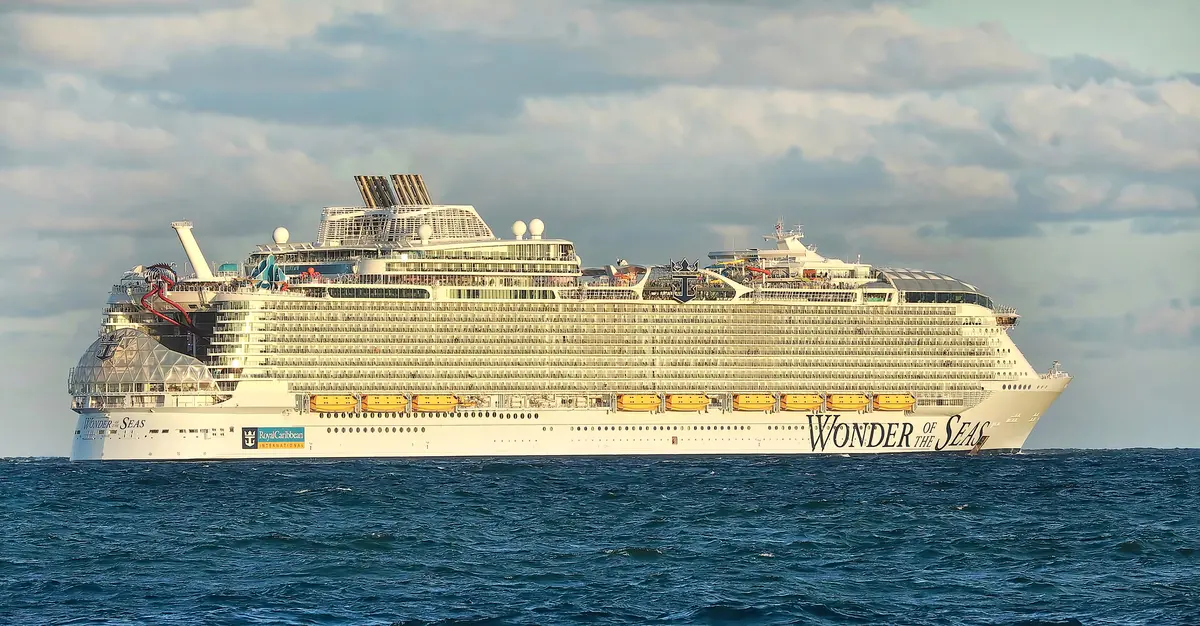
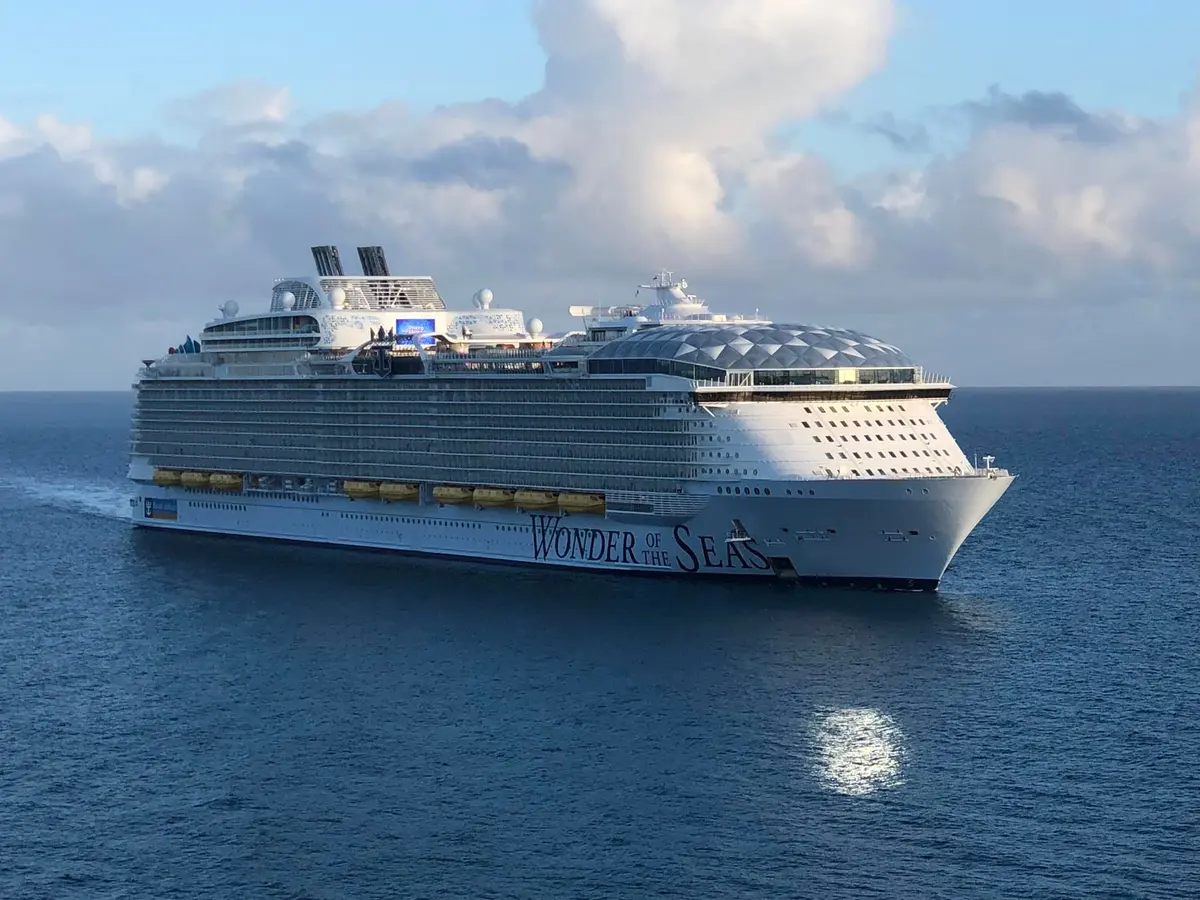
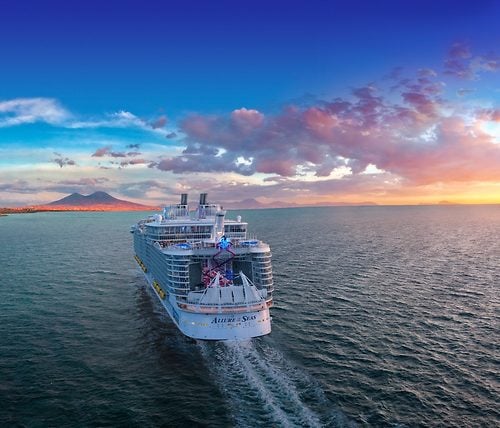
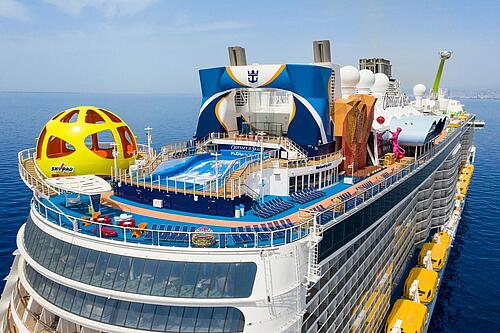
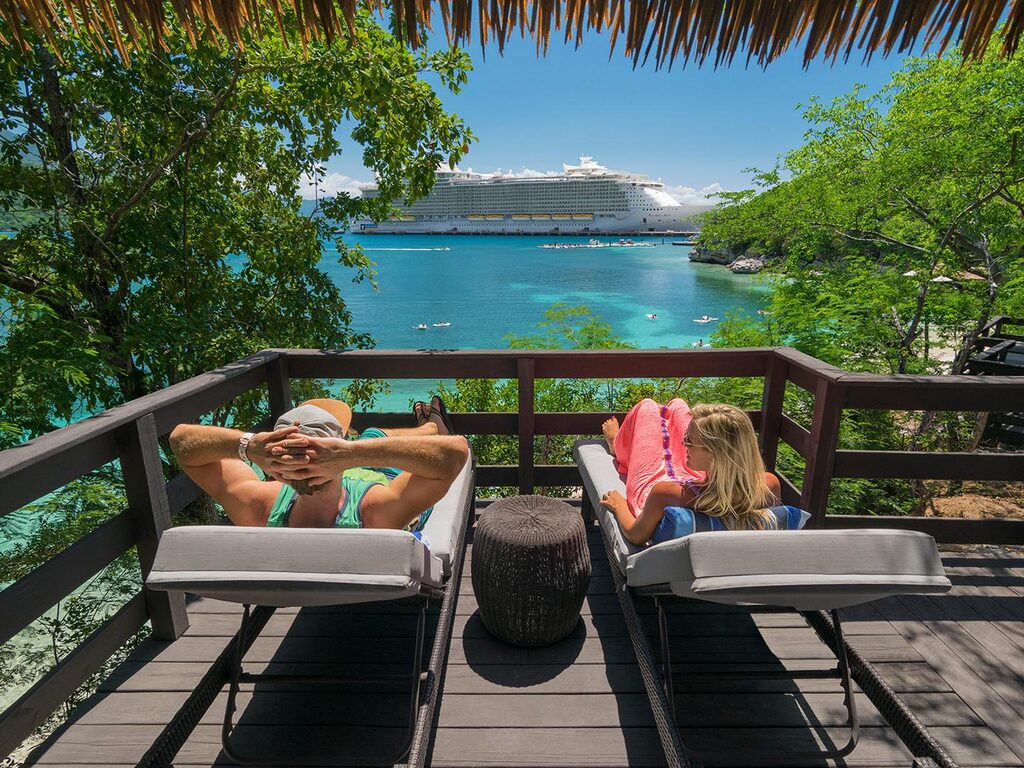
The arrival of Royal Caribbean's Wonder of the Seas heralds a point in time where the cruise industry is ready to move past the comeback phase.

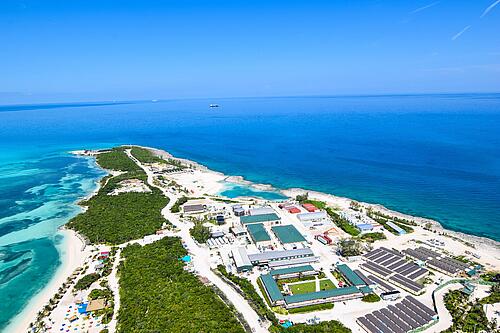
Wonder of the Seas arrival Cococay

"The Royal comeback is behind us. We are back. The world’s greatest vacation is back," is what Royal Caribbean International Senior Vice President of Hotel Operations, Mark Tamis, told members of the media while onboard Wonder of the Seas this week.

Since June 2021, Royal Caribbean has been focused on getting its ships back up and running.  But with two new cruise ships launched in less than 6 months, the cruise line is ready to look forward to getting back to the sort of plans it had before the pandemic.

Royal Caribbean's Senior Vice President and Chief Product Innovation Officer Jay Schneider oversees quite a few of these plans, including the line's private destinations, ship upgrades, and new builds.

With Wonder of the Seas in operation, Royal Caribbean has big plans for the next few years across the world.

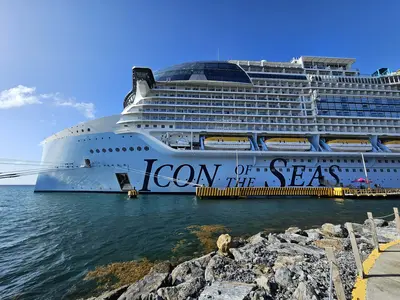
While Royal Caribbean's next new cruise ship is Icon of the Seas, there are plenty of other things coming down the pike, "We're working on Oasis six. We're working on the expansion of CocoCay with Hideaway Beach. We're working on our new Beach Club in Paradise Island and Nassau."

Those plans are projects the company has publicly commented on, but there's more on the horizon, "We're also imagining the far flung future as well, because as a brand, we're never going to stop innovating."

Icon of the Seas

Ever since Royal Caribbean announced it had plans to build a new class of cruise ship with the Icon Class, there has been very few details, but that may soon change.

Mr. Schneider indicated that the public will finally hear more about Icon of the Seas in the April or May timeframe, "We go to market on Icon in the next two months."

"Over the next two months, you'll hear us talk publicly about the size of the ship, the number of passengers, the neighborhoods."

That's right, Icon of the Seas will retain the neighborhood concept from the Oasis Class ships, but Mr. Schneider hinted that may be the only traditional aspect of the ship, as they intend to innovate beyond what the Oasis Class offered.

"Everything you'll see on icon will will be an evolution or revolution. And and we'll push forward again us being the at the top of the mantle on the ultimate family vacation."

Port projects

Besides new ships, Royal Caribbean is hard at work on a number of land-based initiatives. Here's what Mr. Schneider had to share for updates on each of these previously announced expansions.

Royal Beach Club in Nassau

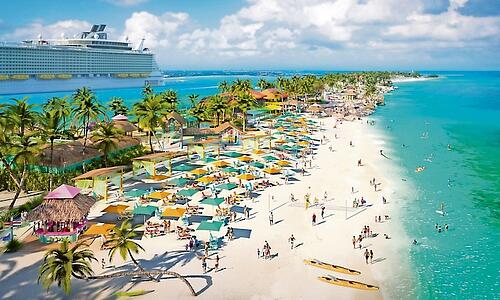
"Moving forward, we are still in negotiation with the government on the full proposal.

"We've been going through our environmental impact assessment. We've posted as a result of that on our website, our various plans."

Freeport

Adventure of the Seas Live Blog - Day 7 - Freeport | Royal Caribbean Blog

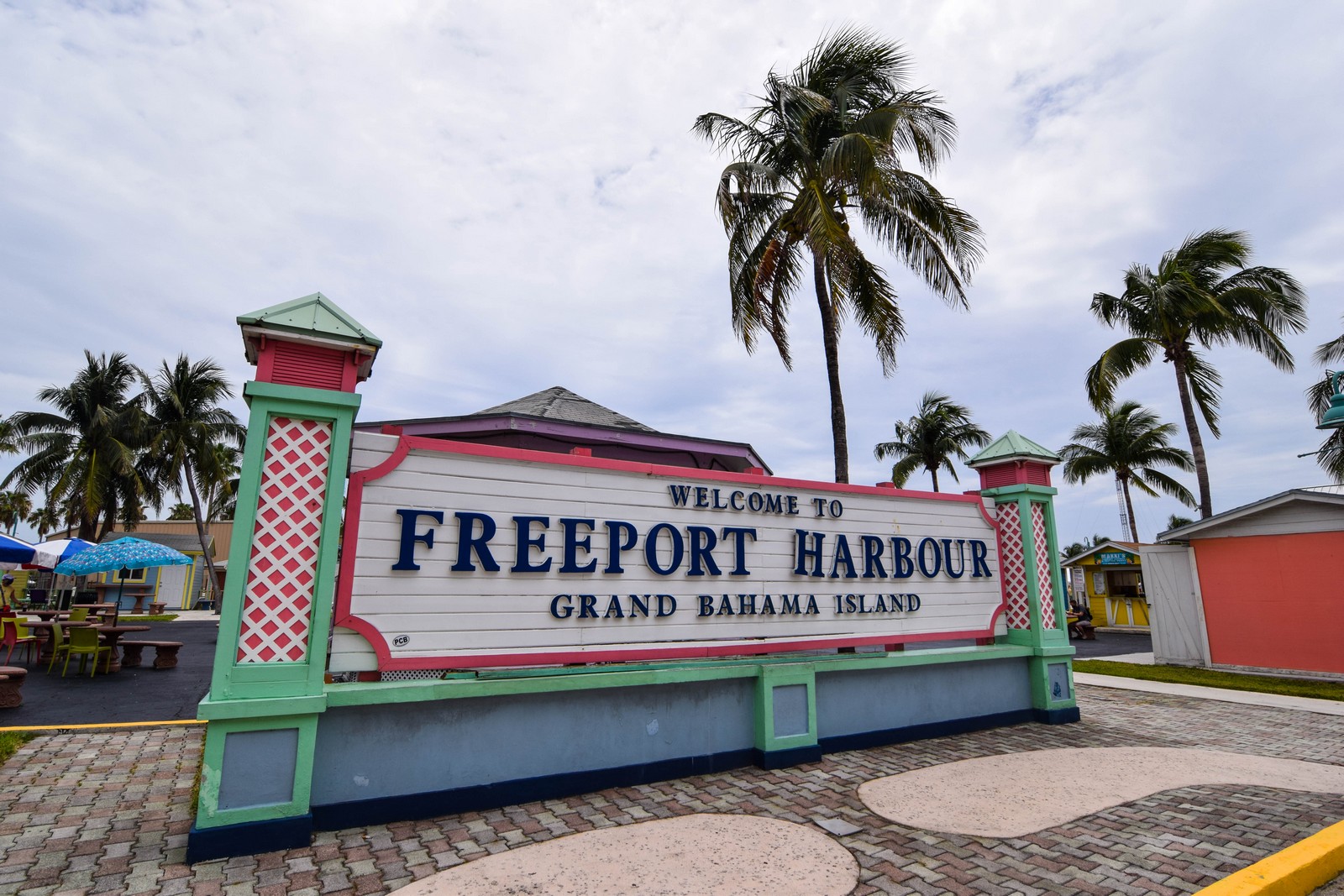
"We continue to move forward with our port development in Freeport."

Royal Beach Club in Antigua

Report: Royal Caribbean targeting January 2023 opening of Royal Beach Club in Nassau, Bahamas | Royal Caribbean Blog

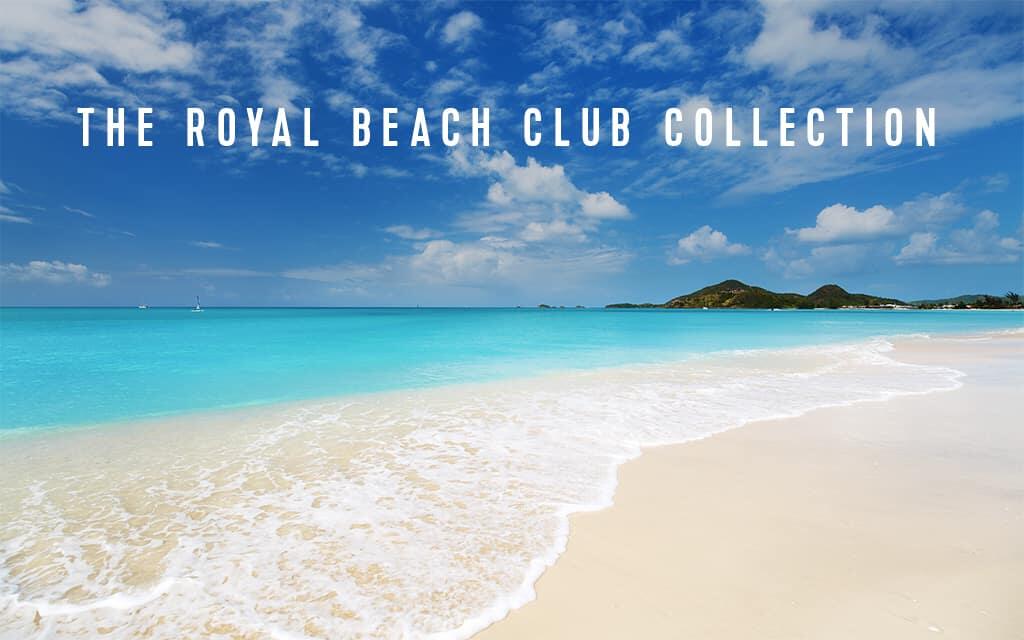
"We still have an ambition for a Royal Beach Club in Antigua."

"Right now, our priority is the Royal Beach Club and Paradise. First, we want to really get one live, understand it before we commit to the next Royal Beach Club."

Perfect Day at Lelepa

Perfect Day at Lelepa | Royal Caribbean Blog

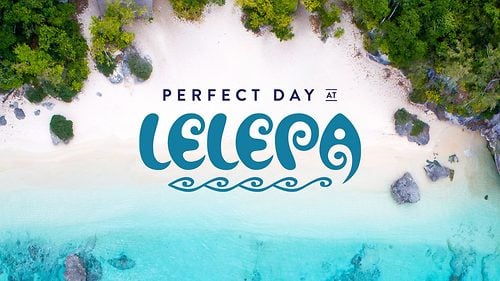
"It's still in our planning cycle. We are really waiting for the Pacific to reopen in a massive way."

"We, as an industry, are a challenged right now, with China closed and with a slow opening of Australia."

Hideaway Beach

Royal Caribbean will expand Perfect Day at CocoCay with Hideaway Beach | Royal Caribbean Blog

"Hideaway Beach is under construction right now."

"There were a handful of decisions that we made during the pandemic to be smarter about that construction, specifically just the movement of some of the back of house functions."

"It's going to be an amazing adult space for about 2,000 guests opening, opening in... mid to late 2023."

Royal Amplifications

The pandemic caused a few Royal Caribbean cruise ships to miss their planned amplifications, but those plans are not totally gone.

How to communicate with someone on a cruise ship

In:

What is the best way to stay connected with family and friends while onboard a cruise ship?

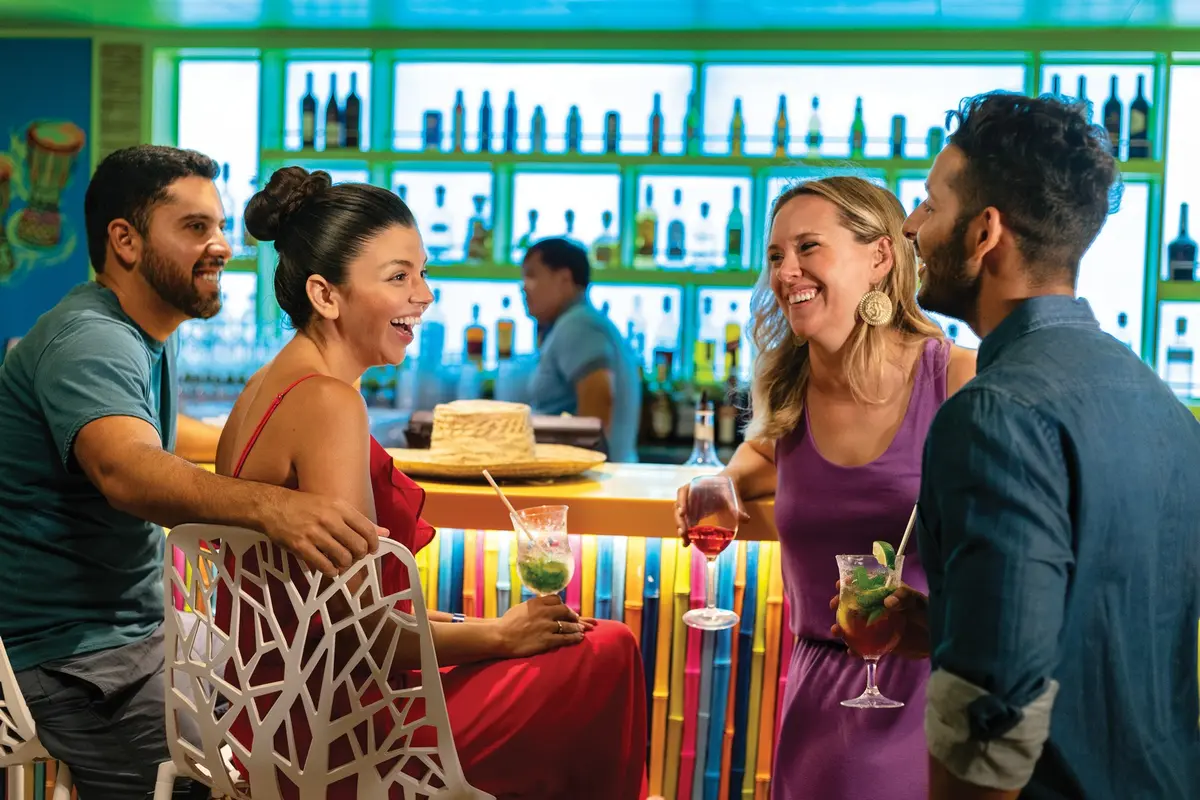
Friends at Lime and Coconut bar

A lot of people that are about to go on a cruise want to know the best way to stay in touch with those on the same ship as them.  

Often, the question goes something like this, "I am cruising with several groups of people. How do you recommend we stay connected on the ship?"
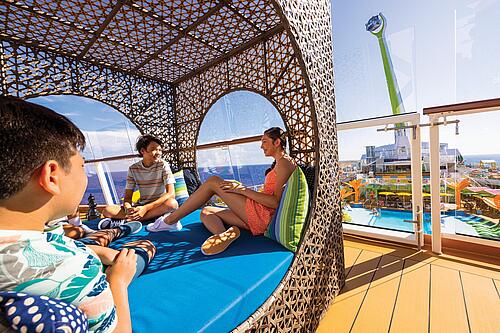
Royal Caribbean cruise ships range in a guest capacity of about 2,000 to 6,500, so finding one person onboard is not always a simple task.  

Here are some common and useful ways of doing being able to easy contact someone, with each method coming with pros and cons. 

Royal Caribbean's phones
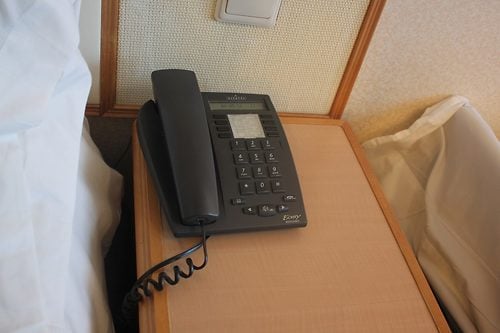
Utilizing Royal Caribbean's in-room phones and phones in common areas is a simple way to communicate with guests onboard your ship and onshore.

If you are trying to reach a guest onboard the ship, you can make a call to their stateroom and optionally leave a message.  Use of the phones for calls to a guest's stateroom is complimentary.  Of course, it requires the guest to be in the room to answer the call and/or check the voicemail.  This can result in "phone tag," where it seems like you are always missing each other.

The best part of relying on the cruise ship phones to reach someone else onboard is it's totally free.
Royal Caribbean Blog - Unofficial blog about Royal Caribbean cruises

If you want to get in contact with someone on land, there are two options.

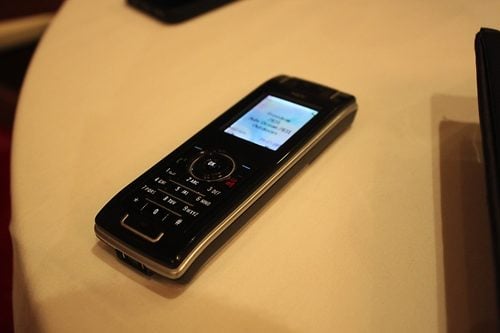
Calls made from land to your Royal Caribbean cruise (shore to ship) can be achieved by calling (888) 724-7447/(321) 953-9003 to reach passengers.  The cost of this service is $7.95 per minute, and is chargeable to a Visa or MasterCard credit card.

Calls made from your Royal Caribbean ship to somewhere on land (ship to shore) can be made from your stateroom phone and also costs $7.95 per minute, billed to your SeaPass account.

Using your cell phone
Cellphone Use Onboard a Royal Caribbean cruise | Royal Caribbean Blog

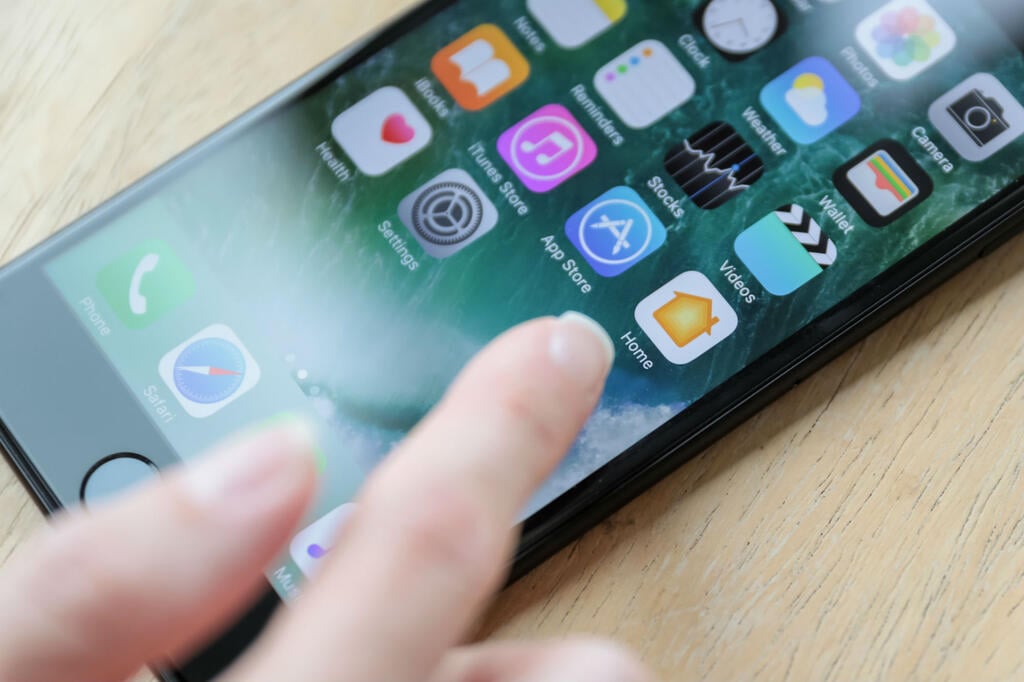
Almost everyone has a cell phone with them and your cell phone will function while on a cruise, although the cost of doing so will vary greatly.

You could use your phone like normal and place calls and text messages by connecting to the cell provider on the Royal Caribbean ship, but this comes with a heft roaming cost. Usually, calls cost $6-8 per minute depending on your carrier.

Using your cell phone's data plan can be prohibitively expensive, with costs of $1 per MB or more.  You are better off skipping this option and looking at Voom options (scroll down to see more about this).

I don't recommend this option at all because of the crazy high prices carriers charge for roaming. I mention it purely because it exists, and some people have work phones that don't care about running up a bill.

Ship internet
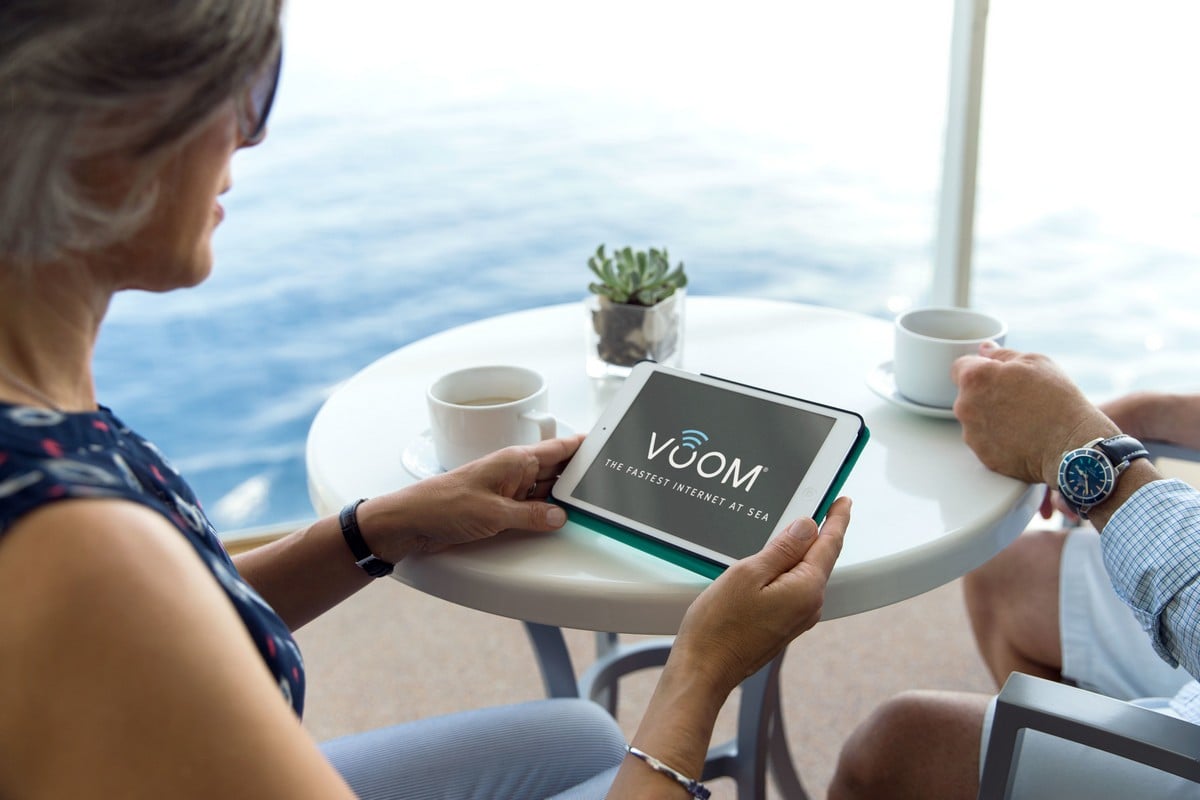
What is the difference between Royal Caribbean's Voom Surf and Voom Surf and Stream? | Royal Caribbean Blog

The best option for most people is to purchase a Royal Caribbean Voom internet package.

There are two Voom plans offered: Voom Surf or Voom Surf + Stream

  • Voom Surf
    • This offers basic web browsing, with no streaming services allowed
    • Starts at $17.99 per day for 1 device
      • The price gets cheaper as more devices are added to the plan
      • Most guests can get a 20% pre-cruise discount via the Cruise Planner site
      • There is also a Crown & Anchor Society discount once onboard
  • Voom Surf + Stream
    • Full internet access, including streaming services
    • Starts at $22.99 per day for 1 device
      • The price gets cheaper as more devices are added to the plan
      • Most guests can get a 20% pre-cruise discount via the Cruise Planner site
      • There is also a Crown & Anchor Society discount once onboard
  • 24 hour single day pass: $25.99 for surf or $32.99 for Surf + Stream
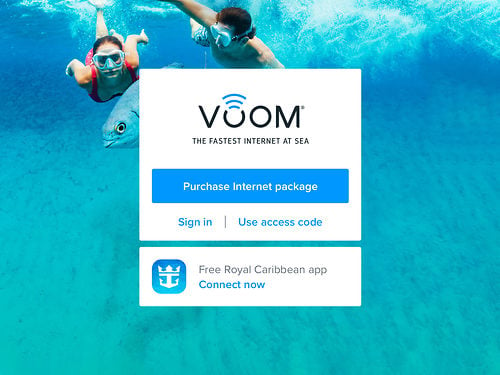
Once connected to the ship's internet, you can leverage any number of messaging apps to communicate with someone else onboard, or even at home.

These apps are usually free to use for voice and texting. Popular options include:

  • Facebook Messenger
  • WhatsApp
  • Skype
  • GroupMe

Of course, for this option to work, everyone who you need to stay in contact with needs to purchase a Voom package and have their phone or tablet with them.

Buying everyone an internet package is still cheaper than the roaming charges you would incur using your cell carrier, and more than likely there's a common (and free) app you can all agree to use.

WiFi calling
Royal Caribbean WiFi: Guide to Internet at sea | Royal Caribbean Blog

If you get an internet package, another option is WiFi calling through your carrier.

Most major cell phone carriers these days provide a means of making phone calls via an internet connection instead of relying on a cell phone connection. 
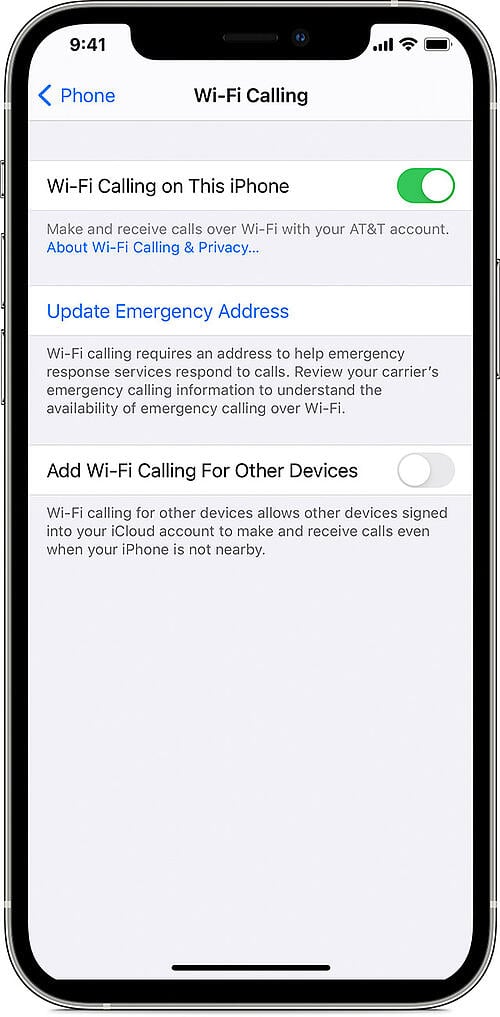
WiFi calling has no additional cost and works just like you are at home and supports voice calls, text messaging (SMS and MMS).  It works with most newer devices, including iPhone 5C and later, Android and Blackberry devices.  Check with your carrier for exact devices that are supported.

At last check, these carriers supported WiFi calling

  • Verizon
  • AT&T
  • T-Mobile
  • Sprint
  • GoogleFi
  • Cricket

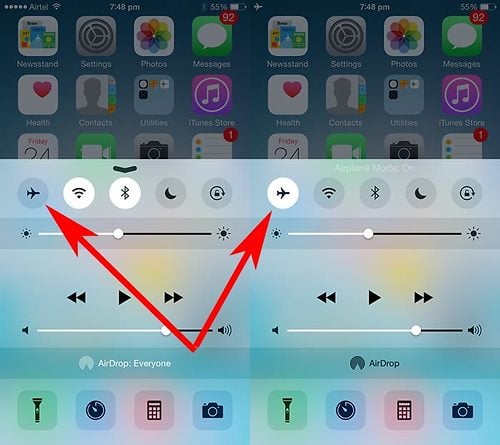
To make a phone call over WiFi, put your device into airplane mode and connect to Voom via WiFi.  

If set up correctly on your phone, your calls, texts will be routed through Voom.
Royal Caribbean App
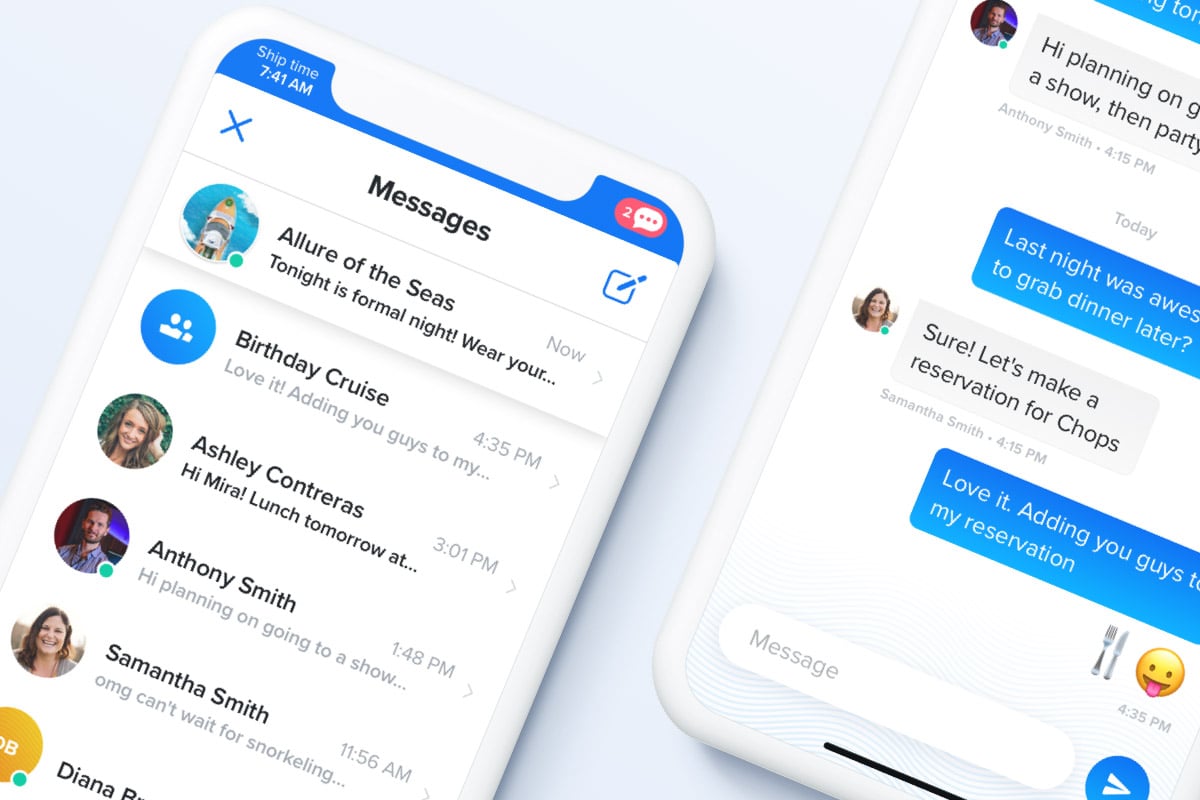
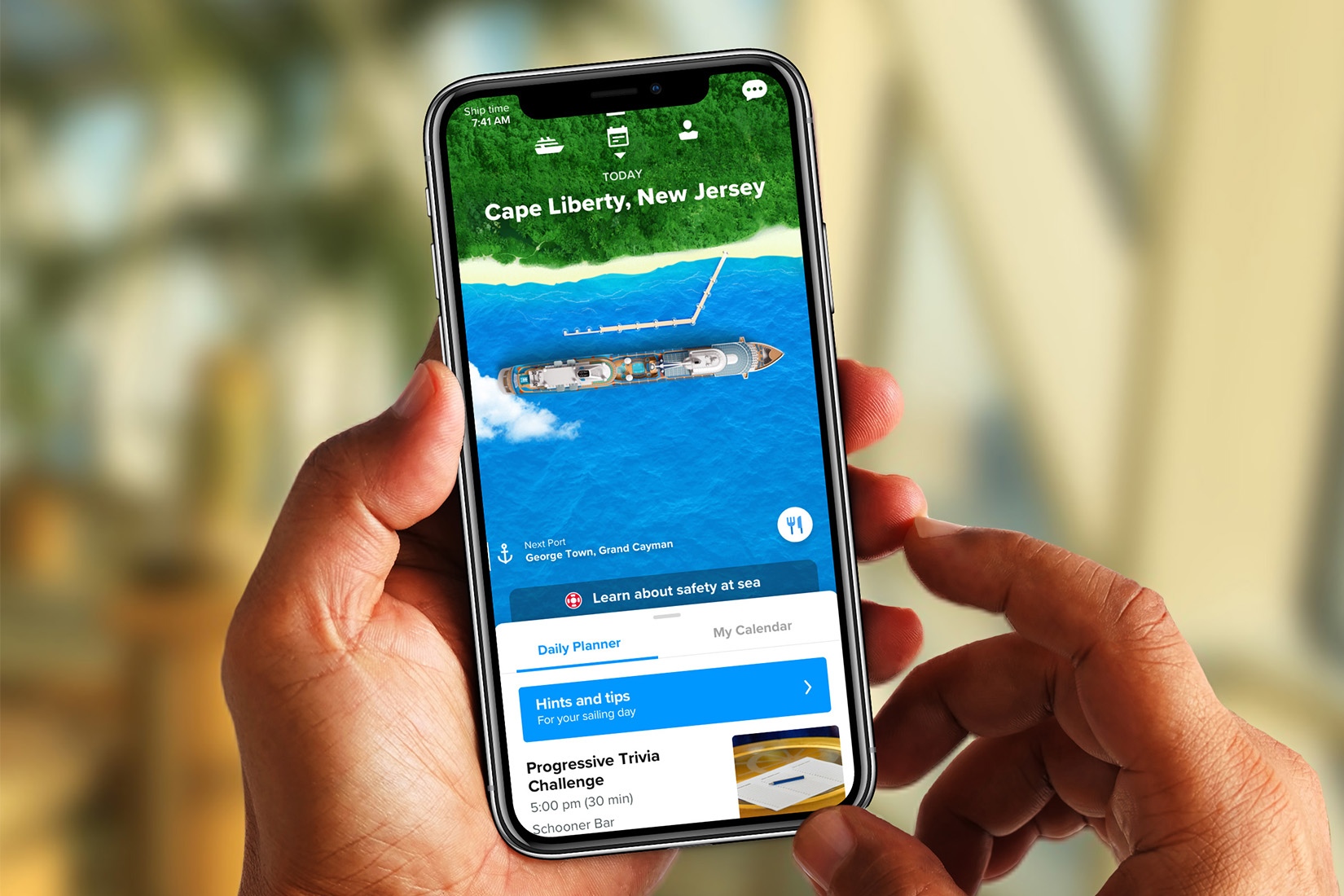
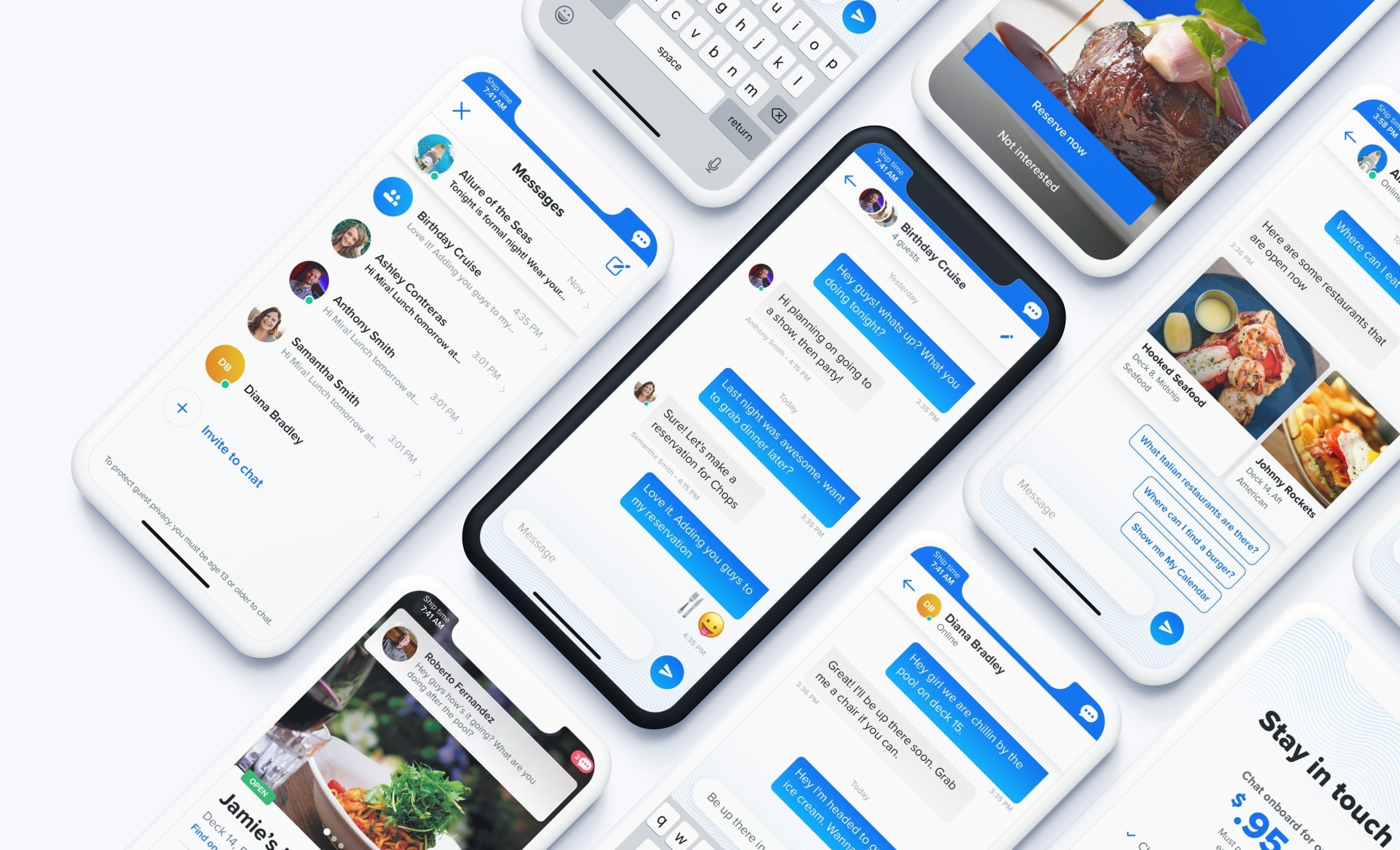
Royal Caribbean's app has a text feature that offers one-to-one guest chat, along with group chats.

Once onboard the ship and logged onto Royal Caribbean's Wi-Fi  network (no internet package required to use the app), other guests will show up as offline or online but are only online if they have the app opened and to the “chat” window.

There is no cost to use Royal Caribbean's app (this changed in 2023, as there used to be a charge).

If there's a downfall of the app, it's the lack of notifications. Many cruisers report they do not get notified of a new message unless they open the Royal Caribbean app to check.

Read moreRoyal Caribbean's onboard messaging system is now free: Here's how it works

Your Thoughts

Which means of communicating with friends and family on your ship and at sea do you find to be the best option? Did we miss one you know about? Share your comments and suggestions in the comments!


Royal Caribbean patents opening a cruise ship cabin door with facial recognition

In:

In the future your stateroom door might be opened by your face instead of a card.

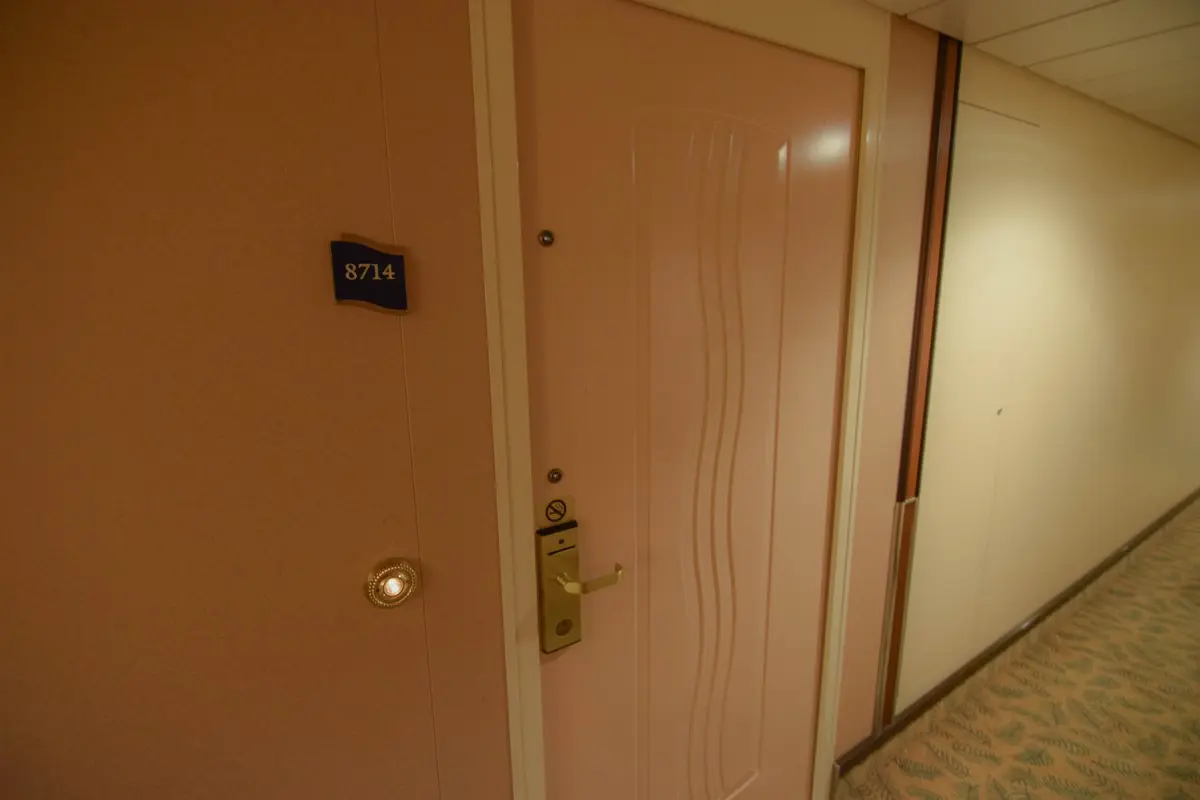
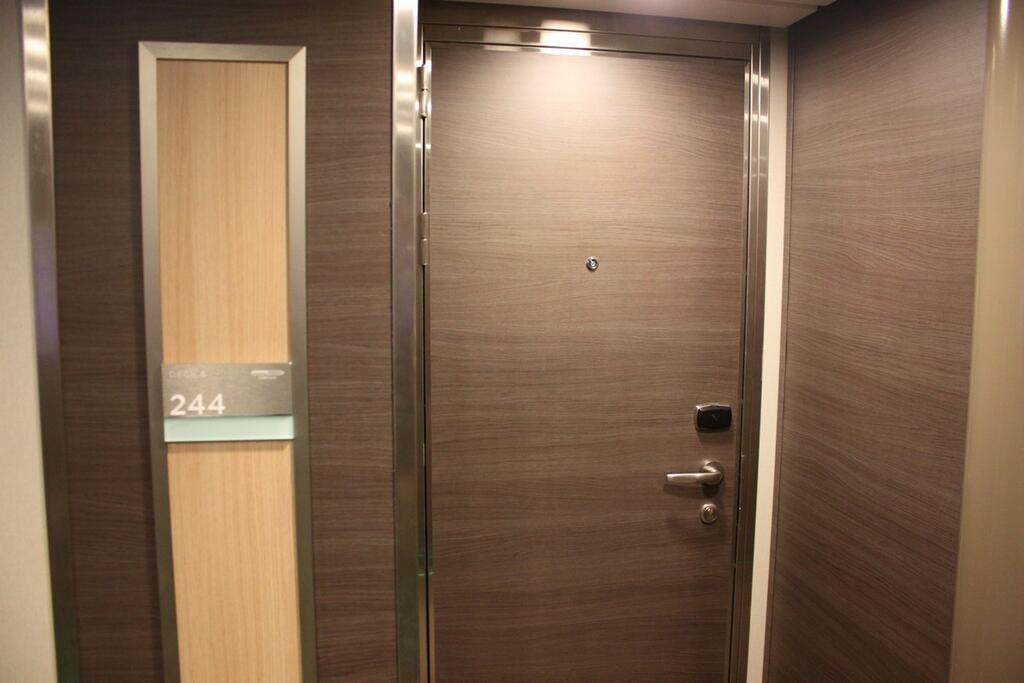
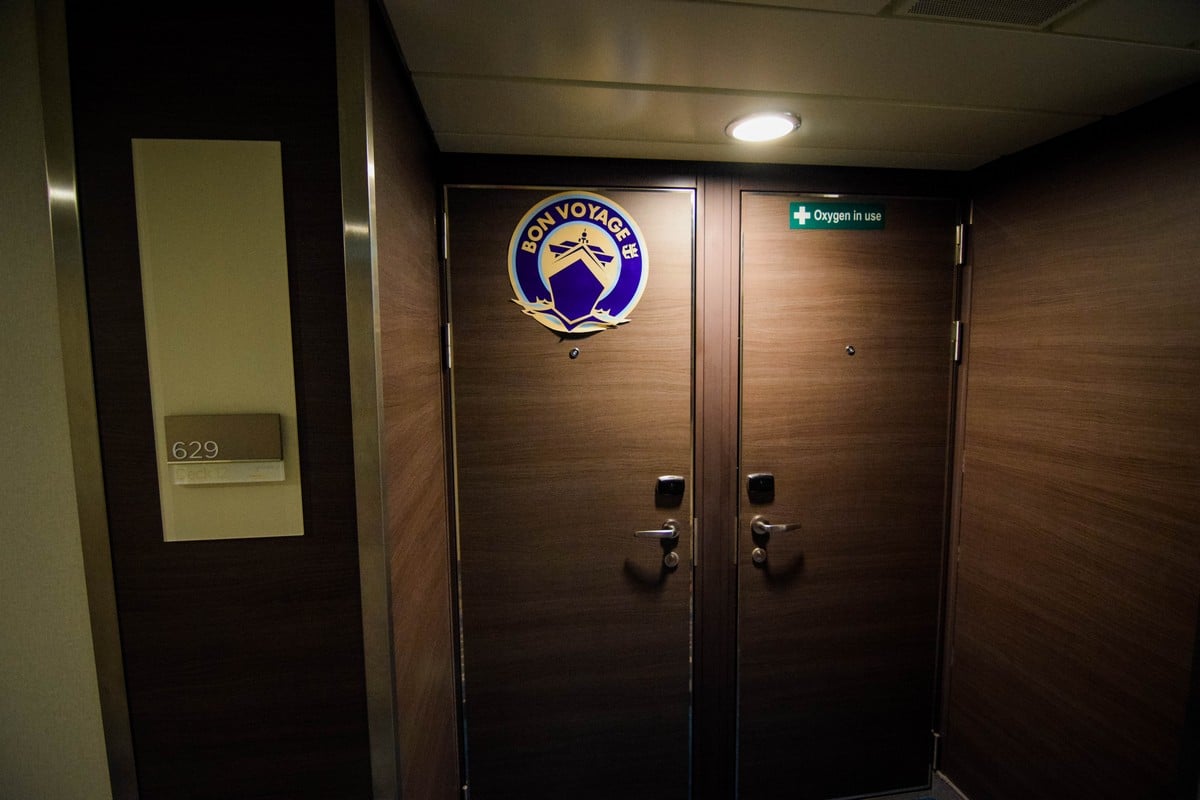
Cabin door

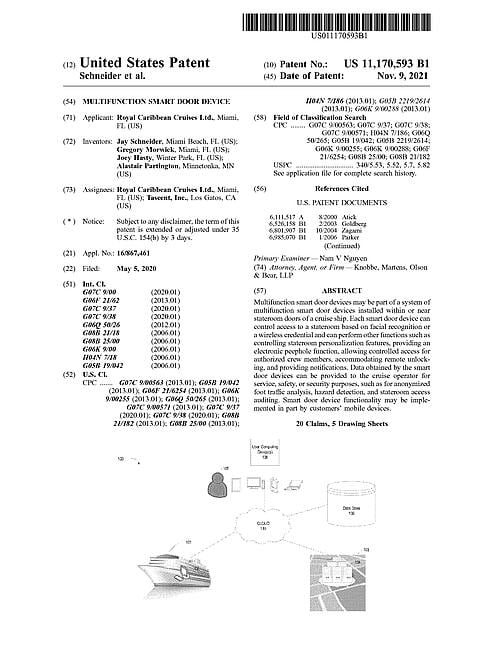
Royal Caribbean filed paperwork with the United States Patent and Trademark Office for a "multifunction smart door device", that among other things, can be opened via facial recognition.

The new patent is for a device that would be installed within or near stateroom doors of a cruise ship. Each smart door device can control access to a stateroom based on facial recognition or a wireless credential.

This smart device can perform other functions such as controlling stateroom personalization features, providing an electronic peephole function, allowing controlled access for authorized crew members, accommodating remote unlocking, and providing notifications. 

It could also be used by a passenger's mobile device.

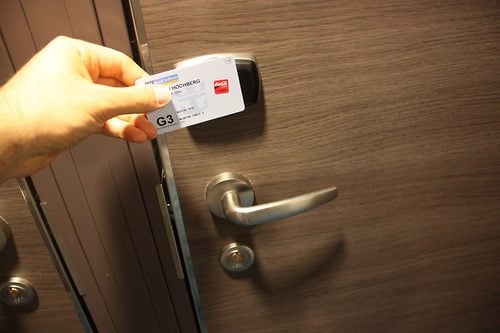
Cabin doors on Royal Caribbean ships are all opened by a SeaPass card, which guests are issued at the start of the cruise.  Crew members have master key cards that can open the doors as well.

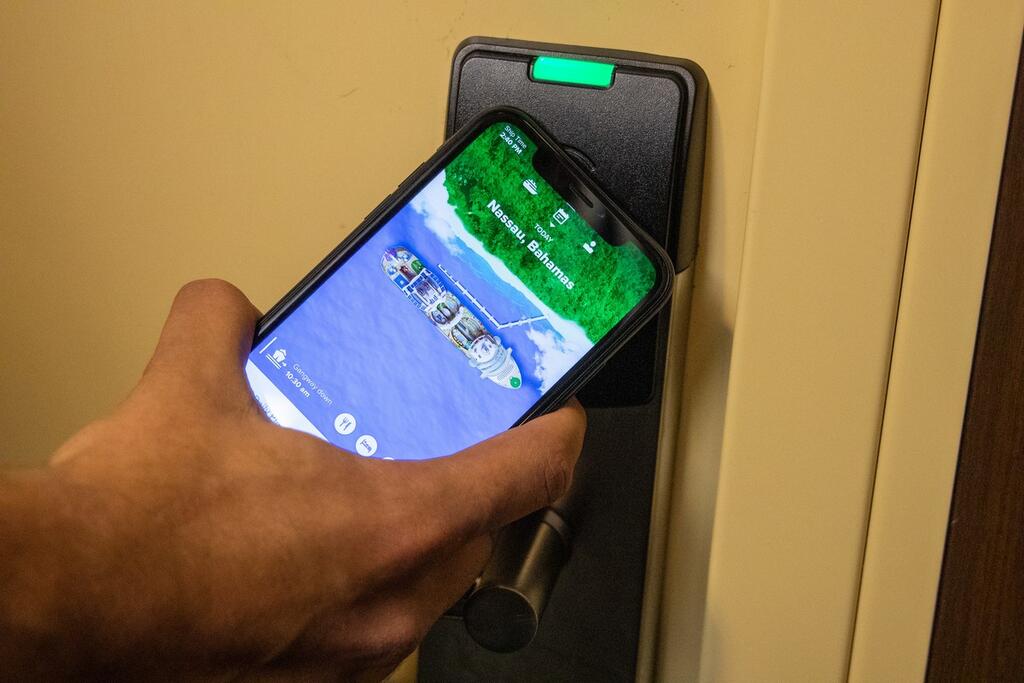
On some new ships, Royal Caribbean has added the ability for guests to open their cabin doors via the Royal Caribbean app.

Royal Caribbean app allows guests to open stateroom door on Spectrum of the Seas | Royal Caribbean Blog

Royal Caribbean thinks this device can be utilized for service, safety, or security purposes, such as for anonymized foot traffic analysis, hazard detection, and stateroom access auditing. 

It is a prime example by Royal Caribbean of Internet of Things (IoT) devices that aims to  provide connected services to improve passenger comfort and efficiency.

The patent authors include Joey Hasty, Gregory Morwick, Alastair Partington, Jay Schneider. Mr. Schneider is Royal Caribbean's Senior Vice President and Chief Product Innovation Officer.

How it works

Photo tour of Category 2J Central Park View Balcony Stateroom on Harmony of the Seas | Royal Caribbean Blog

According to the patent, a wide angle camera would be able to sense a face of a person within its view and then use one or more facial recognition software algorithms to determine if the person is authorized to unlock the door.

The patent also includes the possibility for the facial recognition software to be able to set guest stateroom preferences comprise at least one of a default climate control setting, a default in-room media setting, a default lighting setting, or a default window shade setting.

There is even a provision in the patent for the wide angle camera that serves as the facial recognition sensor, to transmit a live stream to a guest's mobile device, similar to how some smart locks for houses function.

Photo tour of Category B1 Boardwalk View Stateroom with Balcony on Harmony of the Seas | Royal Caribbean Blog

Of course, the door could be opened by crew members. It would be set up to allow one or more crew members to access the stateroom based at least in part on a facial recognition result or a proximity-based credential, and based at least in part on evaluating a business rule stored in the local data store.

These business rules could limit access to certain hours of the day, or determine whether the stateroom is occupied or unoccupied before allowing a crew member to enter.

Facial recognition is the future

One of the patent's authors, Jay Schneider, has spoken publicly about the value facial recognition will have for the cruise industry.

Earlier this year, Mr. Schneider talked about why facial recognition, and not wearables, are the best long-term solution for guests being able to customize their trip.

"There are use cases where a wearable on your arm or a lanyard, et cetera, might be relevant, but your face is a better wearable for you long term than having to distribute something to you."

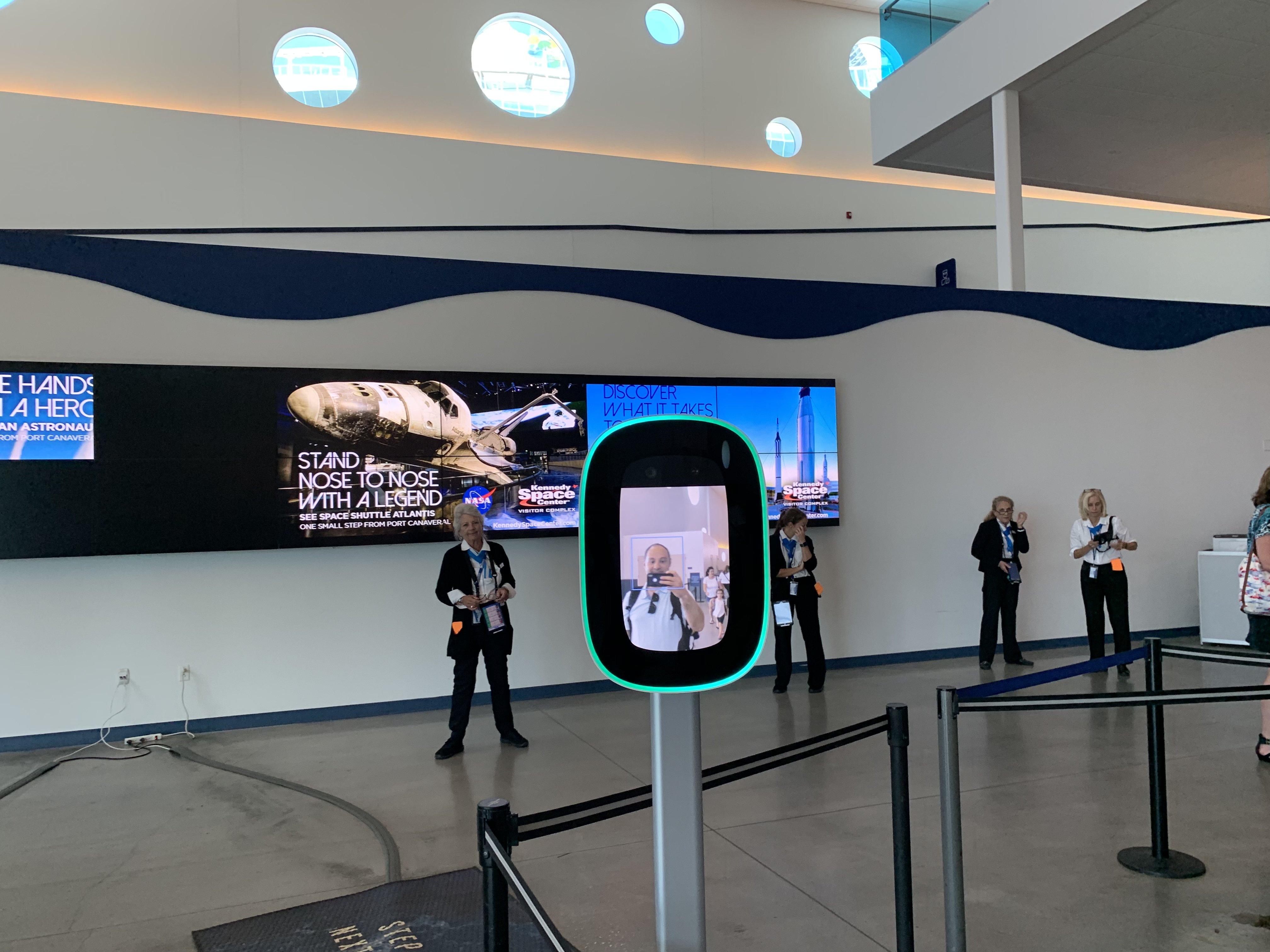
Royal Caribbean has already implemented facial recognition technology in some of its cruise terminals, where the embarkation and disembarkation process is sped up thanks to facial recognition.

Royal Caribbean's tech chief thinks cruise ship passengers will expect a better digital experience after pandemic life

In:

One major shift coming out of the pandemic for Royal Caribbean is the world is going to expect something different.

Royal Caribbean's Senior Vice President and Chief Product Innovation Officer Jay Schneider spoke at Seatrade Cruise Global on Wednesday about his company's efforts, and believes digital is now the expectation, and not just an enhancement.

"I think we're going to come out of this pandemic where digital is now just the norm and most people's expectation shot through the roof," Mr. Schneider stated after answering a question about digital transformation.

"It's going to be the world is going to expect something very different coming out of the pandemic than they did going into it."

According to Schneider, that expectation is already taking place with the cruise line app.

Prior to the pandemic, Royal Caribbean saw about 70% adoption rate of the cruise line app on a ship that had the app available. Since the restart of operations this year, the adoption rate jumped to the mid to upper 90s.

"As we've turned back on ships, our focus hasn't been go to market communication to tell you to use an app. It's been all of the other health and safety information that we have to tell you."

How Royal Caribbean will make check-in, Adventure Ocean and its app easier & faster | Royal Caribbean Blog

Something else that has shifted a lot has been the desire by guests to complete online check-in.

"Right before the pandemic, we had gotten our check in numbers like 90 percent, and I was really curious what was that last 10 percent."

Mr. Scheider wanted to dig into who that last 10% was that was not doing check-in, and many stereotypically assumed it was the older generation that was hesitant to adopt tech as part of their vacation experience.

His research showed this breakdown of guests who checked in via the Royal Caribbean app before embarkation day in the days before the pandemic:

  • People over 65: 99.5%
  • Gen X: 98.5%
  • Millenials: 82%

"It was millennials that were dragging down our digital engagement."

New check in process in app - Royal Caribbean Discussion - Royal Caribbean Blog

One change Royal Caribbean made since cruises restarted this year was to allow guests to check-in via the app up to one hour before boarding.

"As we implemented one hour check in, we saw all of our numbers go up. Boomers stayed the same, Gen X went up a little bit, and then millennials are the one that brought the percentage up."

Mr. Schneider believes this data shows that age isn't a factor in preventing technology adoption, but rather, how the technology is implemented to reach all guests' needs.

Disconnect moments

10 ways to overcome common cruise ship mistakes | Royal Caribbean Blog

While technology is a fascinating new tool for Royal Caribbean, some passengers want to take a break from it.

Mr. Schneider admitted that there is a percentage of guests who want "disconnect moments" during their vacation, and that means Royal Caribbean must integrate technology into the cruise ship life without making it a full-time experience.

"What you do see and hear from people is people do want to find these disconnect moments. And so our job is to build technology and experiences that allow them to connect or disconnect as much as they want."

Royal Caribbean signs deal for new contact tracing band

In:

Royal Caribbean announced a new a wearable technology partnership.

The cruise line signed a two year technology partnership with TraceSafe.

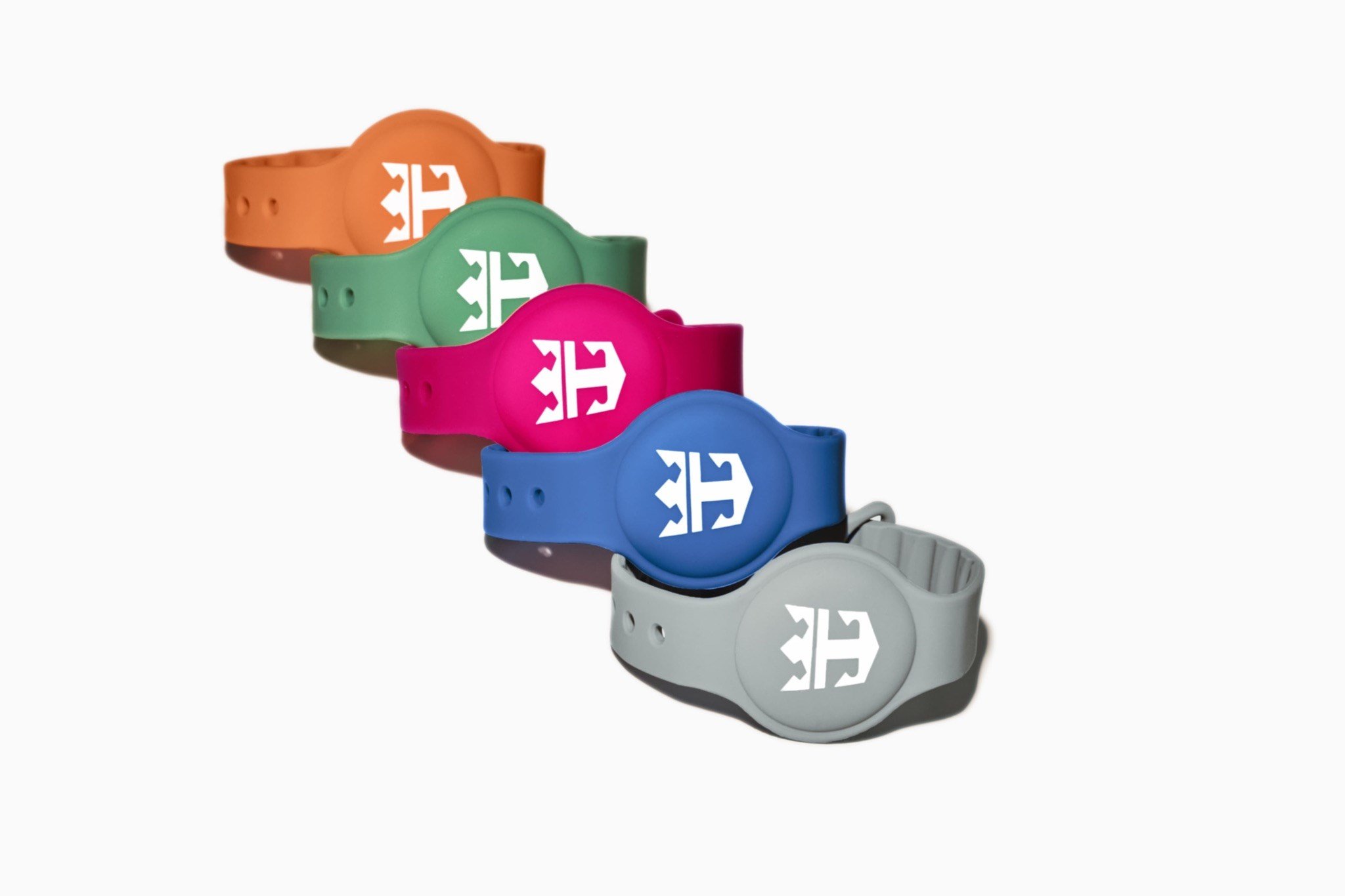
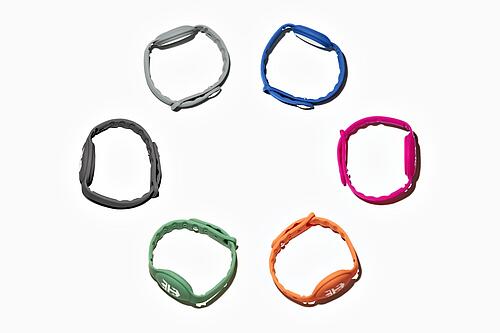
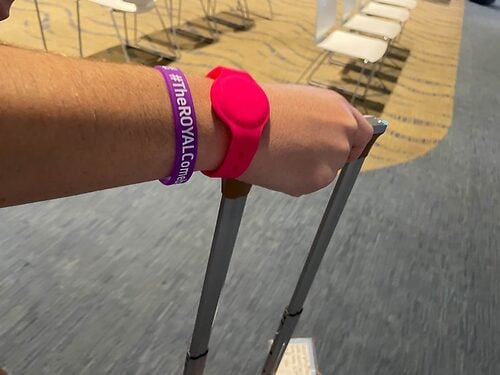
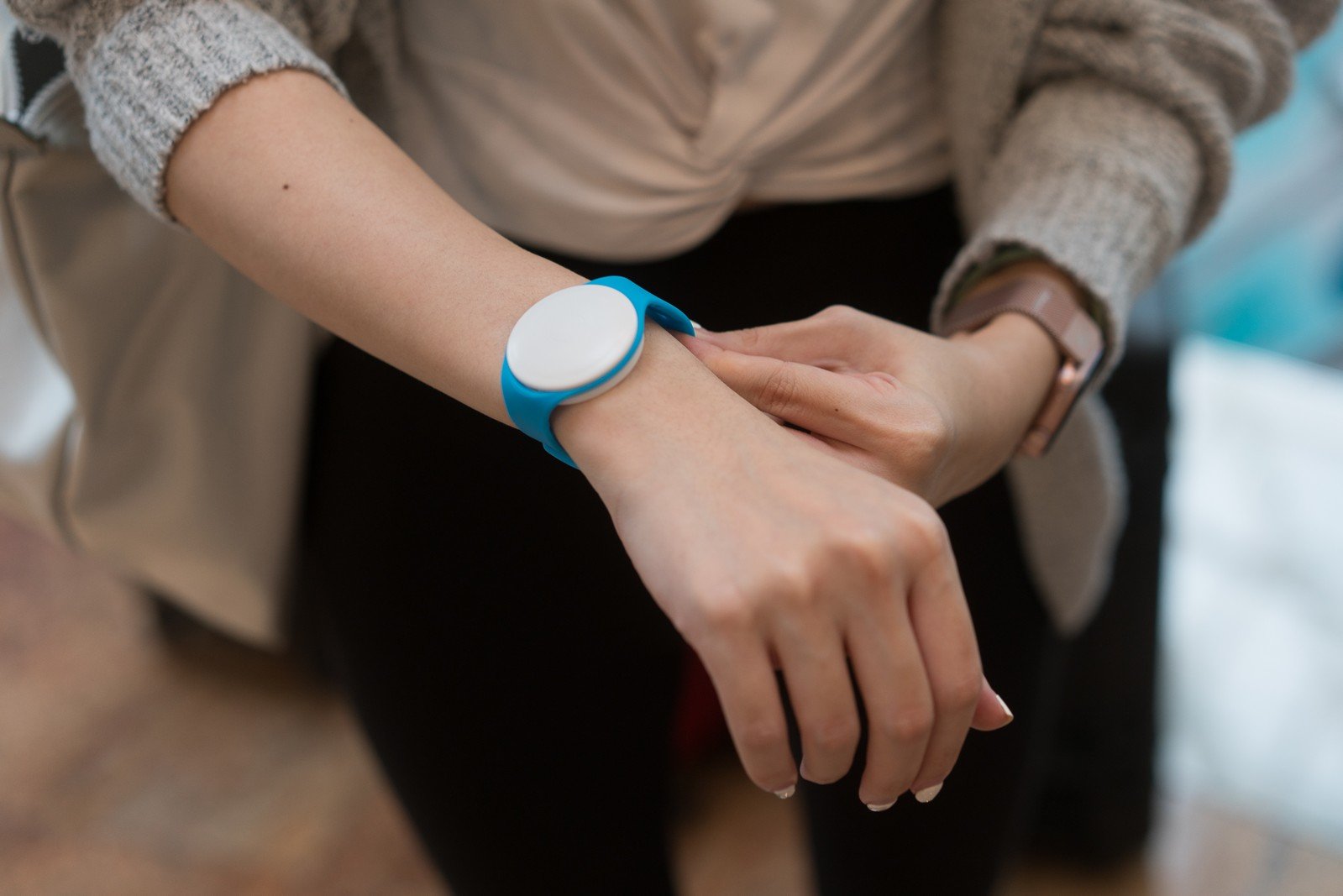
TraceSafe and Royal Caribbean developed the Tracelet contact tracing wearable bands, which can be used on cruise ships to easily identify close contacts in the case a passenger or crew member tests positive for Covid-19.

Both companies worked closely together to design and manufacture the wearable that can meet both Royal Caribbean's high standards for comfort and the cruise line's commitment to sustainability.

TraceSafe's bands rely on a location-aware Internet of Things (IoT) platform, which have been scaled for large-scale enterprise operations such as across a fleet of cruise ships.

Royal Caribbean Group Chief Product Innovation Officer, Jay Schneider, talked about the new agreement, "It was the willingness of the TraceSafe team to develop a custom Tracelet device that met our requirements for style and design that propelled the partnership forward

"We look forward to continuing this engagement with TraceSafe as we explore the many new opportunities for IoT Technology onboard our ships."

What is a Tracelet?

Allure of the Seas Test Cruise Live Blog - Day 1 | Royal Caribbean Blog

Royal Caribbean started working on the technology behind Tracelets even before the pandemic, but pivoted the technology for contact tracing in 2020 when the cruise industry shutdown.

Royal Caribbean trademarked the name in October 2020, and the first Tracelets began appearing on Quantum of the Seas sailings that restarted from Singapore in December 2020.

The Tracelet is a comfortable, water-resistant, hypoallergenic wearable worn by all guests and crew on some Royal Caribbean sailings.  

CDC asks Royal Caribbean to share covid safety technology from its cruise ships | Royal Caribbean Blog

When offered onboard, all guests regardless of age, needs to wear it.

The U.S. Centers for Disease Control and Prevention (CDC) actually went as far as to ask Royal Caribbean to share with them details on the Tracelet because of how intriguing an option it was.

Royal Caribbean International President and CEO Michael Bayley told investors in February 2021 that the CDC asked the line to share the technology behind the Tracelet on early sailings from Singapore.

How Royal Caribbean invested in new port projects and tech during the cruise industry shutdown

In:

Royal Caribbean may have been shut down for 15 months, but that does not mean work stopped behind the scenes on new innovations and ideas that were announced in the months leading up to the stoppage.

While there may not have been many public updates on what was happening, Royal Caribbean prioritized certain initiatives and expansions so that when cruise ships could return, the company would be ready with exciting new announcements.

Overseeing these initiatives is Royal Caribbean Group Chief Product Innovation Officer, Jay Schneider, whose job it is to blend product development and experience, and he manages Royal Caribbean's technology and private destination innovations.

So what has Royal Caribbean been up to all these months, and what changes, additions, and new offerings can we expect with cruise ships starting to restart operations? I asked Mr. Schneider what is behind Royal Caribbean's proverbial curtain.

Continual investment

First and foremost, Mr. Schneider pointed to the fact his team invested in creating a new tech foundation to support initiatives that would prove to be critical to success during the shutdown, "Had we not made that investment, getting back into service now would be very difficult and very expensive."

This includes things like reducing friction at check-in, emuster, or being able to review your folio were good ideas pre-shutdown, and are now critical for social distancing and reducing touch points.

More importantly, Royal Caribbean not stopping work on its digital projects is a lesson learned from the days of the last smartphone app, Royal iQ.

"I think one of the mistakes we made, if you remember our Royal iQ app," Schneider admitted.

"We stopped investing in it and it just became stagnant. And so you'll see us continue to make improvements and additions and edits to the Royal Caribbean app and build the product out."

Chat feature

Schneider says the chat feature was ready to be rolled out right before the pandemic hit, but it is ready for all the ships in the fleet now.

Mr. Schneider confirmed the chat feature is ready for use fleet wide, "As we bring every ship back, every ship, will have chat."

Royal Beach Club

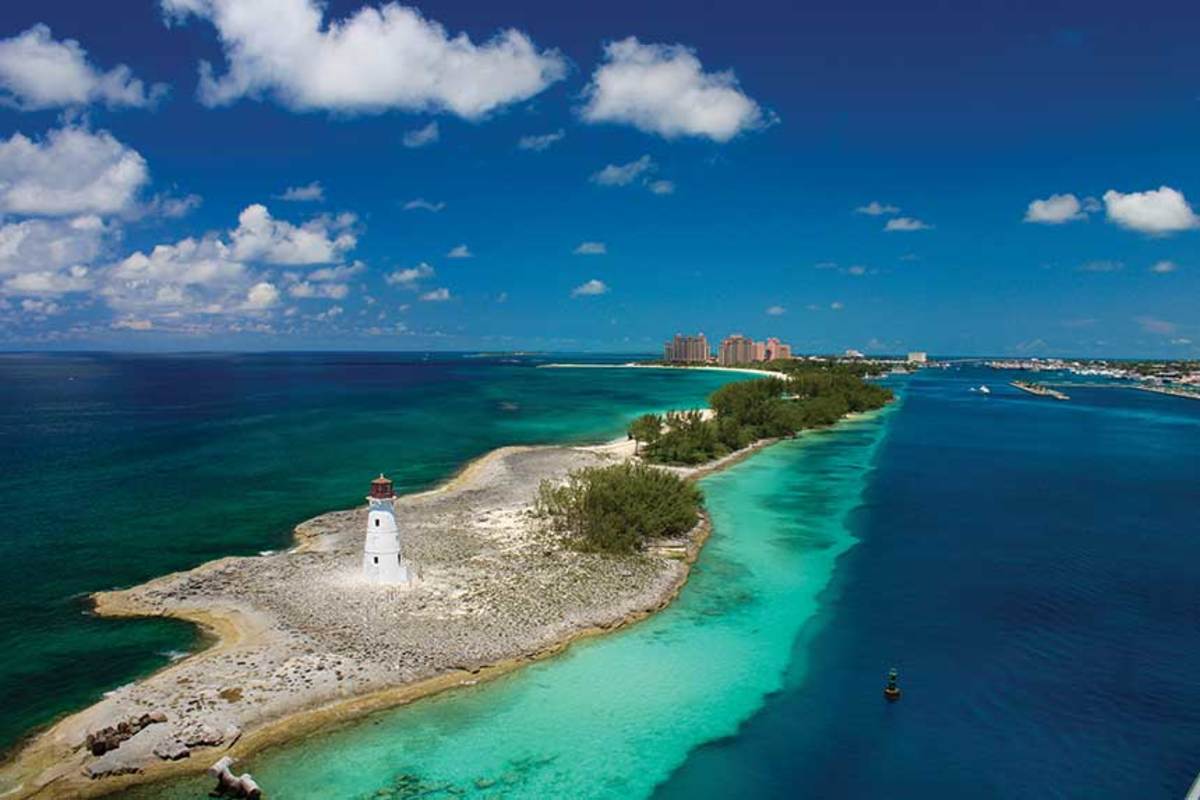
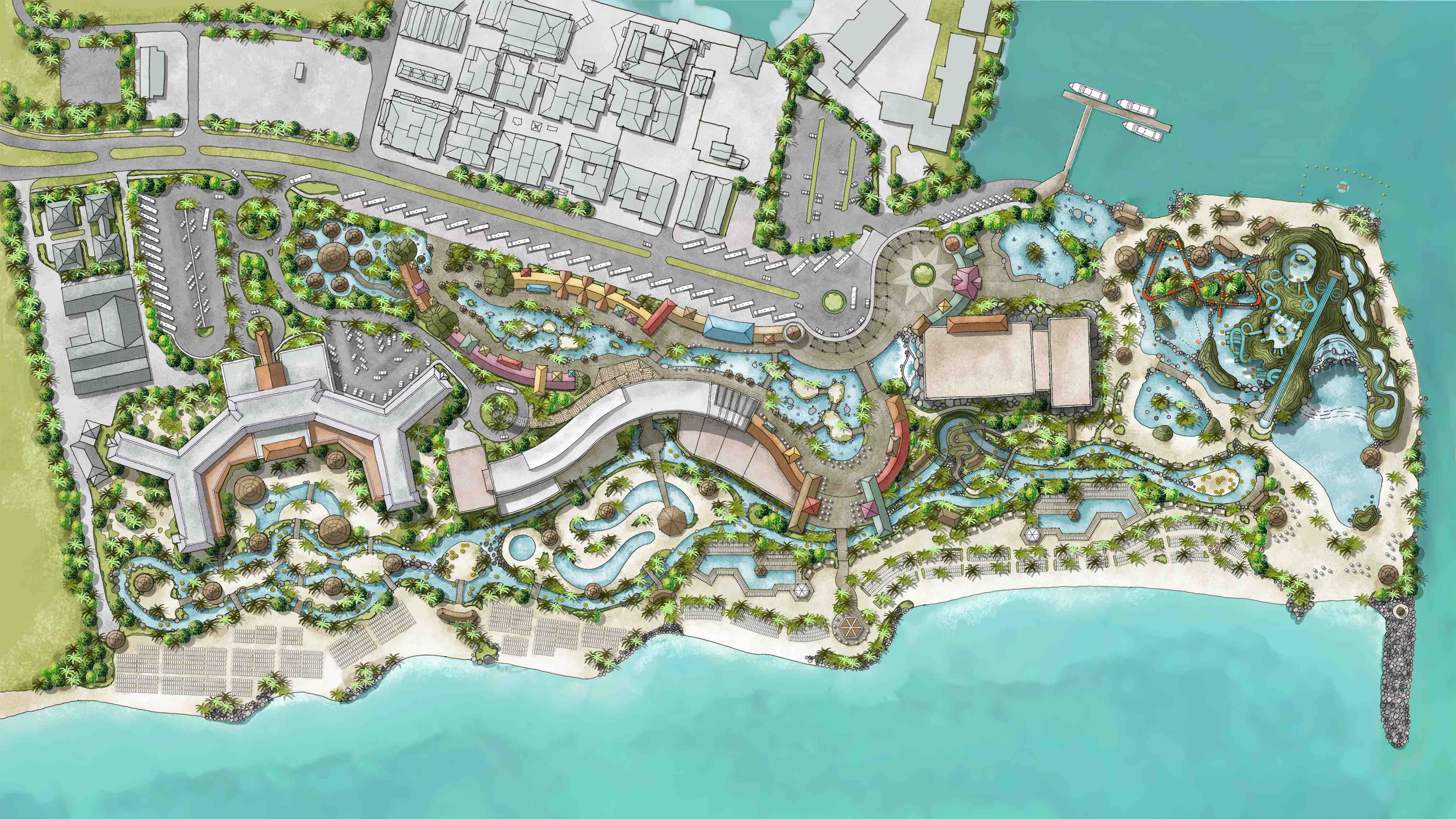
In March 2020, Royal Caribbean announced a Royal Beach Club in Nassau, which is an enhancement of an area that Royal Caribbean's cruise ships sail to, with the option for guests to go there, or do something else in that destination.

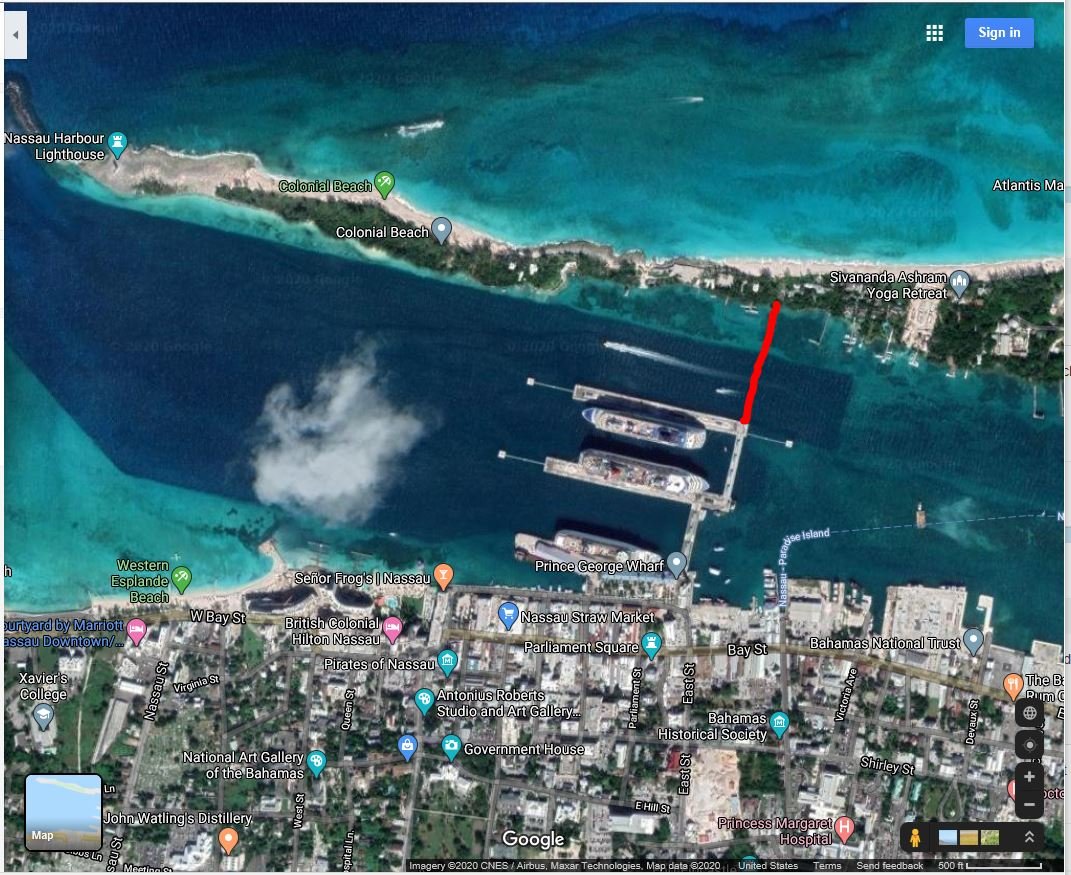
Mr. Schneider confirmed the first Royal Beach Club will be in Nassau, known as the Royal Beach Club in Paradise Island. After that, the Perfect Day projects will continue, "We're going to continue to go and build out Royal Beach clubs. The first one will be here in Nassau. It will be the Royal Beach Club in Paradise Island. And then we're going to continue to expand our Perfect Day portfolio."

"We have gotten to the point where we've announced that we've executed our lease with the government. So the total space is 20 acres, 13 of which we own privately, and then it's seven acres of government land that we've leased."

"We are going to continue to move forward to that program."

The daily occupancy for the Royal Beach Club in Paradise Island will be 3,500 guests.

Also in the Bahamas is another project in Freeport on Grand Bahama Island. 

According to Schneider, that project is still moving forward, "It continues to move forward. We're still working through the legal agreements, so that's just been an elongated process that we hope will conclude sometime soon."

So which projects are a go with the way things stand now? Mr. Schneider would only say some things have changed over the last 15 months that may or may not alter Royal Caribbean's plans.

"Number one, the destinations are evolving, meaning they're coming out of a pandemic themselves. So their situations are different."

"Second, our guests are evolving and we're constantly updating our slate of where we want to go. And so those factors and formulas together help us think about where we want to go."

Read moreRoyal Caribbean's plans to build a cruise resort in Bahamas are still alive

Amplifications will return

One of the many projects that had to be sidelined were ship upgrades under the Royal Amplified program, and it looks like those updates are delayed, but not denied.

"We're going to pick up Amplification again. We're going to keep making sure that the Amplification we have is working."

Moreover, new ship construction is not stopping either, "Our new build portfolio isn't isn't stopping. We're going to continue to build amazing ships."

"You're going to see new concepts come out on future ships and you're going to see us experiment with new fun ways to, again, get people to have an amazing vacation."

Read moreWhat was added to each Royal Caribbean ship during its Royal Amplified refurbishment

Royal Caribbean patents new way to alert cruise ship passengers in their cabin

In:

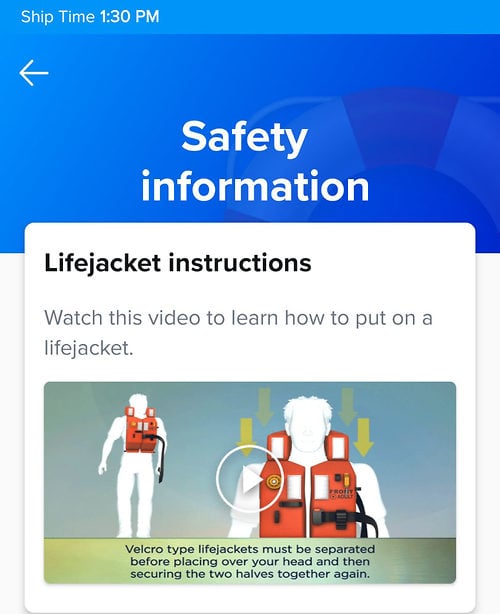
Royal Caribbean revolutionized the cruise industry with an easier safety drill, and is now looking to take it one step further with a new patent aimed at alerting passengers there is a drill they need to participate in.

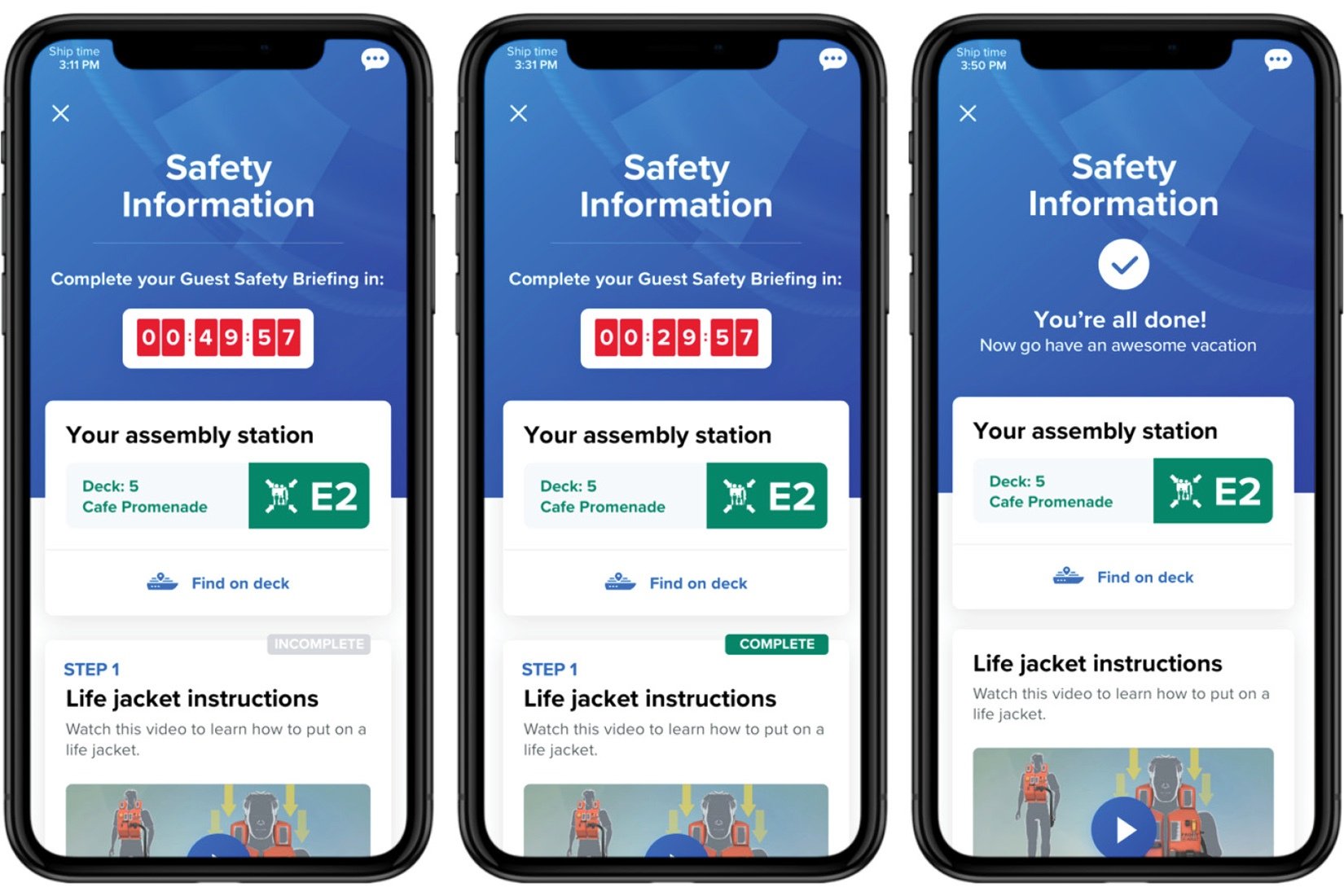
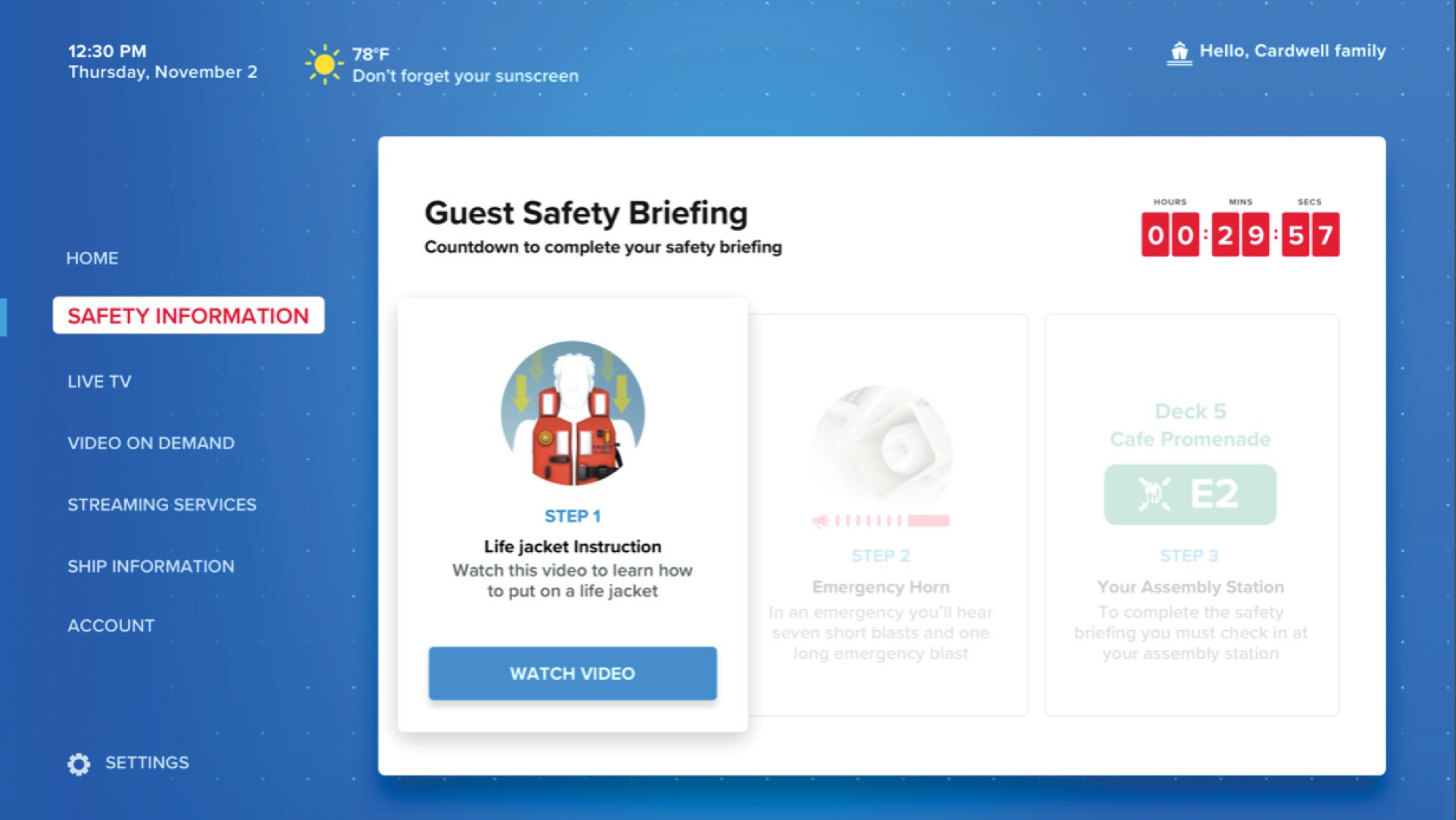
The new emuster drill is already available on Royal Caribbean International and Celebrity Cruise ships that have restarted sailings. This new drill replaces the traditional one where guests would have to stop everything they are doing and line up and hear about safety protocols.

Instead, guests have a window of time to conduct the drill via their smart phone.

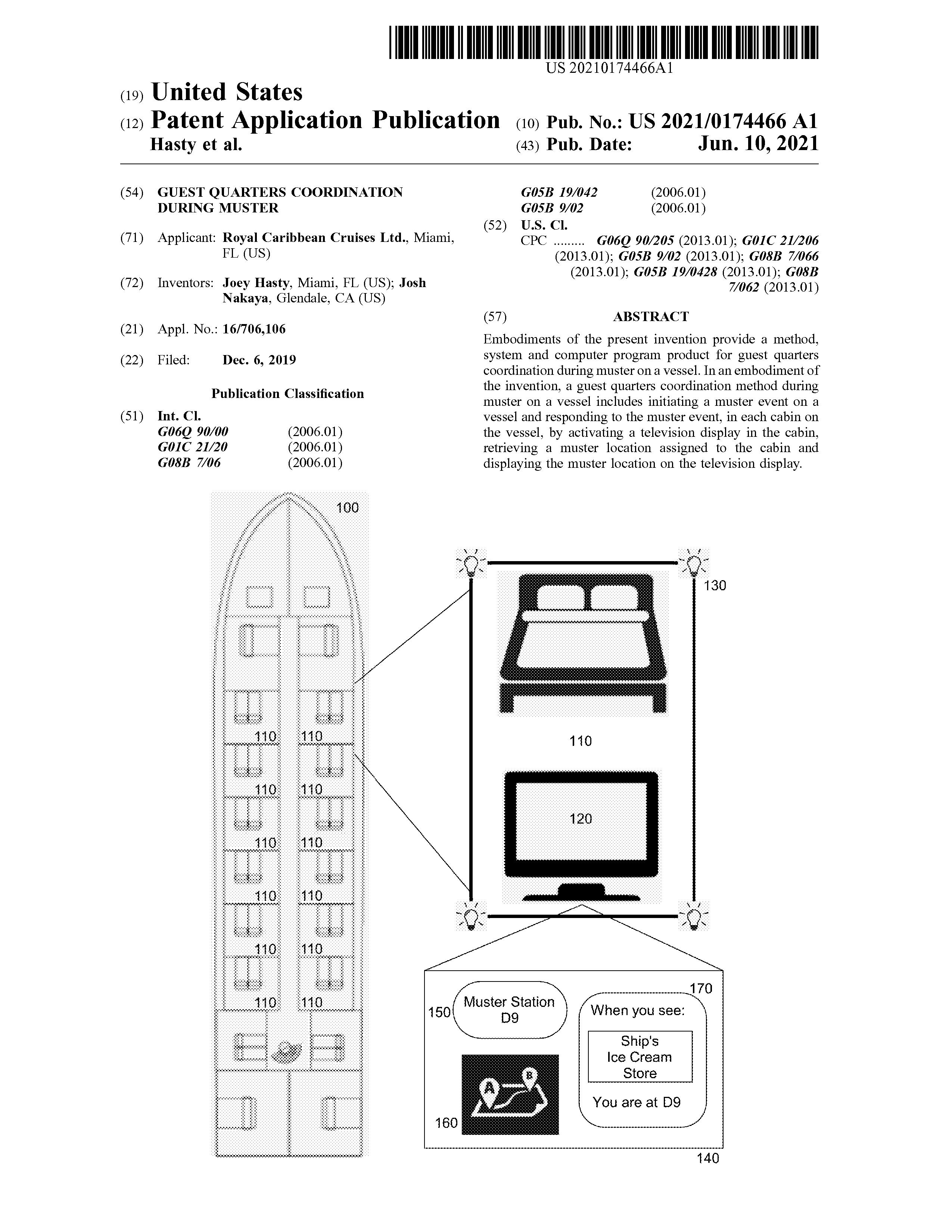
Royal Caribbean Group recently filed a patent with the United States Patent and Trademark Office for "Guest Quarters Coordination During Muster".

This patent seeks to do two things:

  • Alerting passengers in their cabin that a muster event has started
  • Displaying the muster location on the television display

The patent would cover an additional way to alert guests they need to complete their muster drill, as well be more easily notified they need to report to their muster station.

On the television, there would be a computed navigation path from the cabin to the retrieved muster location, selecting one or more turn by turn directions for the path, selecting landmark disposed within the path and displaying the muster location, a graphical image of the computed navigation path in the television display, at least one of the turn by turn directives and the landmark on the television display.

Traditionally on cruise ships, a muster drill is performed at the beginning of the cruise before the cruise ship departs or shortly thereafter.

During the muster drill, each individual passenger reports to an assigned muster station--a specific location on the vessel. A crew member then confirms the presence of each passenger expected to be present at the specific location during the muster drill so that all passengers may be accounted for in the event of an actual emergency and a resultant actual muster.

The muster process is particularly important because in the event of an emergency, all passengers can be accounted for and the location of the passengers managed relative to a location of an emergency condition aboard the vessel. 

In its filing, Royal Caribbean determined that even with the best safety drill information provided earlier, the reality is during an emergency condition--even a minor emergency--general confusion may arise simply owing to the complexity of size and architecture of a vessel and the mass movement of so many passengers to different locations within a short period of time. 

Because of this confusion, it can be confusing for some--particularly the elderly and children--both of whom often require additional assistance locating and moving towards assigned muster stations.  The foregoing difficulties may be compounded when the muster event occurs during nighttime when passengers awake from sleep and may not be completely aware of unfamiliar surroundings. 

As a result, Royal Caribbean came up with this idea for a guest quarters coordination method during muster.

Royal Caribbean patents new firework illusion special effect for its cruise ships

In:

Innovation has been a major part of what separates Royal Caribbean from other cruise lines, and that tradition continues with the cruise line's latest public filing.

The entertainment onboard a Royal Caribbean ship has always been a focal point for trying to push the envelope, and a new patent application points to something cruise ship passengers are likely to see onboard soon.

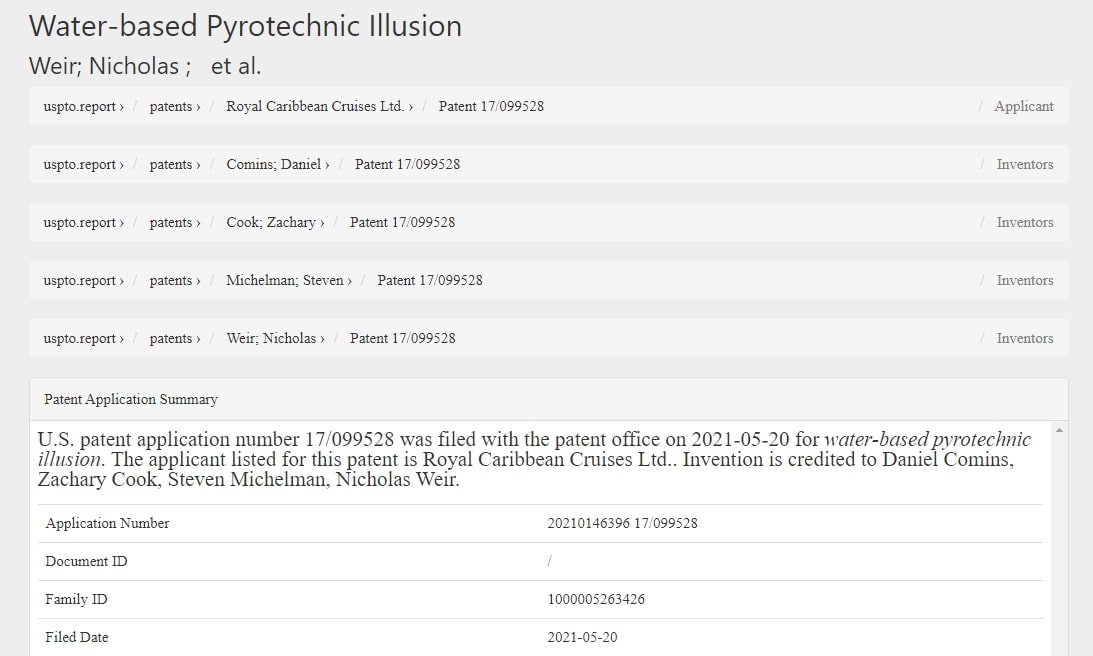
The United States Patent and Trademark Office reports a filing by Royal Caribbean for something called a "Water-based Pyrotechnic Illusion".

Among the four patent authors is Royal Caribbean's Senior Vice President of Entertainment for Royal Caribbean International, Nick Weir. It is also credited to Daniel Comins, Zachary Cook, and Steven Michelman.

What exactly is this thing that Royal Caribbean patented?

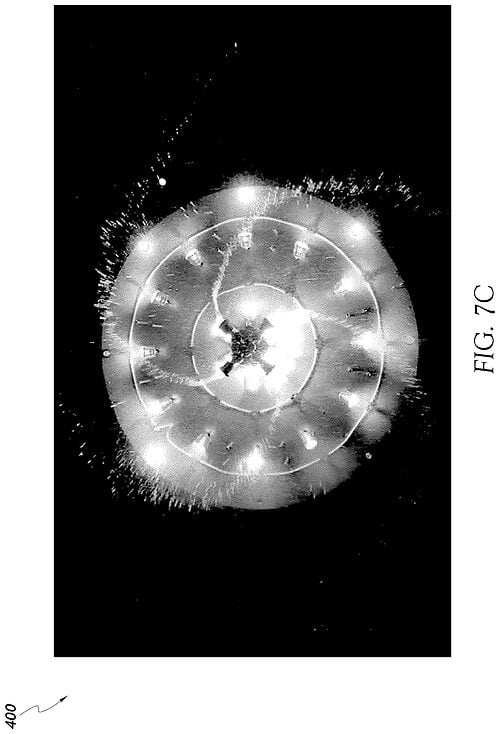
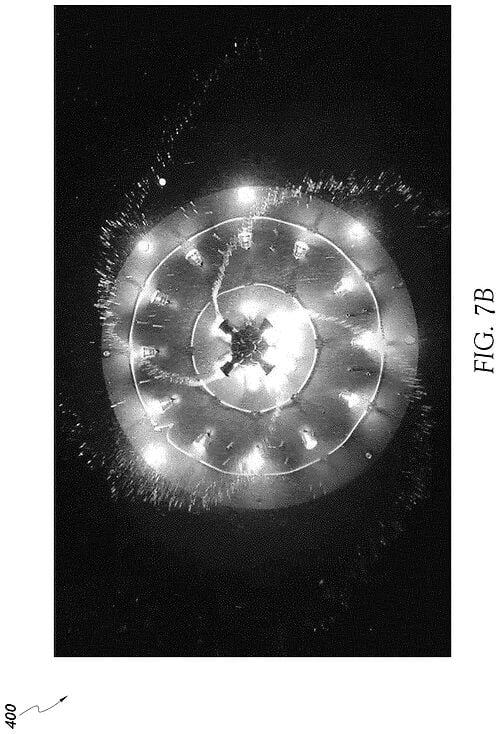
Based on the patent application, it sounds like something meant to look like fireworks, but utilizing high speed water and lights to create the effect.

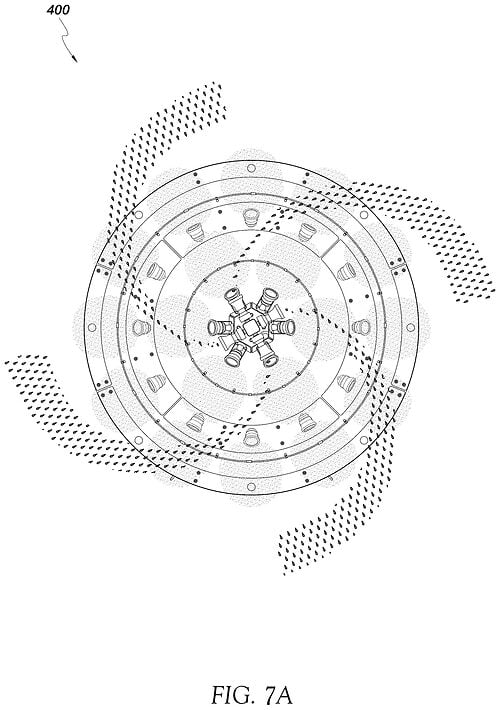
Systems and methods for firework water illusions are disclosed. In one aspect, a device for creating an illusion of rotary pyrotechnics includes at least one nozzle configured to rotate about an axis of the device and spray water in a radial direction while rotating. The device can also include a water supply configured to provide the water to the at least one nozzle and a lighting system configured to illuminate the water sprayed from the at least one nozzle to create an illusion of rotary pyrotechnics.

Basically, making something that looks like fireworks without actually using fireworks.


Figure included with patent

Specifically, they aimed to recreate a Catherine wheel, which is a pinwheel type of firework that when ignited, the energy of the fireworks not only create sparks and flame, but cause the wheel to quickly rotate, making the display much more spectacular.


Example of a typical Catherine wheel

Fire is a major concern for cruise ships, and its use onboard is usually prohibited, so creating the illusion of fire would be an important asset.

The use of fireworks in such performances, particularly in the cruise ship environment, may be relatively dangerous and/or prohibited. Thus, there is a demand for the recreation of fireworks using an illusion to recreate at least some of the effects of fireworks without the drawbacks, such as the fire hazard associated with traditional fireworks.

A few different configurations are possible with this patent, and the use of a mister or multiple water nozzles can provide different effects when the light shines on the water droplets moving at a high speed.

They even outlined using a fog machine to further enhance the look.

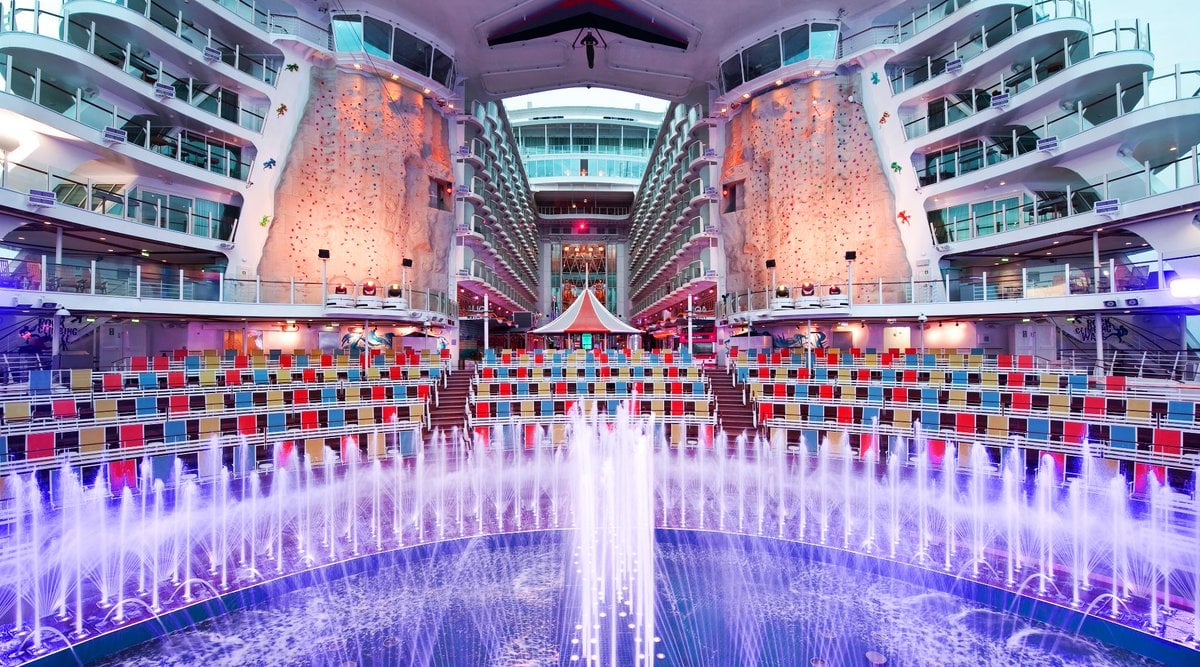
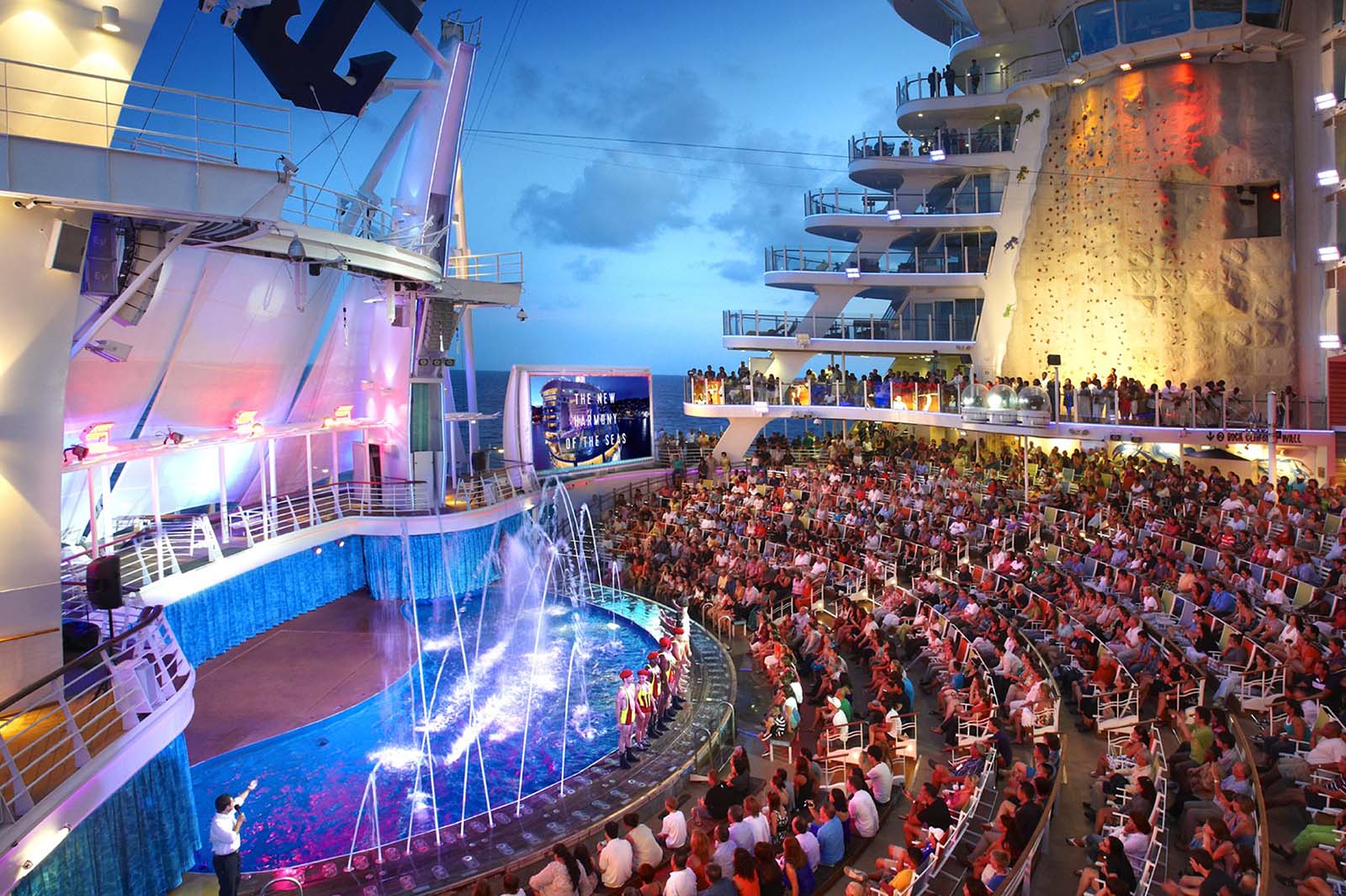
Whenever water is mentioned in the context of entertainment, Royal Caribbean's signature AquaTheater space usually comes to mind as the likely setting for it.

In fact, the patent talks about the patent being utilized in the AquaTheater without actually naming the venue.

Aquatic shows, which are traditionally performed in a permanent theater, are being adapted for performance on cruise ships due to their continued popularity. 

The patent says that a water-based illusion has an advantage since aquatic shows already have the necessary hardware support in place, as well as being more engaging to an audience compared to a simple visual projection of the image of fireworks onto a screen.

Interestingly enough, the patent also mentions this water-based pyrotechnic illusion could even be used by Las Vegas.

 Yet another environment in which such a water based firework illusion may be so-called "pool parties" which are popular in entertainment centers such as Las Vegas. These parties may include live music, DJs, numerous swimming pools, etc. In this setting, the use of fireworks may also be a fire hazard, and thus, the use of a water-based firework illusion may be desirable.

Whether Royal Caribbean uses this technology on its next Oasis Class cruise ship, which is currently under construction, or on existing ships in the fleet remains to be seen. 

Royal Caribbean sees facial recognition technology, not wearables, as the future of personalization

In:

Many cruise lines now offer guests something they can wear on their wrist or on a lanyard to personalize their vacation experience, but Royal Caribbean thinks the future is going be something different.

Speaking at the Seatrade Cruise Virtual conference, Royal Caribbean Group SVP Digital Experience Jay Schneider, talked about the how believes facial recognition will be the the best long-term solution for guests being able to customize their trip.

Why facial recognition over wearables, such as a wristband, token, or watch?  The rate of adoption among guests would be universal with facial recognition, whereas wearable technology requires passengers to want to adopt and wear something all day long for it to truly be useful.

"There are use cases where a wearable on your arm or a lanyard, et cetera, might be relevant, but your face is a better wearable for you long term than having to distribute something to you."

Schneider pointed at Disney Parks recent move from their wearable technology, MagicBands, has something to do with the limitation of adoption by customers.

Scheider, who spent a decade working at Disney, noted MagicBand adoption never really got high enough to where the company wanted, "They never really got to full parity of all of their guests with the MagicBand."

"It was a tool used by the vast majority of the resort guests, but their day visitors didn't really get the full access out of that."

Read moreHow Royal Caribbean will make check-in, Adventure Ocean and its app easier & faster

Royal Caribbean was the first cruise line to implement facial recognition technology as part of the boarding process in select cruise terminals.

In fact, Royal Caribbean announced it would invest in facial recognition back in 2017 when they introduced a slew of new innovations coming to cruises over the next few years.

Mr. Schneider conceded that facial recognition is not ready for prime time yet, but Royal Caribbean has already made strides in getting there.

"We're not there yet at the same level of ubiquity we need to be with what you can pull off with something on your arm, or a SeaPass card or something like that."

Contact tracing wearables

In the meantime, Royal Caribbean is deploying a contact tracing wearable on Quantum of the Seas, and it has provided phenomenal results.

"We've gotten to one hundred percent accuracy of false positives and false negatives on every voyage since since we basically started."

"We have what we call, "high accuracy contact tracing" that is that's nearly instantaneous on board that ship and will continue to expand it as we restart ships around the globe."

Read moreCDC asks Royal Caribbean to share covid safety technology from its cruise ships

Certainly there are privacy concerns with a device that tracks the movements of every single guests onboard, but Mr. Schneider was insistent the data is destroyed and not even shared off the ship for those reasons.

"We also want to make sure that we can retain the data on board so we can destroy it, because we're very the privacy of this data as well. It's meant for our public health team on board and our security team on board to be able to rapidly prevent cases from spreading."

Schneider is not certain if the future for contact tracing will remain with wearables, or become appcentric.

What if I want to keep my phone off while I'm on the ship?

During the session, Mr. Schneider was asked about what about people who prefer not to keep a digital device with them.

He noted that a "vast majority" of guests have their smartphone with them in many cases, but Royal Caribbean wants to ensure everyone is covered.

"We need to make technology for those to improve the experience for those who don't want to engage digitally."

"But the vast majority of our guests are engaging digitally."

CDC asks Royal Caribbean to share covid safety technology from its cruise ships

In:

As the cruise industry inches ever closer to restarting operations, the U.S. Centers for Disease Control and Prevention has asked Royal Caribbean to share some of its safety technology, a cruise line executive revealed Monday.

On a Royal Caribbean Group earnings call, Michael Bayley, president and CEO of Royal Caribbean International, said the CDC has asked the line to share the technology behind two new tools on which it is heavily relying during Quantum of the Seas voyages, which resumed from Singapore on December 1, 2020, with no port calls.

"...that technology development is really, we think, groundbreaking and very sophisticated," Bayley said. "And in our conversations that we had the week before last with the CDC, they specifically asked us to share that technology and what we've been doing in Singapore with them, which we've subsequently done."

"There are two technologies that have come from Quantum that really are game-changing. One is the e-mustering, which completely transforms the whole process of lifeboat mustering," Bayley explained.

Muster 2.0 -- otherwise known as "e-mustering" -- is a system that helps to keep large groups of passengers from congregating for what, previously, was an in-person safety drill prior to sailaway on each cruise.

Now, passengers can simply watch safety briefings via a cell phone app or their in-cabin televisions. They will have a four-hour window in which to do so and then report, in person, to a designated area where a crew member will verify completion.

Read moreTop 10 questions about Royal Caribbean's new Muster 2.0

Bayley then discussed a second innovation used on Quantum of the Seas -- contact tracing.

"The second is, we've really developed technology for contact tracing, using a combination of technologies. One of them is a Tracelet, which basically each guest wears, and you can tell exactly how long they've been in contact with everybody else who's wearing a Tracelet.

"Then, we have artificial intelligence connected into basically CCTV cameras that use facial and body recognition to then double check and verify contact tracing in the event that somebody did have covid onboard the ship."

Although Royal Caribbean filed a patent for Muster 2.0 in 2019, months before the pandemic was declared, the Traclet's patent was filed in October 2020 as a means to help track covid cases onboard.

Read moreHow cruising changed on Royal Caribbean's first cruise back

Similar to Royal Caribbean's WOWBands, Tracelets are made of silicone. The latter use tracking technology to determine who came in contact with any person found to test positive for covid during a sailing. This information allows proper action to be taken in terms of isolating and quarantining to avoid further spread.

Royal Caribbean's new rules state the following:

"Contact tracing is an important part of our enhanced protocols to keep all our guests and crew safe. Each guest will be provided with a wearable device that allows rapid tracing in the event it is necessary. If you have found to have come within 6 feet of a covid-positive person, for at least 15 minutes, certain actions may be required for your safety and the safety of your fellow guests."

Currently, cruise lines are implementing a slew of new protocols in line with the CDC's conditional sail framework. They include improved air filtration systems and cleaning procedures, as well as plans for isolating, quarantining and disembarking ill passengers if necessary.

In order to test these protocols, cruise ships will soon be required to undergo test sailings with volunteer passengers. If all goes well, each vessel would then be required to receive authorization from the CDC in order to resume revenue voyages.

Subscribe to Technology