I just spent $4,359 to sail on Royal Caribbean’s newest cruise ship, Legend of the Seas. Although my dreamy European vacation wasn’t cheap, it was the highlight of my summer.
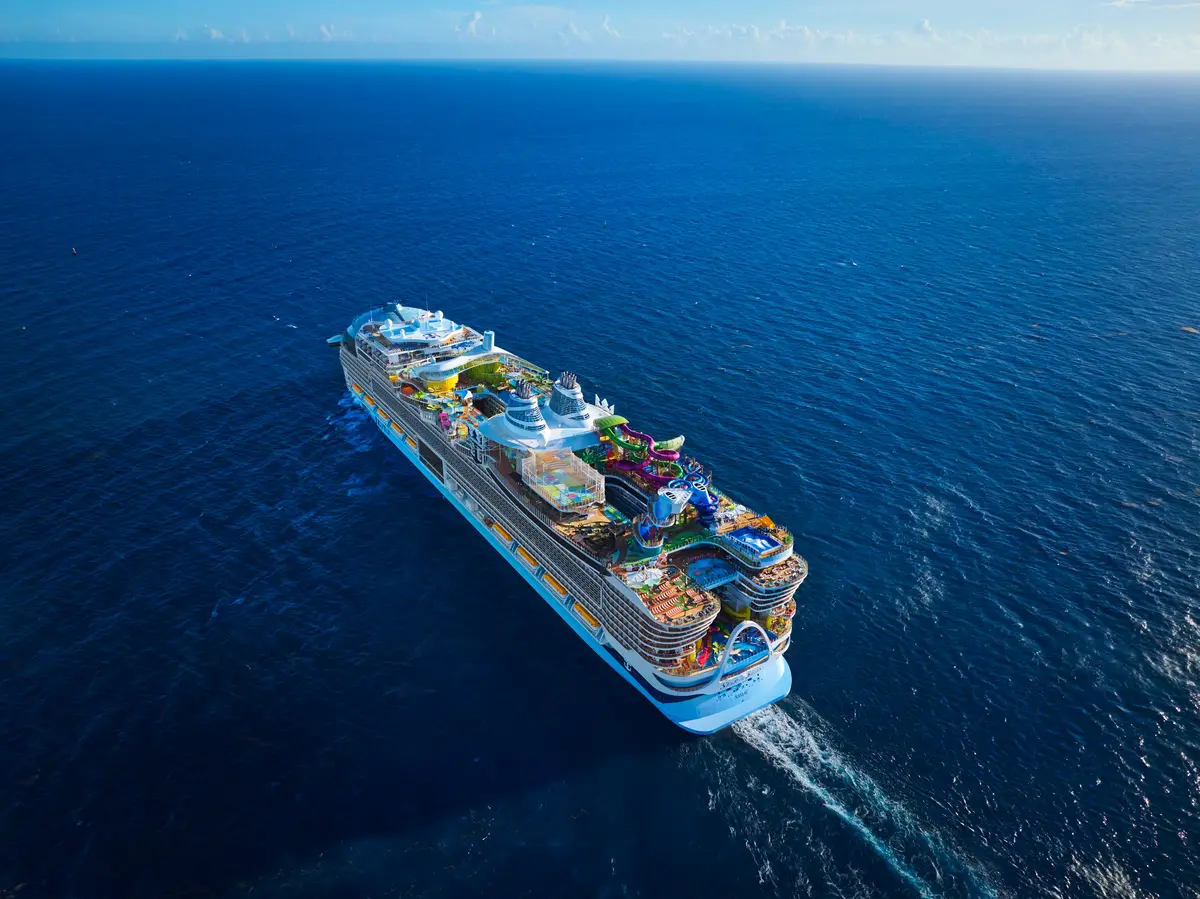
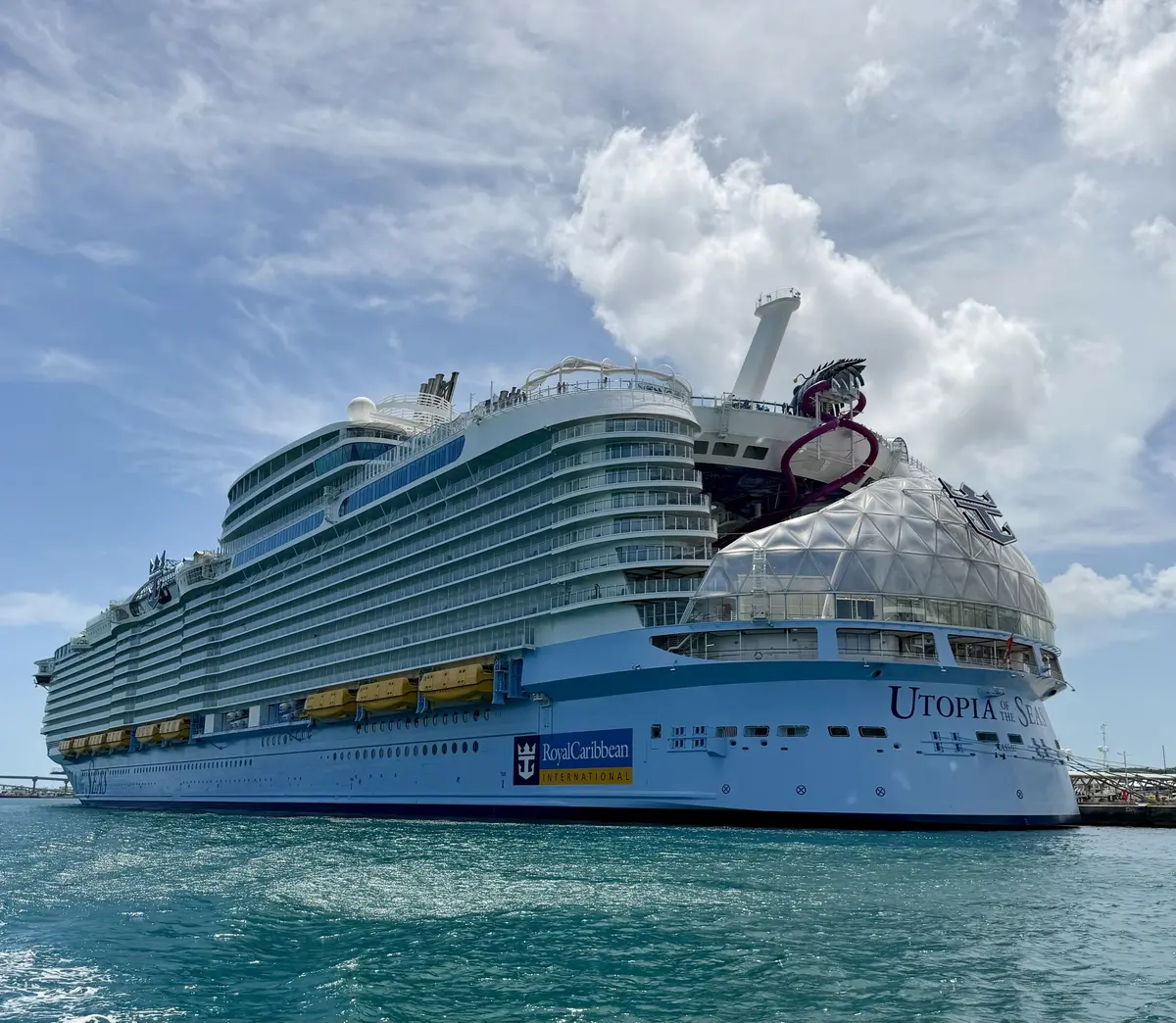
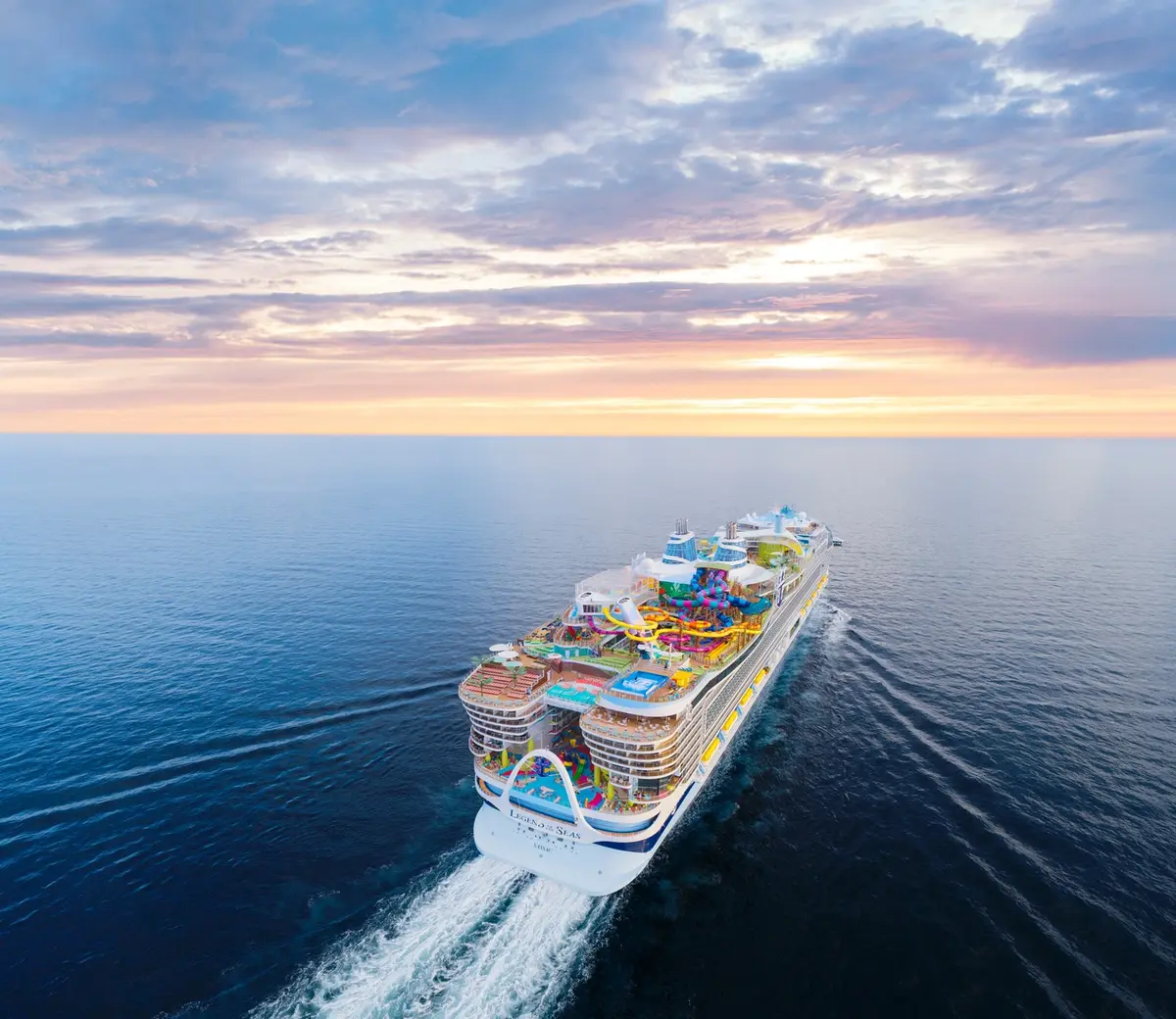
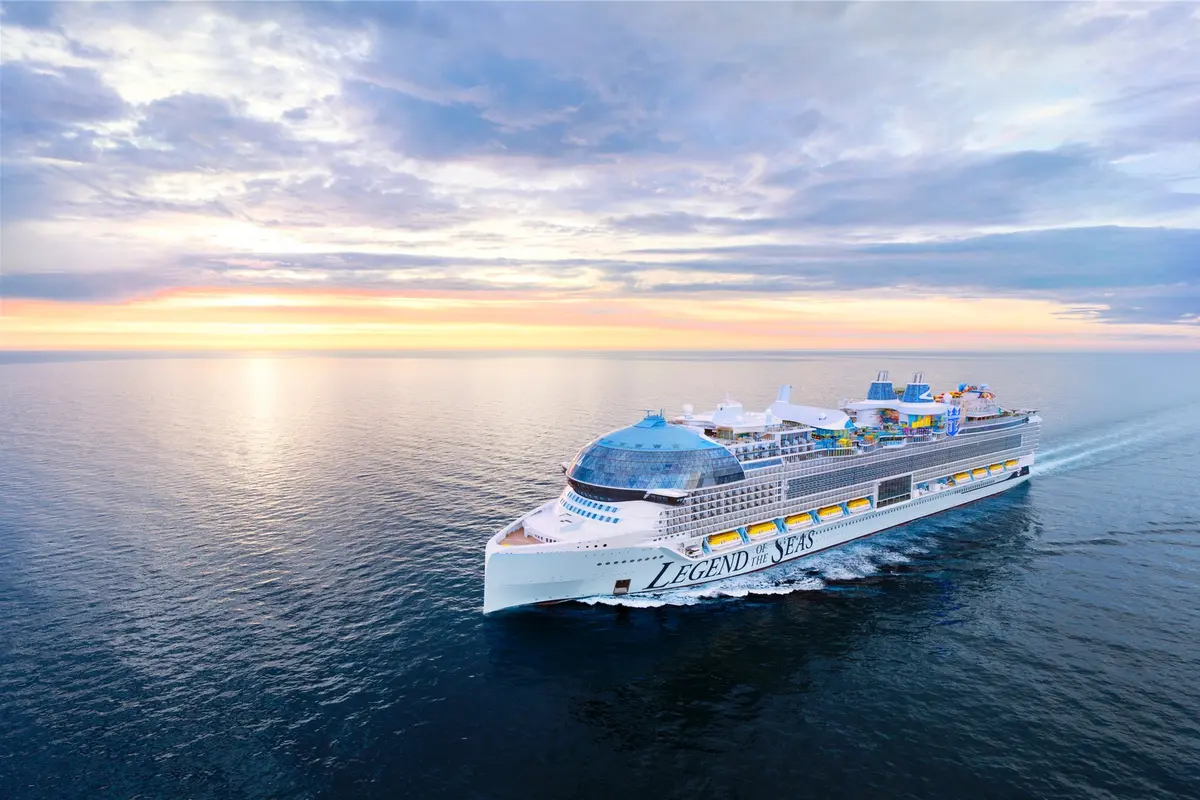
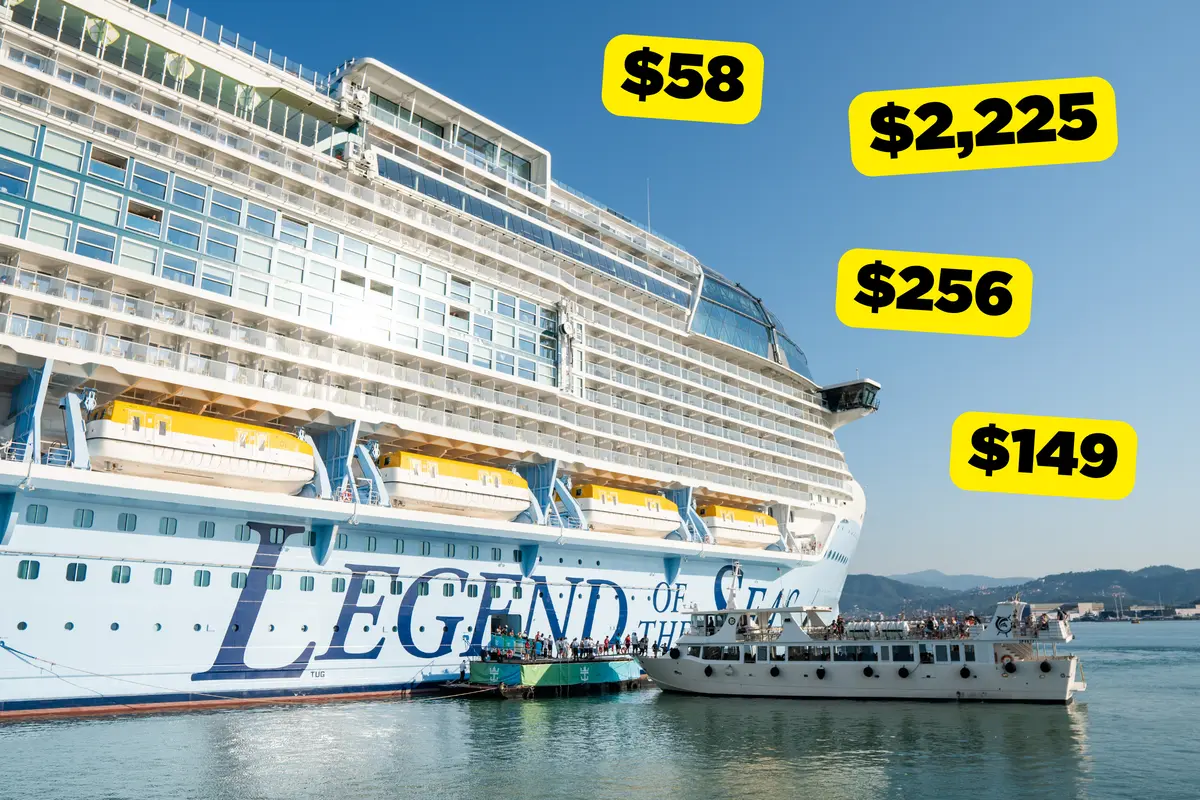
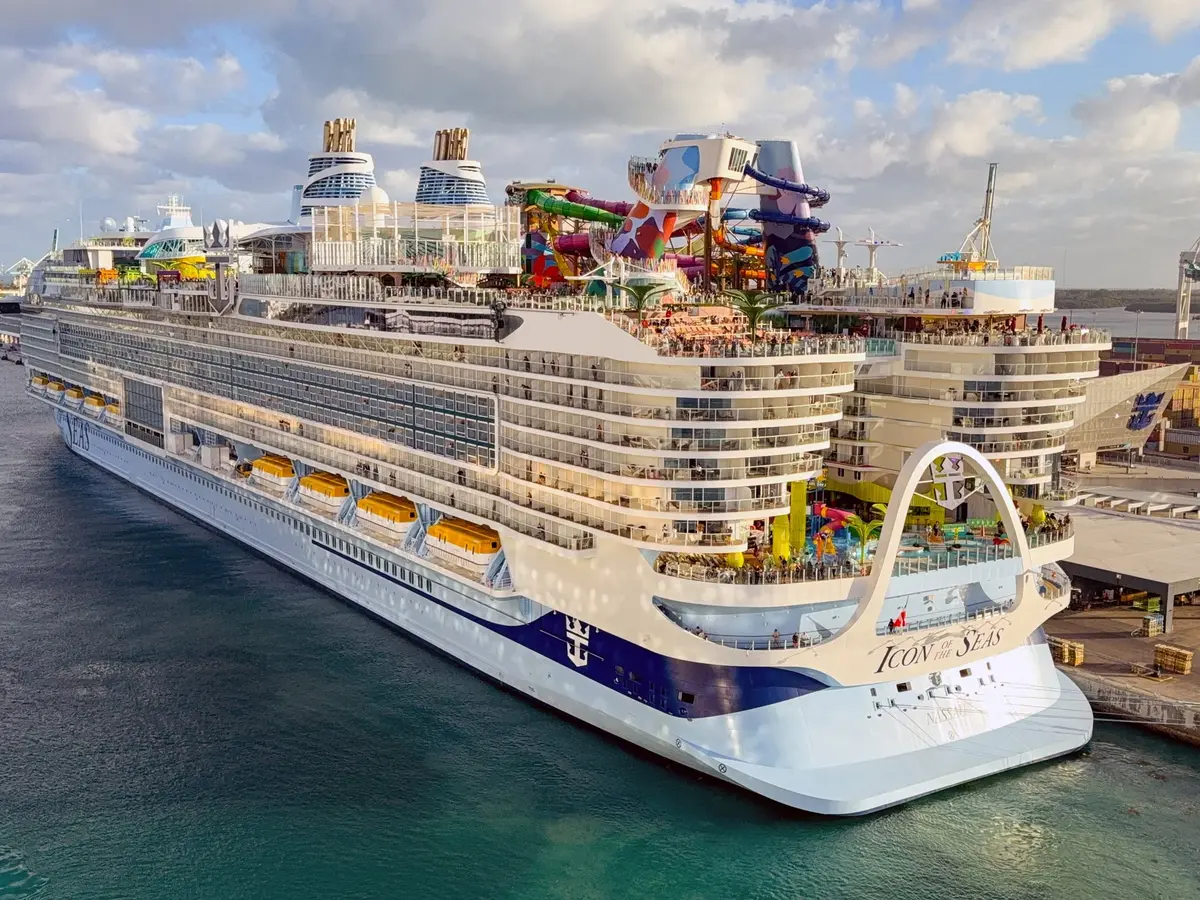
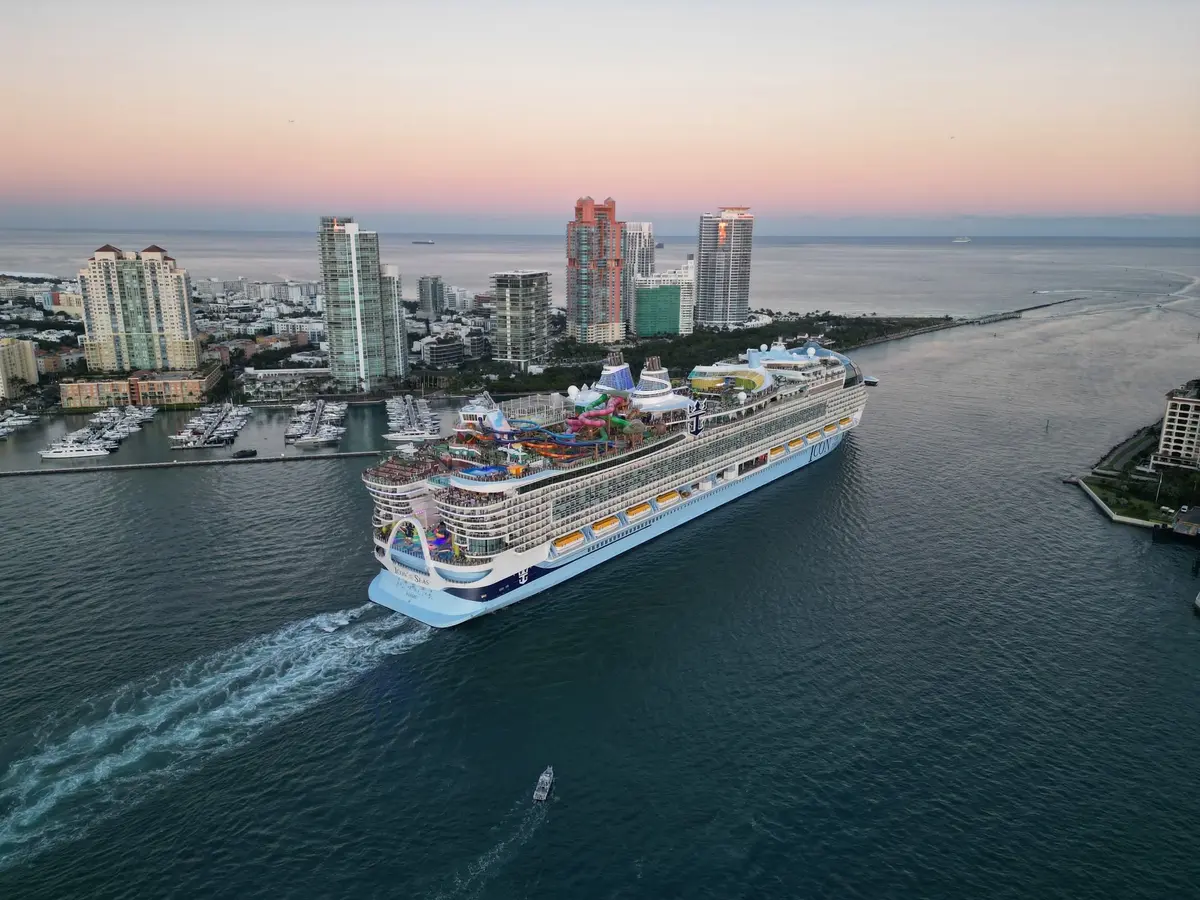
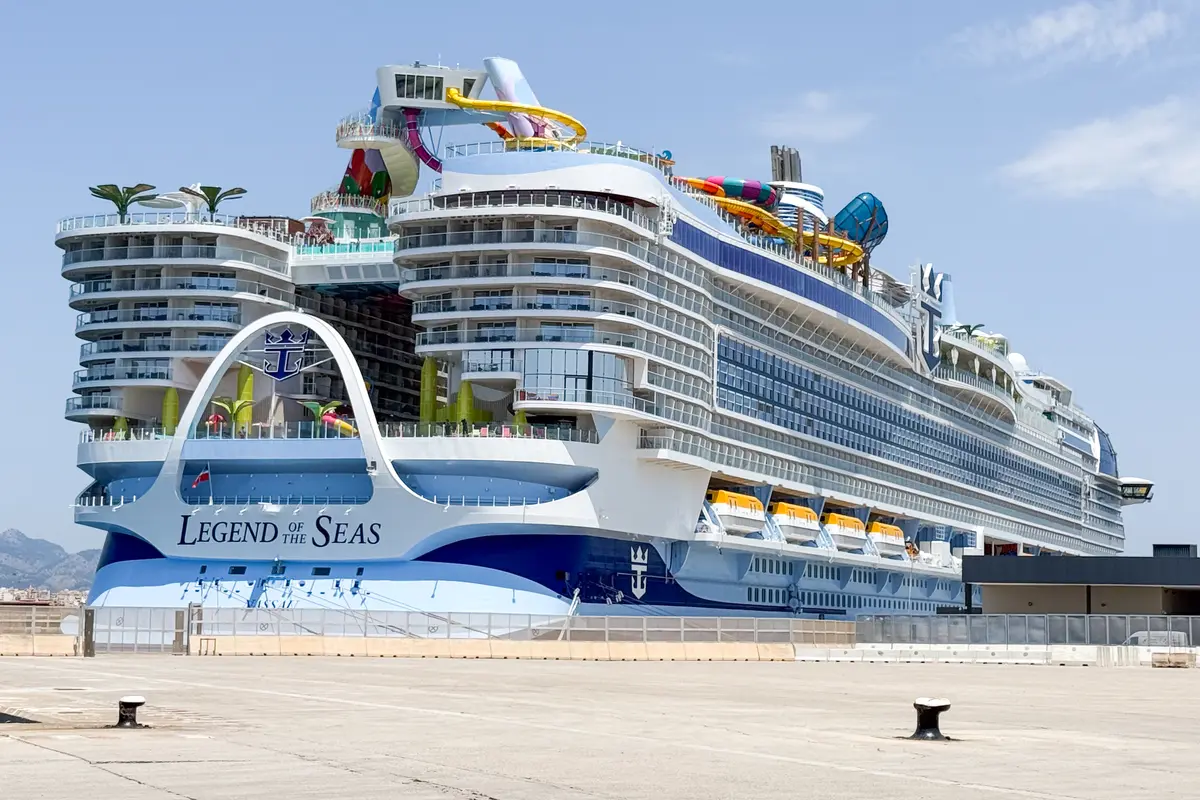
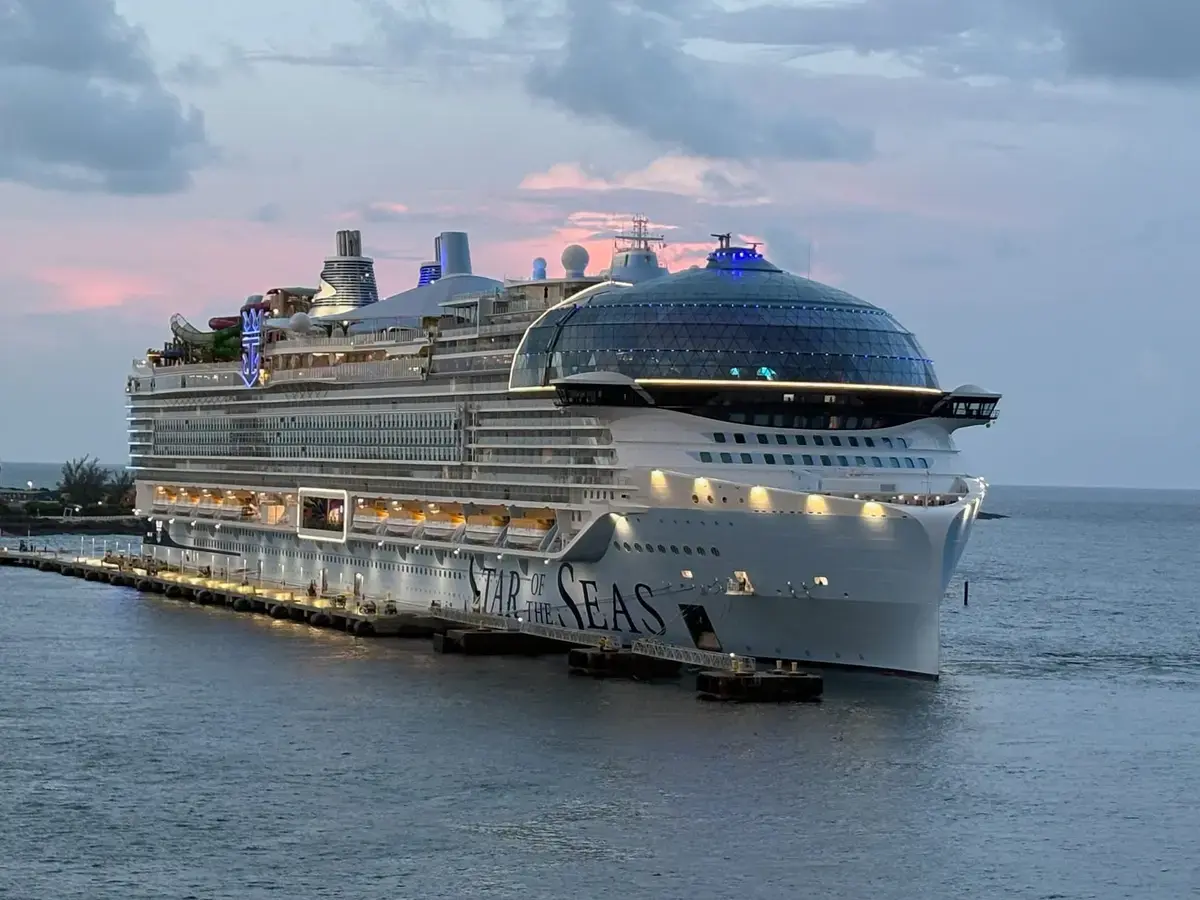
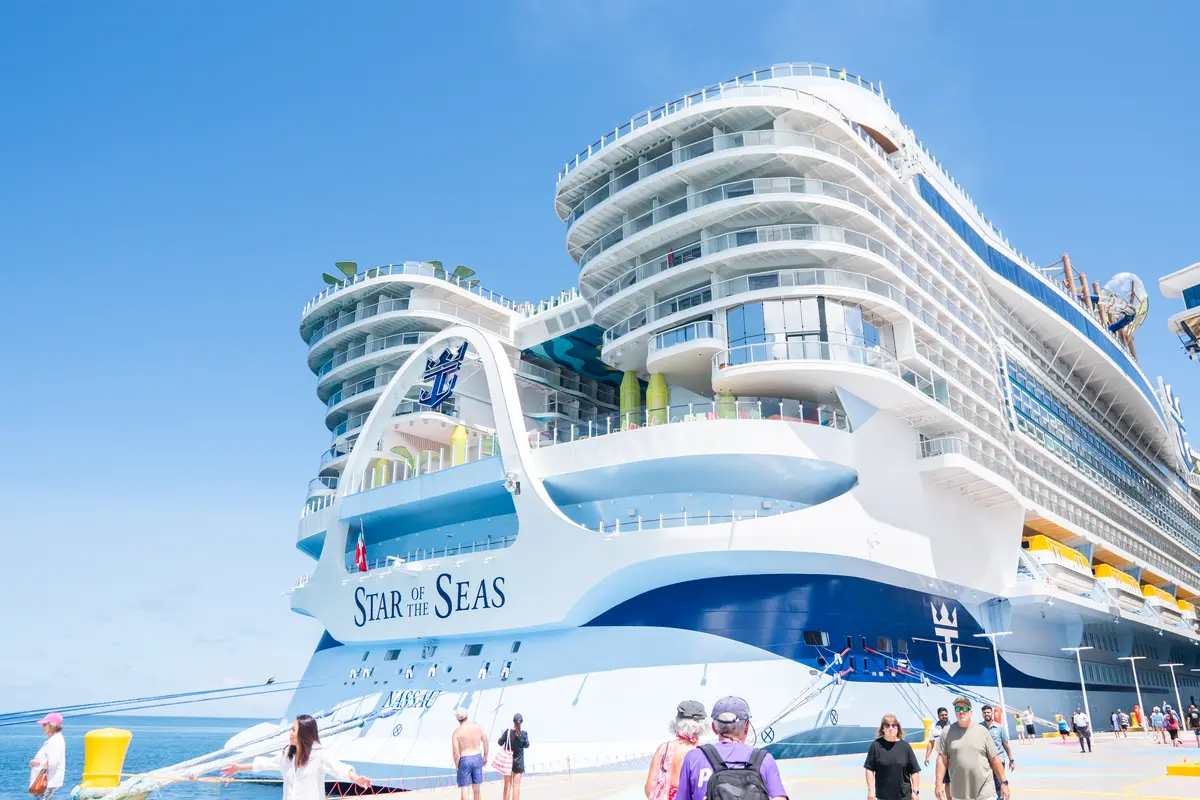
Brand-new cruise ships typically warrant the highest prices, and Legend of the Seas is no exception. The vessel is the third in Royal Caribbean’s record-breaking Icon Class, and she made her official debut earlier this month. I sailed on the ship’s inaugural voyage, a 7-night Western Mediterranean cruise from Rome, Italy.
When budgeting for a cruise, it’s important to consider not only the cruise fare, but all of the extra purchases that make up the total cost of a vacation. I had to budget for flights, a pre-cruise hotel, shore excursions, and miscellaneous expenses while onboard.
Here’s what it really costs to sail on Royal Caribbean’s newest ship, Legend of the Seas.
My cruise fare was $4,450, or $2,225 per person
Icon Class cruise ships come at a premium thanks to the plethora of things to do, see, and eat onboard. You shouldn’t expect to see any budget fares on these vessels, especially on an inaugural voyage.
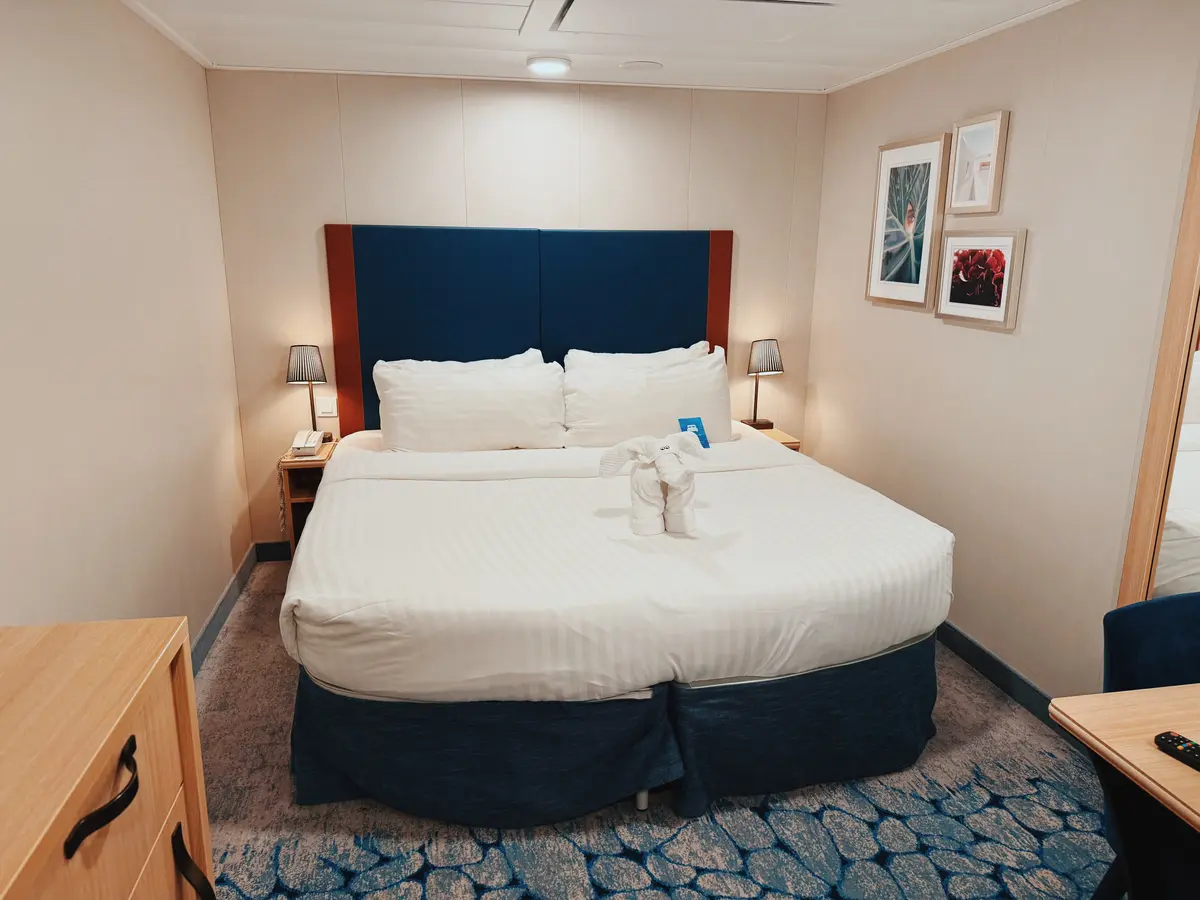
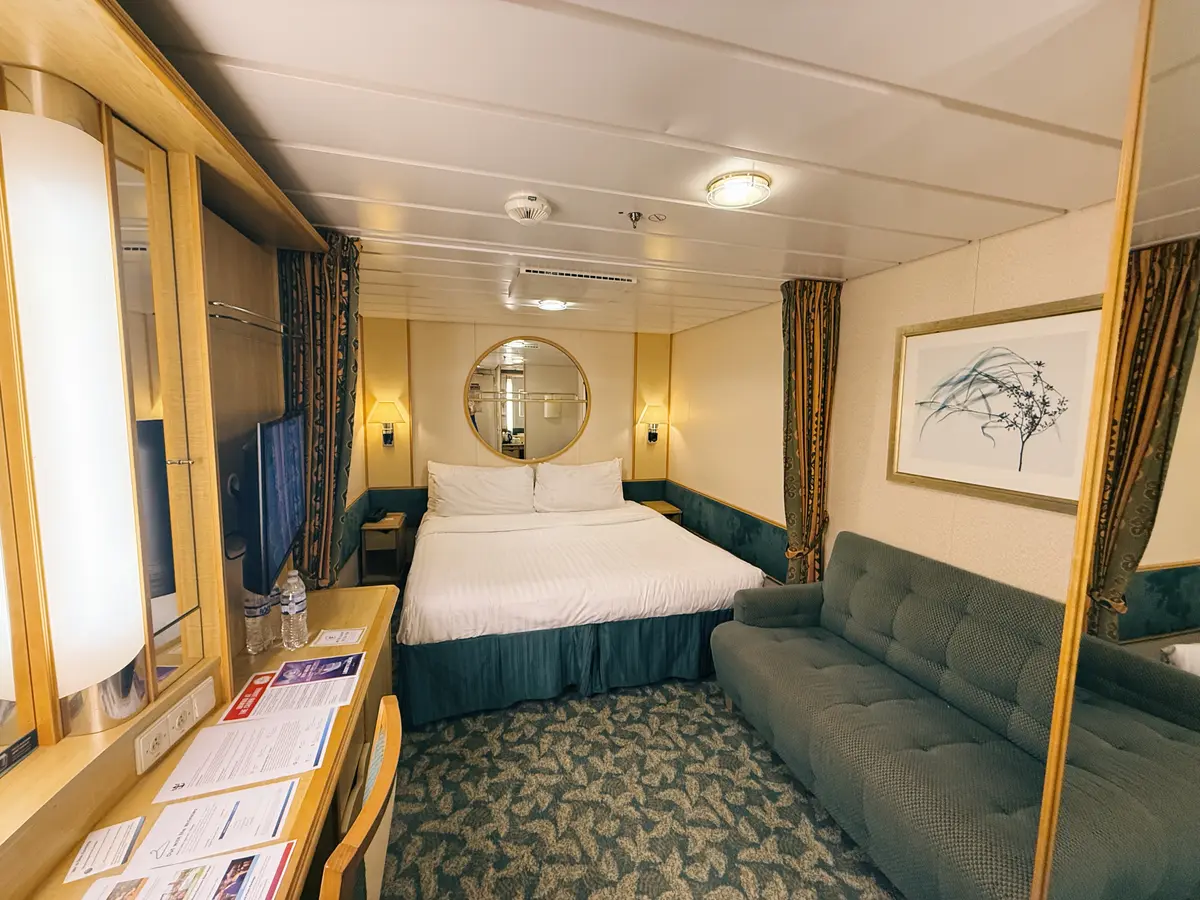
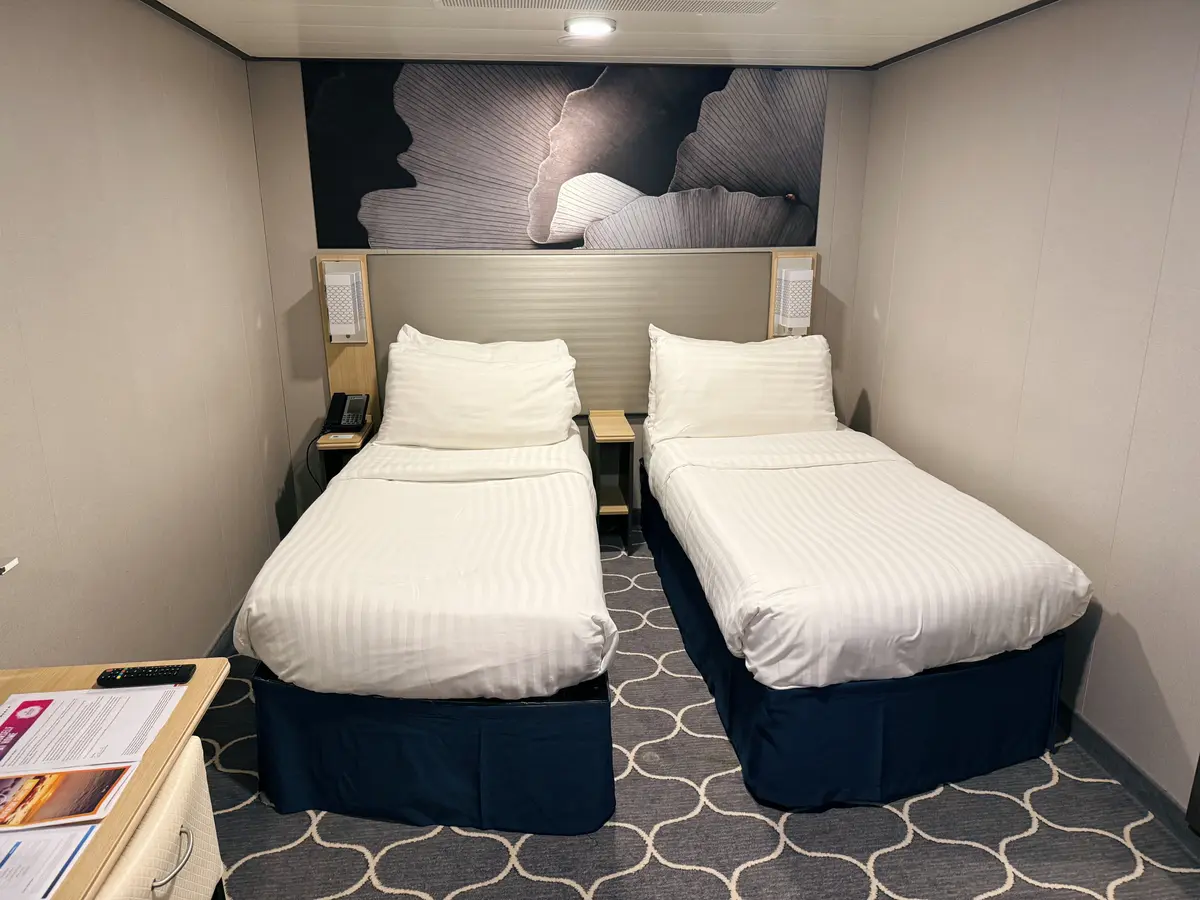
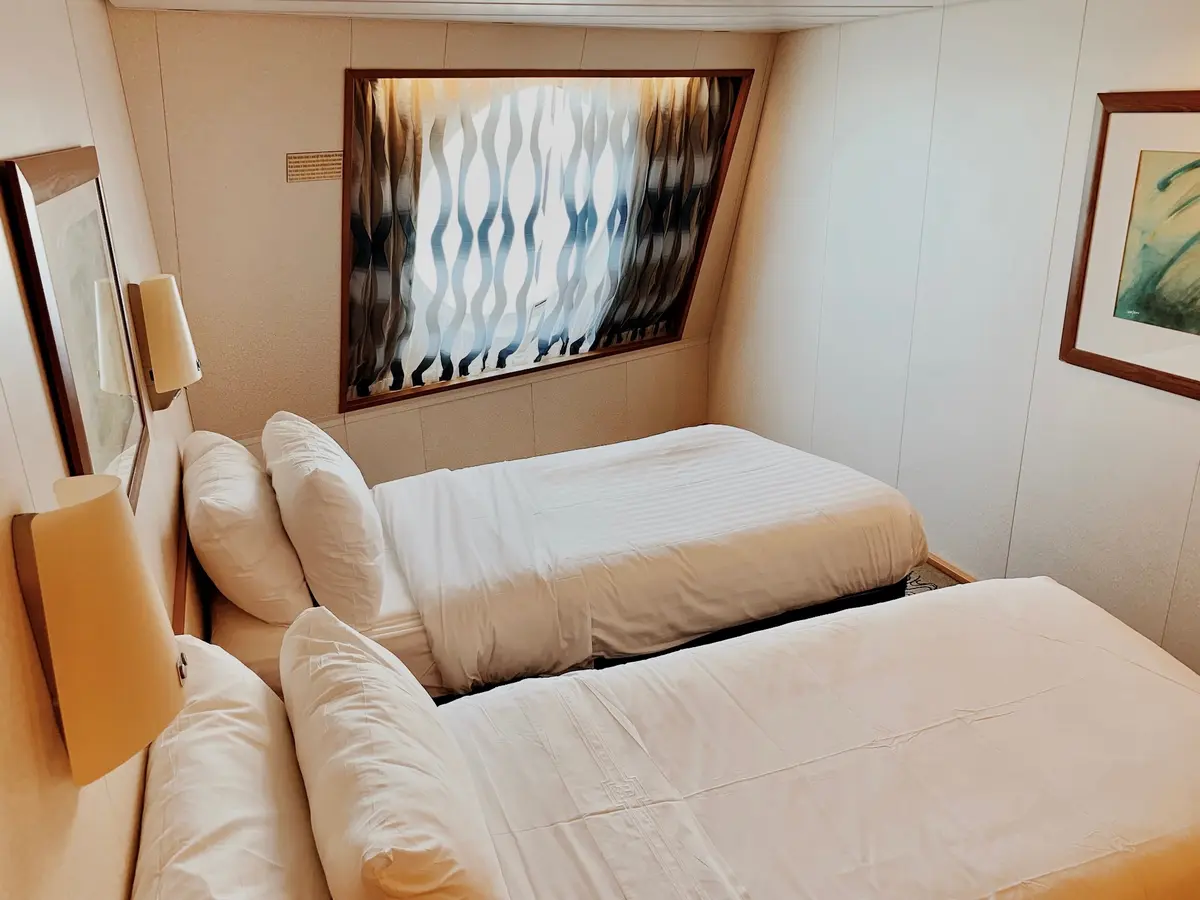
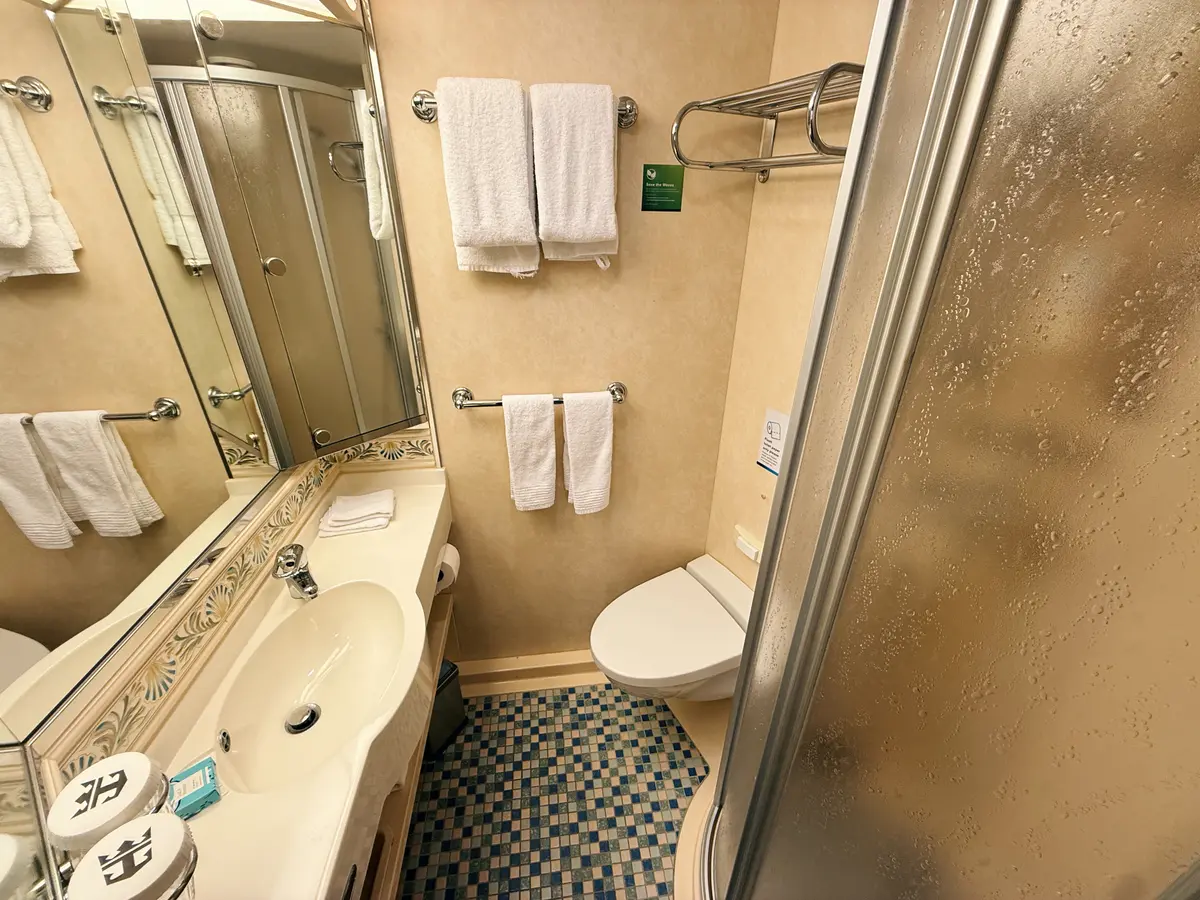
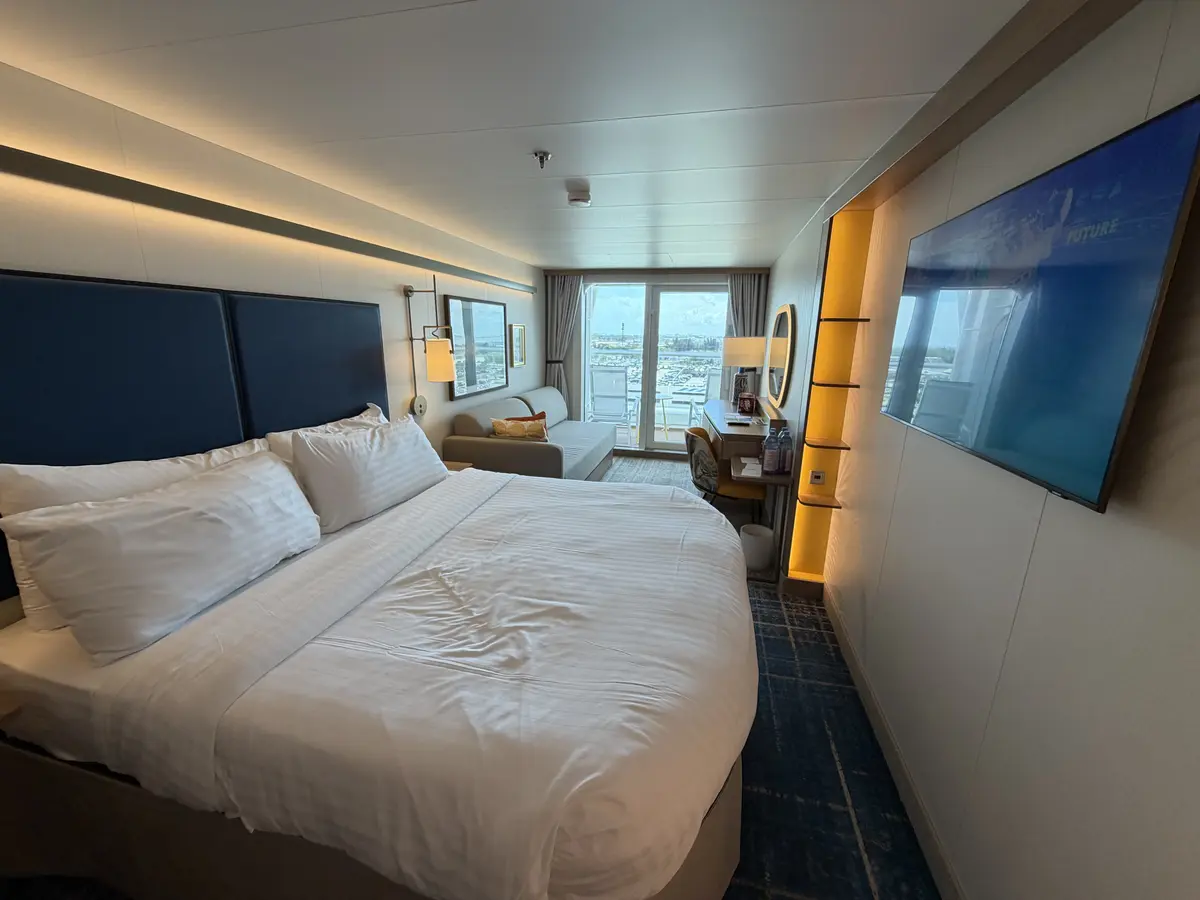
I reserved an interior guarantee cabin for $4,450. This was the cheapest option available when I booked the cruise in January 2026. The cruise fare included taxes, fees, and gratuities for two adults. I shared the cabin with my brother, bringing the total cost to $2,225 per person.
Related: Should you book a guarantee stateroom on a cruise?
Spending over $2,000 per person for an interior cabin is expensive—there’s no denying that. Last year, I booked a cruise to Greece on a smaller Royal Caribbean ship, Explorer of the Seas, for a little over $2,000 total.
Nonetheless, I expected the price to be high, and I was looking forward to sailing on the exciting new ship.
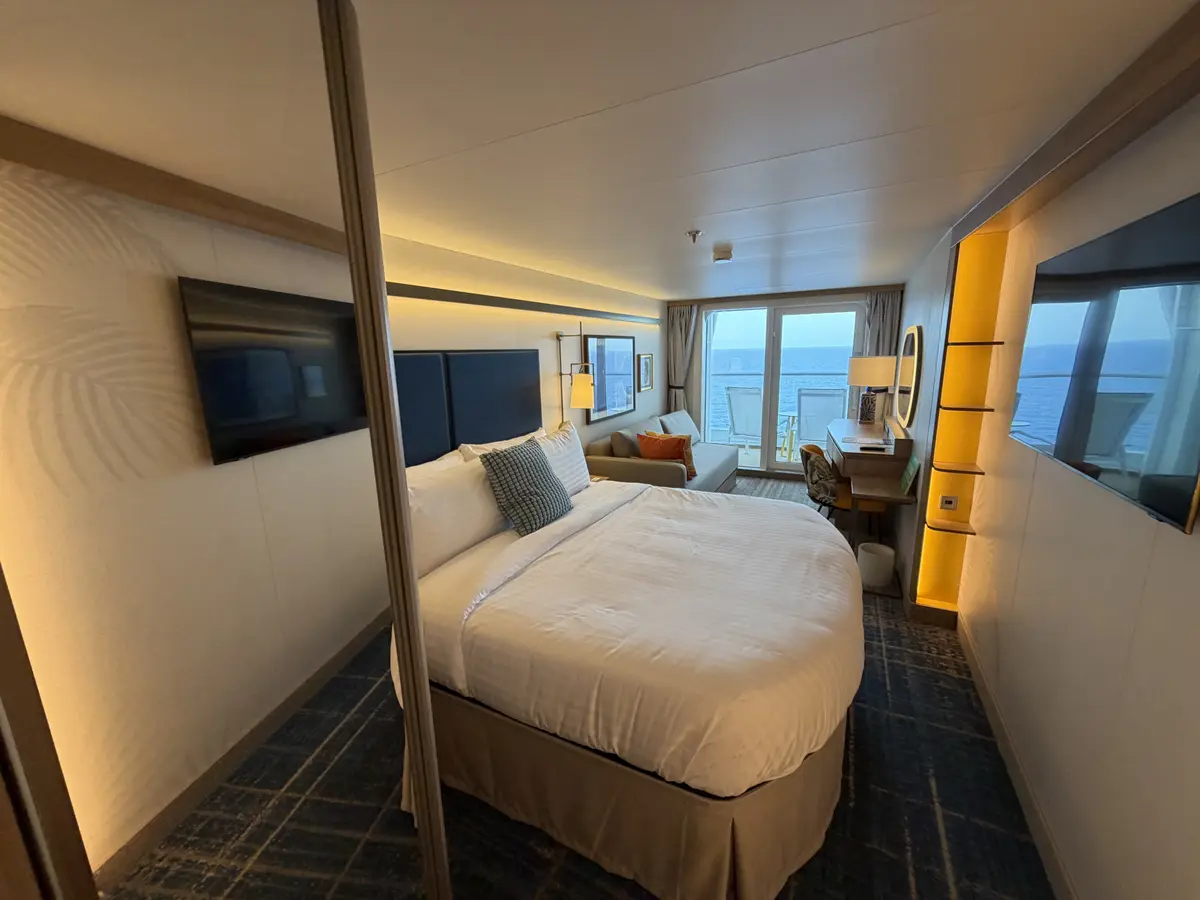
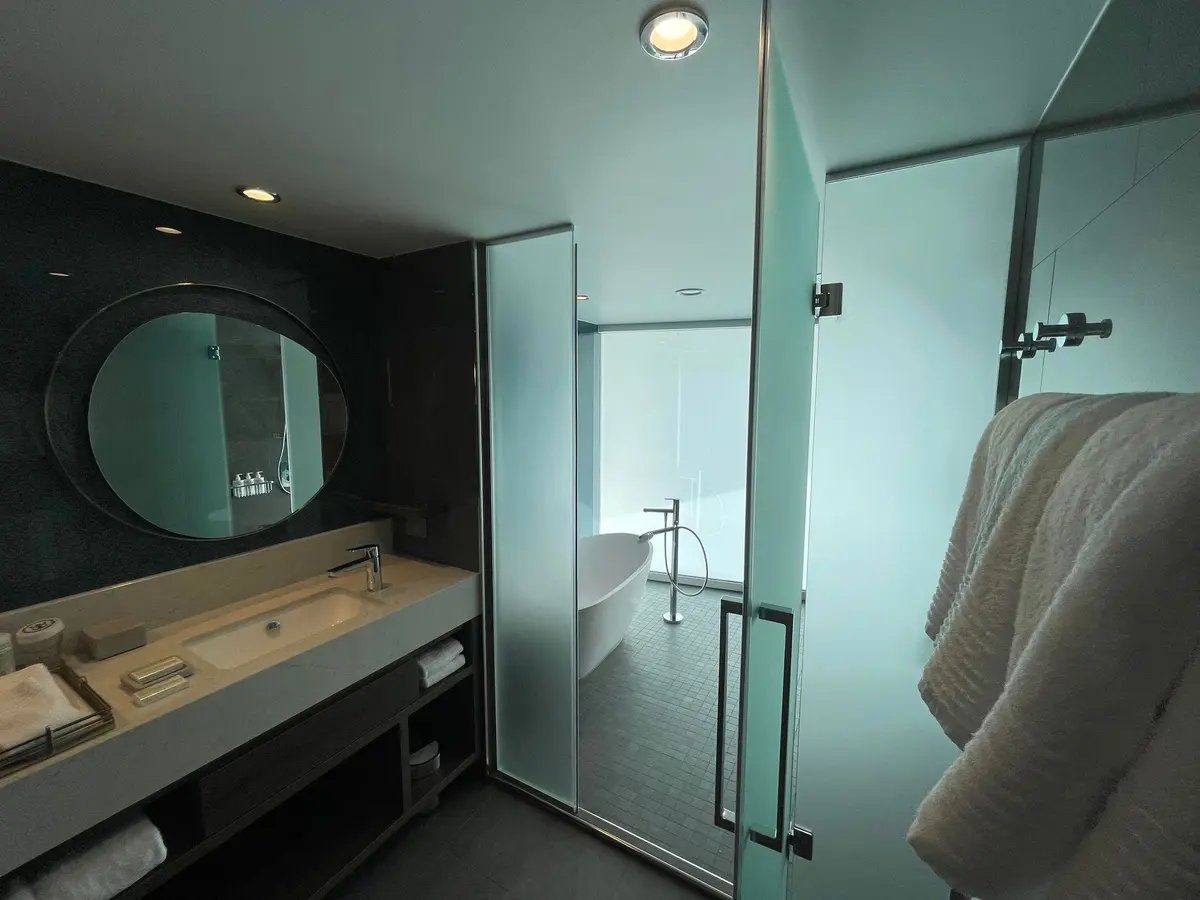
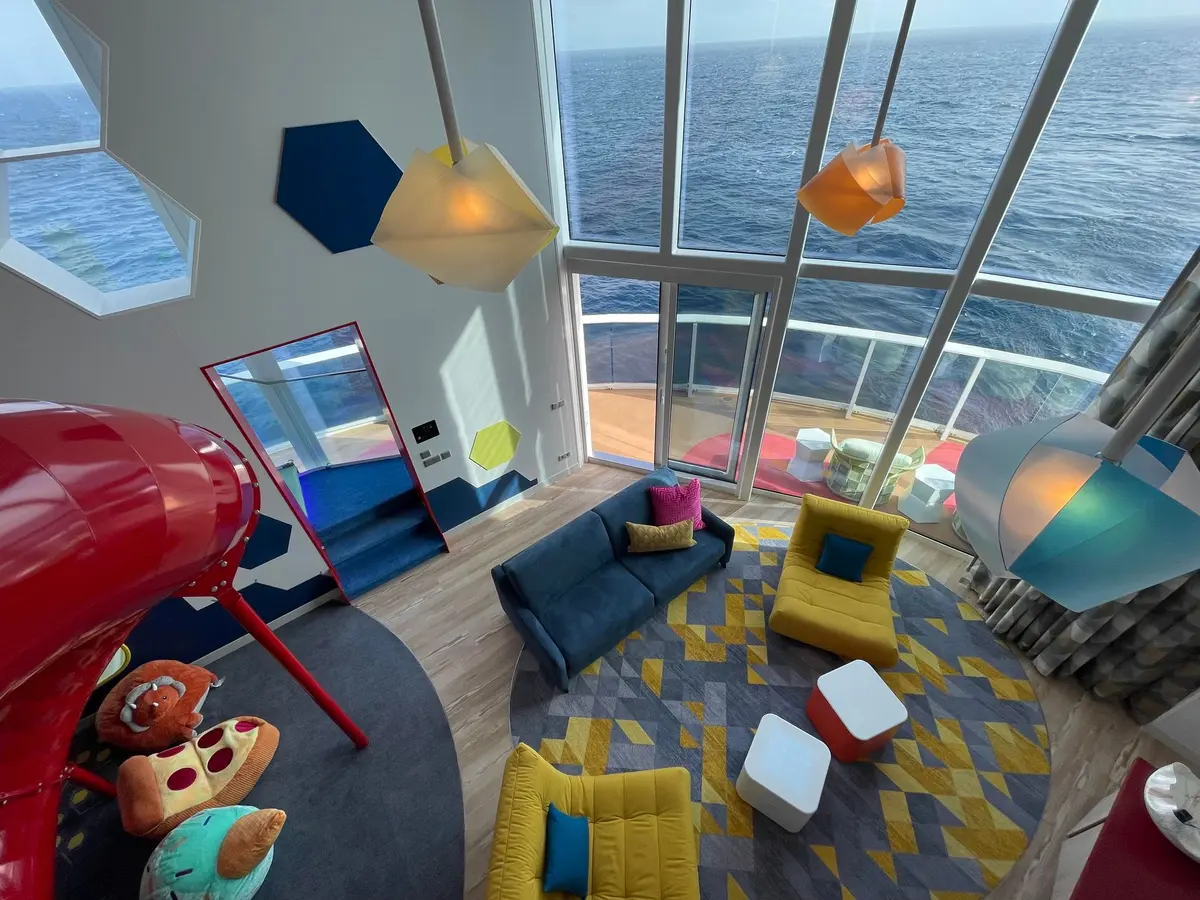
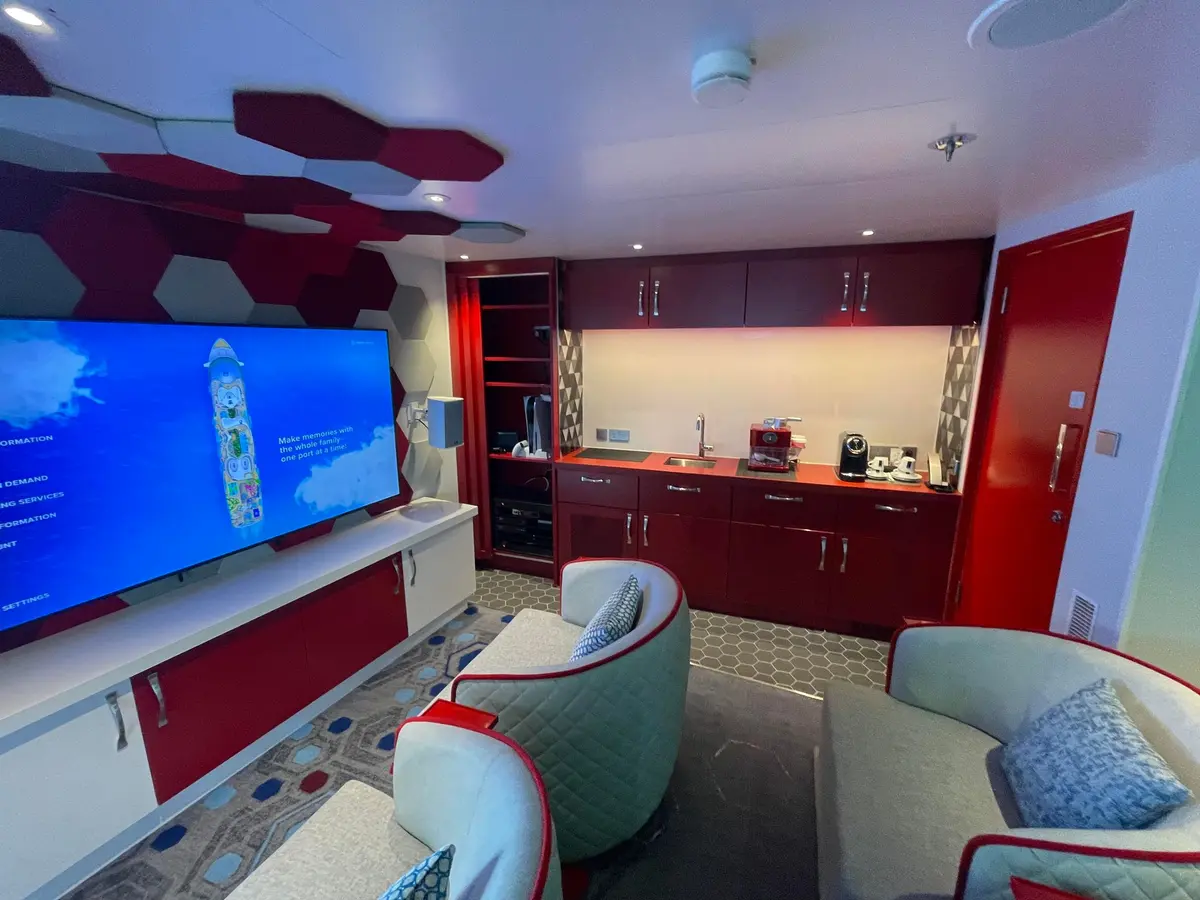
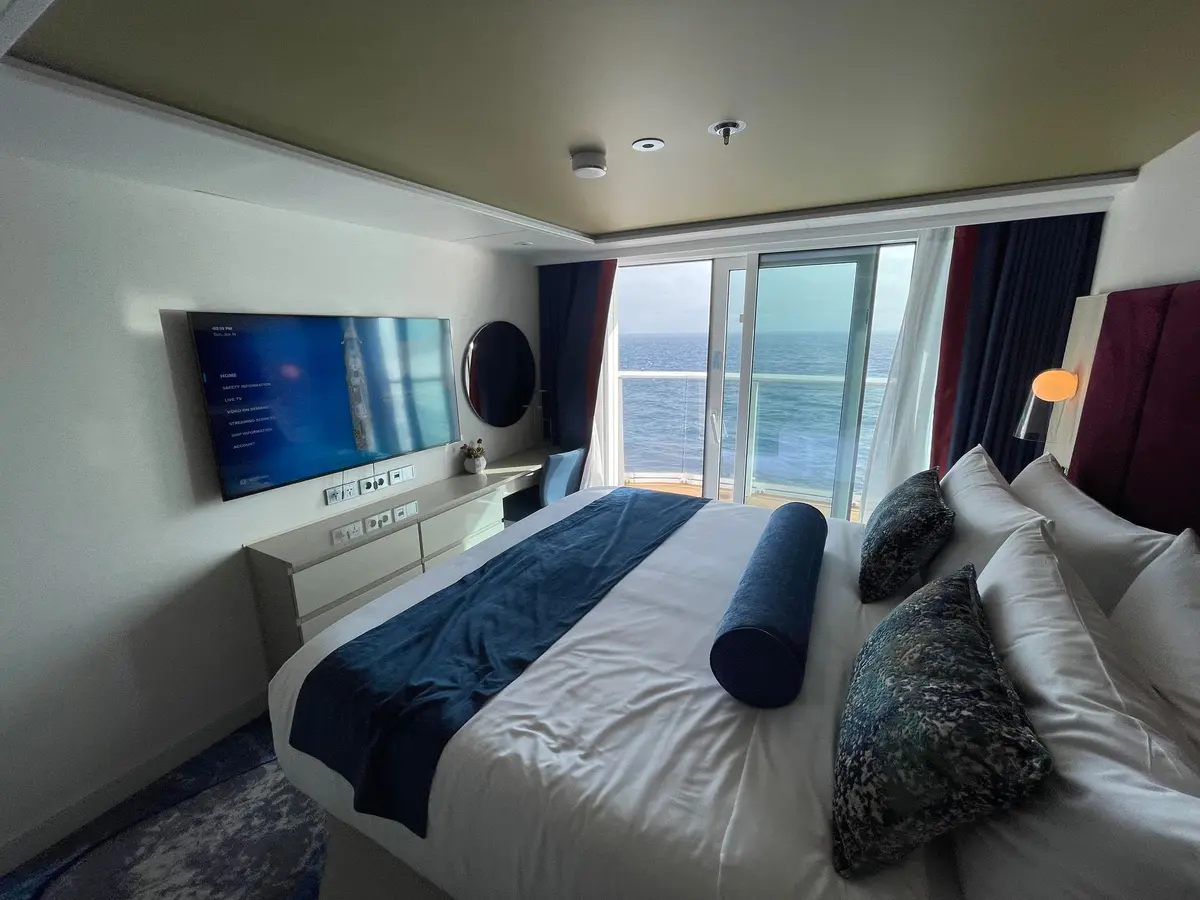
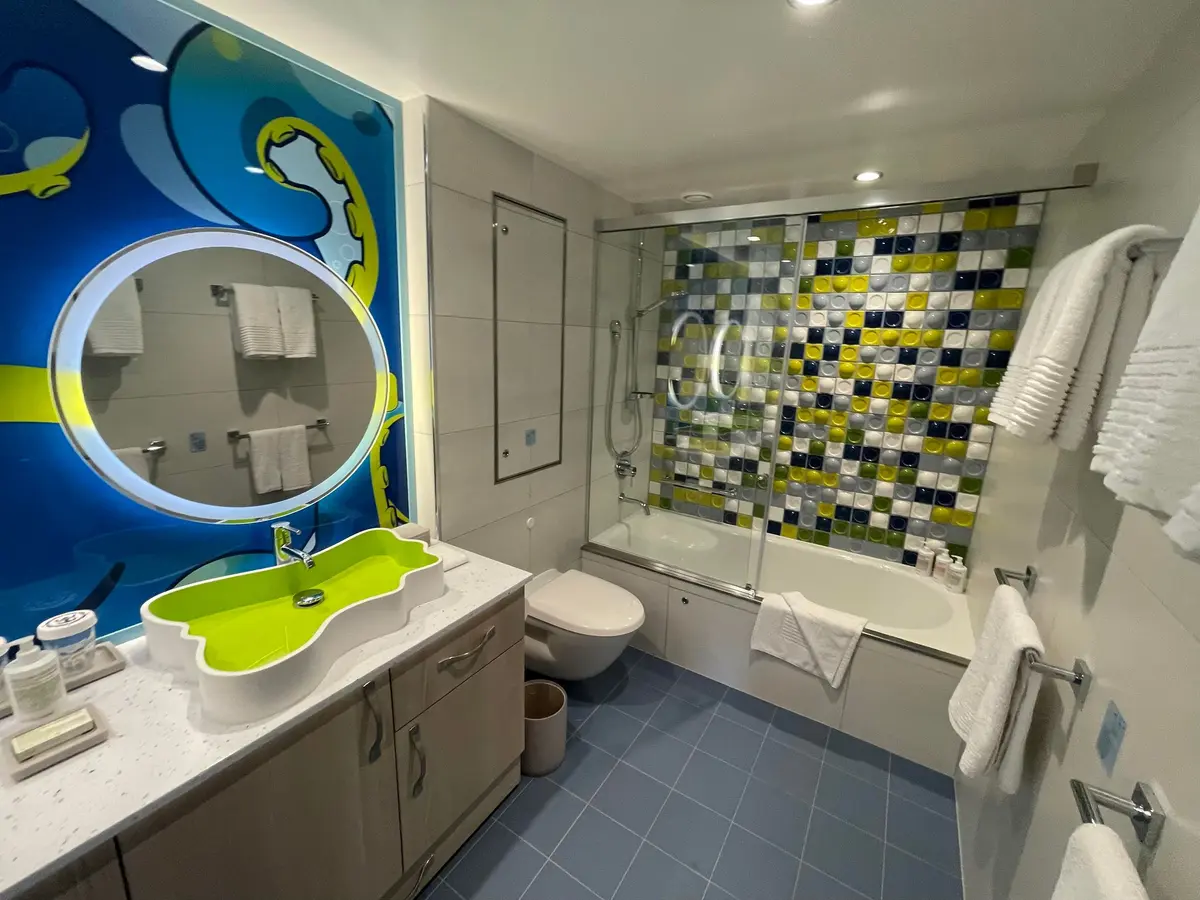
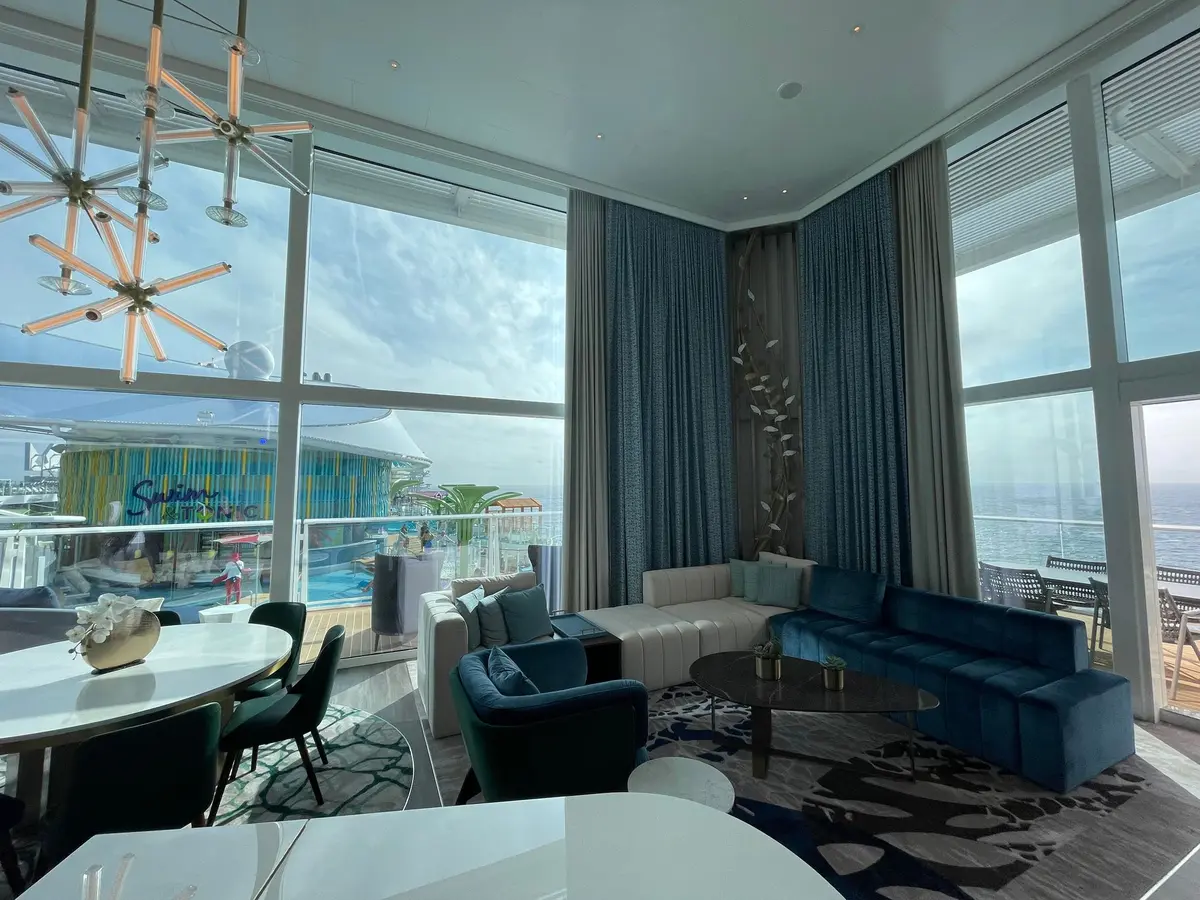
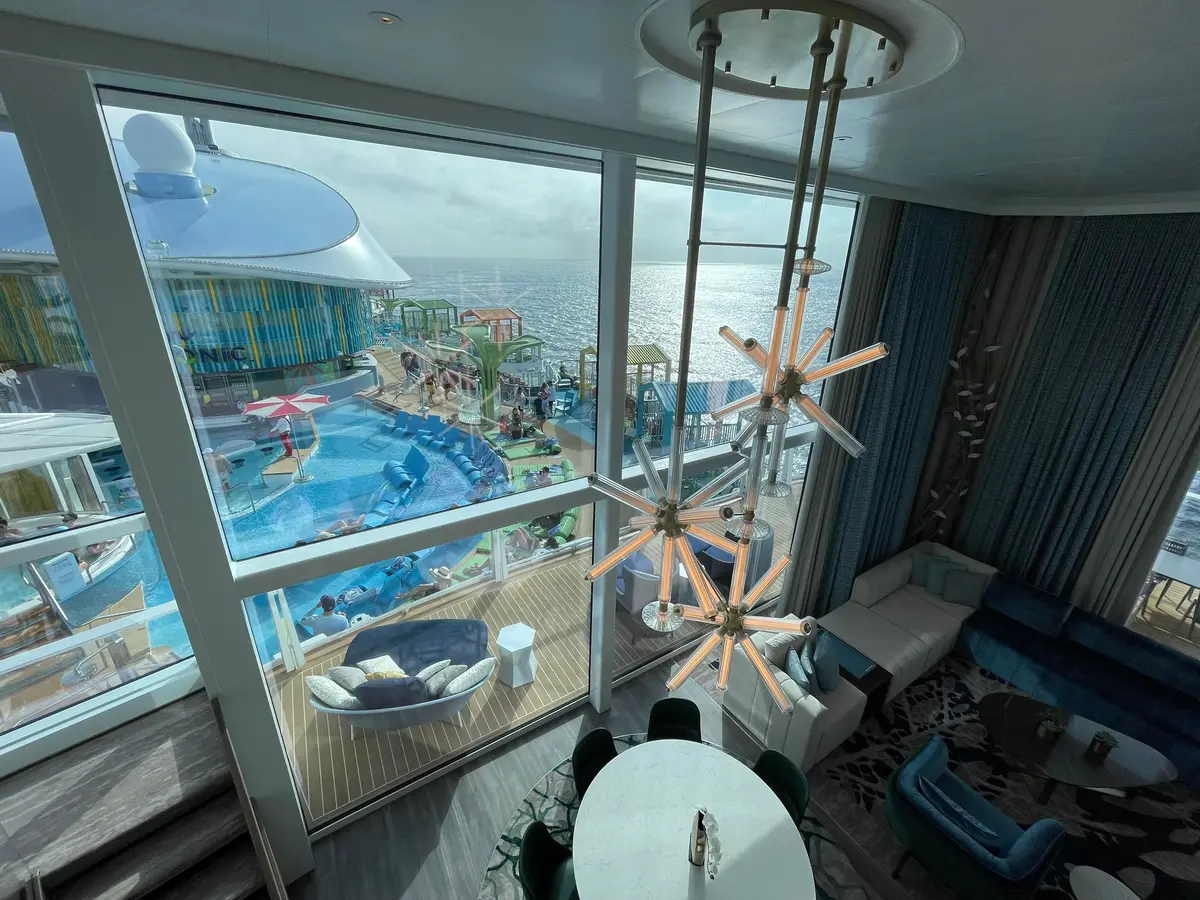
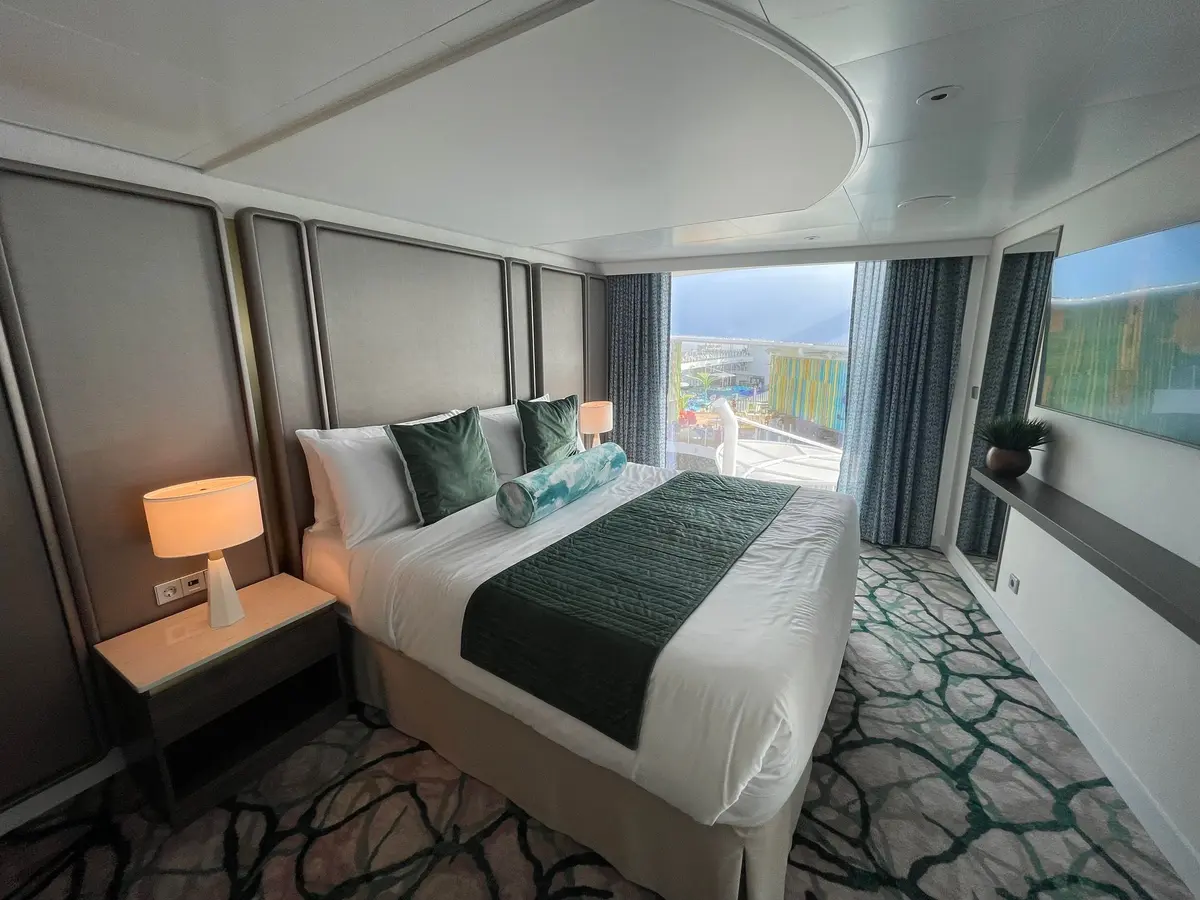
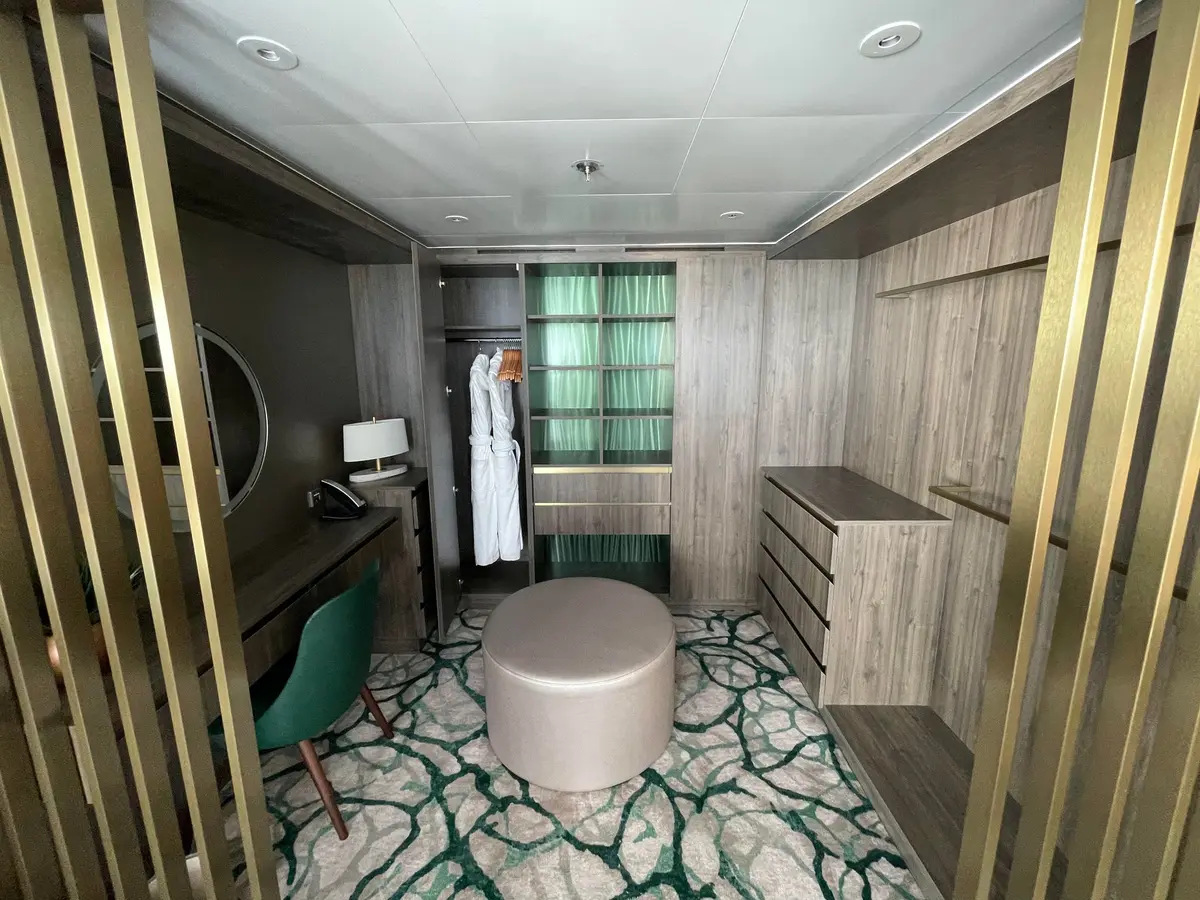
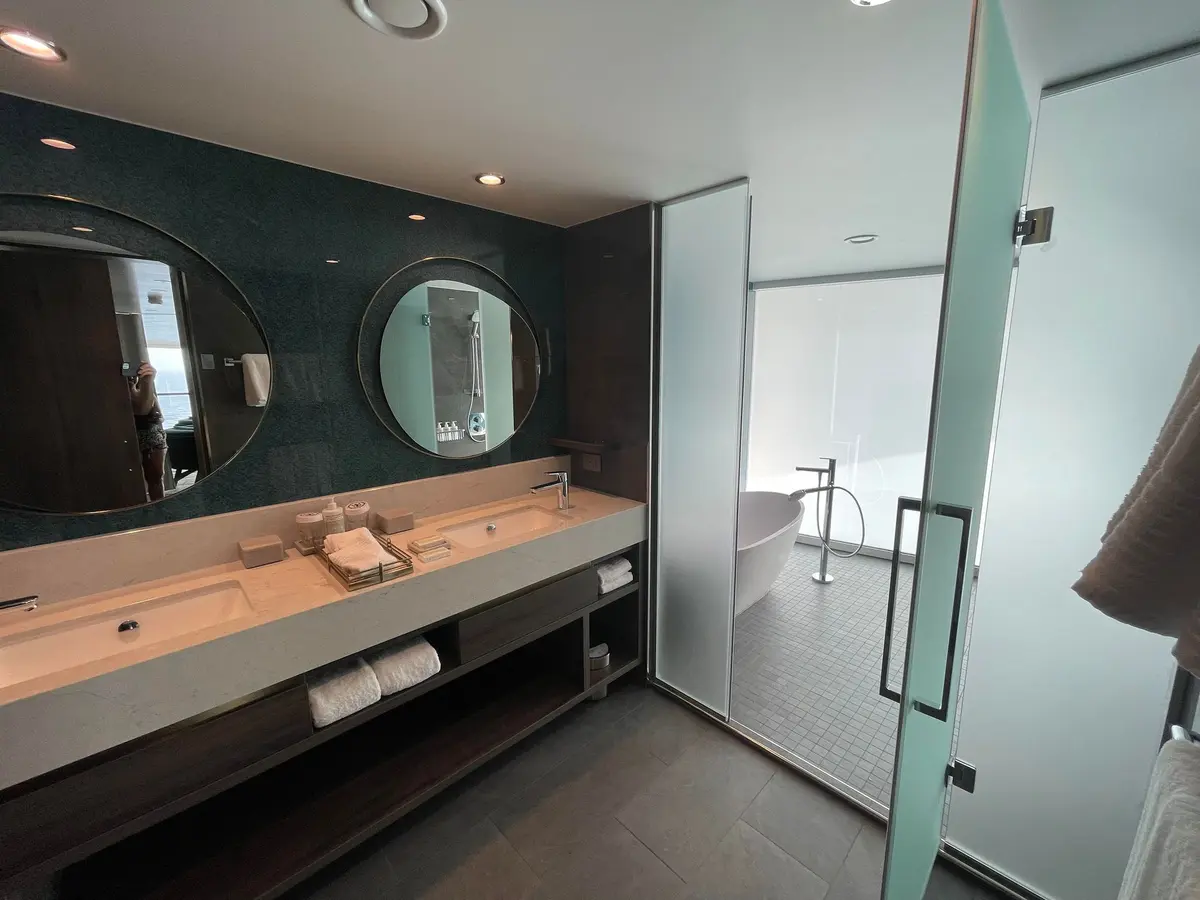
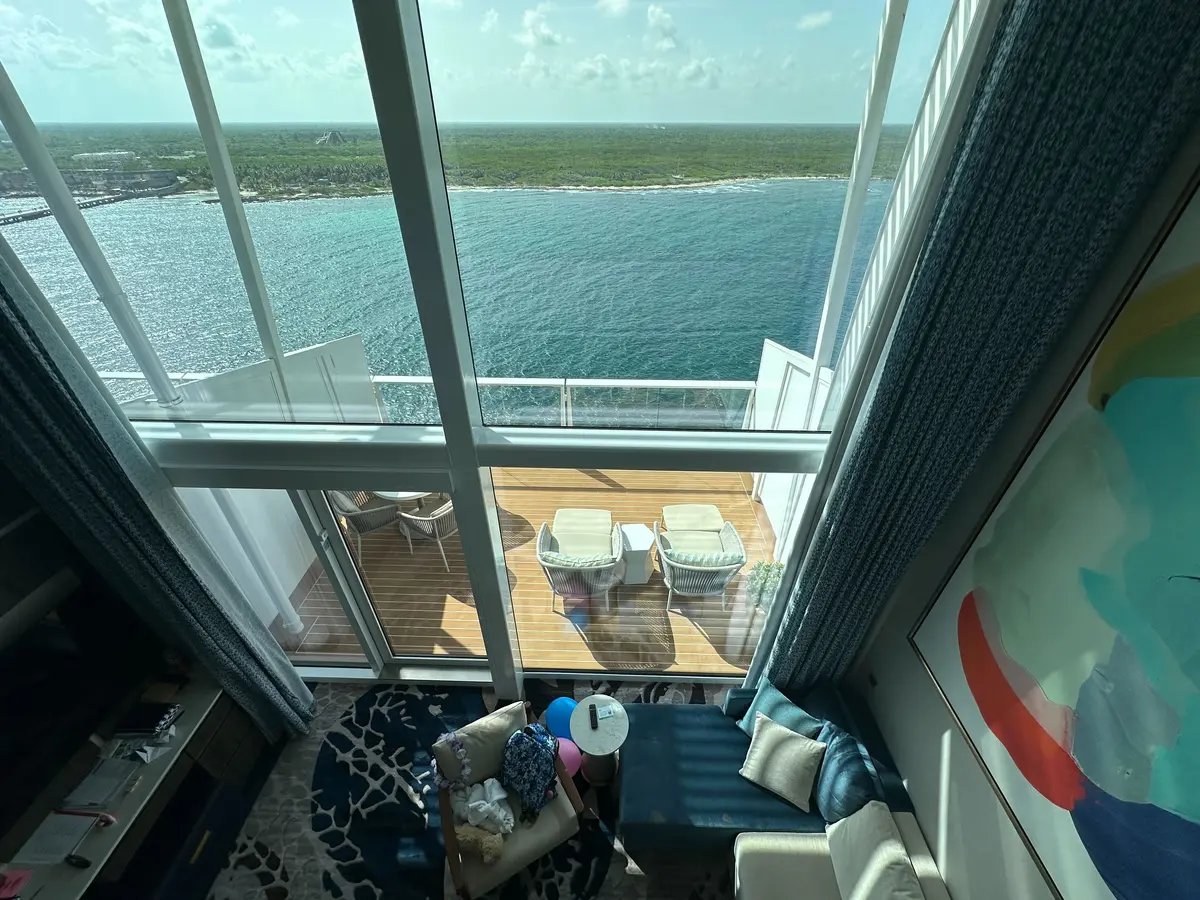
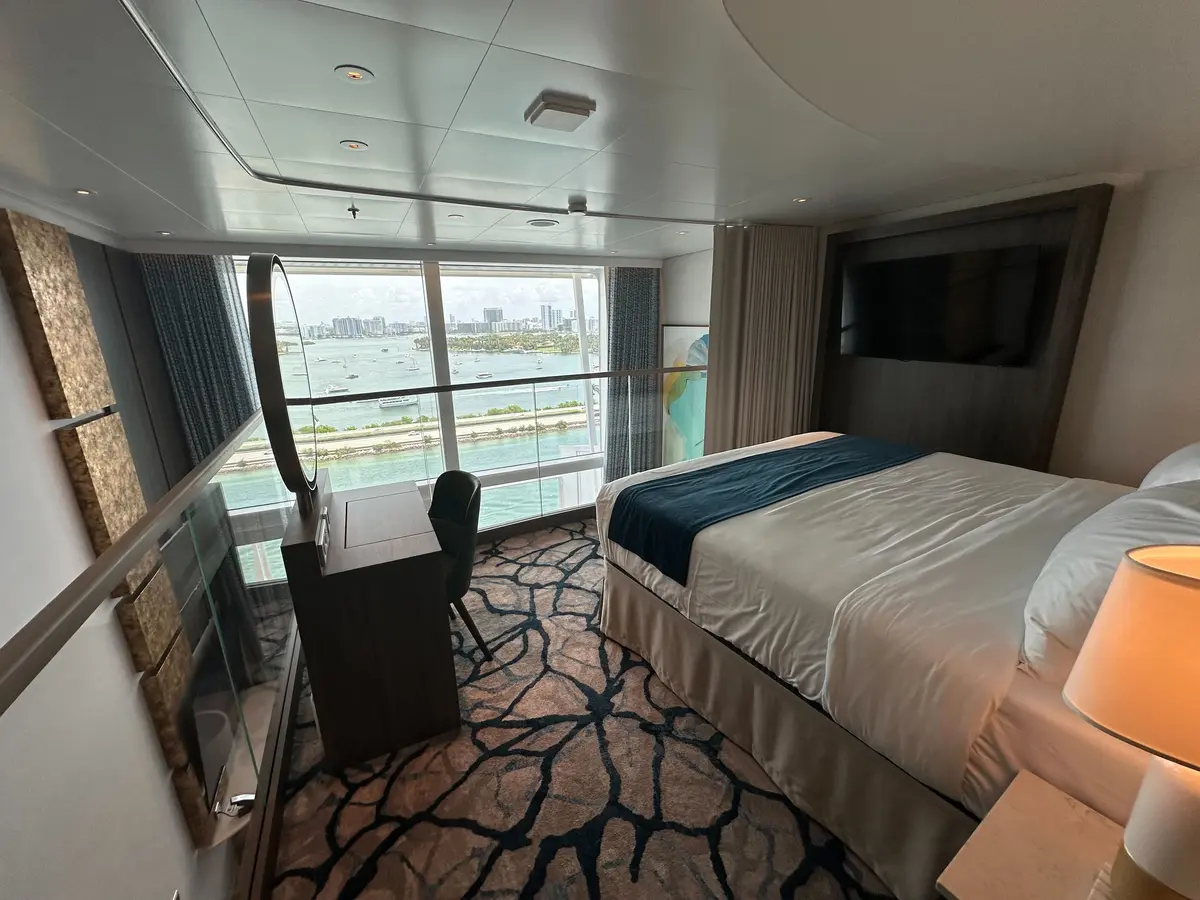
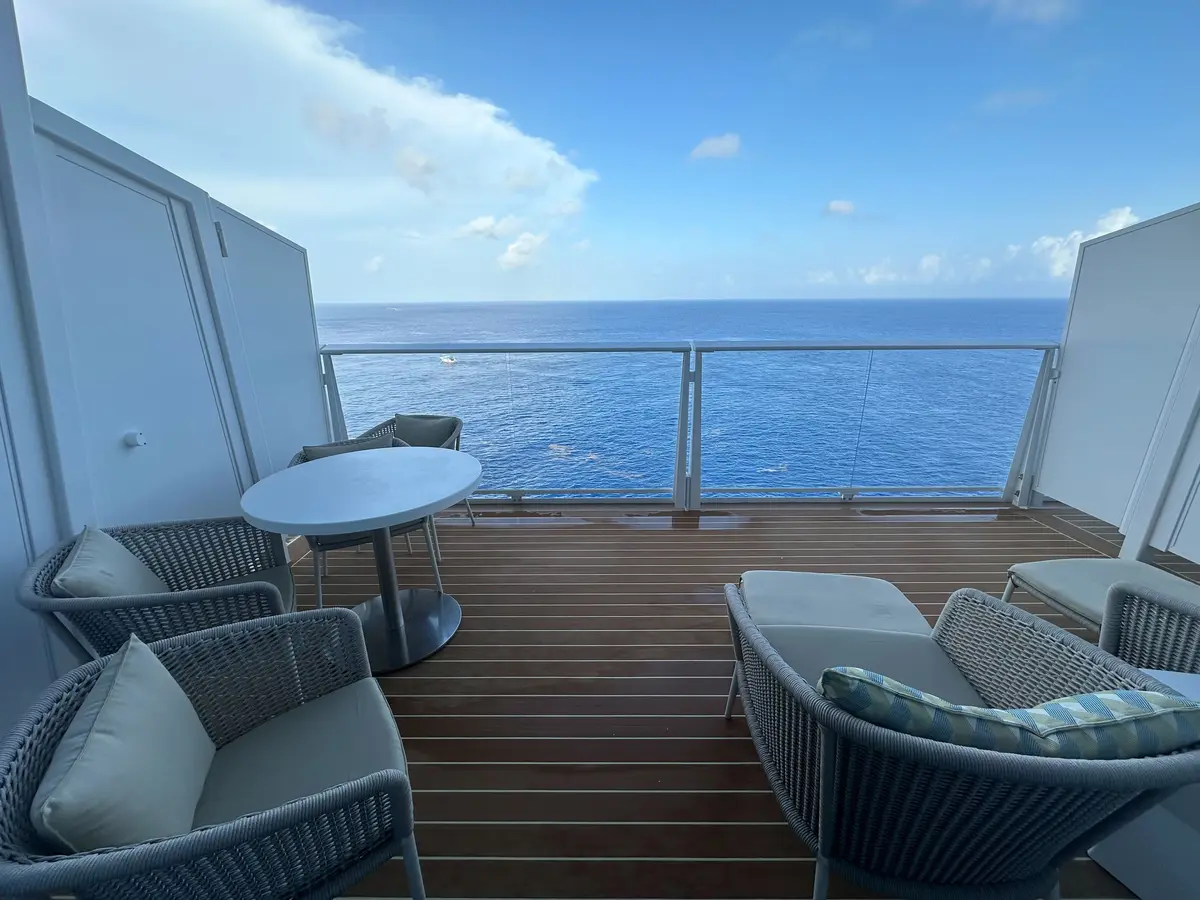
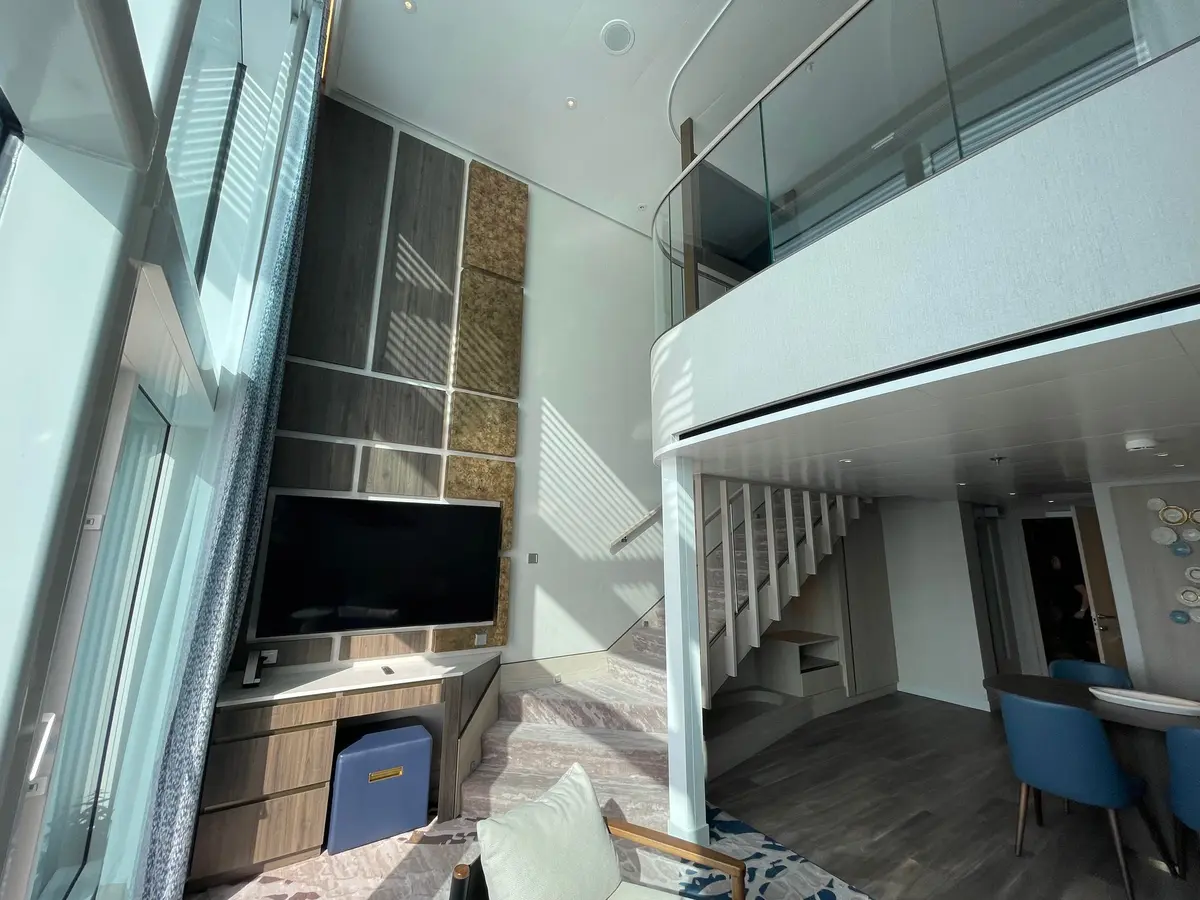
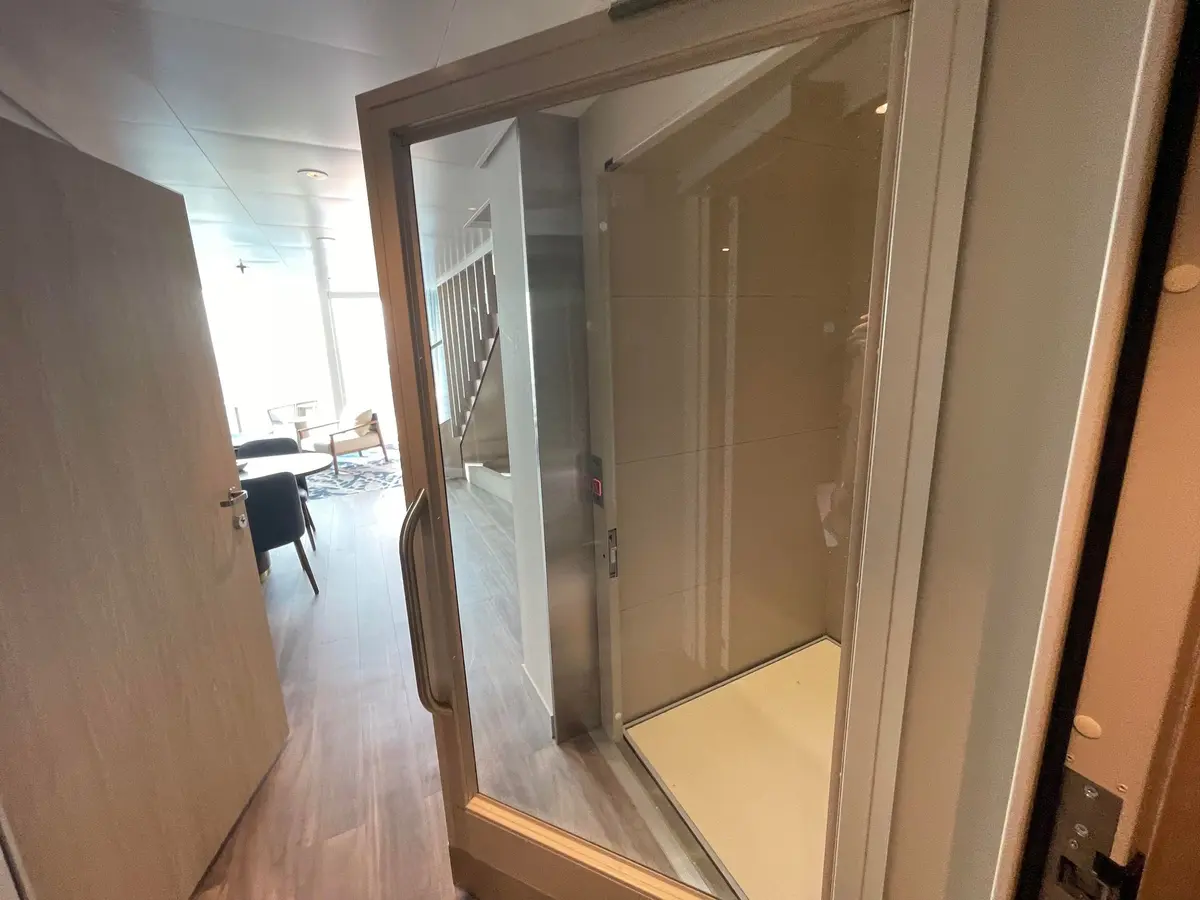
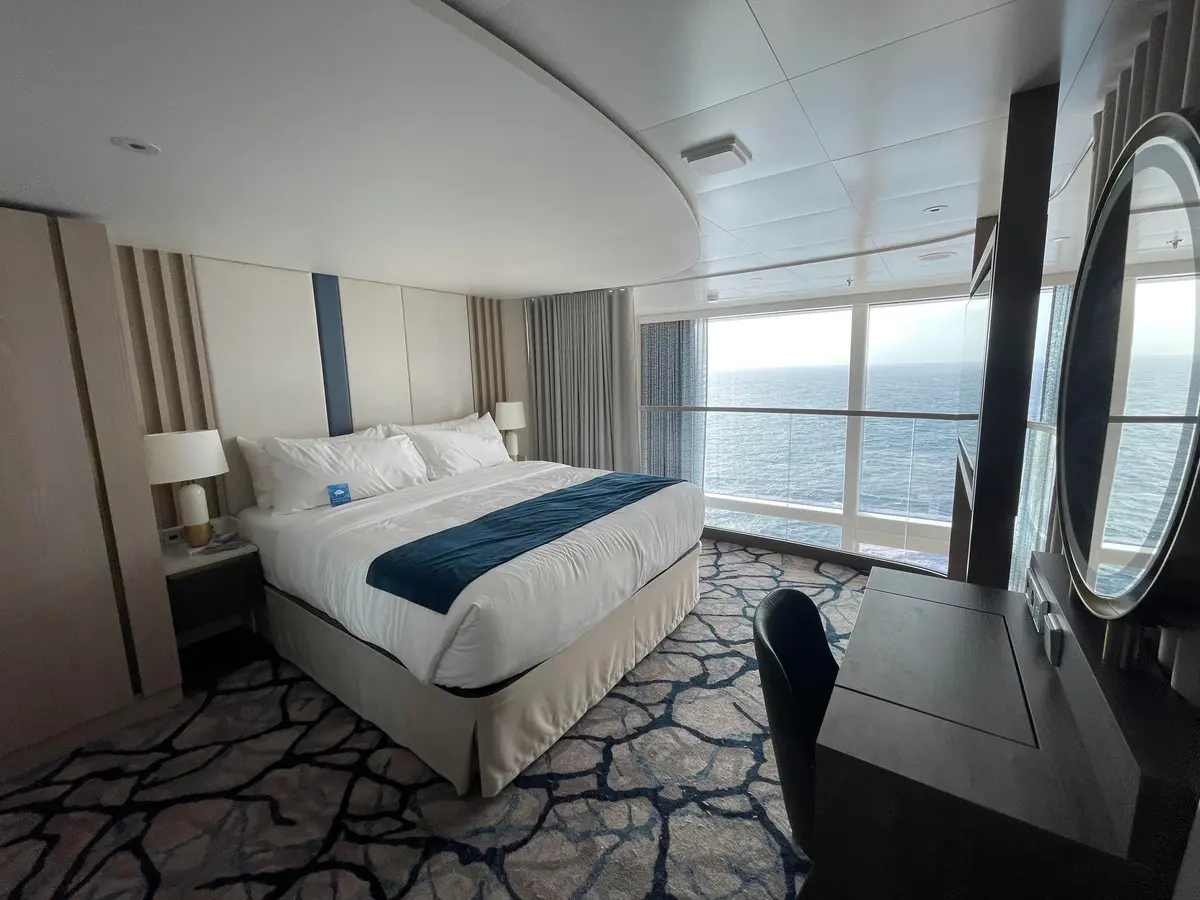
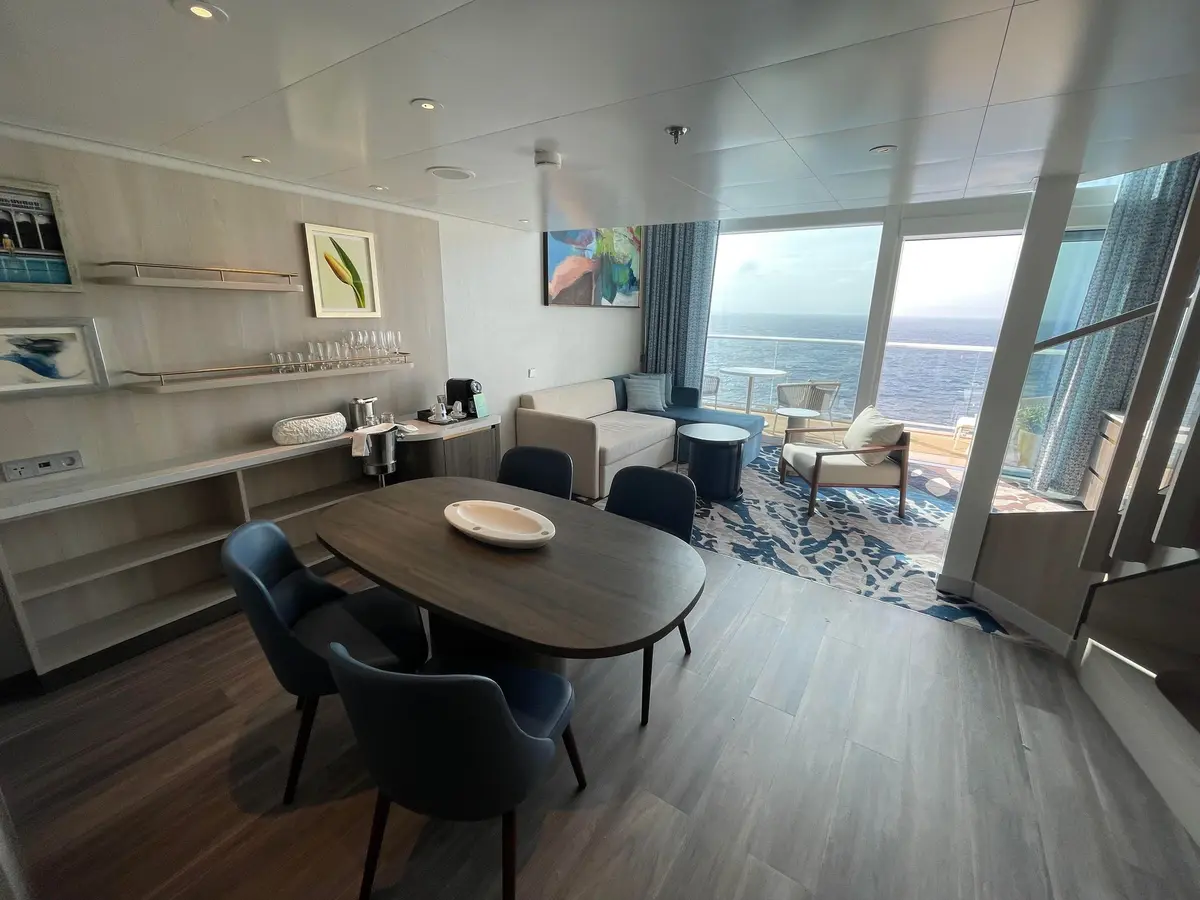
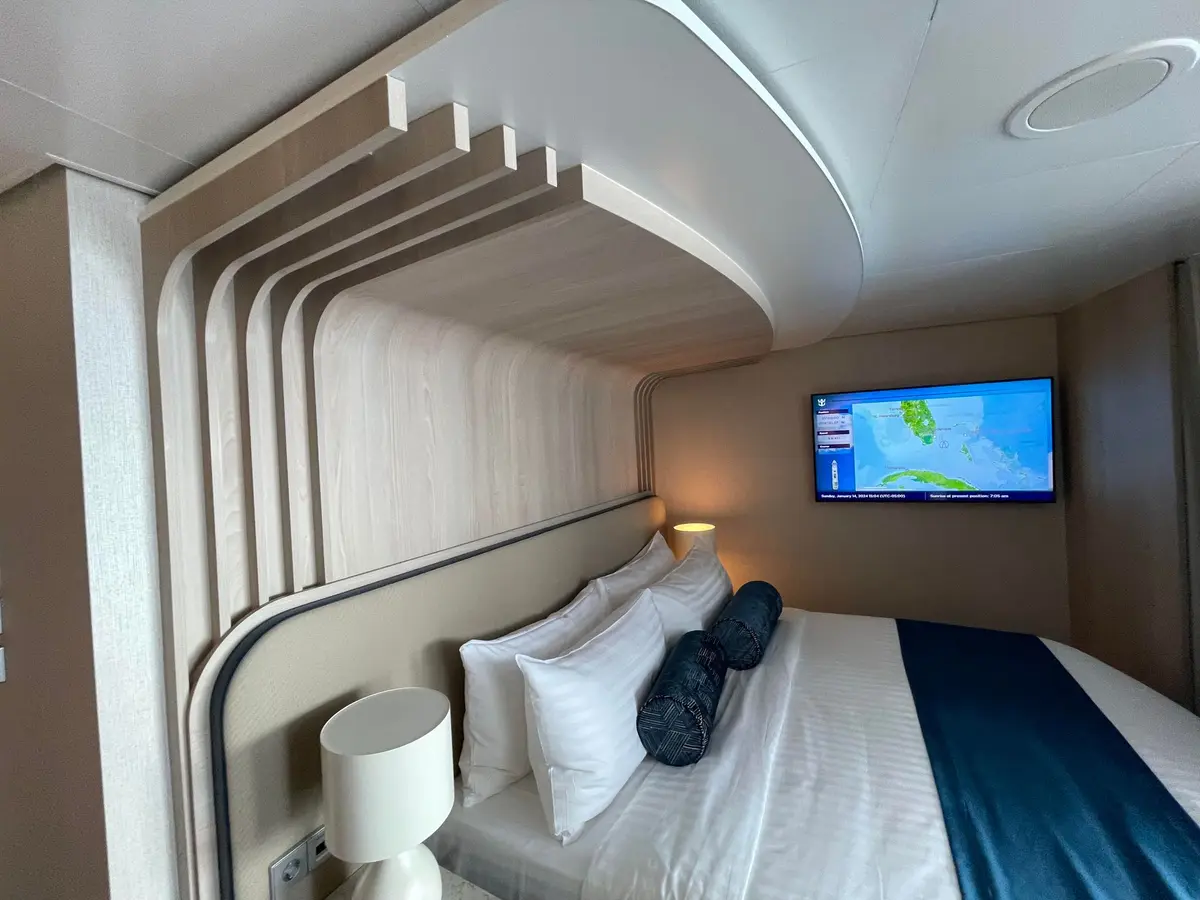
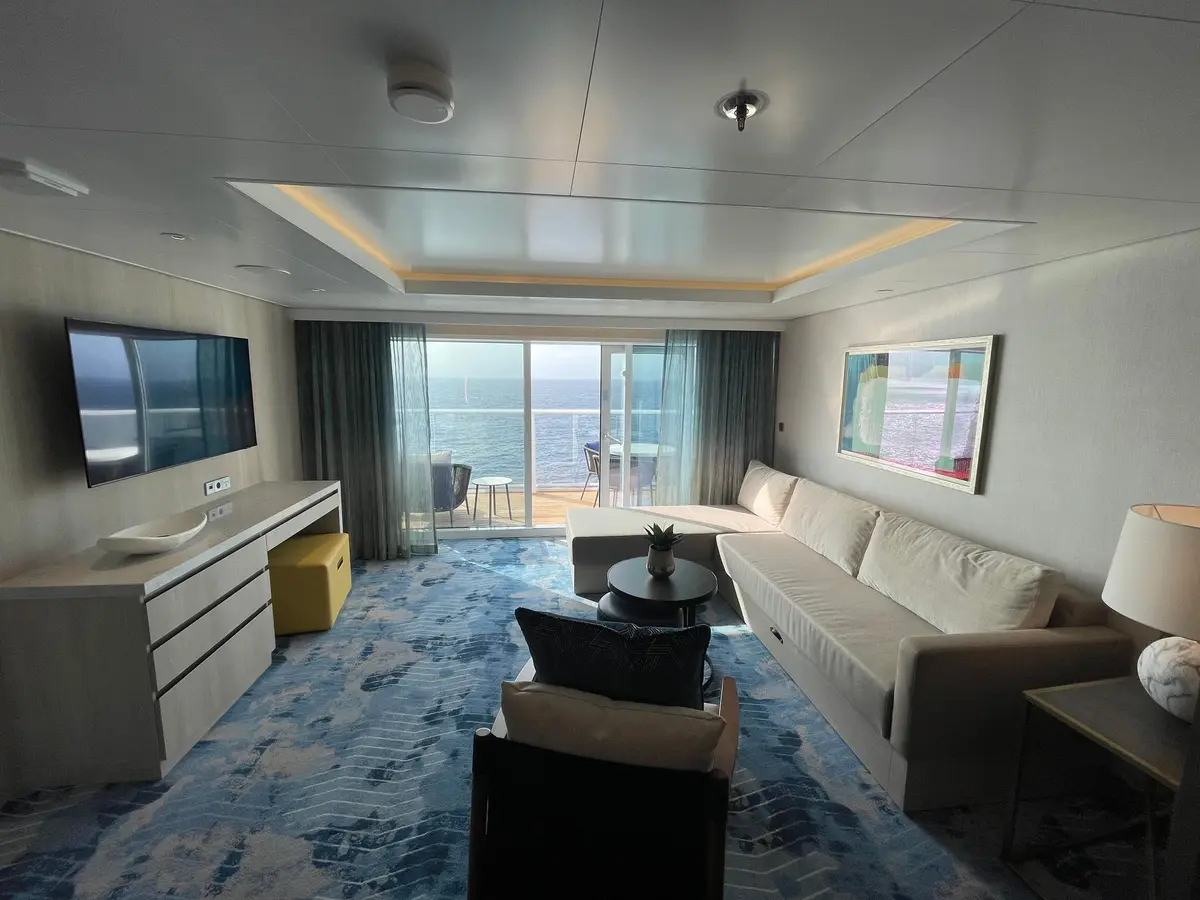
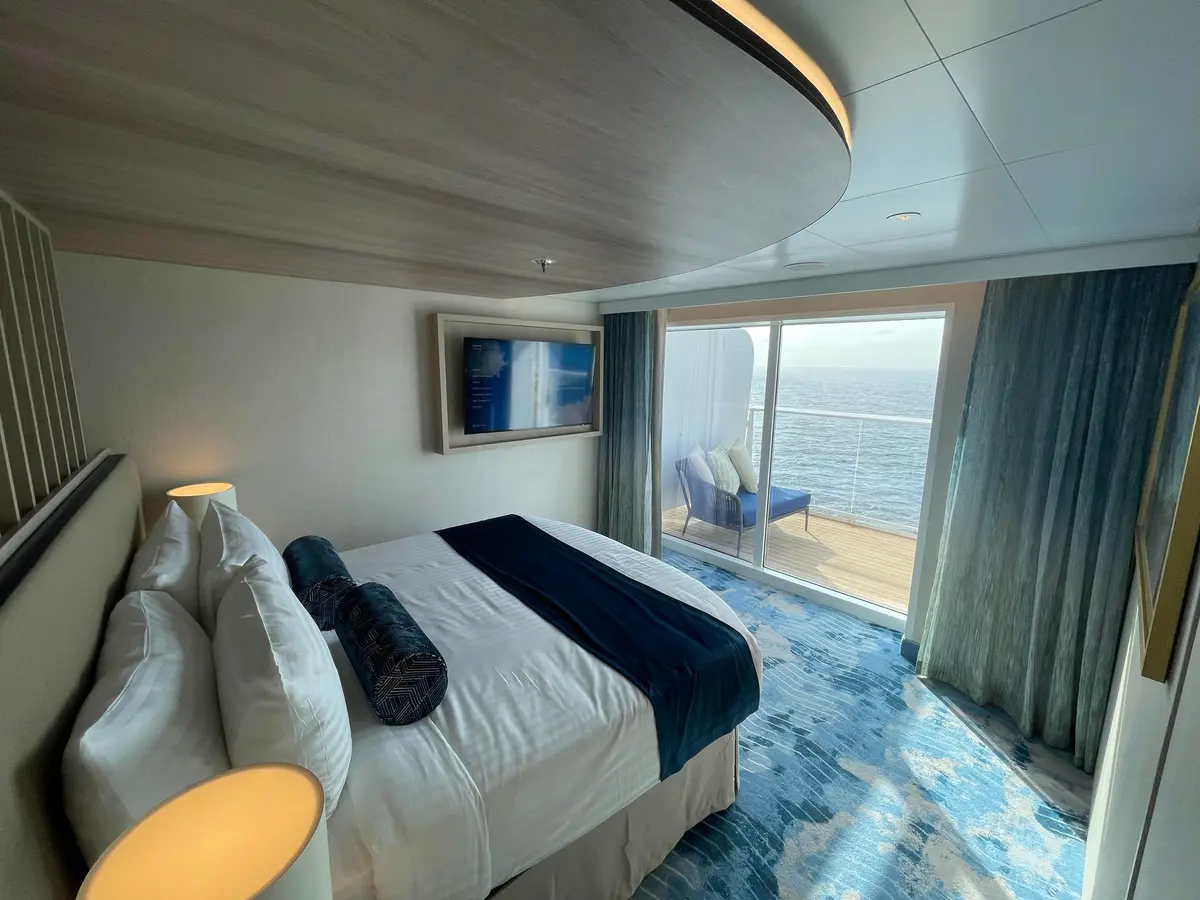
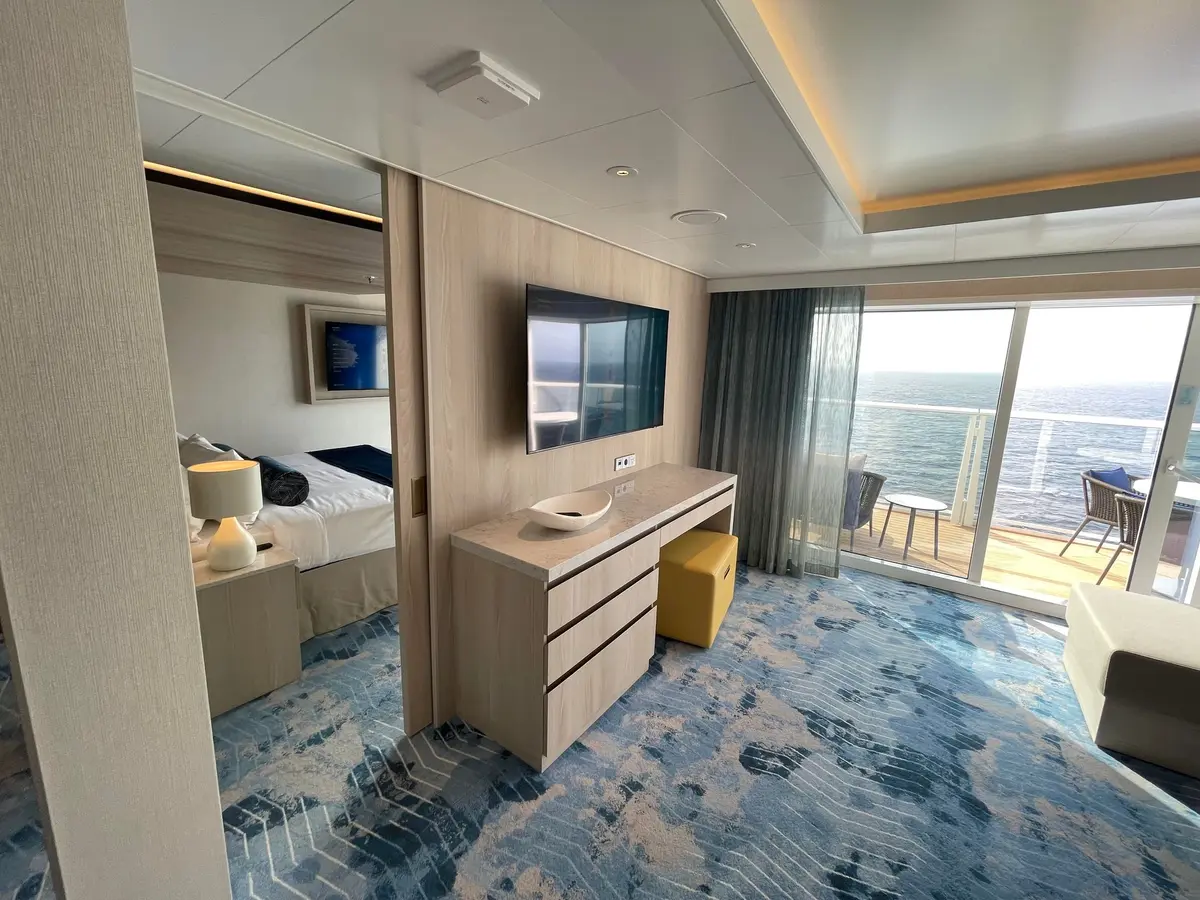
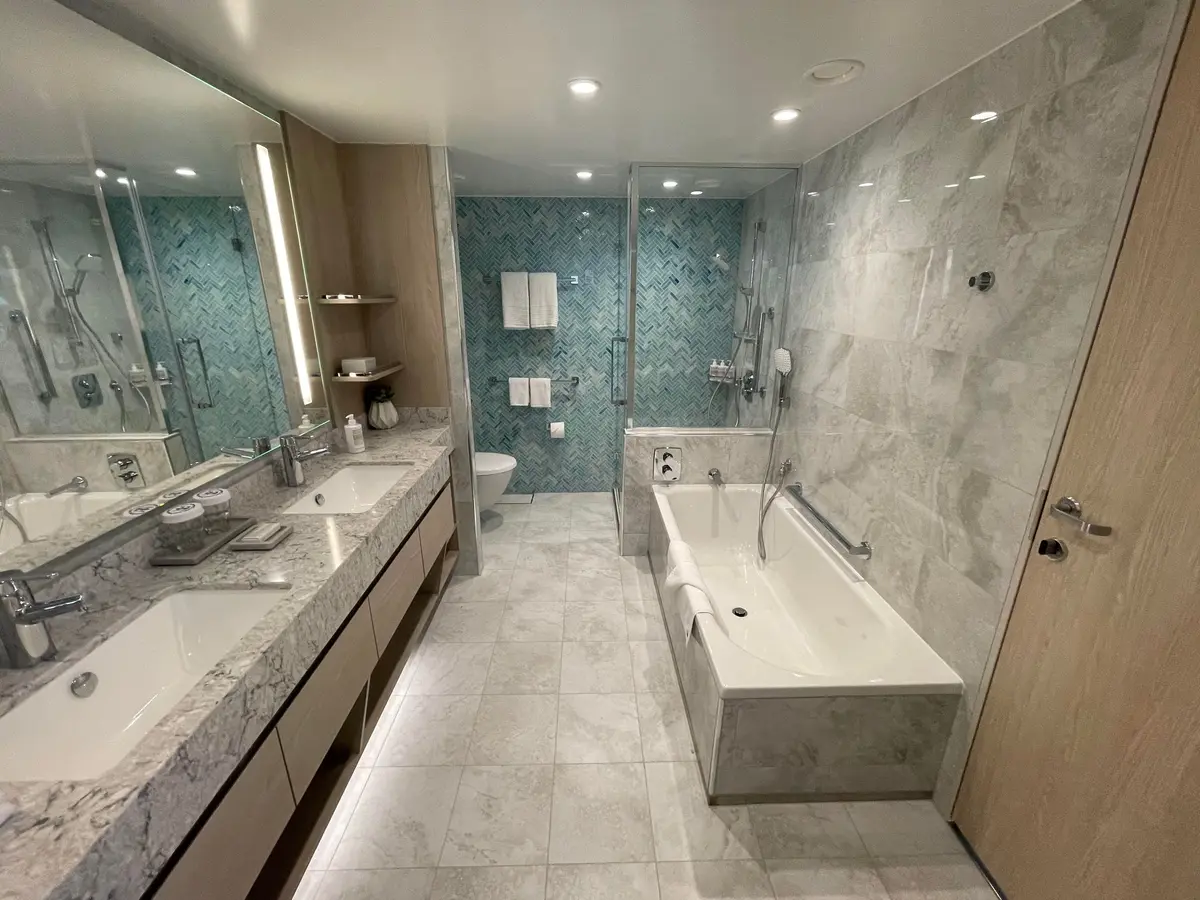
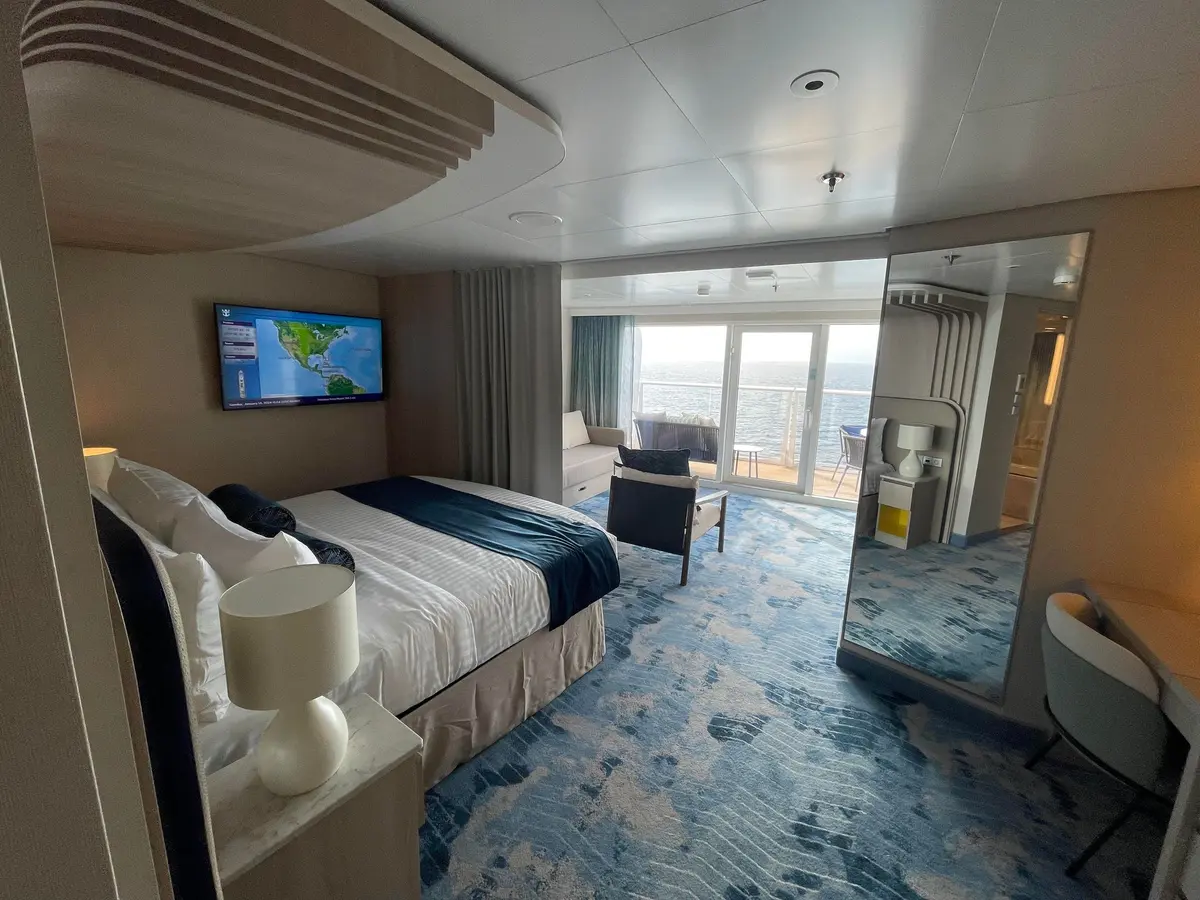
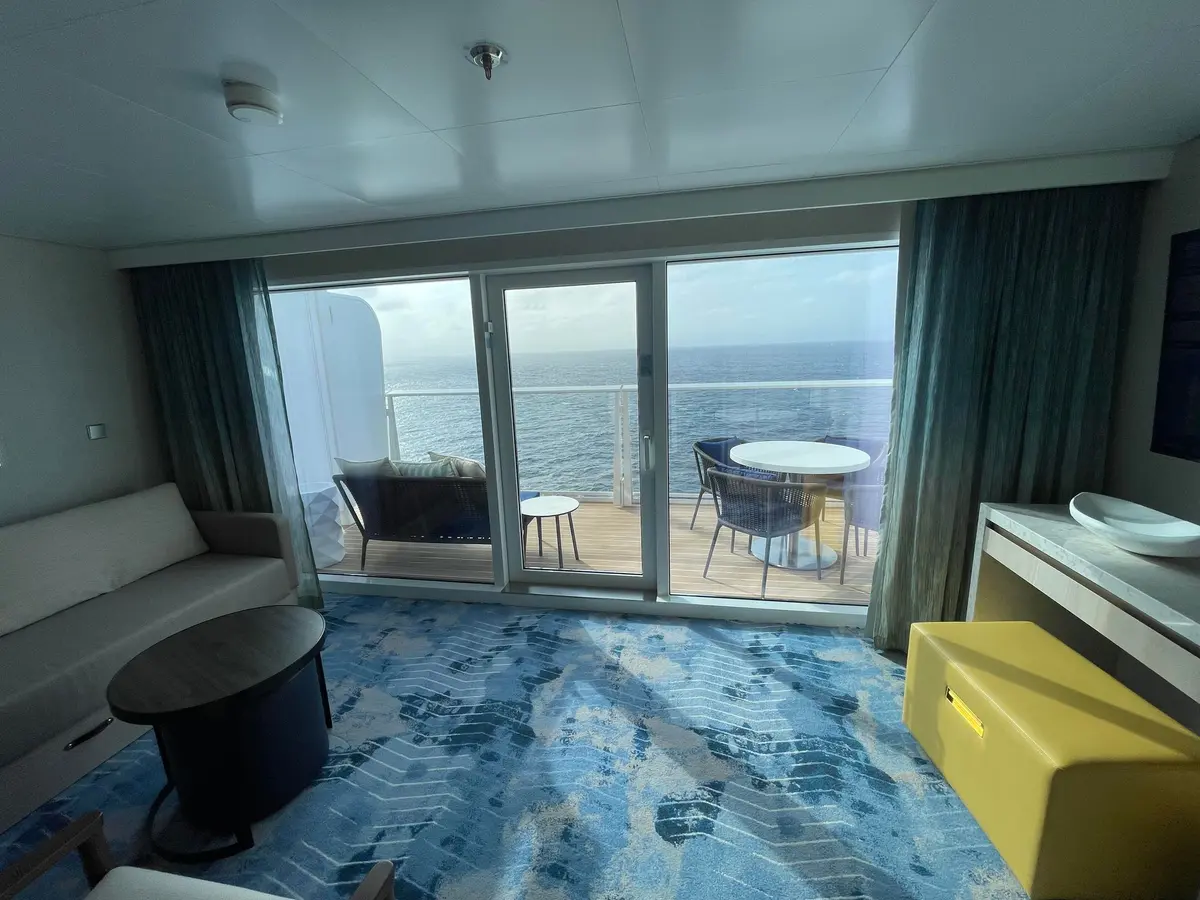
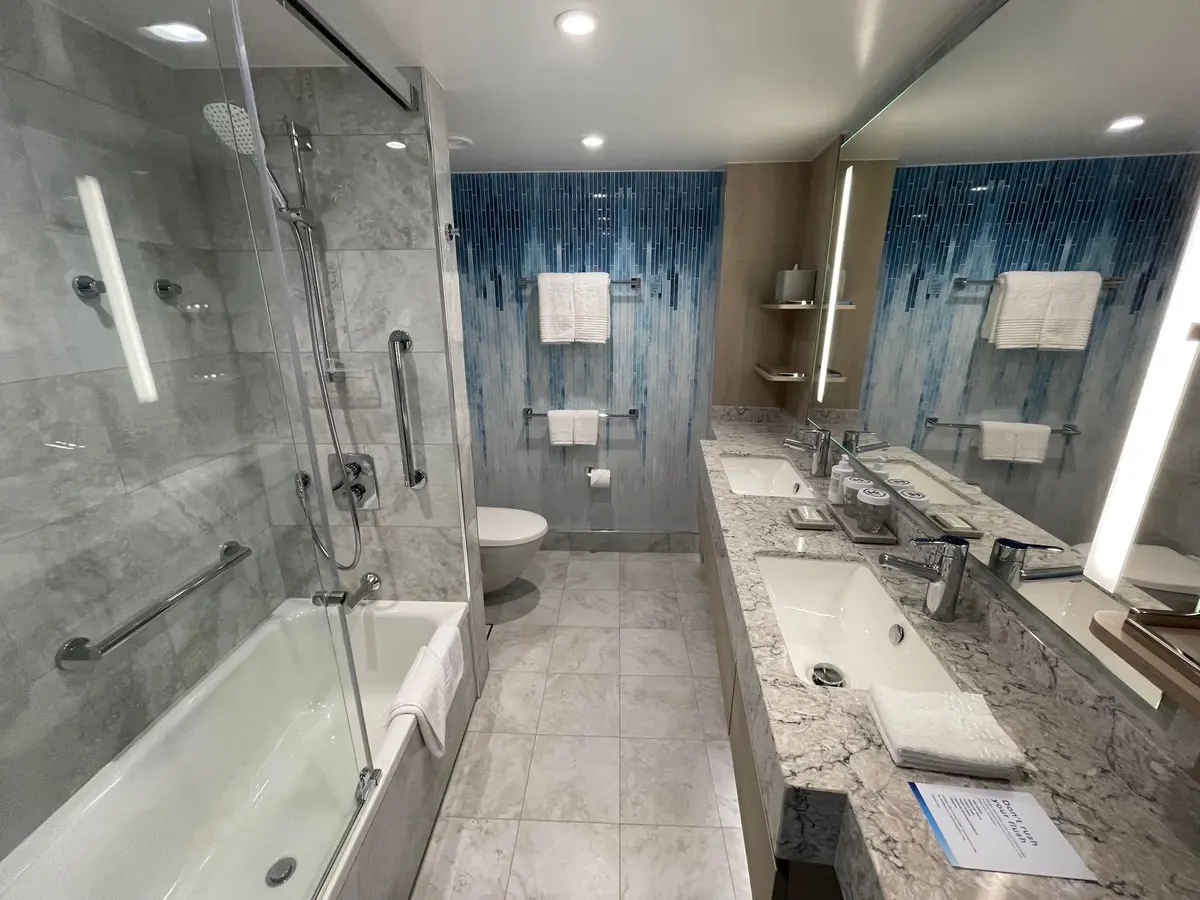
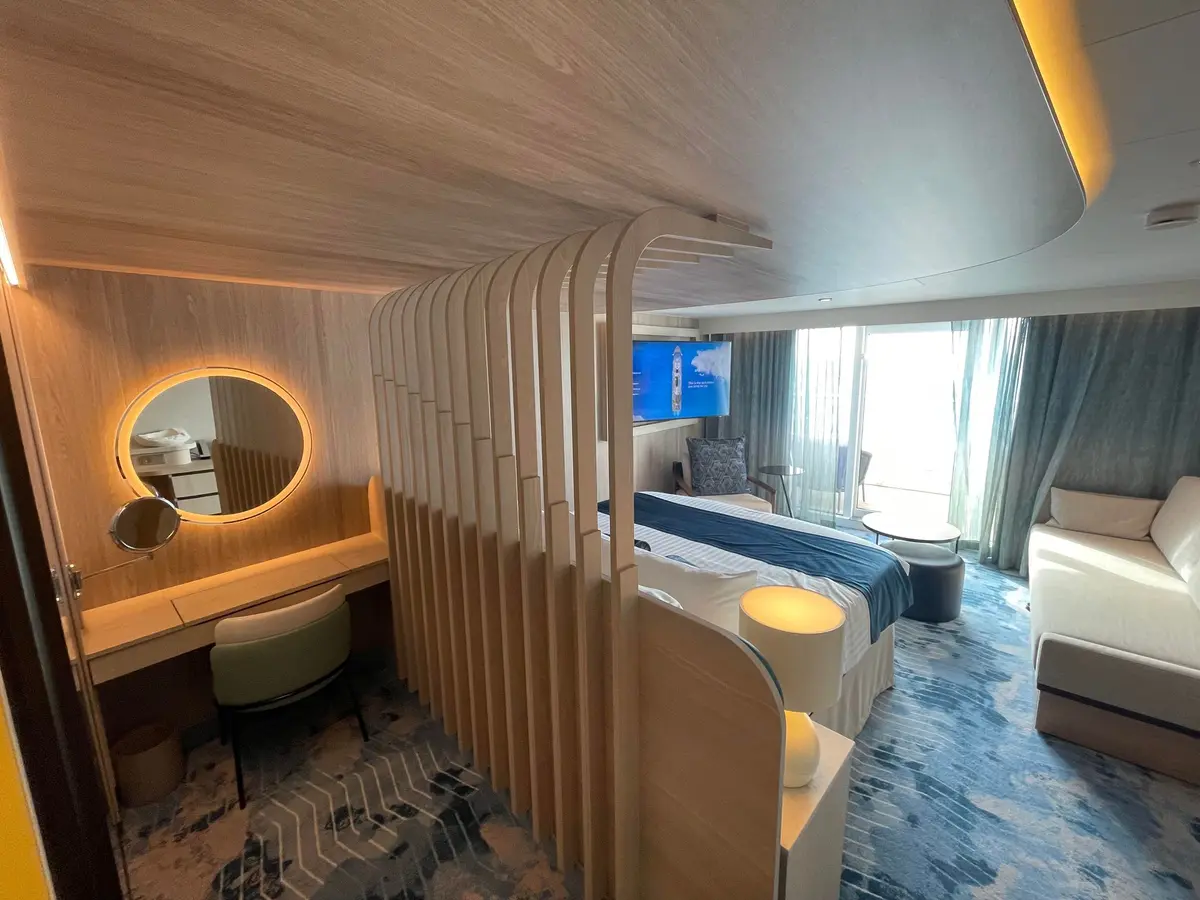
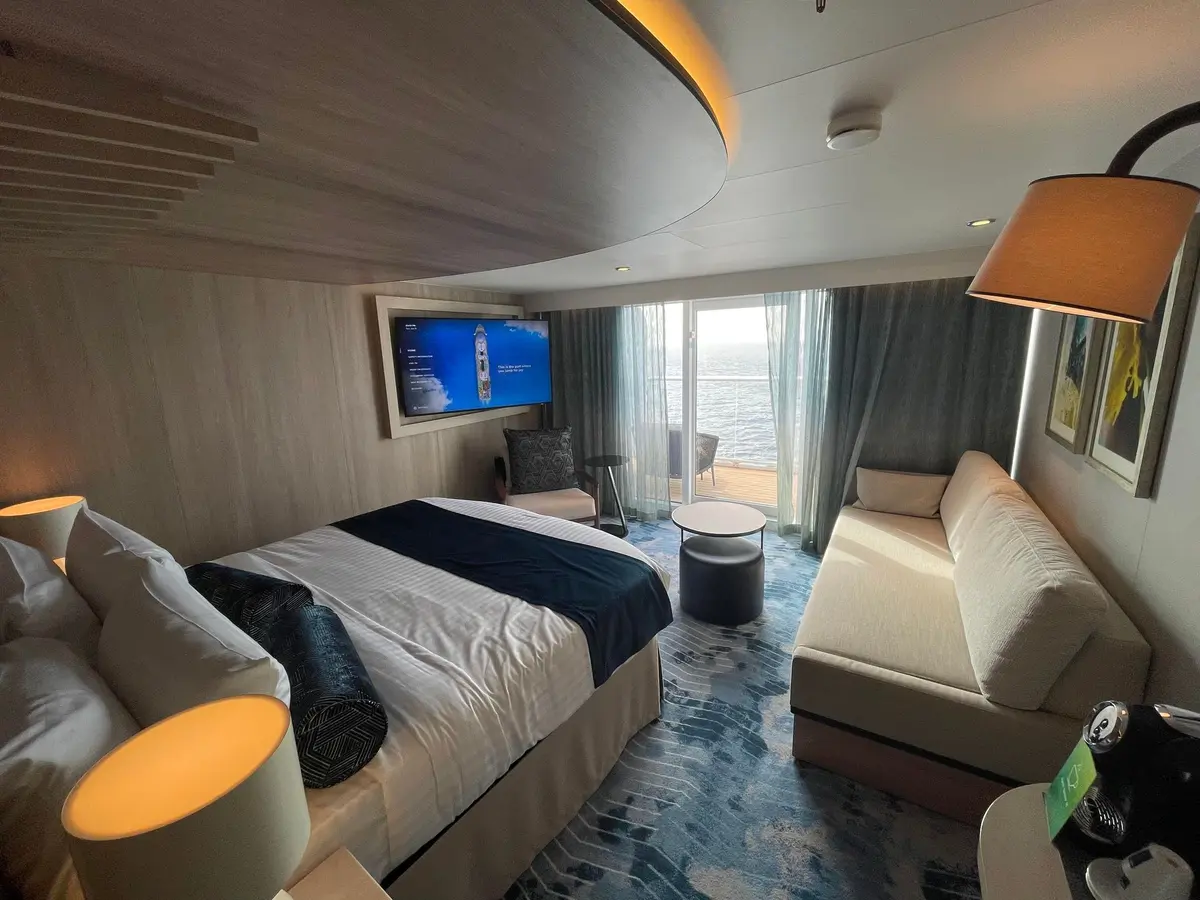
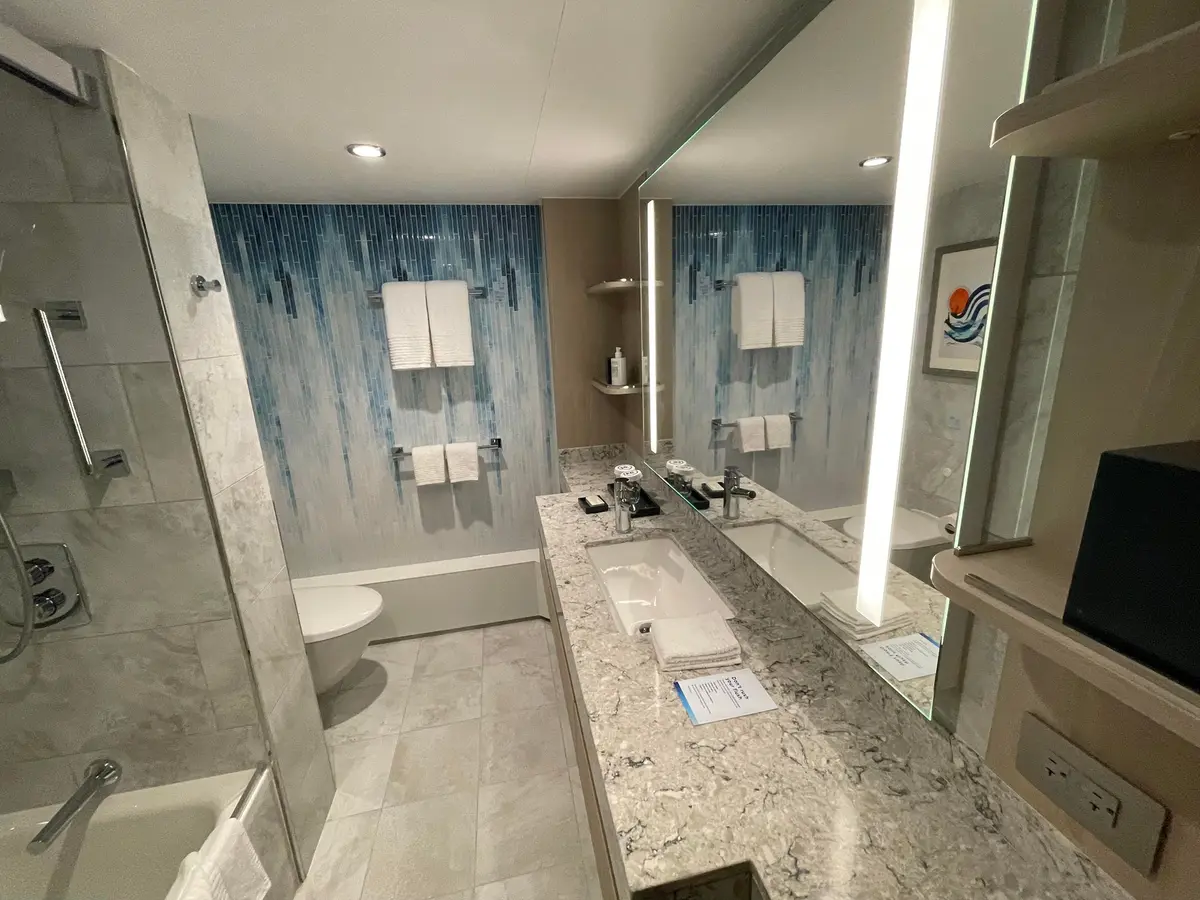
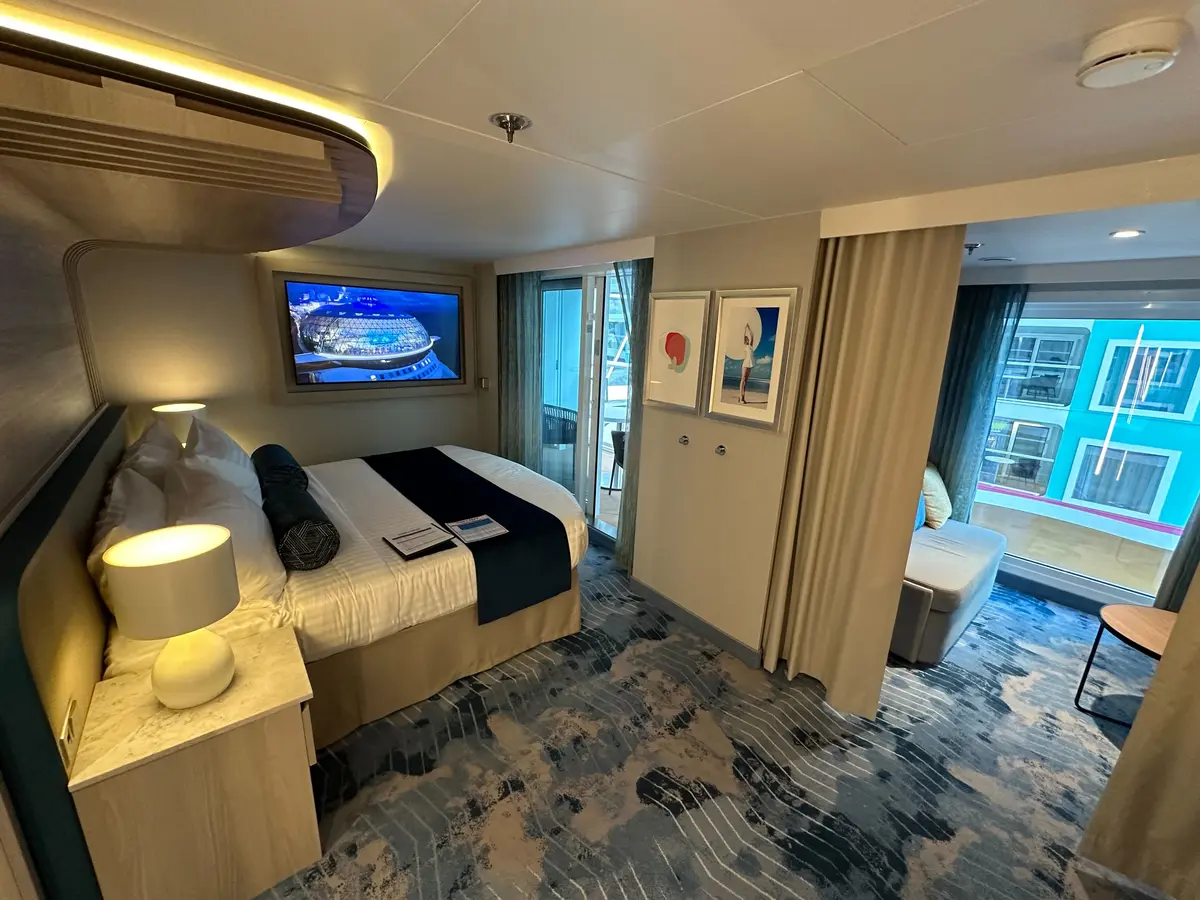
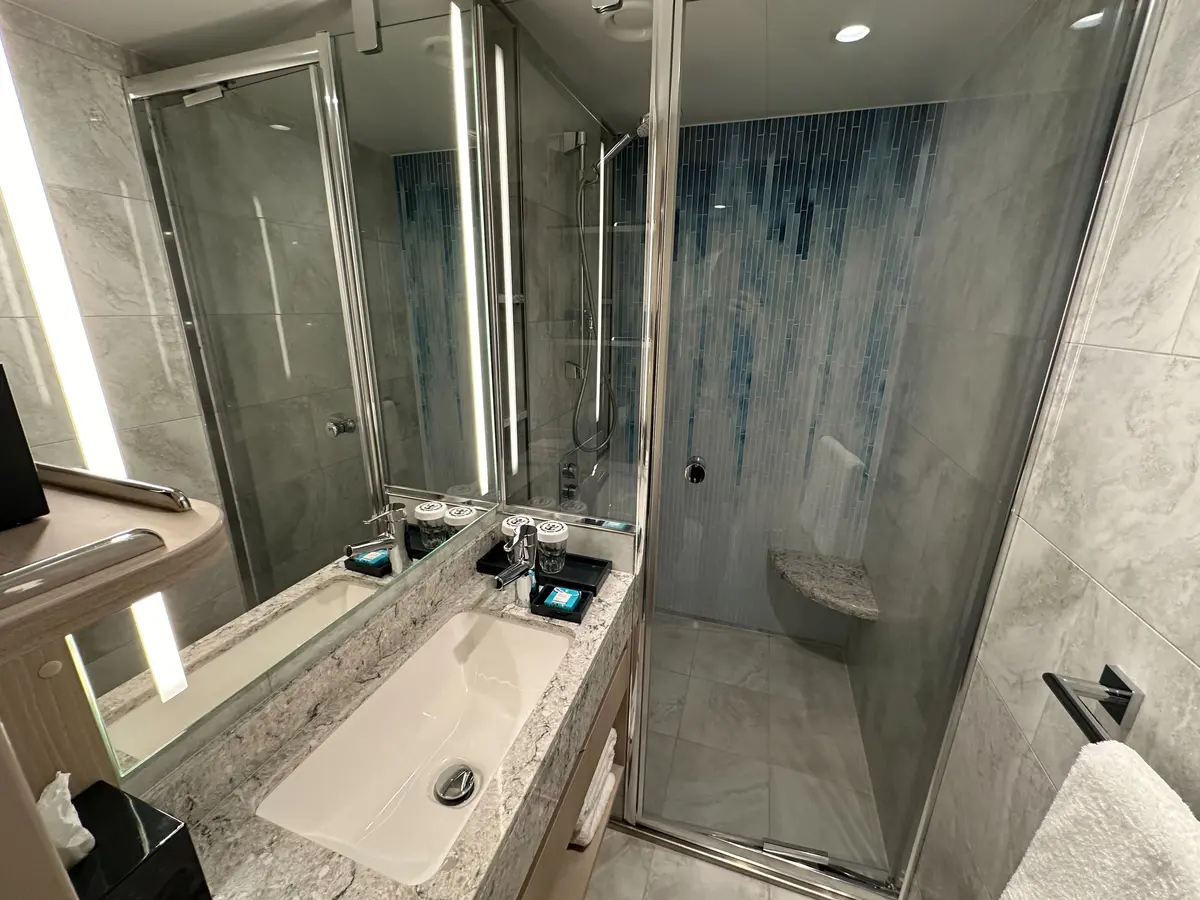
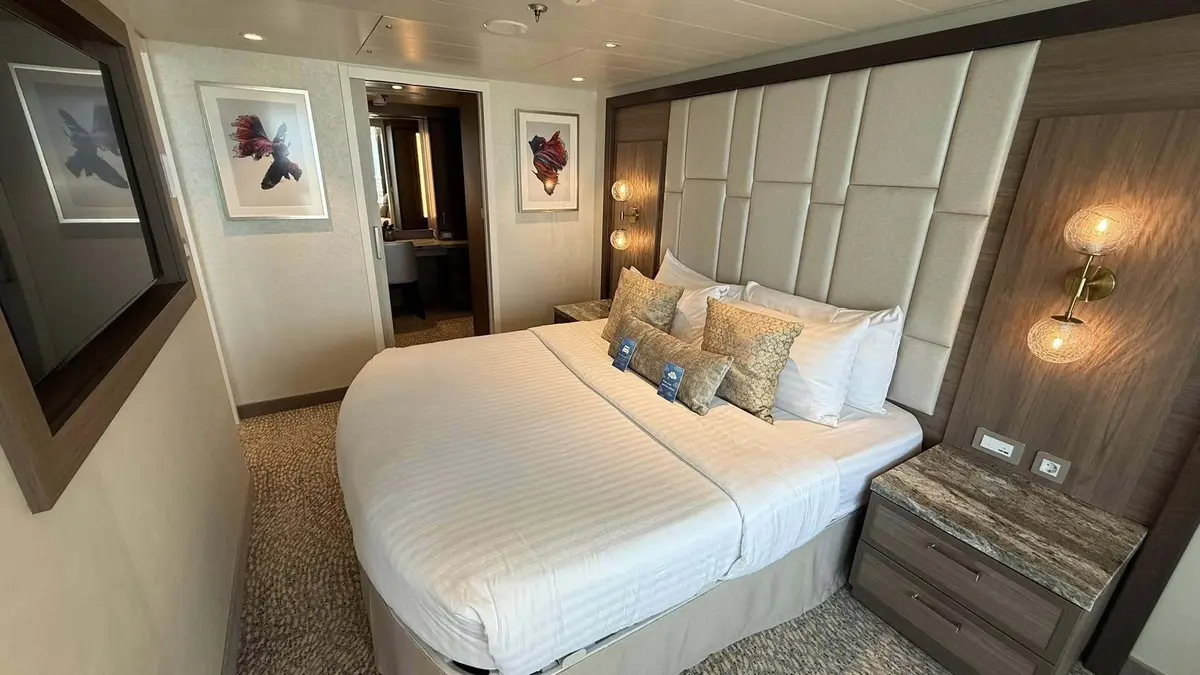
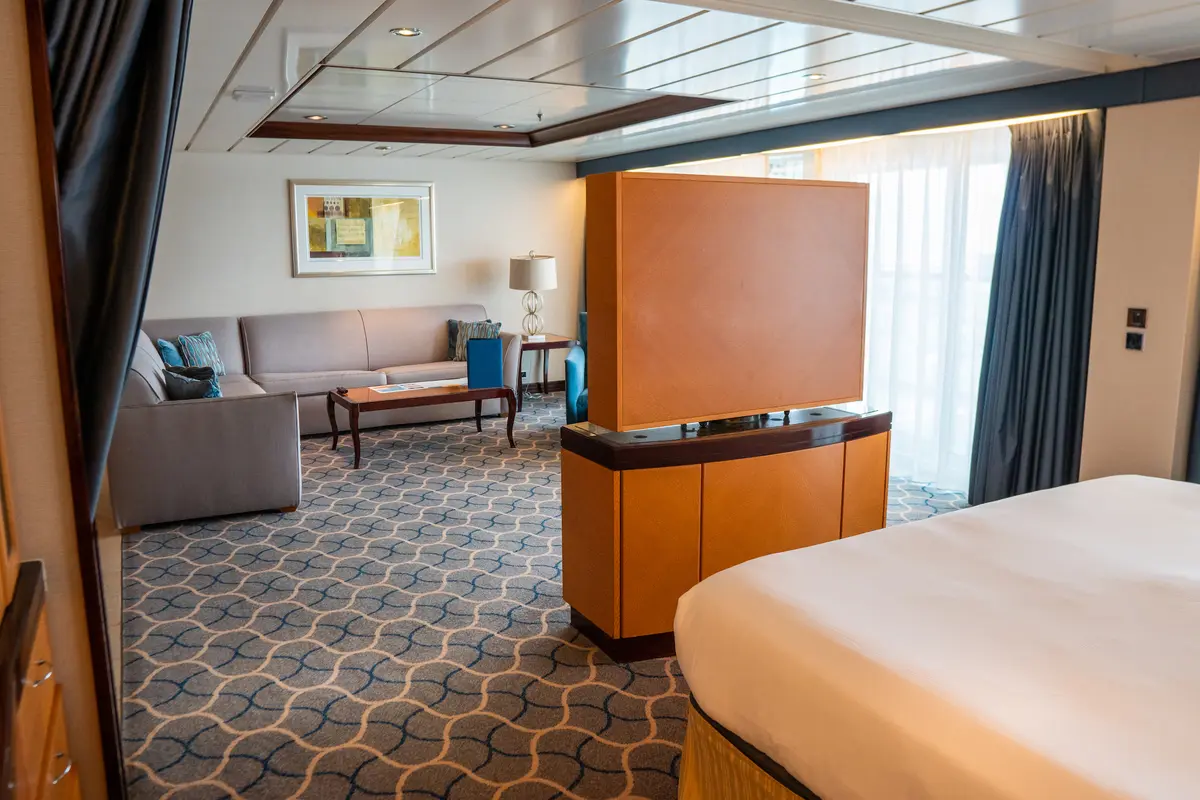
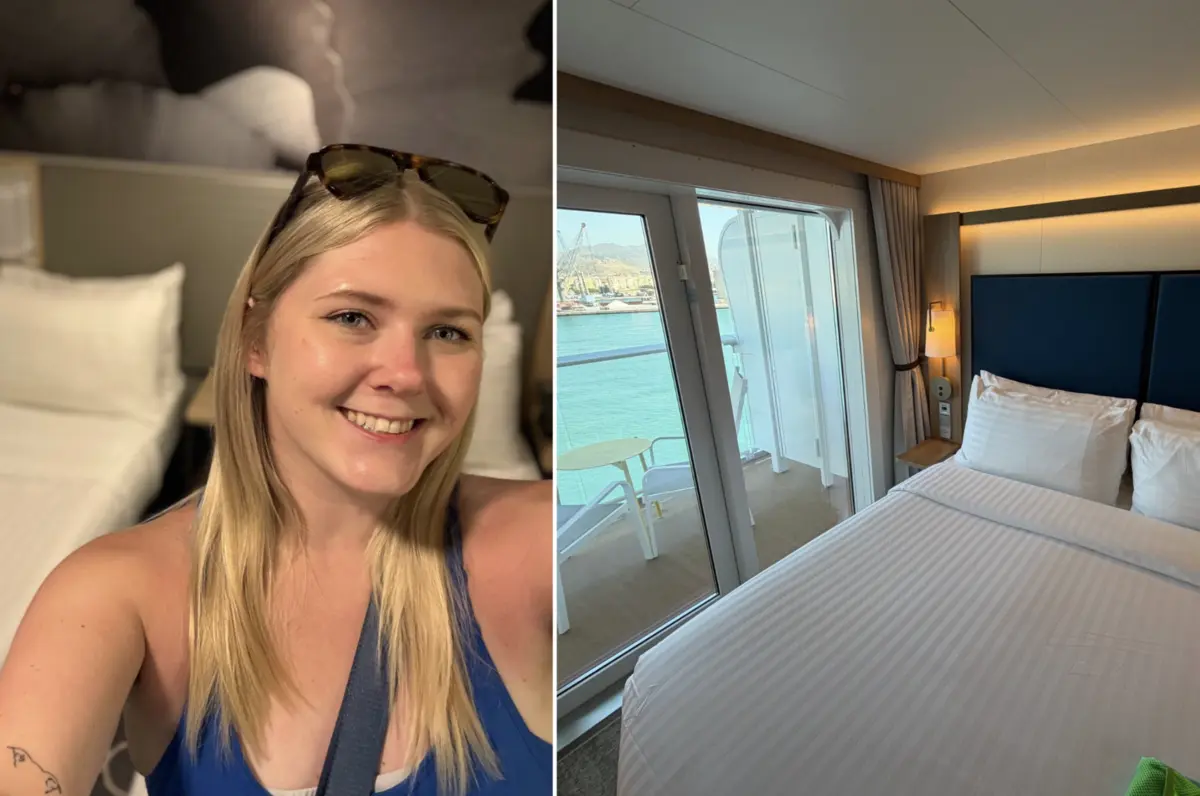
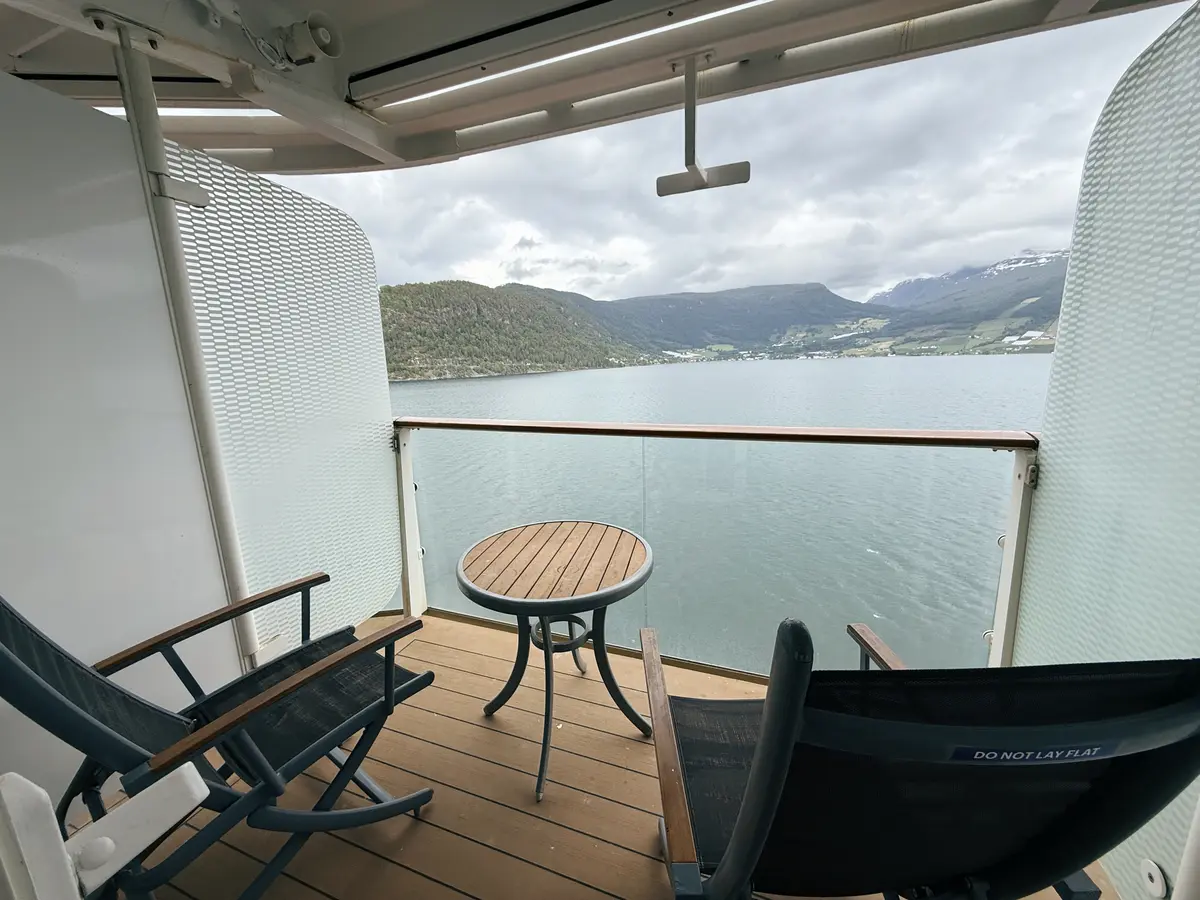
Fortunately, my interior guarantee cabin resulted in an upgrade to a Surfside Neighborhood View cabin. Because the cruise fare was so high, this was a welcome surprise. I thoroughly enjoyed the room’s natural light and spacious size during my week onboard.
*Note: Although my cruise fare included gratuities, I also budgeted for additional tips while onboard. Tips have not been included in the final cost breakdown.
My Economy Class flight cost $1,325, but I booked it with points
Flying to Europe for a cruise can be expensive, especially if your cruise departs between June and August. These are the busiest months for Europe travel, and prices certainly reflect that.
My flight to Italy cost $1,325 from North America. The cruise came in between a separate trip to Mexico, so I flew from Mexico City to Rome and then returned from Milan back to Mexico City a few days after the cruise.
Technically, though, my flight was $0. I booked the flight with Chase Ultimate Rewards Points, using 132,469 points. This wasn’t the most lucrative redemption for my points, but options were limited with my travel dates and itinerary.
Related: 6 things to do before a cruise if you need to fly
Using points and miles is one of the most savvy ways to save money on your overall cruise cost. I make every daily purchase with either my Chase Sapphire Preferred card or my Capital One Venture X card, allowing me to accrue miles at a fast rate.
Although you might still have to pay taxes and fees out of pocket, the savings are substantial when booking flights this way.
That being said, I’ll use the cash equivalent in my overall spending report, as not all passengers book their flights with miles.
Next, I spent $234 on land transportation and a pre-cruise hotel stay
Sometimes the little costs you don’t expect can start to add up.
In addition to my flight, I spent another $153 on transportation to and from the airports, cruise port, and my hotel. This included $30 in Ubers, $17 in transfers to and from the port, and a $9 train from the Rome airport to the city, along with other miscellaneous transportation expenses.
The night before my cruise, I booked a hotel in the small beach town of Santa Marinella, located around 7 miles from the Civitavecchia cruise port.
Related: Western Mediterranean cruise guide
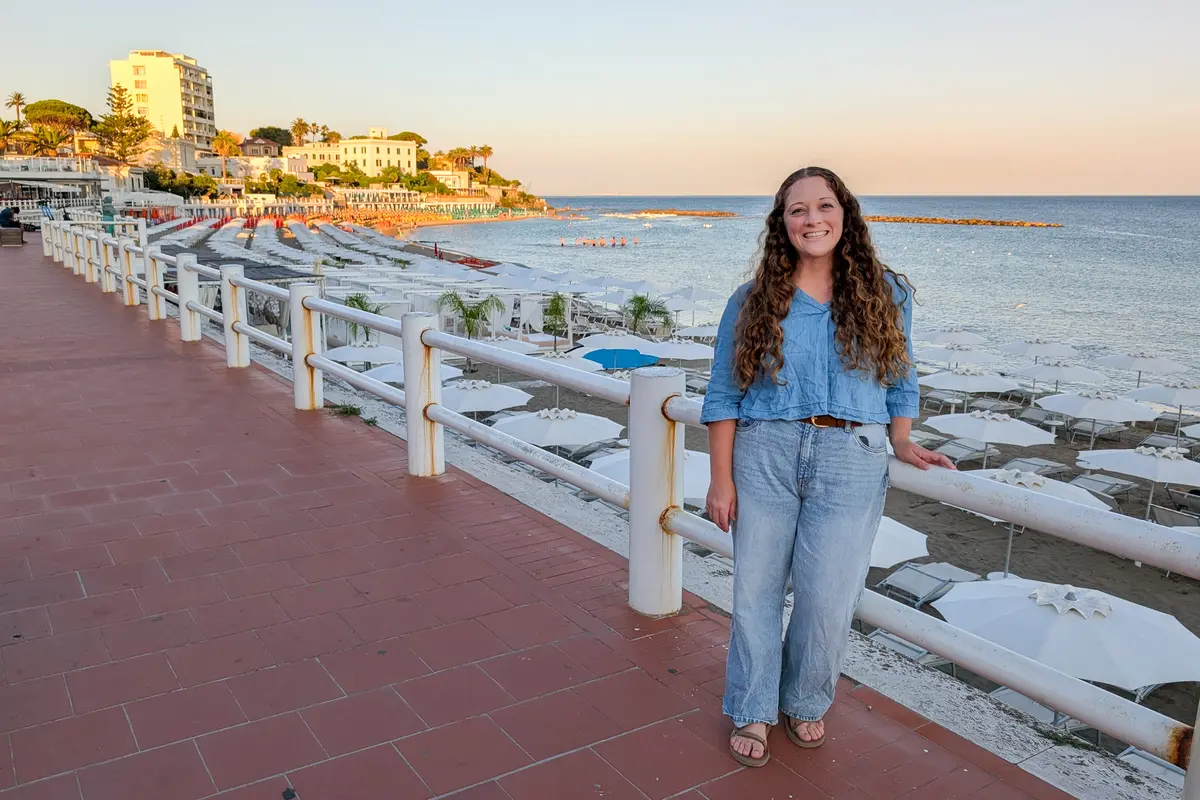
Many guests stay in Rome the night before their cruise, but I personally prefer staying outside the city. Rome in the middle of summer is extremely hot and crowded. Spending the night in the quaint seaside town of Santa Marinella was much more relaxing.
Our hotel, Hotel Isola, was $162 total for the night, or $81 per person. It was just a short walk from the beach and near many authentic Roman restaurants to enjoy classic dishes without the crowds (and prices) of central Rome.
My onboard purchases totaled just $58
While onboard Legend of the Seas, I spent almost nothing extra. A lot is included in your cruise fare, from production shows to activities and over a dozen complimentary restaurants. I rarely felt the need to spend extra on the ship.
Additionally, as a Diamond Plus member in Royal Caribbean’s Crown & Anchor Society, I receive several benefits that reduce my onboard spending. The five daily drink vouchers, for example, mean I never spend extra on alcoholic beverages, and the free bag of laundry saves me $40 on every cruise.
Related: How to maximize Crown & Anchor Society benefits at every tier
I spent just $58 onboard at Izumi Sushi, Giovanni’s Wine Bar, and Starbucks.
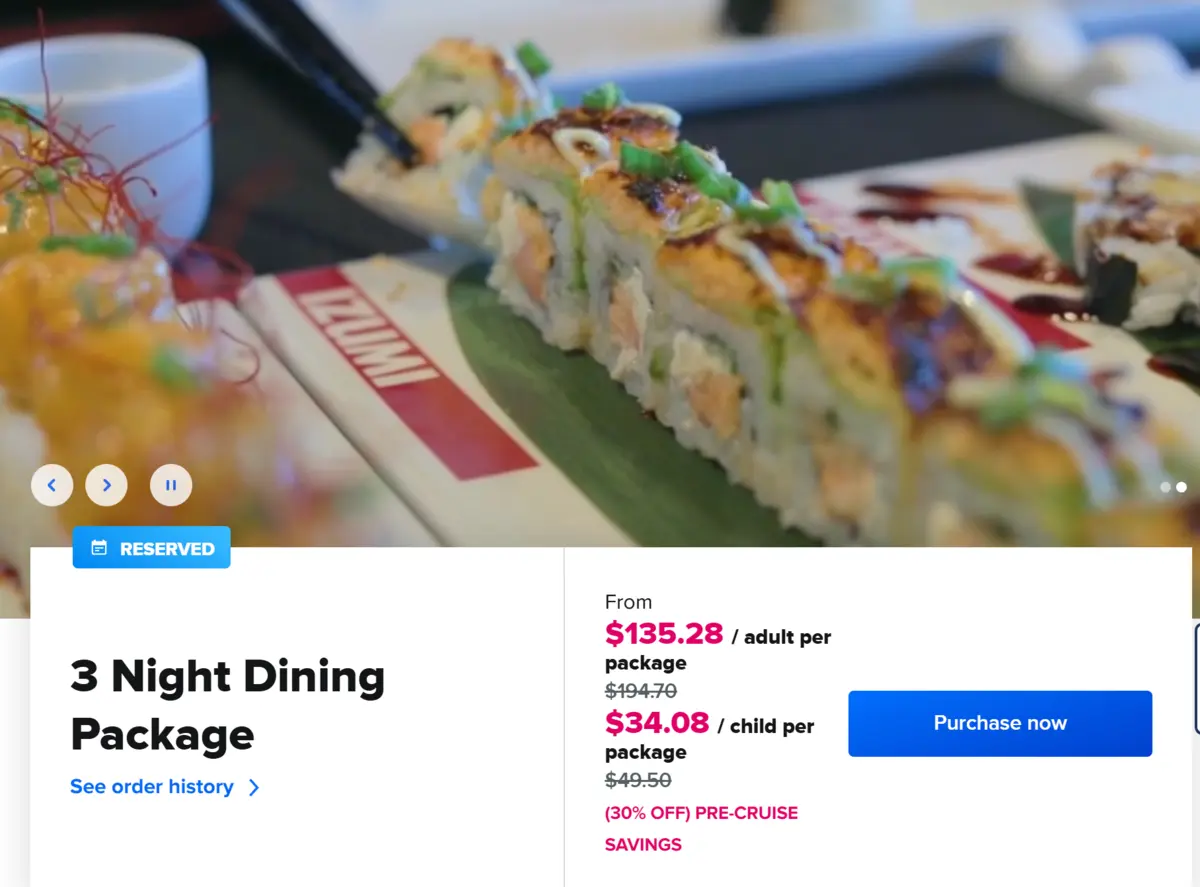
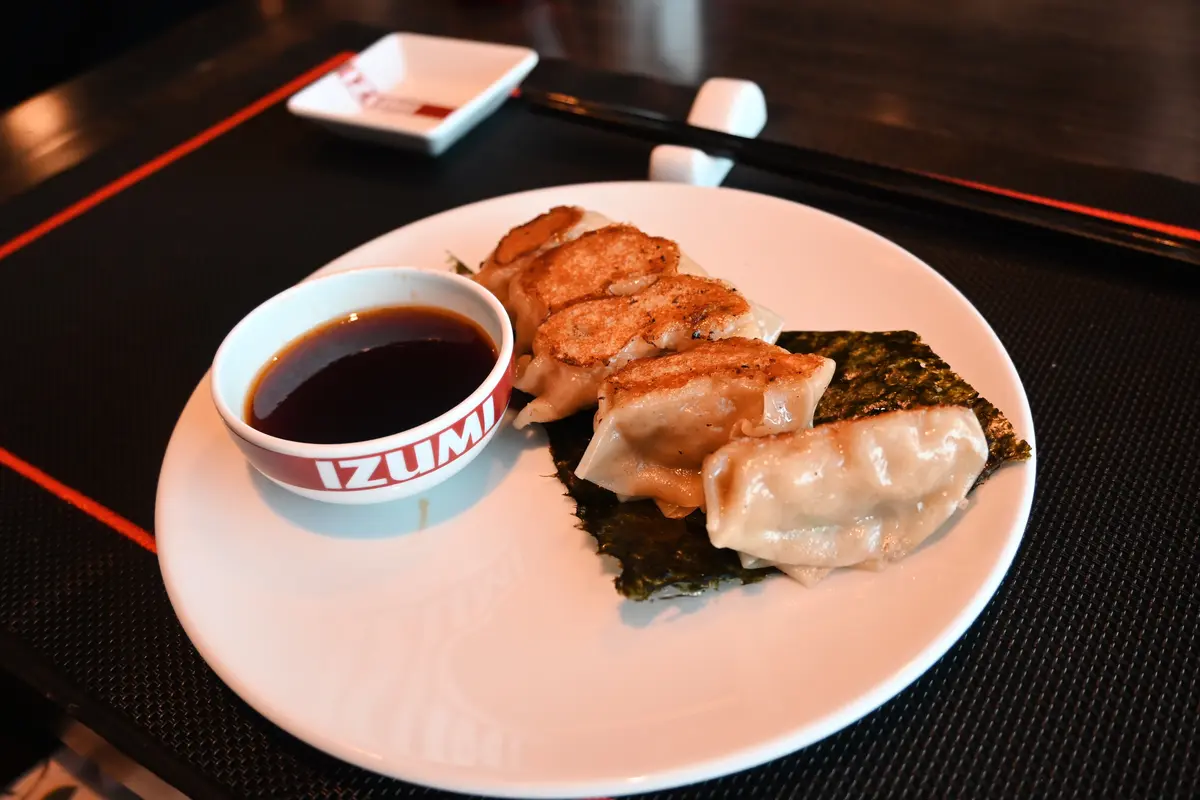
On the first evening of the cruise, my brother and I decided to treat ourselves to a specialty meal at Izumi Sushi. I spent just $24 for dinner, thanks to the BOGO Specialty Dining benefit I received as a Diamond Plus member in the Crown & Anchor Society.
I also enjoyed a specialty meal at Giovanni’s Wine Bar. Rather than pay the $50 cover charge to eat dinner in the adjacent restaurant, Giovanni’s Italian Kitchen, I instead purchased a margherita pizza from the wine bar’s à la carte menu. After gratuity, my bill was around $9.
Finally, I spent $25 at Starbucks throughout my cruise. Although I can use my Diamond drink vouchers at coffee shops like Pearl Café and the Rye & Bean, I find Starbucks drinks to be higher quality.
I spent $368 on shore excursions in France and Italy
I don't typically book shore excursions, as I usually prefer visiting ports on my own. However, I decided to give two excursions a try when Legend of the Seas visited Marseille, France and La Spezia, Italy.
Having been to Marseille several times before, I wanted to get out of the main city center and explore areas further from the port. Likewise, I hoped to visit Cinque Terre when the ship tendered in La Spezia, but I didn’t want to deal with the hassle of planning logistics myself.
So, instead of traveling on my own, I booked two tours with Shore Excursions Group: Avignon and Wine in Marseille and Cinque Terre by Train and Limoncello in La Spezia.
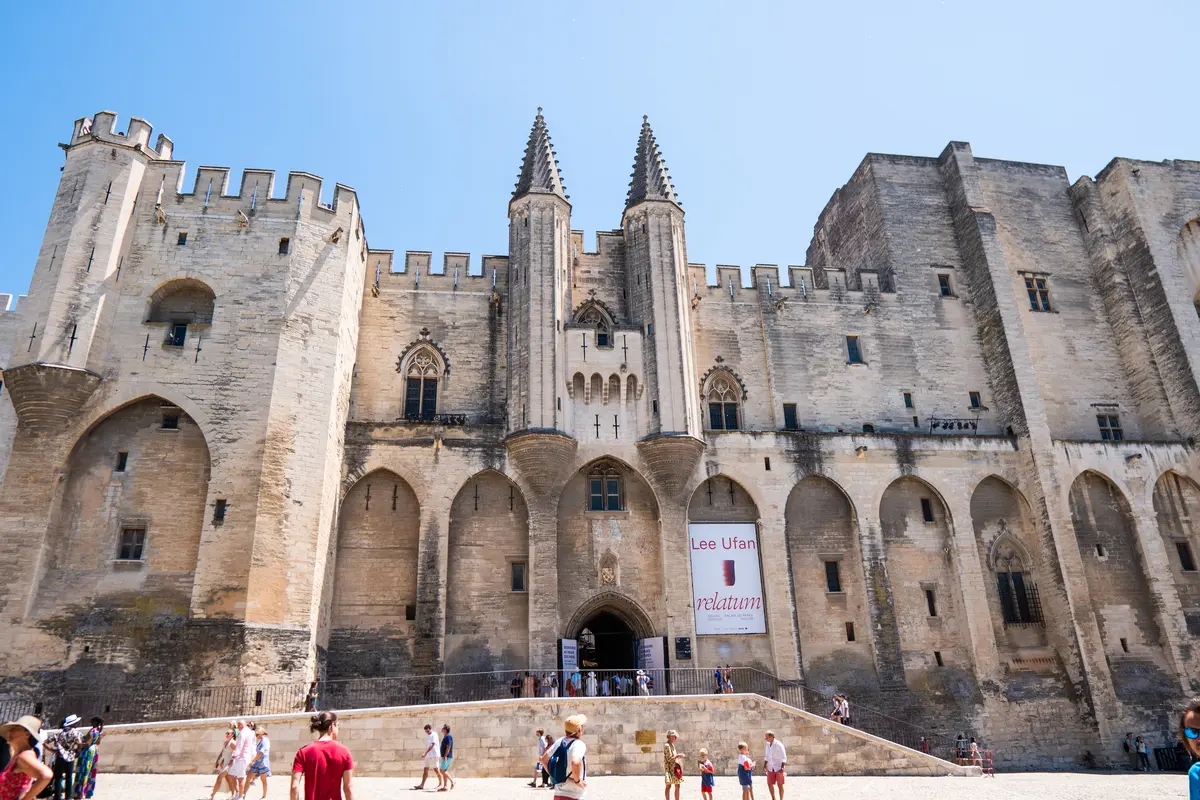
There were only five guests on the Avignon and Wine tour, making it feel more like a private tour than a group excursion. We toured the Chateau Fortia winery, and later enjoyed free time in the charming city of Avignon. This tour costs $256 per person, and I appreciated the small group experience.
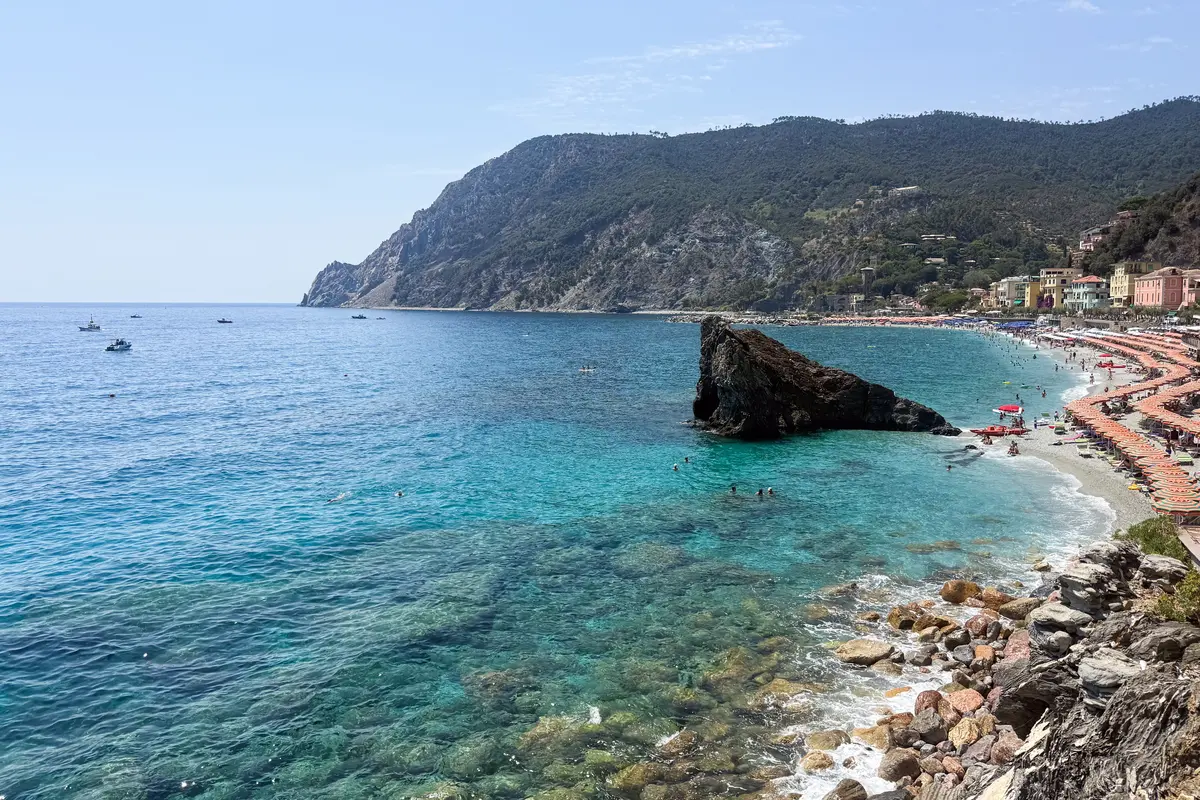
In La Spezia, our tour to Cinque Terre cost $112 per person. It included an all-day train pass and visits to the towns of Riomaggiore, Vernazza, and Monterosso, along with a brief limoncello tasting.
Related: 5 quick and easy tips for finding a shore excursion on your own
Even though I generally explore ports on my own, I was grateful that I booked tours in these two ports. I wanted to experience destinations further from where the ship docked, and a tour seemed like the most reliable way to do that.
*Note: Shore Excursions Group generously gifted Royal Caribbean Blog these two tours, but all opinions are our own. Tour prices are included as expenses in this overall cruise spending report.
I spent an additional $149 on miscellaneous expenses in port
In addition to spending $368 on excursions, I spent extra in various ports of call.
The night before my cruise, I spent $25 on dinner in Santa Marinella, indulging in a generous portion of cheesy Roman cacio e pepe pasta. I also spent $4 on dessert at a gelateria along with $10 on a pre-dinner cocktail.
During my itinerary, Legend of the Seas visited the ports of Marseille, Barcelona, Palma de Mallorca, and La Spezia. Unfortunately, Royal Caribbean Blog duties kept me onboard in Barcelona, but I thoroughly enjoyed the other ports of call.
Aside from my tour in France, I spent around $20 on lunch in the center of Avignon along with another $5 on macarons at a local bakery.
I didn’t book a tour in Palma de Mallorca. Instead, I split my time between the city center and Cala Major, a free public beach.
I kept costs to a minimum throughout the day, spending $6 on local bus tickets, $17 on souvenirs, $12 on Spanish tapas, and $13 on an iced coffee and pastry at a bakery.
Finally, in La Spezia, I visited a cafe before our tour began, spending $5 on a coffee and croissant. While visiting Cinque Terre, a gelato, Aperol spritz, and focaccia set me back $21. I also spent $11 on a plate of pesto pasta before getting back onboard the ship.
I’m not big on souvenirs, but trying local food made a small dent in my budget.
After my cruise, I budgeted extra to extend my vacation in Italy
Considering that I was already in Italy after my cruise, I decided to stay in the country for a few more days after the cruise ended. While I won’t include the total price of my post-cruise vacation in my total, I budgeted around $1,000 for five nights in Tuscany and the Italian Riviera.
Crossing the Atlantic takes time, money, and effort, so I often encourage cruisers to extend their trip on either end. Even just two or three extra nights allows you to experience more of your embarkation city and beyond.
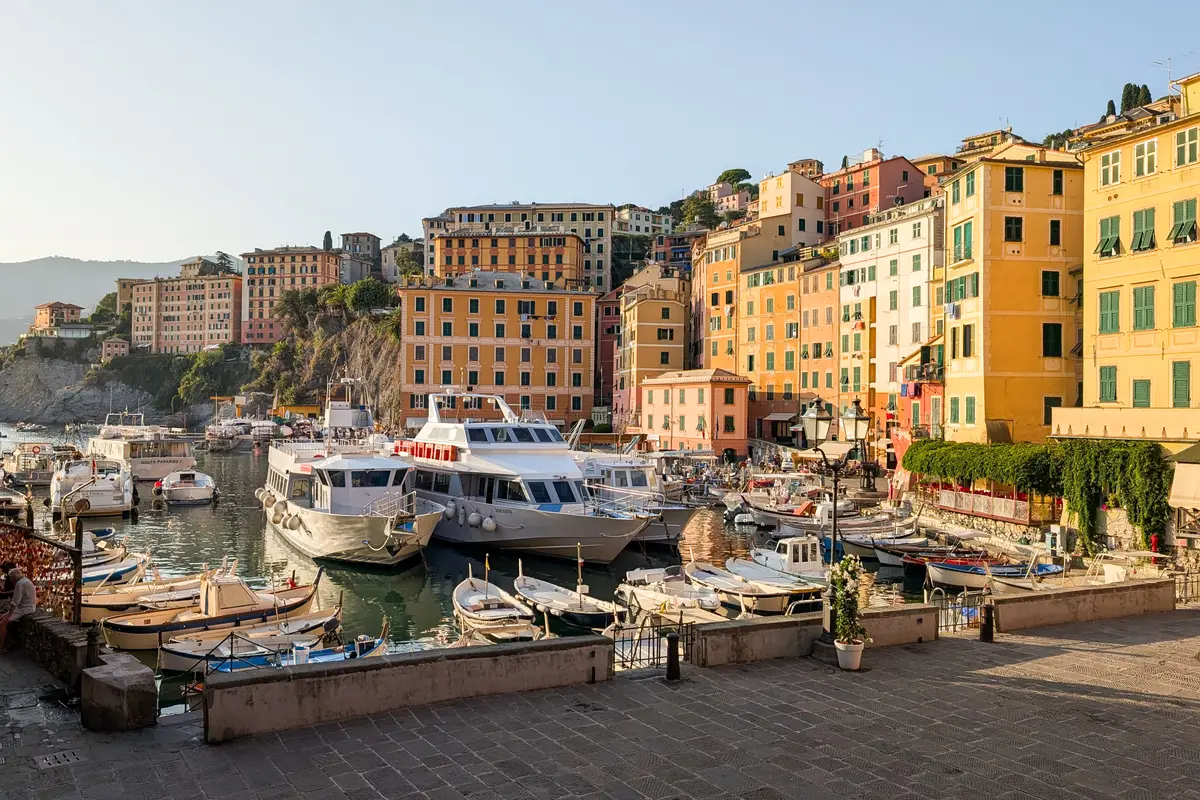
Visiting towns like Lucca and Camogli was the cherry on top of a gorgeous Mediterranean vacation, and soon enough it was time to head home.
In total, I spent $4,359 to cruise on Legend of the Seas
My Legend of the Seas cruise was among my favorite sailings yet.
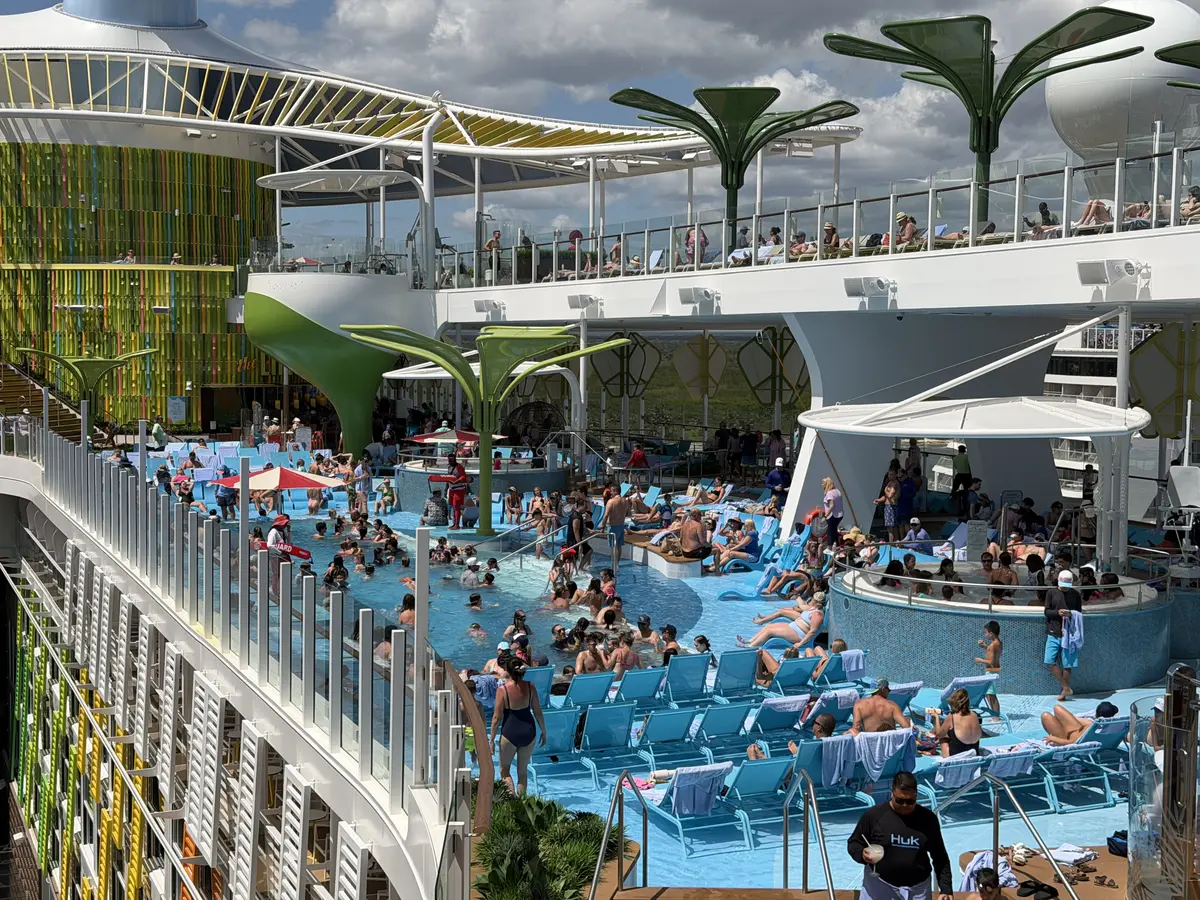
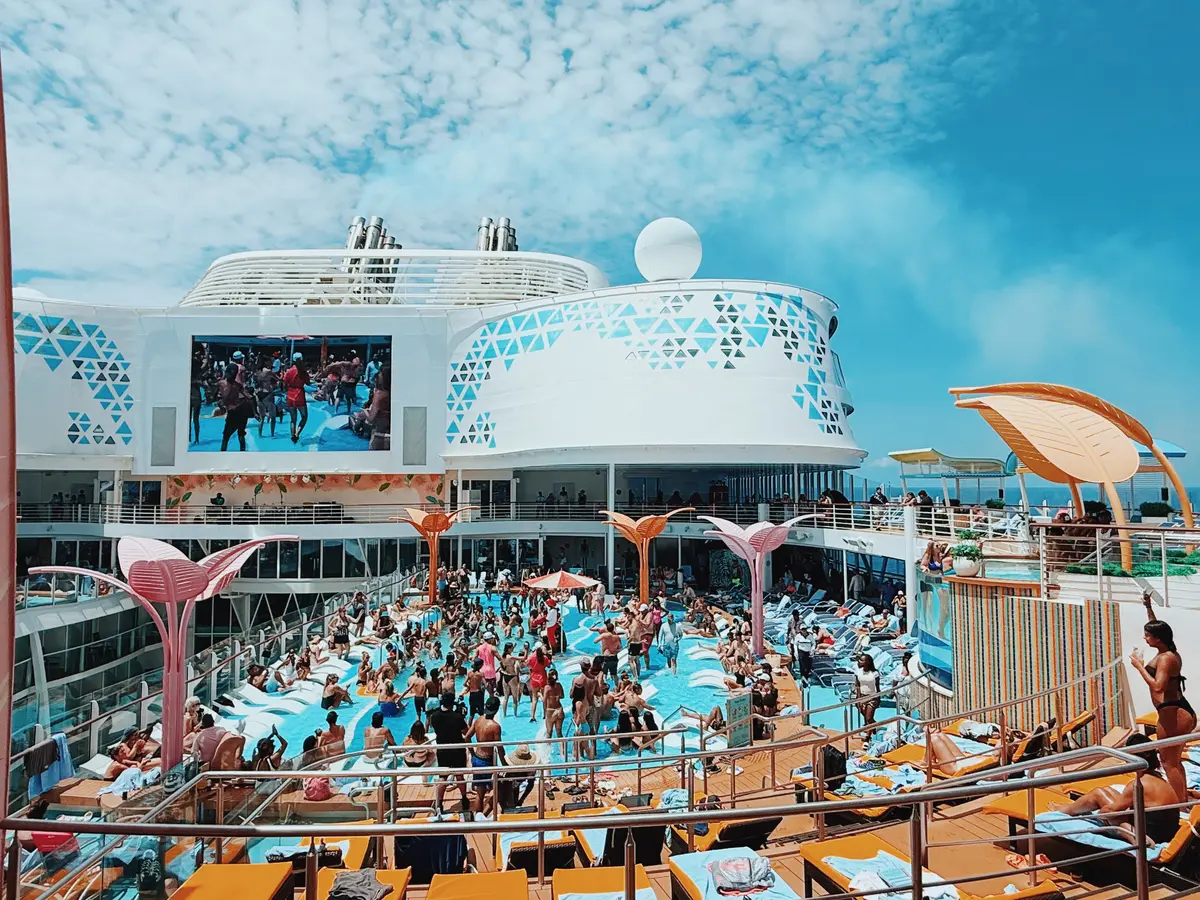
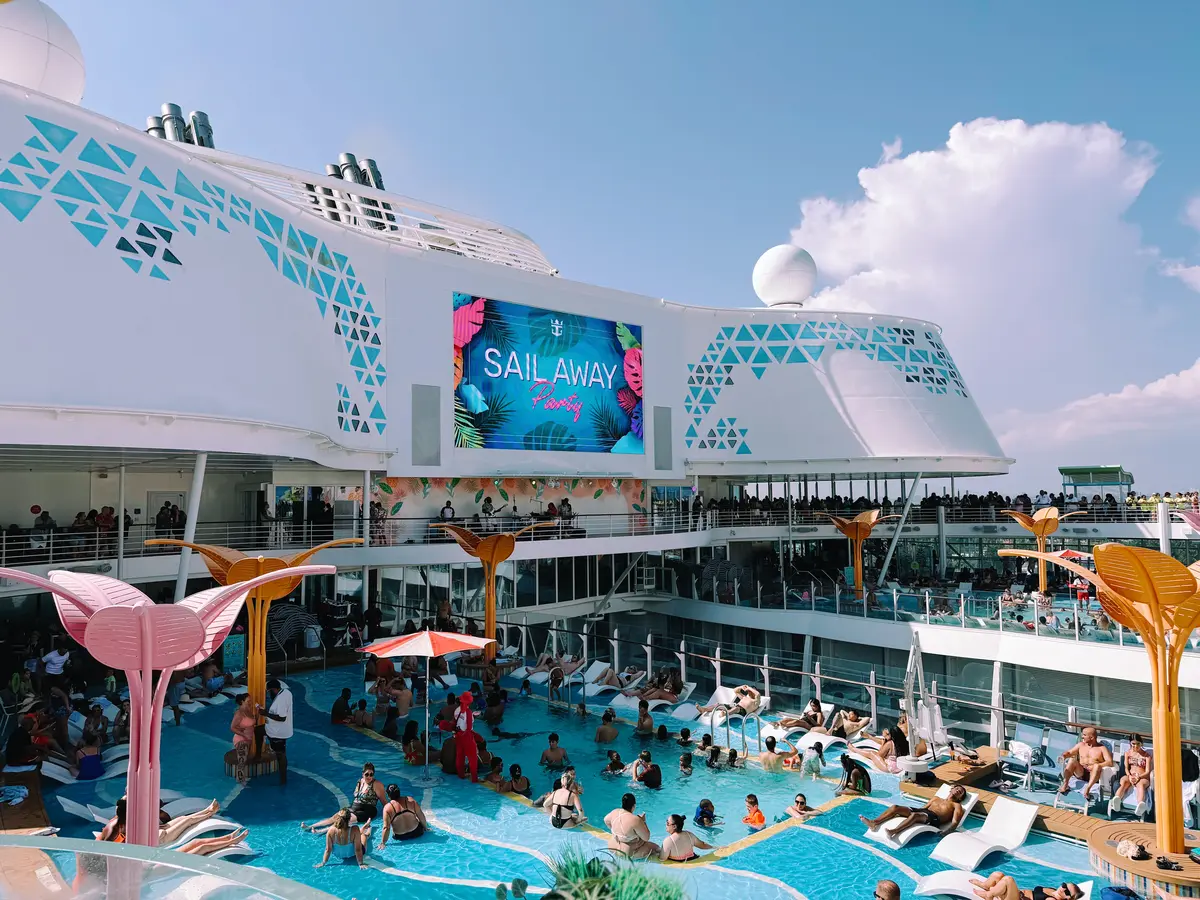
Icon Class ships are truly something special, and I enjoyed every moment of my time onboard. Whether it was the late-night runs to the AquaDome Market for crêpes or catching the Broadway show of Charlie and the Chocolate Factory, there was always something interesting to experience around the ship.
Even though my cruise fare was high, I still stuck to a budget on extras like onboard expenses, and I tried to keep costs down in port as well.
All in all, my vacation wasn’t the cheapest trip I’ve ever taken, but it was an excellent way to discover an impressive cruise ship in such a beautiful and historic region of the world.