
I’ve been cruising with Royal Caribbean since I was 11. Over the past 15 years, I’ve sailed on nearly a dozen of their ships, gaining extensive firsthand experience along the way.

Nothing comes close to your first cruise, though. Even if it is on an older vessel, like Grandeur of the Seas, the excitement of stepping onboard and exploring the ship is unforgettable.
Still, before you dream of sipping poolside piña coladas, planning dreamy shore excursions, or dropping your kids off at Adventure Ocean, it's important to understand what to expect on the cruise ship.
From knowing what’s included in your cruise fare to understanding the cruise contract's policies and dining options, a little preparation can go a long way in making your first Royal Caribbean cruise enjoyable and stress-free.
Here are 9 things everyone should know before their first Royal Caribbean cruise.
New doesn't always mean better

I've sailed on ships as old as Vision of the Seas and as new as Icon of the Seas. While there’s no denying that the gigantic Icon Class mega-ships are impressive, they certainly aren’t for everyone.
Older vessels offer a level of intimacy that larger ships simply can’t replicate. Rather than focusing on flashy attractions, the emphasis is on connecting with the sea and with fellow passengers.
As a result, you won’t find water parks, surfing simulators, or ice skating rinks onboard, but that doesn’t make these ships bad.

Pros of smaller ships include diverse itineraries, a greater focus on intimacy, more affordable fares, better quality control, and less nickel-and-diming.
That said, if Royal Caribbean's commercials showcasing adrenaline-pumping attractions are what first caught your attention, a smaller ship won't deliver the experience you’re expecting — just be prepared to pay a premium.
Travel agents can help save time and money

It can be hard to give up control over your vacation, but trust me — you won't regret working with a travel agent. A good agent will meet you wherever you are in the planning process, whether you're trying to pick an itinerary, ship, or cabin.
They can break down the pros and cons of different staterooms, suggest excursions, make pre-cruise travel arrangements, and even talk with Royal Caribbean on your behalf if plans change.
If you’re lucky, your agent may have access to a special group rate for your sailing, which could save you hundreds compared to the fare advertised on the cruise line’s website.
Read more: Top things you didn't know travel agents can do for your cruise vacation
Passports aren't always required, but they're always recommended
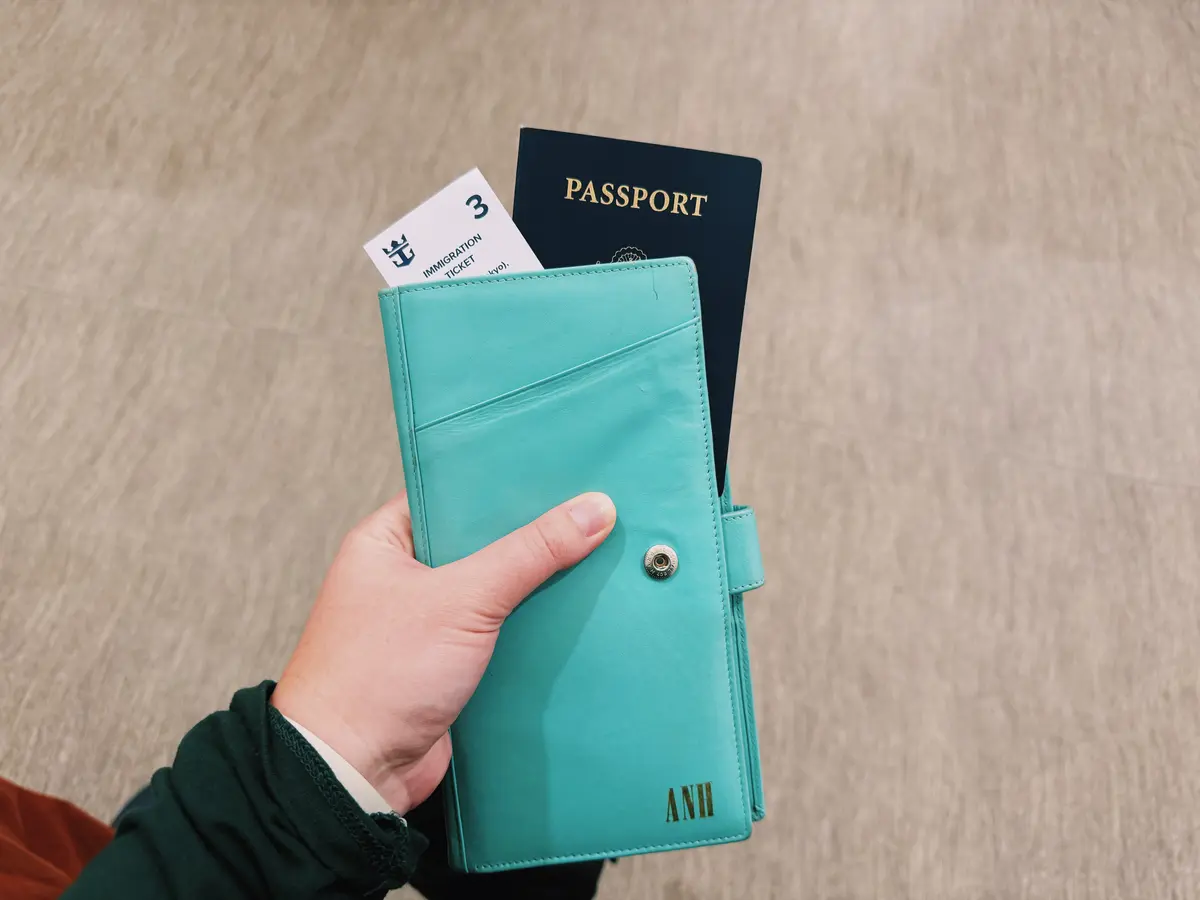
Although passports are recommended for all cruises, whether a short 3-night voyage to CocoCay or a port-intensive voyage to The Last Frontier, they aren't always required.
Still, it is in your best interest to travel with a valid passport on any cruise. Unexpected itinerary changes or medical emergencies could require you to disembark the ship early and re-enter the United States by air. In those situations, a passport will minimize delays, stress, and complications.
Plus, having a passport will open doors to a wider range of itineraries. When you're traveling with a valid birth certificate and government-issued photo ID, you’re limited to closed-loop sailings that depart from and return to the same U.S. port. With a passport, however, you can sail on international itineraries and unique one-way voyages.
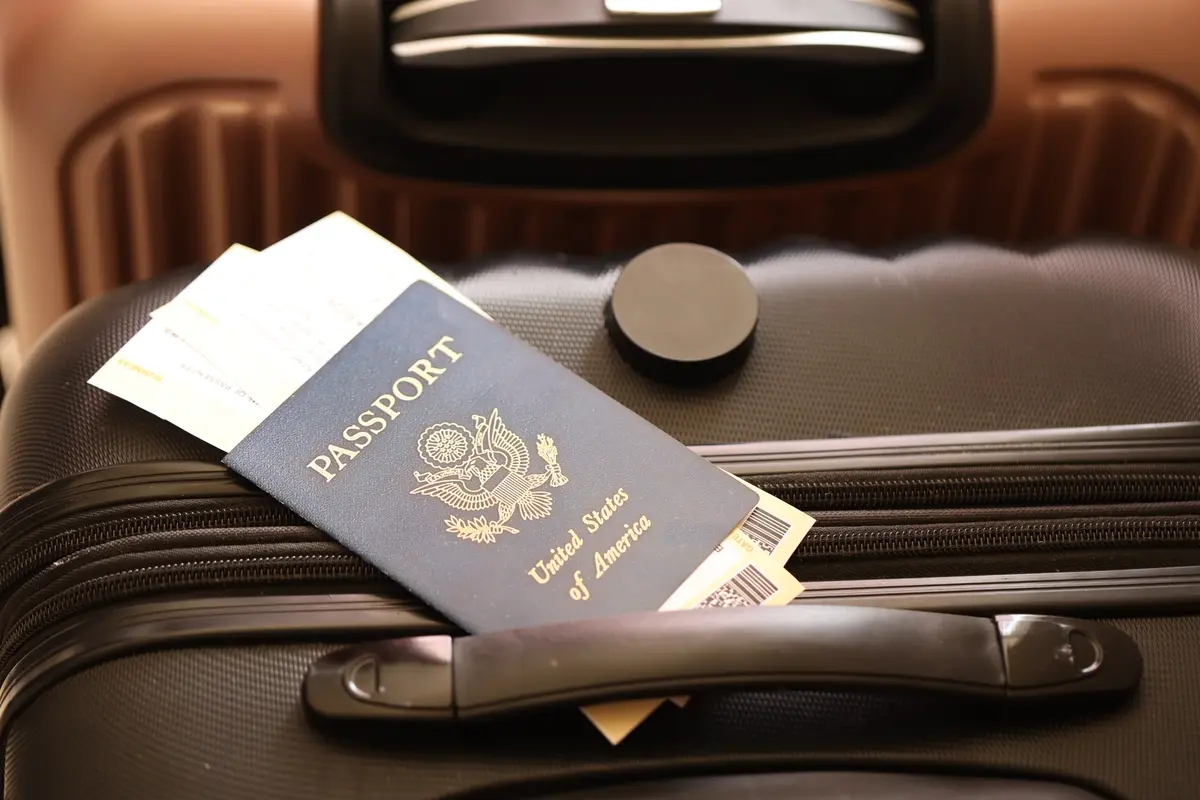
On a similar note, if you do have a passport, check its expiration date well in advance of your cruise. Royal Caribbean defines a valid passport as one that's not set to expire within six months of your return date.
So, for example, if your cruise ends on August 15, 2026, your passport needs to be valid through at least February 15, 2027, to meet the six-month requirement.
Read more: You can take a cruise without a passport, but some require one
Speak up if you have a problem
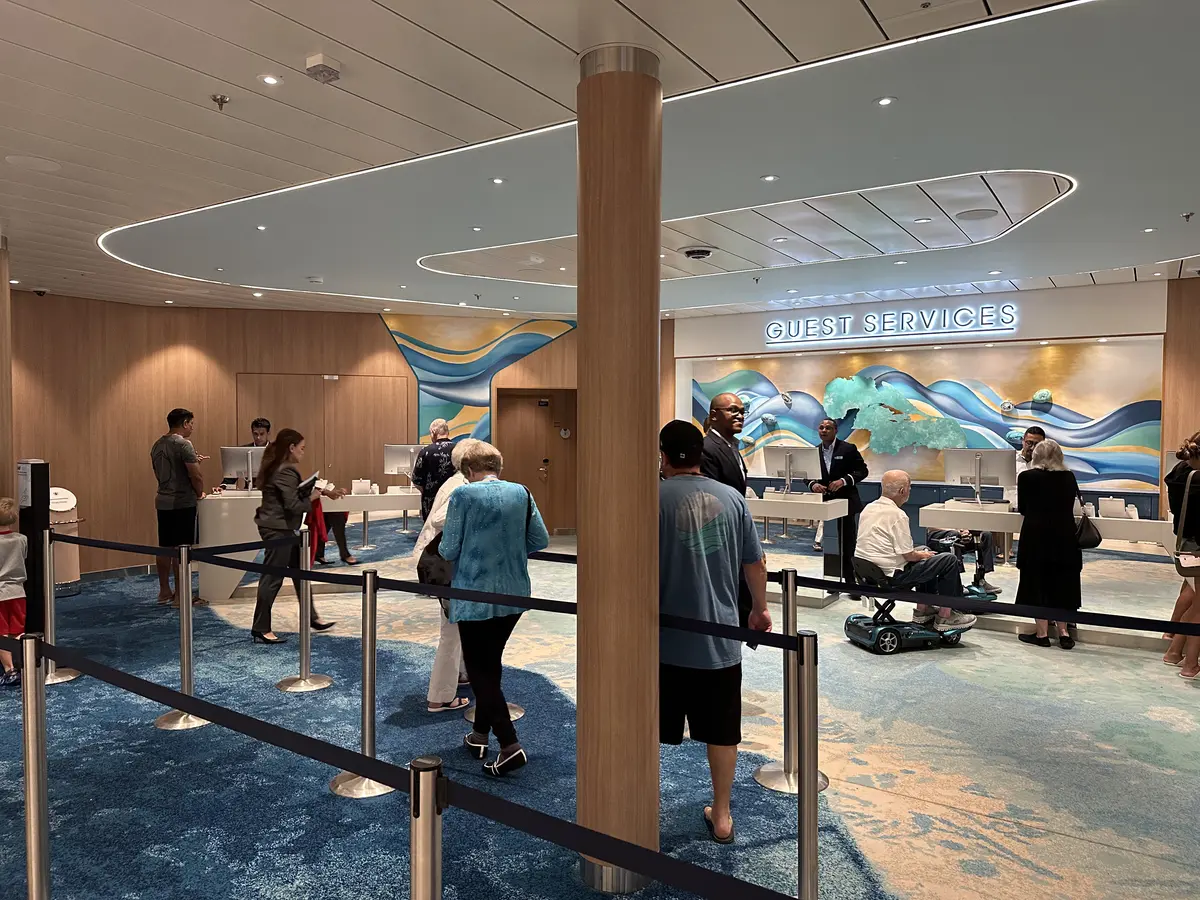
Whether it’s an issue with your cabin or a concern about the dining room's food quality, it's important to address any problems early to make things better on your vacation.
Crew members are there to help. If Guest Services doesn't have an answer, they will direct you to the correct department.
For example, if you are unhappy with your service in the Main Dining Room, ask to speak to the head waiter to alert them of the problem. Additionally, Guest Services can help resolve billing disputes.
You don't have to sit through every event
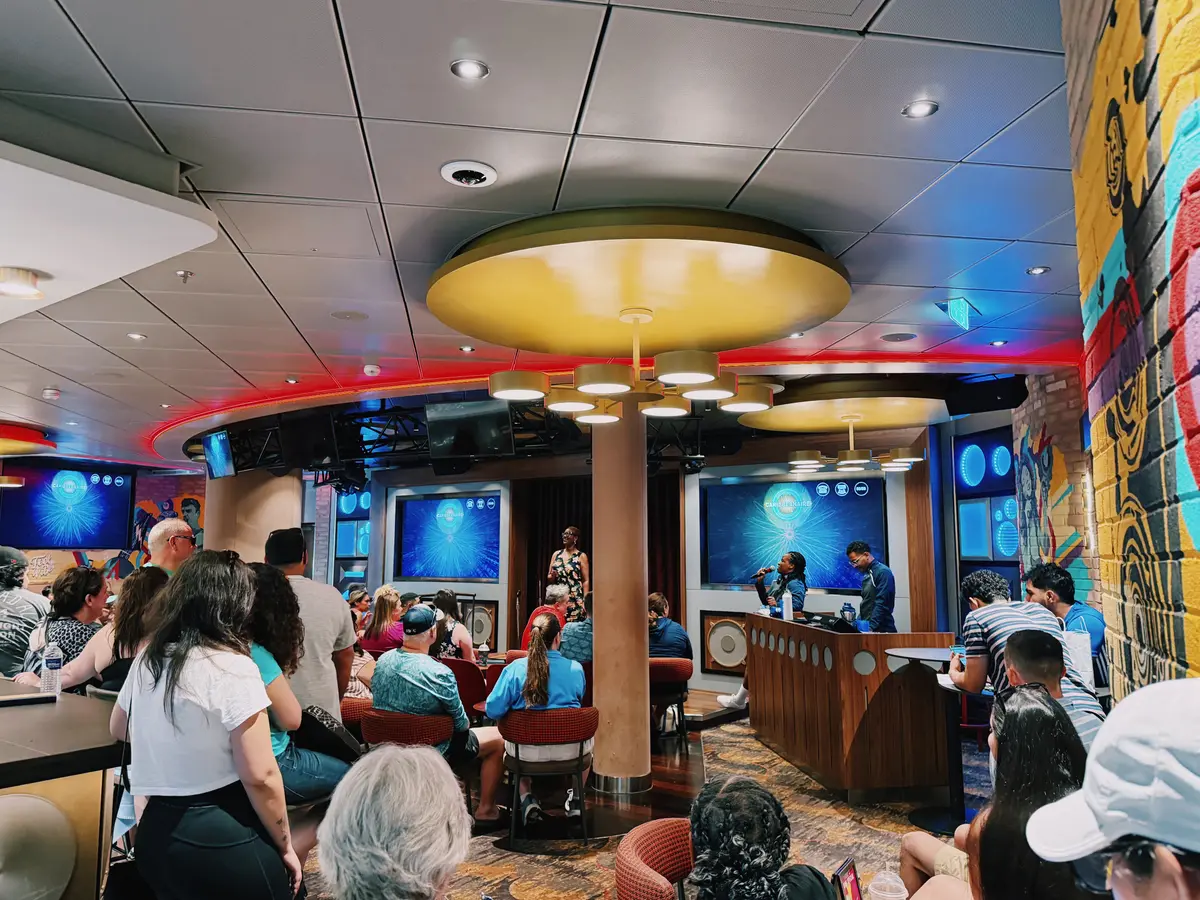
Cruise ships have seemingly endless activities, from trivia competitions to sports tournaments, production shows, karaoke, themed parties, and more.
It's tempting to want to do it all, but trying to cram every activity into your schedule is exhausting. Instead, don't feel like you have to commit to full events. Rather than sitting through an entire evening of karaoke, you can start your evening by listening to a few songs, trying your luck in the casino, and ending by attending a late-night dance party.
One of the great things about a Royal Caribbean cruise is that the schedule was designed to be flexible, so you can enjoy what interests you without feeling like you're missing out on other experiences.
Keep all essentials in your cruise carry-on bag

When you arrive at the cruise terminal, you will be greeted by a porter who will ensure your suitcases are properly tagged; you won't see them until you've boarded.
Because it could be hours until your bags are delivered to your stateroom, you will want to have important documentation and other valuables packed in your carry-on bags.
This includes passports (or your birth certificate/valid photo ID), credit cards, jewelry, electronics, and medication. Some cruisers also like to bring a swimsuit on board to enjoy the pool deck on the first day.

If you are carrying on soda or a bottle of wine, you'll also want to pack it in your carry-on. Note that security has the right to search for prohibited liquids, such as hard liquor, beer, and hard seltzers.
Read more: 15 things to pack in your cruise carry-on
Don't forget to bring cash

Although your cruise card serves as your identification, credit card, and room key, you may also want to bring a little cash with you.
Cash is useful for tipping cabin stewards, bartenders, and dining room waitstaff. It's also required when playing table games in the ship's casino.
That said, cash is also handy when going ashore for excursions, where cards may not always be accepted. Local artisans, for example, might not have a card reader to accept payments.

If you're traveling abroad, like to Europe or Australia, make sure you bring the local currency with you. While USD is generally accepted in The Bahamas and the Caribbean, you won't be able to buy anything with U.S. dollars in places like Norway, Spain, or Italy.
Read more: How much cash should you bring on a cruise?
Bring a European power adapter
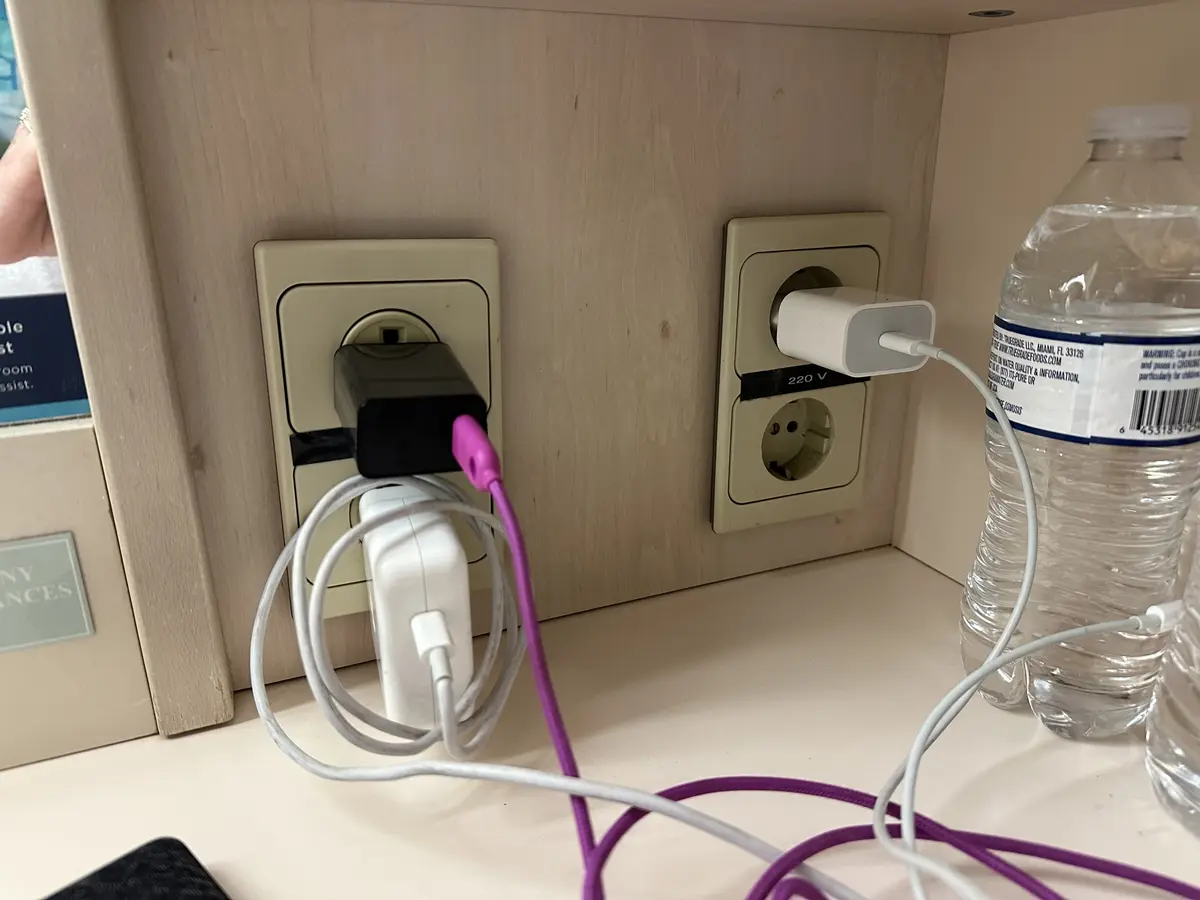
If you're sailing on an older Royal Caribbean ship (i.e., Vision, Radiance, Voyager, or Freedom Class vessels), you'll want to bring a European power adapter to maximize your stateroom's charging options.
For example, when I sailed on Vision of the Seas, there were just two standard American outlets, as well as two 220V European outlets. Between cell phones, laptops, smartwatches, and earphones, it's easy to run out of outlets if you aren't prepared.
Additionally, there aren't any bedside outlets on older ships. As such, a long charging cable will enable you to charge your devices conveniently from across the room while in bed.
Read more: The 1-item upgrade you need for a better cruise ship cabin experience (it’s already in your house)
Prepare to be seasick (but hope you aren't)
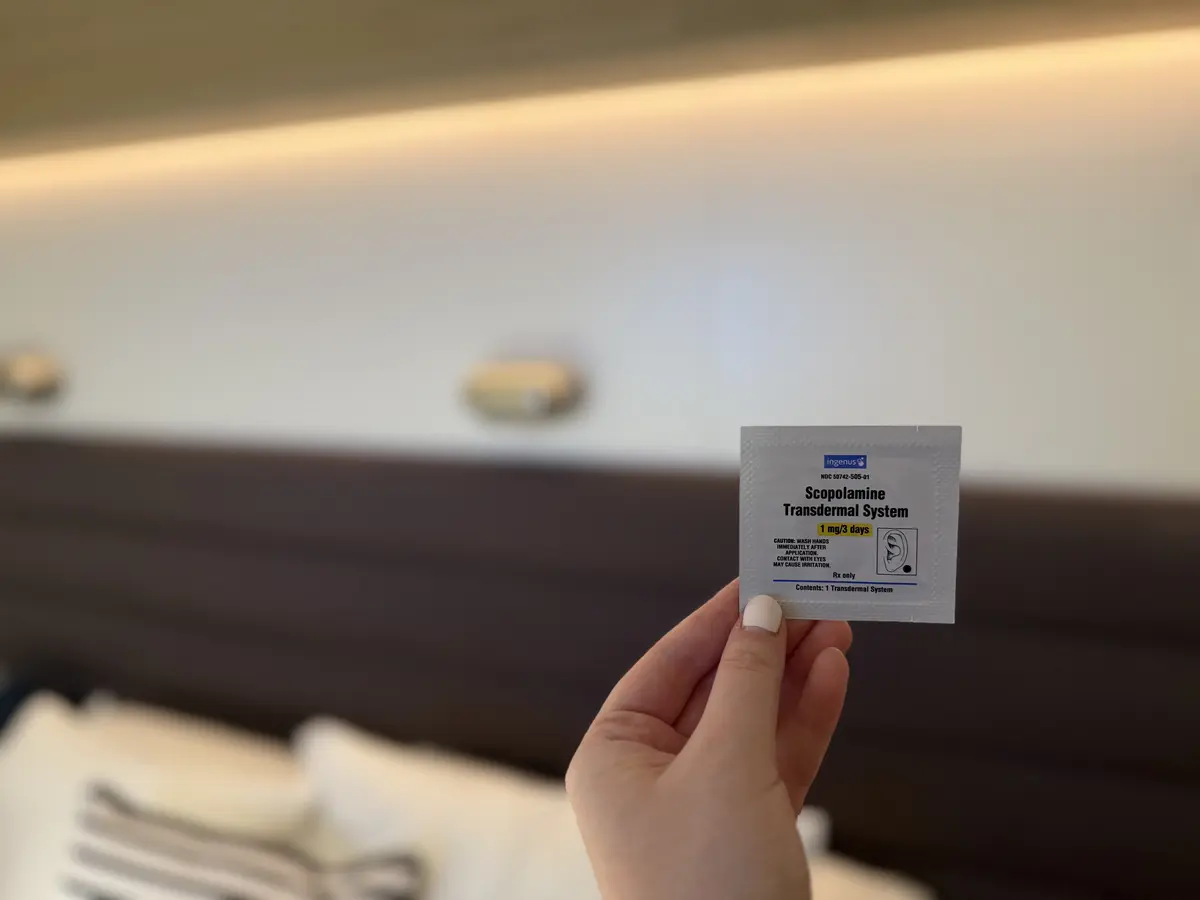
Even if you've never suffered from motion sickness before, the swaying of a cruise ship can affect anyone. Before your cruise, pack common seasickness remedies, including medication like Bonine and Dramamine, SeaBands, and motion sickness patches.
When I took my partner on her first cruise, she assumed she wouldn’t get seasick on a short Bahamas voyage. But just a few hours after we set sail, she started feeling unwell, and we had to pick up over-the-counter remedies from Guest Services.
Since then, she's learned to always come prepared. In preparation for our cruise to Bermuda last fall, she got a Scopolamine patch prescribed by her doctor. Although it’s supposed to prevent seasickness, she experienced blurred vision. Now, she prefers to stick with over-the-counter remedies and behind-the-ear patches from Amazon.
Read more: I tried the most common seasickness hacks on my cruise. Here’s what works best