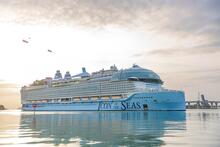

Royal Caribbean has quietly updated its prohibited items list to tighten onboard safety and cybersecurity.

Previously, "Cybersecurity and deliberate electronic crime equipment" was listed under "Prohibited Items: What can’t you bring onboard?"
However, the verbiage was recently updated to read: "Cybersecurity and deliberate electronic crime equipment (included satellite dishes, routers, and other networking equipment, any other deliberate electronic interference which would constitute criminal activity)." The change was made sometime after December 10, 2025.
Ships rely on digital systems for navigation, communication, and entertainment. As such, the clarification helps protect the critical systems from interference.
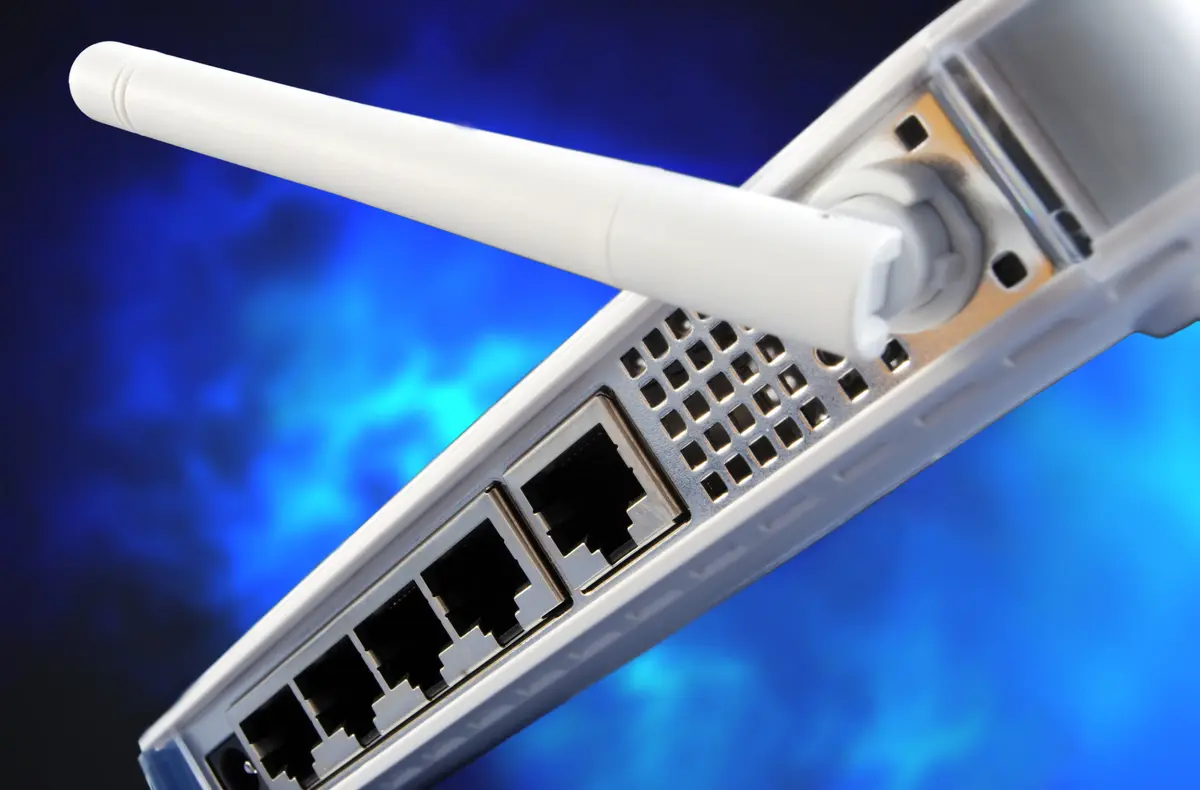
Additionally, the new wording is much more precise and explicitly targets devices intended to hack, disrupt, or manipulate the onboard systems, including signal jammers, hacking toolkits, and unauthorized travel Wi-Fi routers.
This means that ordinary electronics — think laptops, tablets, smartphones, and smartwatches — are still allowed on Royal Caribbean ships.
Satellite dishes, routers, and other networking equipment were previously listed on the prohibited items list. However, the recent addition hones in on the purpose of the device.
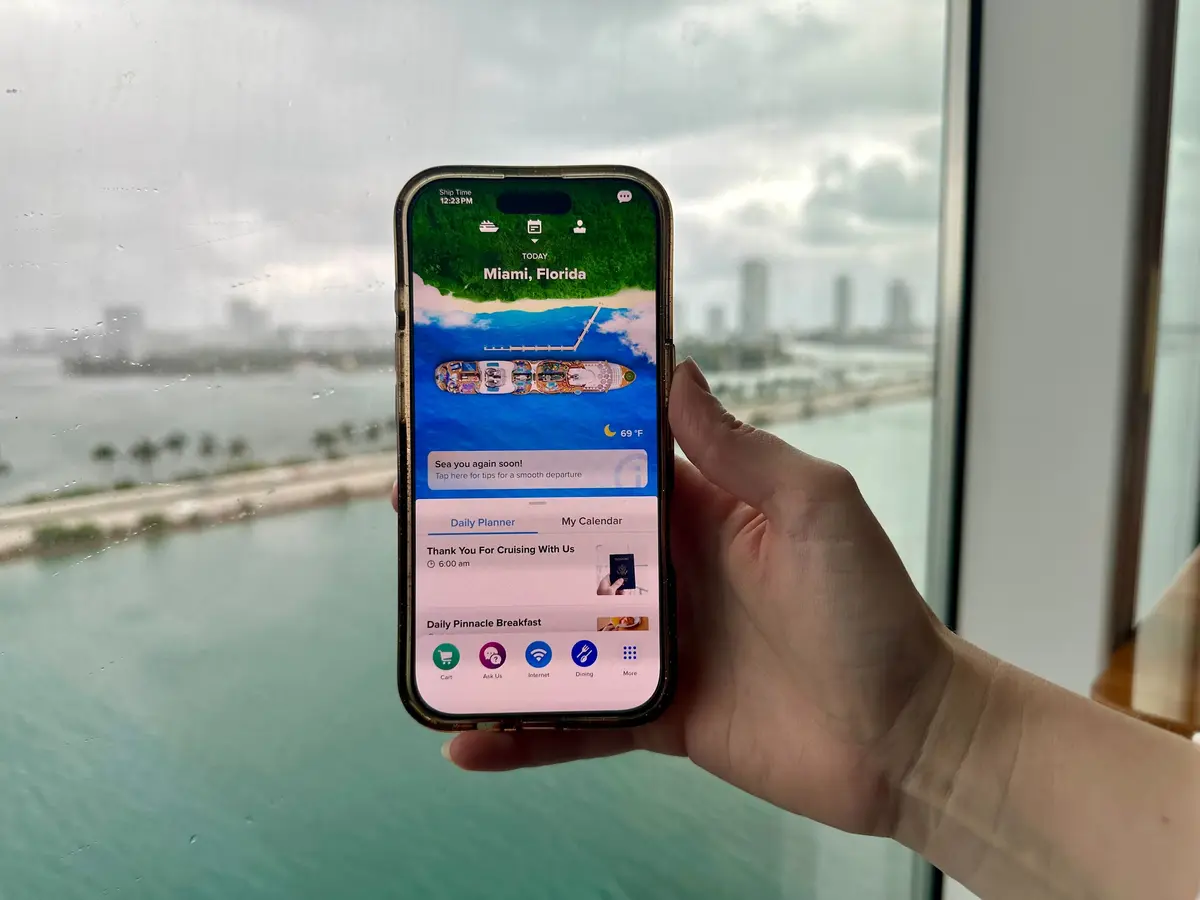
While many passengers used travel routers to save money by extending one internet package's connectivity to multiple devices, they can also be used to create rogue networks that interfere with the ship’s Wi‑Fi system or even bypass security controls.
Royal Caribbean wasn't the first cruise line to ban travel routers, either. For example, Carnival's prohibited items list clearly states that "satellite dish[es], routers and other internet related equipment" are not allowed onboard.
Read more: What can you not bring on a cruise
Cybersecurity is a top priority for businesses

A new survey released by the consulting firm Protiviti found that cybersecurity is a top concern across organizations of all sizes, as reported by Cybersecurity Drive.
According to the report, corporate leaders, including board members, chief financial officers, and chief operating officers, are "increasingly aware that cyber resilience must be embedded into enterprise strategy."
"This widespread prioritization underscores the almost universal recognition that cybersecurity is no longer a siloed IT issue but rather a strategic enterprise risk with implications for brand reputation, operational continuity, and regulatory compliance," Protiviti said.

Following cybersecurity, third-party risks, or threats from outside vendors or partners that an organization works with, ranked second on the executives’ list of concerns.
Royal Caribbean’s updated policy reflects a recognition that cybersecurity at sea is equally important as on land.
By banning devices that could cause "deliberate electronic interference which would constitute criminal activity," the cruise line is ensuring that its digital infrastructure, along with the safety of guests and crew, remains secure.