
Hiding rubber ducks on a cruise is one of the hottest trends among families today, but it's taken a step forward with a new app.
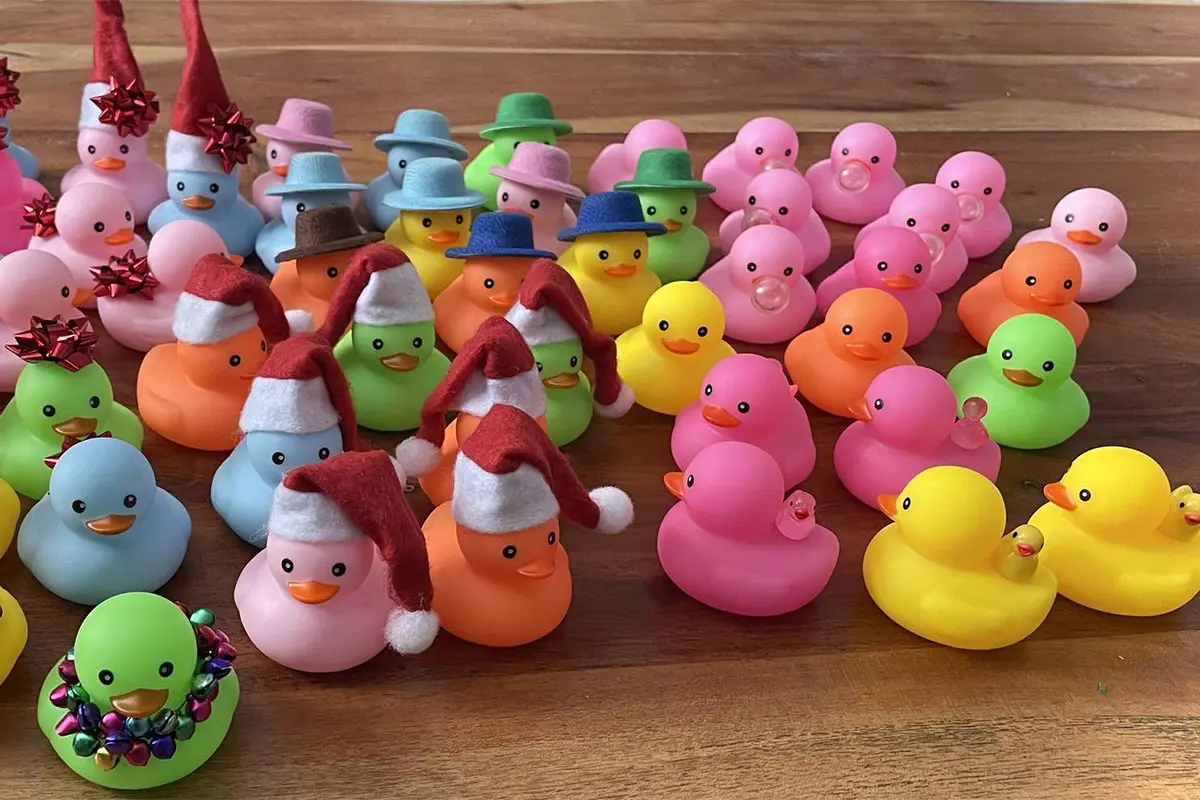
When I sailed on Star of the Seas, I expected plenty of kids to be scouring the ship for ducks. Cruise ducks are easily the fastest growing and most popular guest-driven activity.
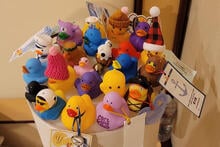
The idea is simple: hide ducks around the ship for others to find. If you find one, you can either keep it or opt to hide it again for someone else to find.
Hiding ducks on cruise ships has become so popular that there's now an app.
It's like Waze for hiding ducks
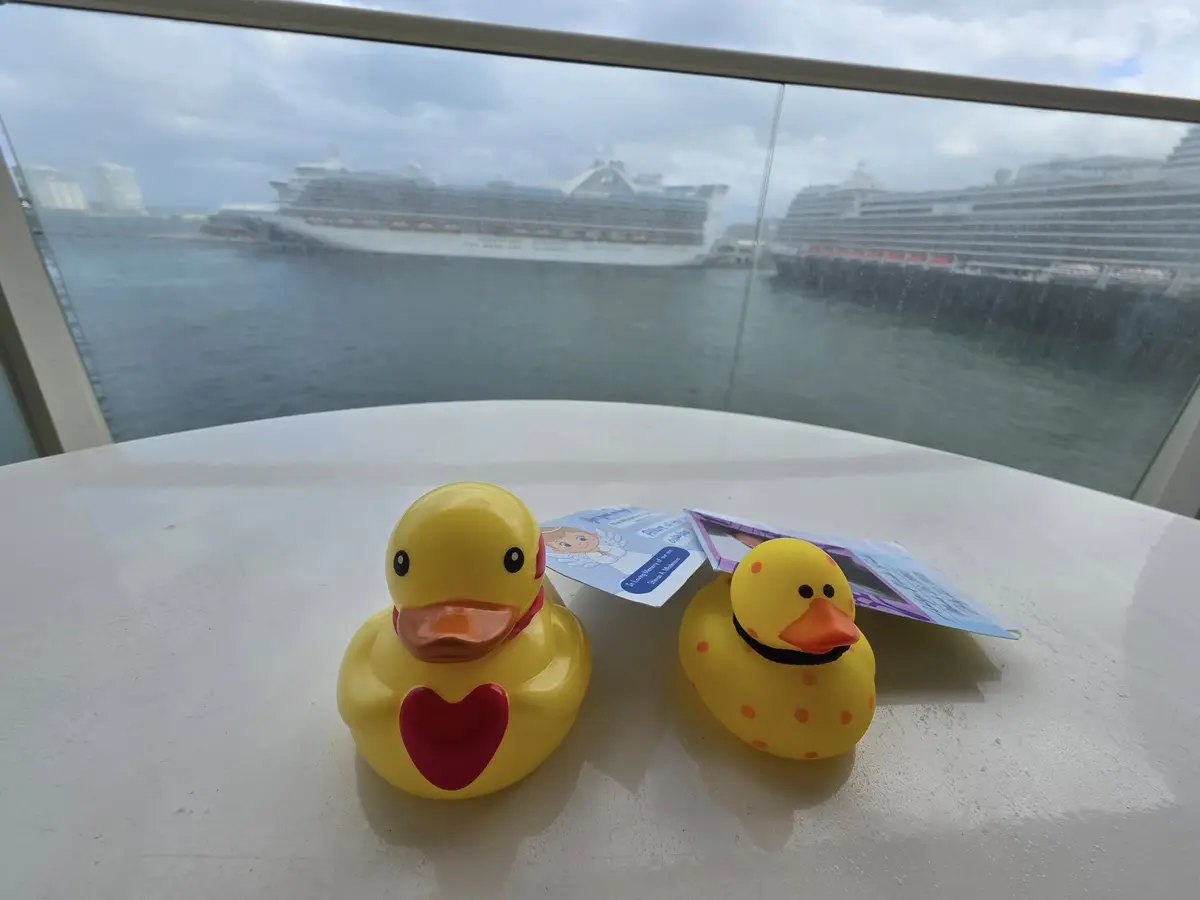
My youngest daughter has been caught up in the duck hiding craze, and she usually spends some time each day looking for them.
But I noticed at some point in the cruise she and a number of other kids duck hunting while looking at their devices. You could easily overlook this as kids multitasking watching social media, but they were using their phone to find the ducks.
In fact, a lot of kids on my cruise had the Sea Ducks app downloaded on their phone to make hiding and finding ducks more fun. It's available for both iPhone and Android devices.
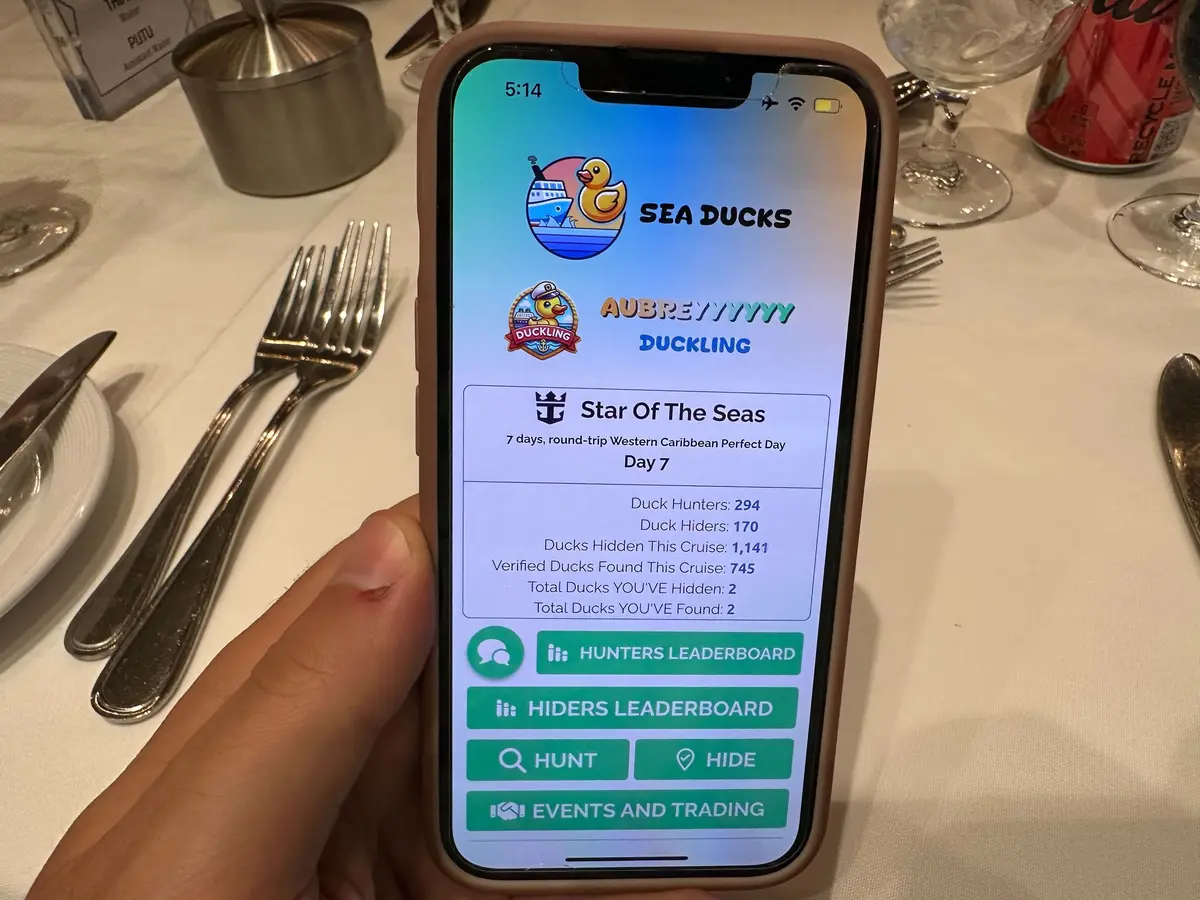
The app is far more sophisticated than I expected, as it allows them to identify which sailing they are on and use it give hints and mark when ducks are found.
According to the app, 294 people were registered for our particular sailing on Star of the Seas. Assuming they were all kids, our sailing had 2,500 people under the age of 18 years old onboard because it was a Thanksgiving cruise. That means over 10% of the kids had this app and were using it.
More astounding was the app recorded over 1,100 ducks were hidden on this sailing with the aid of the app.
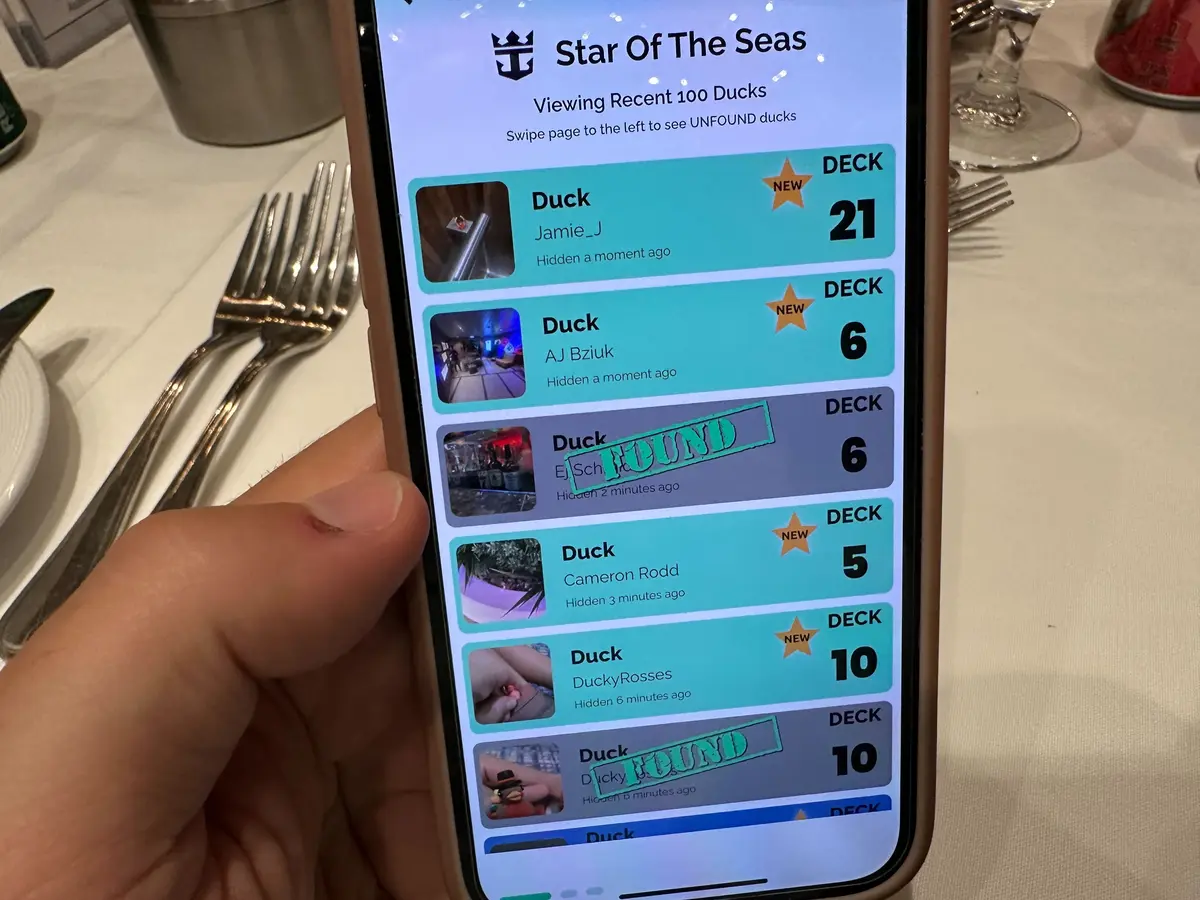
Those hiding a duck with the aid of the app can establish which deck and side of the ship it's on.
They can also provide a text hint and a photo to make it easier for others to locate it.
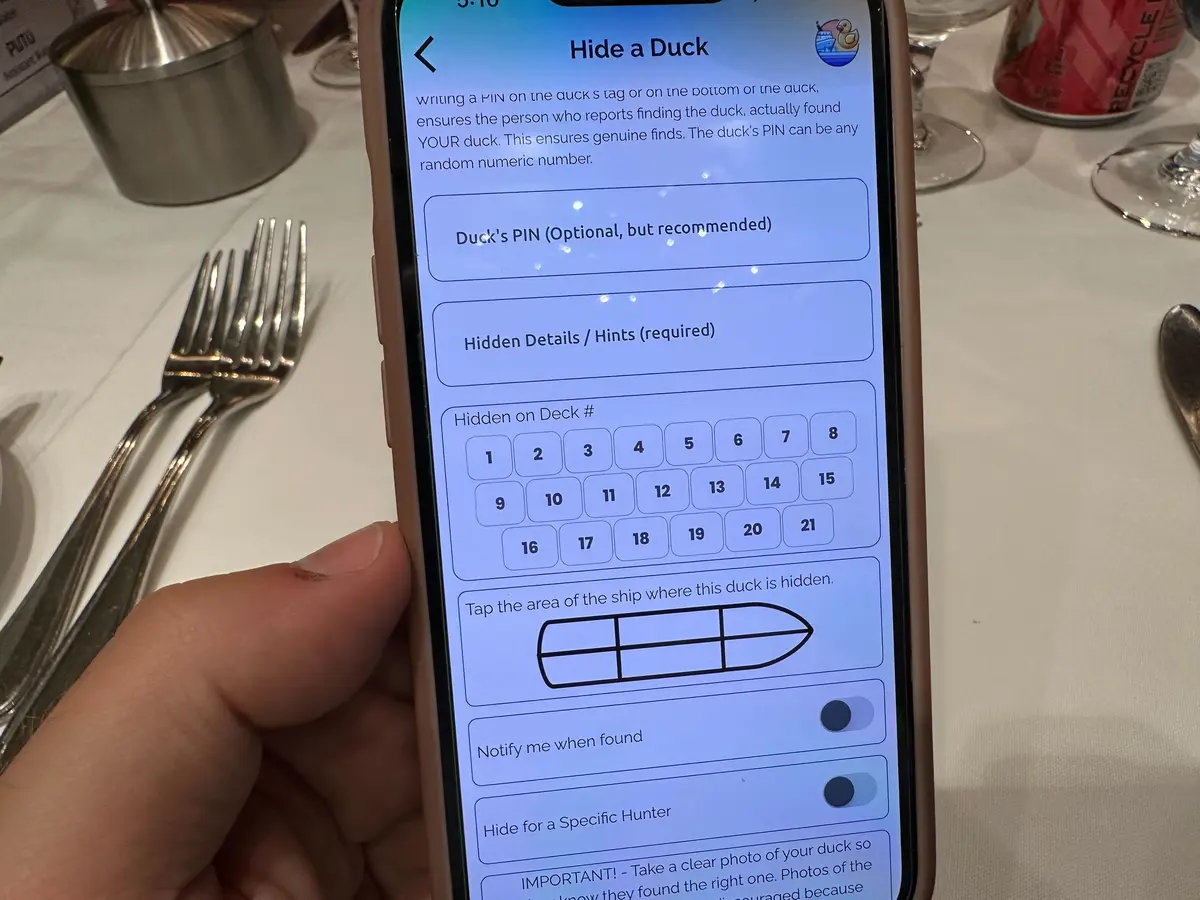
I was impressed by the sophisticated advanced features like adding a PIN so you can identify the individual duck or hiding your entry for specific users.
Once the duck is spotted, someone with the app can take a photo and mark the duck found.
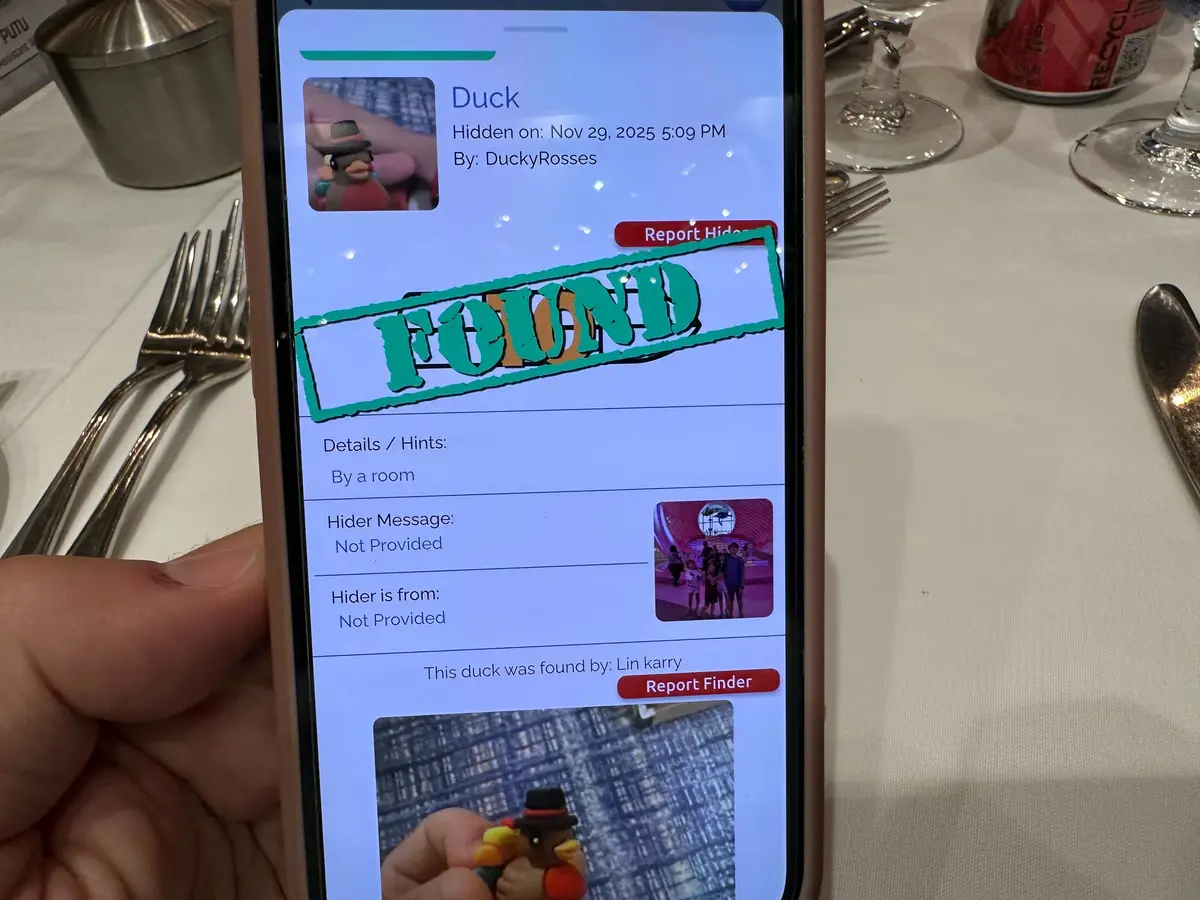
The kids definitely had a sense of satisfaction not only finding the duck, but marking it complete. It reminds me a lot of the Waze traffic app, where people report police cars, construction, stalled vehicles and more.
There is even a leaderboard that shows who has found the most ducks so far, and it builds a sense of competition to it.
I think the appeal is it elevates what is usually a solitary activity among your own family to something everyone can compete in. Plus, it makes it easier to know when there are more ducks hidden.
It's quite common in Facebook groups to see people posting if anyone has hidden any ducks because they or their kids want to know if it's worth going out to search for them.
Why do people hide rubber ducks on cruise ships?
To the unindoctrinated, finding and hiding tinny rubber ducks seems like the epitome of silliness. That is, until you've tried it.
It's a cruise trend that grew out of something wholesome and perfect for passengers of all ages.
The story goes a 10-year-old girl named Abby went on a spring break cruise in 2018 with 50 rubber ducks to try to make other passengers smile.
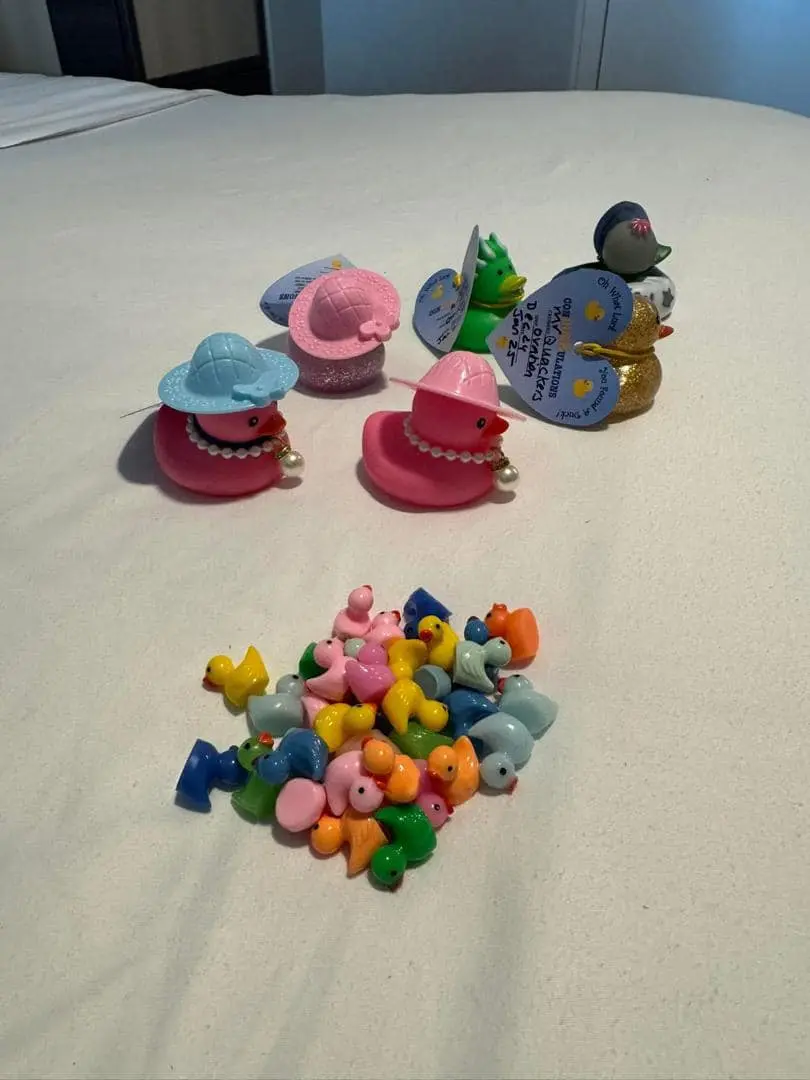
The idea took off, and a Facebook group was created to help spread the fun. It's something toddlers, school-aged kids, teens, and adults can enjoy at the same time. The barrier for entry is low, but the fun factor is high.
Now, hiding ducks is on every Royal Caribbean cruise I've ever taken.
The activity is totally guest-driven. It's just a lot of cruise ship passengers eager to join in on the fun.
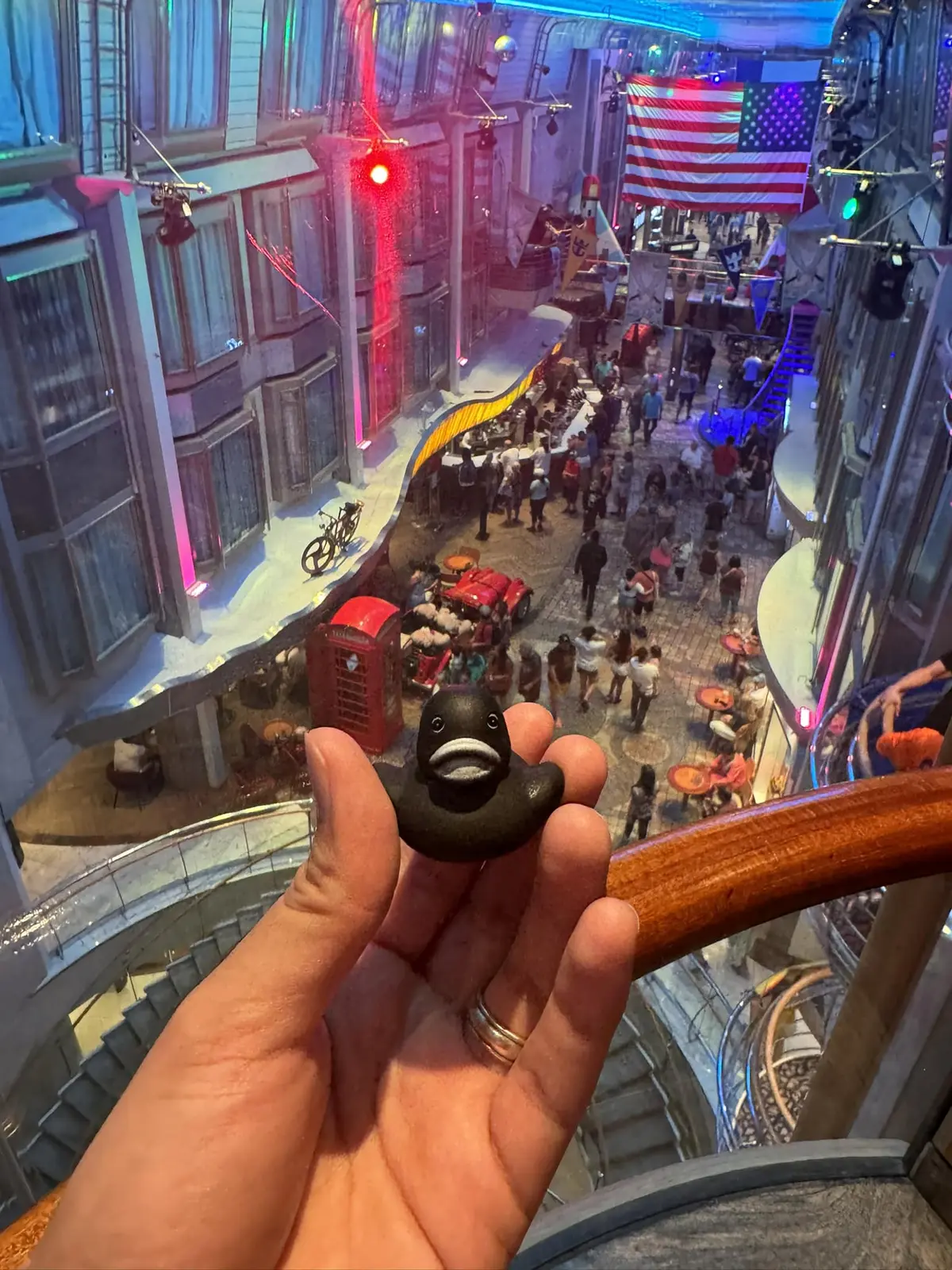
The cruise line does not condone, encourage, or facilitate it at all. The exception is Royal Caribbean has prohibited hiding ducks in one place.
Earlier this year, signs began to appear in planters asking guests not to hide ducks in or around any of its plants.
"Please help us protect our plants," the sign reads, "This is a duck free zone. Please don't hide ducks in Central Park."

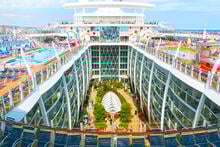
Central Park is a neighborhood on Oasis and Icon Class ships that features trees, shrubs, and other plants. On Icon of the Seas, for example, there are over 33,000 plants.