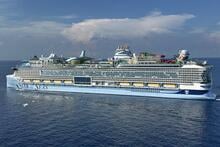

First-time cruisers likely have questions about what to expect once they're onboard the ship. It's easy to feel overwhelmed by everything, from the embarkation process to the main dining room and kids' club. The best way to feel confident before your vacation is to ask questions, even if they seem silly or like basic common knowledge.

Every cruiser, even the most experienced, had to start somewhere — anxiously trying to figure out which line, ship, cabin, and itinerary were perfect for them, and learning about the nuances of cruise culture.
In other words, there’s a definite learning curve to cruising for the first (second, or even third) time. To help smooth the transition, we’ve rounded up some of the most common cruise questions that first-time guests are often too embarrassed or shy to ask, so you can act like a pro before you set foot on a ship.
What is included on a Royal Caribbean cruise?
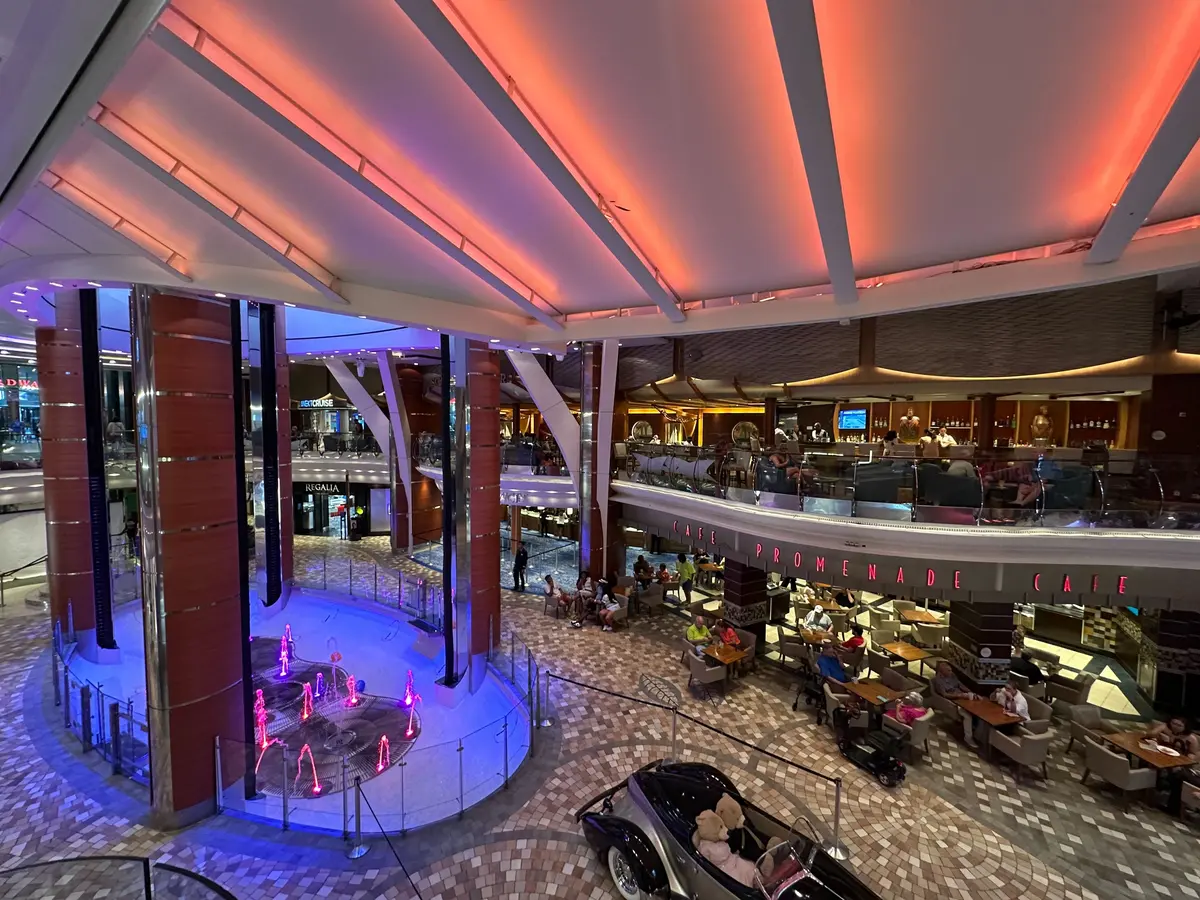
Cruises remain one of the most popular ways to vacation because of their convenience. The base fare is more inclusive than your standard hotel, meaning that you pay one upfront price for accommodations, transportation between ports of call, and a variety of onboard experiences.
Generally speaking, Royal Caribbean cruises include your stateroom, meals in complimentary dining venues, select beverages, most entertainment, access to pools and fitness facilities, youth programming, and transportation between destinations.
Some amenities, such as specialty restaurants, alcoholic beverages, shore excursions, and Wi-Fi, cost extra, which can catch first-time cruisers by surprise if they aren’t prepared and budget accordingly.
Do you have to pay gratuities on a cruise?

Speaking of add-ons, gratuities are another cost that often confuses first-time cruisers. While they aren't included in the base fare, they are typically considered mandatory and can either be prepaid before your sailing or automatically added to your SeaPass account.
The gratuity charges (or tips) go toward hardworking crew who help ensure that your vacation is memorable, including your cabin attendant, dining room servers, and other behind-the-scenes team members.
As of February 2026, Royal Caribbean charges $18.50 per person per day for guests in standard or Junior Suite staterooms. The charge increases to $21.00 per person per day for suites.
Read more: Tipping on a cruise ship: what you should and shouldn't do
How much food can I order in the cruise ship dining room?
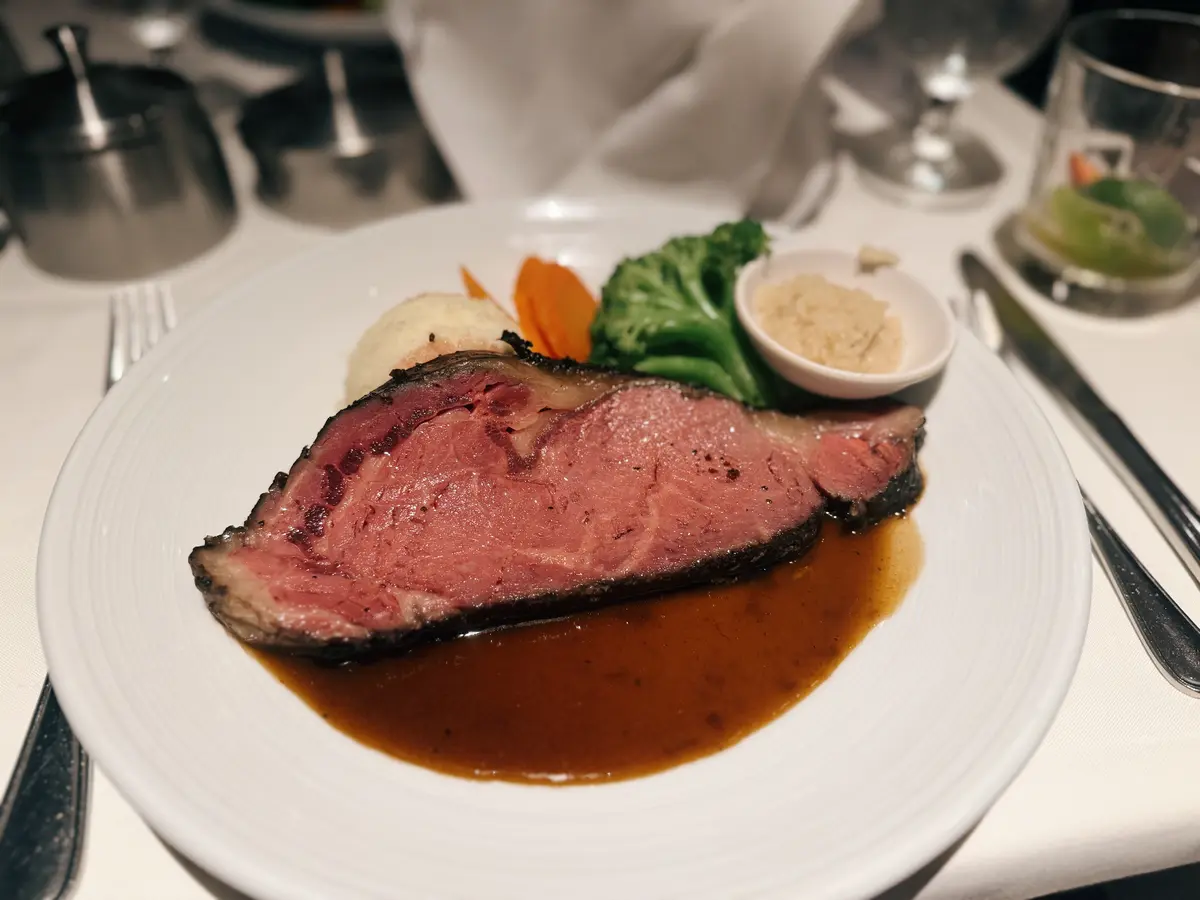
The main dining room is one of the complimentary restaurants available fleet-wide. Nearly the entire menu is included in your cruise fare, minus a few premium add-ons. As such, you can order as much food as you want.
Many passengers enjoy eating in the dining room because they can try new dishes that they may not otherwise pay for at a standard restaurant — think escargot, chicken saag, lentil soup, and seafood cakes.
In fact, many servers will encourage cruisers to order multiple appetizers, entrées, and desserts if they’re torn between options or want to sample a few different dishes. Regardless of how much you order, you don't have to sweat anticipating a large bill at the end of the meal!
What should I leave off my cruise packing list?
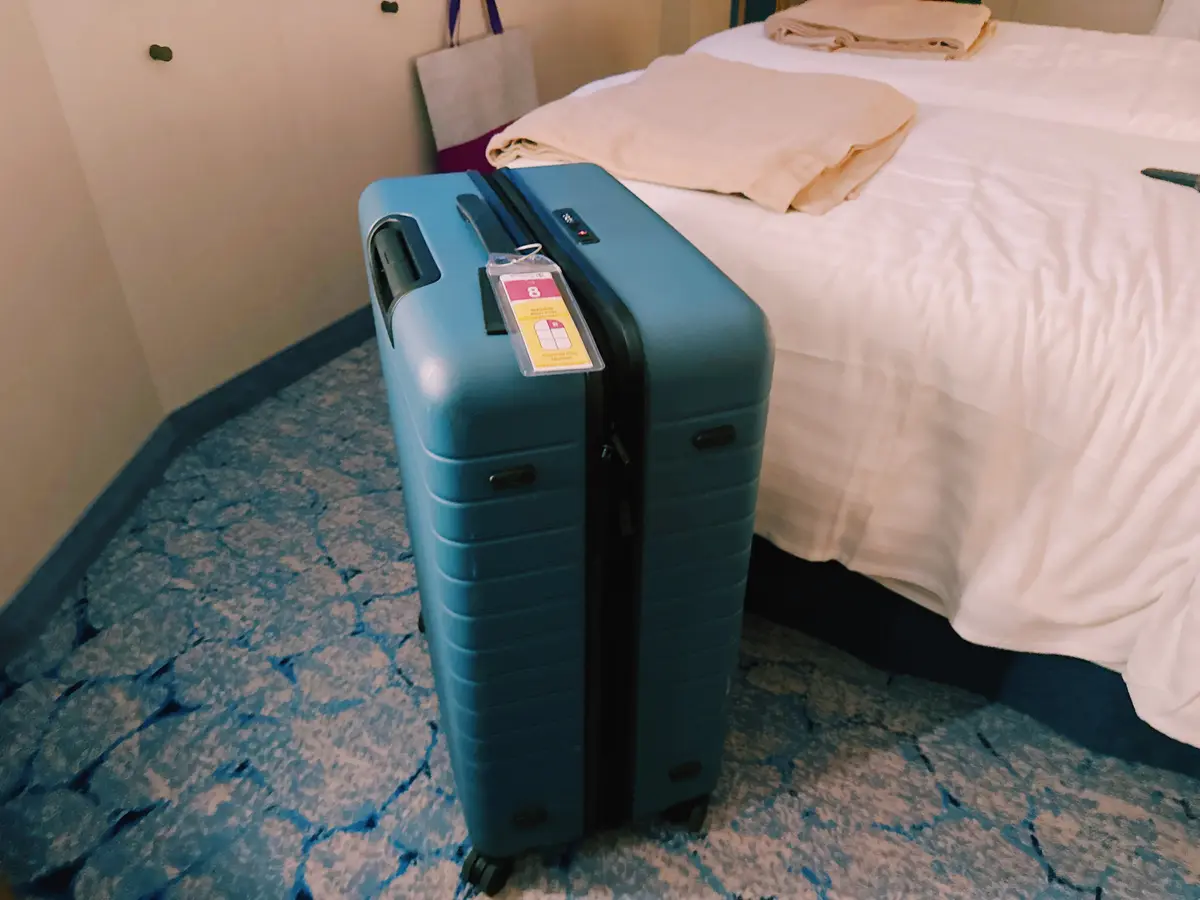
Packing for your cruise can feel overwhelming. Since you don't have easy access to drug stores and supermarkets, many first-time guests are tempted to overpack.
Instead of frantically throwing everything you think you might need into your suitcase, take a minute to familiarize yourself with Royal Caribbean's prohibited items list. Common household items like irons, steamers, and extension cords cannot be brought on board.
Additionally, you can leave your bulky beach towels at home, as Royal Caribbean provides towels for guests to use on the ship and at ports of call.
Read more: 115-item Ultimate Cruise Packing List
Do you need a passport to go on a cruise?
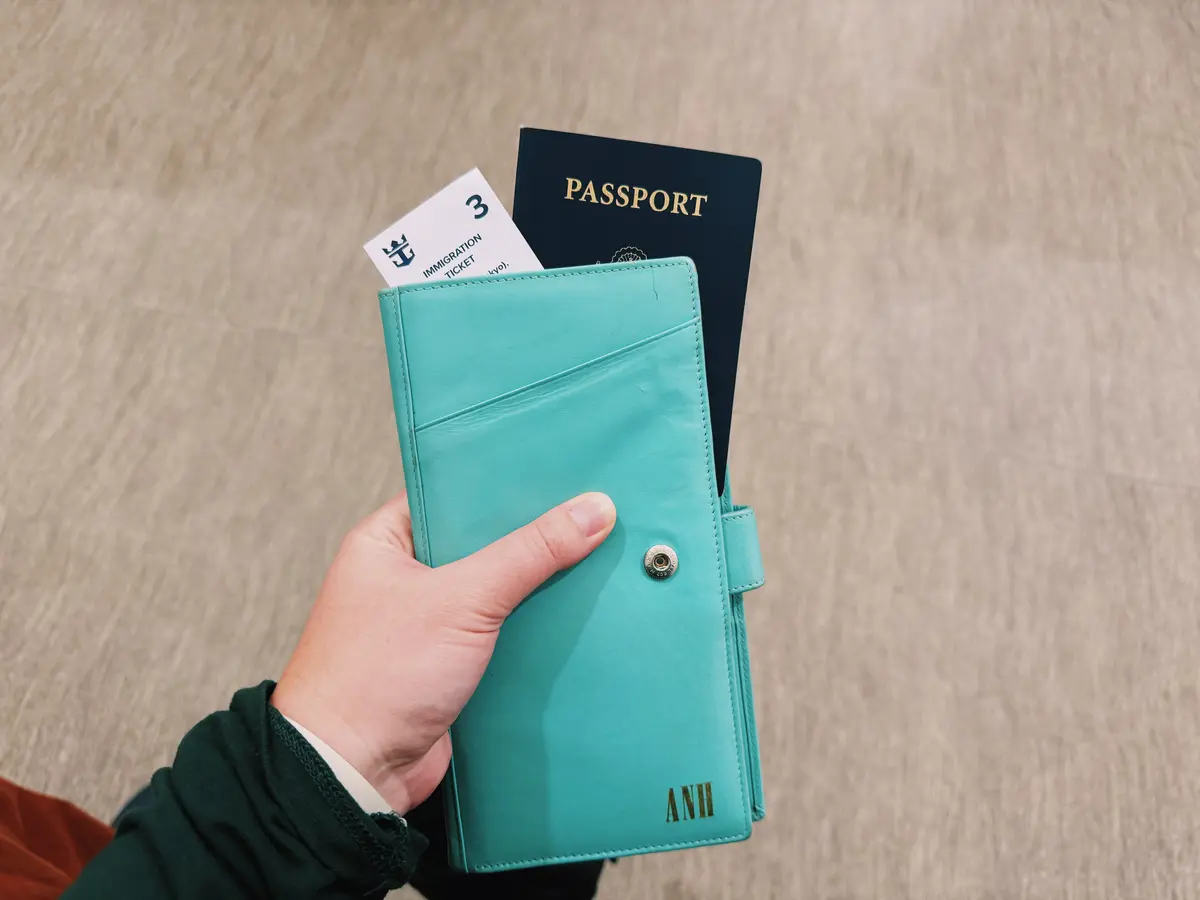
Passports are recommended for all cruises, regardless of whether you are eyeing a short getaway on Utopia of the Seas or an immersive voyage to The Last Frontier. That said, passports aren't always required for cruises.
Technically, United States citizens can sail on certain cruises without a passport — so long as you can obtain a valid birth certificate and government-issued photo ID. The only stipulation is that you must be embarking on a closed-loop (or round-trip) voyage that departs from the U.S.
For example, a U.S. citizen wouldn't need a passport on a 3-night cruise to The Bahamas from Port Canaveral, Florida. They would, however, need one for a one-way Alaska sailing from Seward to Vancouver, Canada.
Is the tap water safe to drink on a cruise ship?

Between daytime cocktails by the pool and long days spent ashore in the heat, it's easy to get dehydrated while on a cruise. While water is included in your cruise fare, bottled water typically costs extra — unless you splurge on a pricey drink package.
That said, the tap water is safe to consume on cruise ships; all water is rigorously distilled or purified according to sanitation standards approved by the U.S. Public Health Service (USPHS). Additionally, the USPHS regularly inspects the ship during construction and throughout the year to ensure compliance with its strict standards.
So, yes, it's safe to drink the water on a cruise ship! You should not be afraid to bring your reusable water bottle and refill it in your cabin or other public areas on board.
Read more: Is the tap water safe to drink on a cruise ship?
How do I beat the cruise chair hogs?

"Chair hogs" refer to guests who leave their towels or personal items on one or more pool loungers and then walk away for hours without actually using them.
We don't recommend becoming part of the problem and annoying other passengers. As such, the best approach is to be strategic. For example, arrive early to claim a spot and use the pool in the morning, rather than waiting until early afternoon.
You can also hit the pool on a port day, when fewer guests are on the ship. Don't be afraid to speak up if you see unattended chairs, either. Technically, pool attendants should be removing items from chairs that have been left for an extended period.
What is a guarantee cabin on a cruise?

Some first-time cruisers are interested in the cheapest fare they can find. This isn't wise for a few reasons, starting with the fact that the lowest fares typically mean you do not get to pick your specific cruise cabin.
Royal Caribbean's guarantee (GTY) fares may initially seem like a wise trade-off since you're still guaranteed a stateroom on the same ship. However, you won't know the exact location of your cabin until closer to your sailing's departure date.
Since GTY rooms are often assigned from "leftover" cabins, it's always a possibility that you could end up with a stateroom in a less-than-ideal location, such as near the noisy nightclub or at the front of the ship where motion is more prominent.
Read more: What does stateroom guarantee (GTY) mean on Royal Caribbean?
How do you not get seasick on a cruise?

Since your stateroom’s location can affect how much motion you feel, choosing the right cabin is especially important for those prone to motion sickness.
Generally speaking, staterooms toward the front (forward) and back (aft) of the ship tend to feel more rocking, while cabins in the middle of the vessel and on lower decks often experience less movement.
Other hacks to prevent seasickness include buying over-the-counter medication, such as Dramamine or Bonine, acupressure bands, or behind-the-ear patches. More natural remedies include fixating on the horizon, sipping peppermint tea, staying hydrated, and eating green apples.
Where does the crew sleep on a cruise ship?

Crew members live on board during their contracts, but their living areas are completely separate from guest areas.
Crew accommodations are vastly different than guest cabins, too. Whereas every guest stateroom has an ensuite bathroom, many crew members have to share with at least one other person. Not every crew member has a private room, either.
Another big difference is that crew cabins are more functional than luxurious. As such, the décor tends to be more minimalistic, with crew members often adding personal touches like photos, LED strip lights, plants, and more.
Read more: Photos show a tiny crew-only cabin on Icon of the Seas
How strict is the dress code?

The cruise ship dining dress code debate comes up often as lines become more casual and laid-back. Today, many Royal Caribbean passengers prioritize comfort, with dining venues rarely enforcing the formal standards of decades past.
Still, there are some rules, both implicit and explicit, that you should follow. For example, bare feet and swimsuits aren't allowed in the buffet. You also shouldn't pack any clothing with profanity or offensive graphics.
Beyond these guidelines, "resort casual" tends to suffice — think simple sundresses, t-shirts, blouses, skirts, and jeans. Formal night isn't a mandatory requirement, either. That said, many cruisers enjoy participating and dressing their best.
What happens if you fall off of a cruise ship?
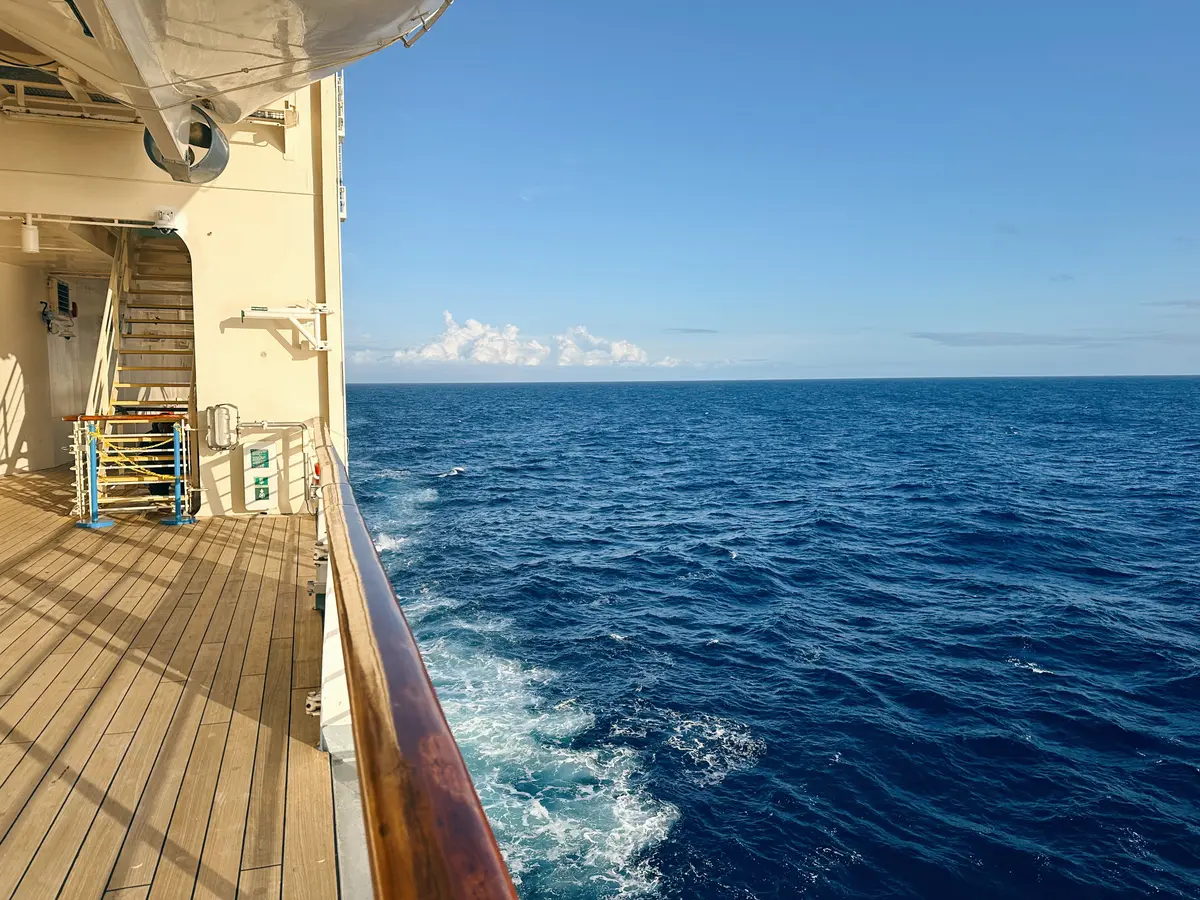
Falling off a cruise ship is not an everyday occurrence, but it isn't unheard of for guests to go overboard. In reality, if you follow the posted safety guidance, it's very, very unlikely that you'll end up in the ocean. Those who end up making headlines are often doing something they shouldn't be, such as climbing on their balcony's railing.
In the unfortunate event that someone does go overboard, the situation is treated as an emergency, and the crew jumps into action. One of the first things you may notice is an emergency broadcast of "Oscar, Oscar, Oscar." The secret code alerts the crew to the situation and helps maintain a sense of order without panicking other passengers.
Then, search and rescue operations will begin to see if they can either rescue the passenger or recover their body. Following the overboard incident, a formal investigation will be launched to determine the circumstances surrounding the event.
How much does a cruise ship captain make?
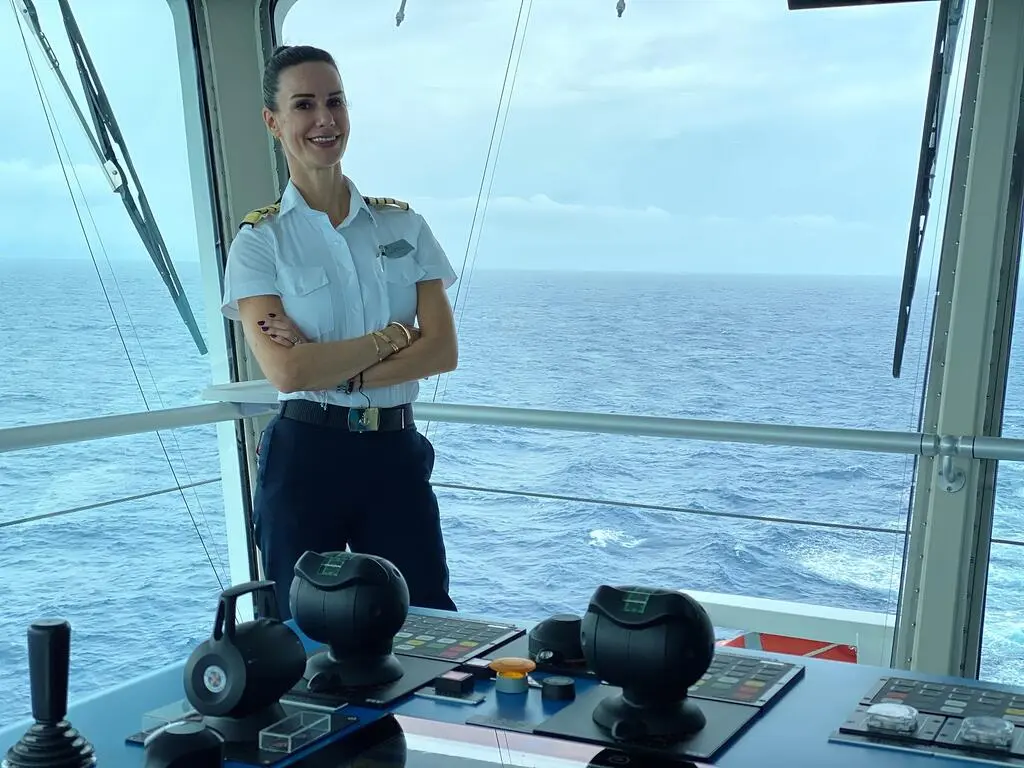
A cruise ship is nothing without its trusted captain and navigational crew. The captain is responsible for the safety of the ship, crew, and passengers. They also oversee all the daily operations and ensure smooth sailing.
According to Payscale, cruise captains earn an average of $119,000 per year. A younger captain may earn around $68,000 annually, while the most experienced captains at sea could earn up to $223,000 per year.
Did you know that you can meet the captain of your cruise, too? Check the daily Cruise Compass to see what opportunities are available during your sailing, such as a Captain's Corner chat or welcome reception.
What are the best cruise activities?

Cruises are more than eating, drinking, and gambling. There’s something for nearly every interest, so you don't have to worry about boredom being an issue.
Royal Caribbean's mega-ships are filled from bow to stern with endless activities, ranging from water slides to a mini-golf course, rock climbing wall, FlowRider surf simulator, a sports court, ice skating rink, world-class theater, and more.
Even the smaller ships that lack the same WOW factors have an impressive daily schedule, with activities like trivia, bingo, live music, wine tastings, and original production shows.
Read more: After 14 cruises in 2025, these are the best things I did on Royal Caribbean cruise ships this year