
You love to cruise, but you're taking a first-timer with you, so how do you prevent going overboard with cruise overload?

As someone that's cruised a lot, I love to share this fun with friends and family. Often, we'll invite people that we know to cruise with us, and it's either their first time or it's been many years since their last trip.
It's easy to start bombarding them with everything you think they need to know, along with dozens of questions about how to approach dining, port days, and everything inbetween.
The problem is if you go too deep, you risk turning them off to the entire trip. They might look at a cruise as a logistical obstacle course instead of a fun escape.
I think the important thing is to focus on the big picture, so here are my recommendations not to overwhelm a first time cruiser.
You don't have to figure everything out immediately

After you all booked the cruise, don't feel like you need to plan everything out immediately.
You're excited, they're excited, but cruise planning as a group is kind of like dating. You don't want to come on too strong with everything you want to know and do.
My recommendation is to start off the process by getting them booked on the cruise and assist with picking the right cabin, dining time choices, and the basics.
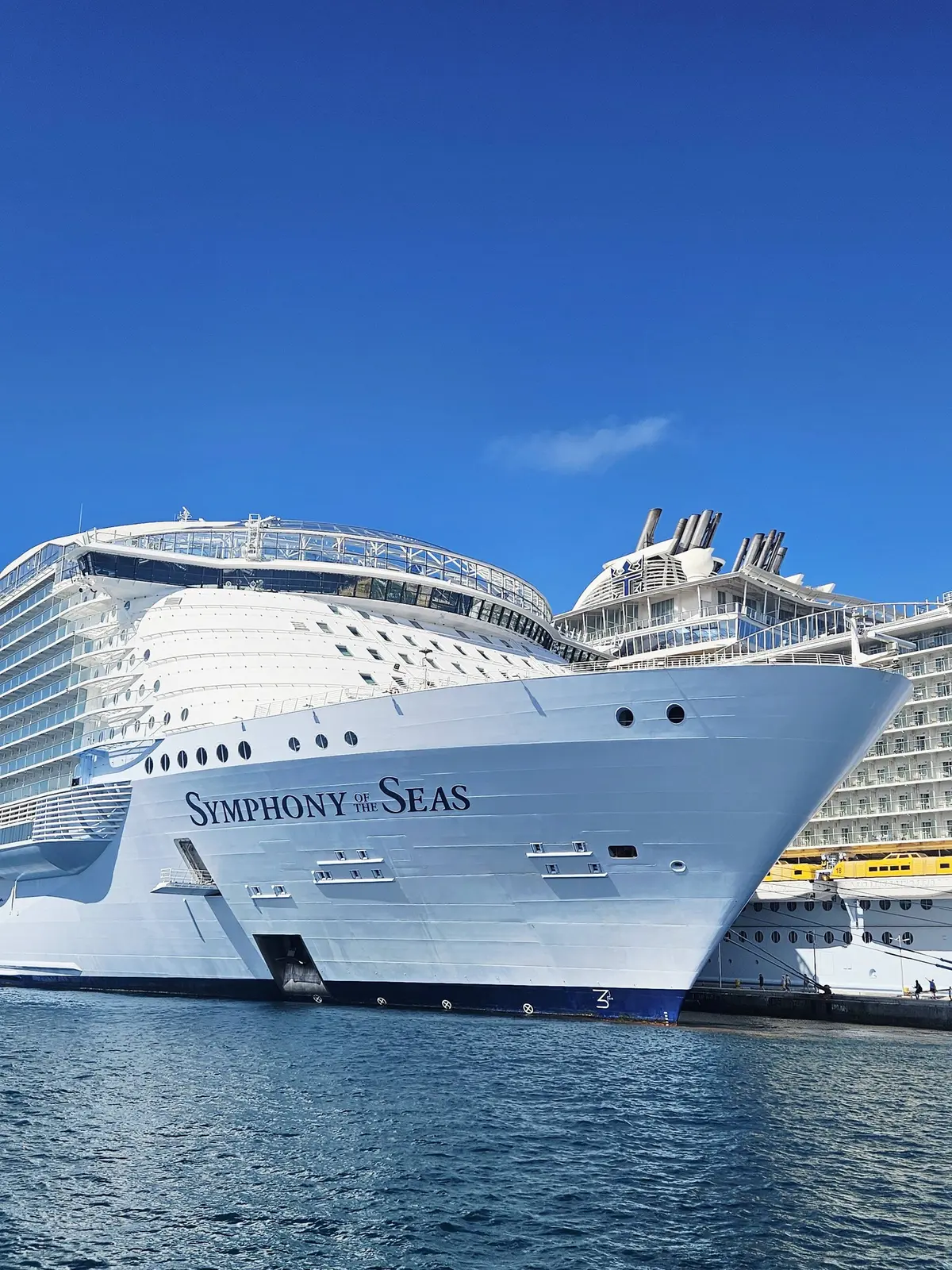
Unless you convinced them to book a last-minute cruise, you'll have months to get to the rest.
Sure, planning early is the best approach, but let them enjoy the "I just booked a cruise" feeling before breaking out the planning spreadsheet.
Plan dinners, but leave the other meals open
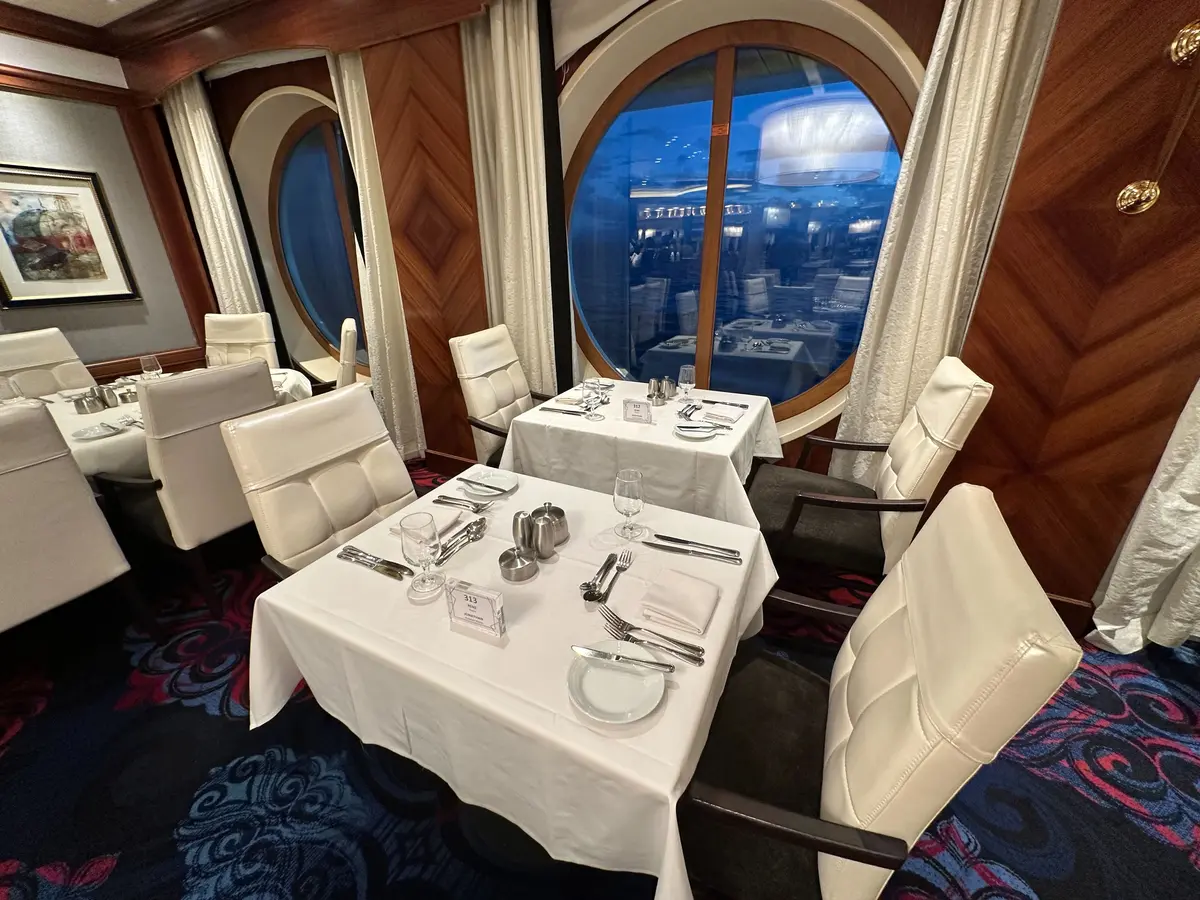
I think dinner is the most important aspect of any group cruise because it's a single time for everyone to meet up and share in their daily activities.
What you don't want to do is plan out your day like a military operation.
You should leave a certain amount of organic discovery to every day. Let them explore and enjoy things as you once did.
Certainly if they text you to meet up for breakfast or lunch, go for it. But you don't need to plan for it if they'd prefer to sleep in or do their own thing.
Explain the cruise rhythm, not every activity
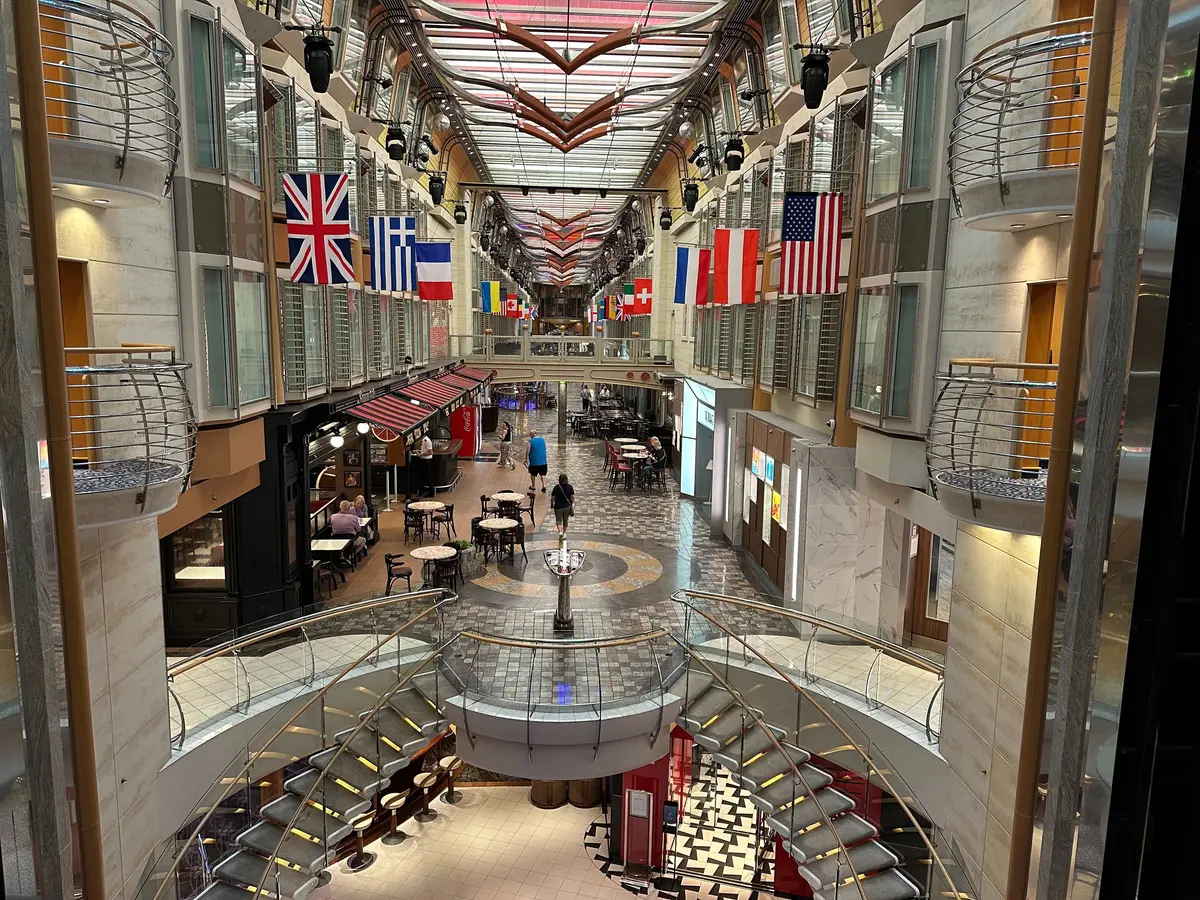
You can't wait to show them all the fun stuff to do, but you don't want to hit them with a Wikipedia lengthy explanation.
New cruisers usually have certain misconceptions about what a cruise is like, and they'll probably ask you if they'll be bored, feel trapped, or one of the other tropes.

Start off with giving first-timers an overview of how a cruise day flows, such as the mornings, afternoons, and evening.
It's hard to convey how open-ended a cruise is, because you could do a ton of activities one day but nap and sleep off the next day. So I think it's better they understand that the daily rhythm matters more than knowing the schedule.
Shore excursions: suggest, don't assign
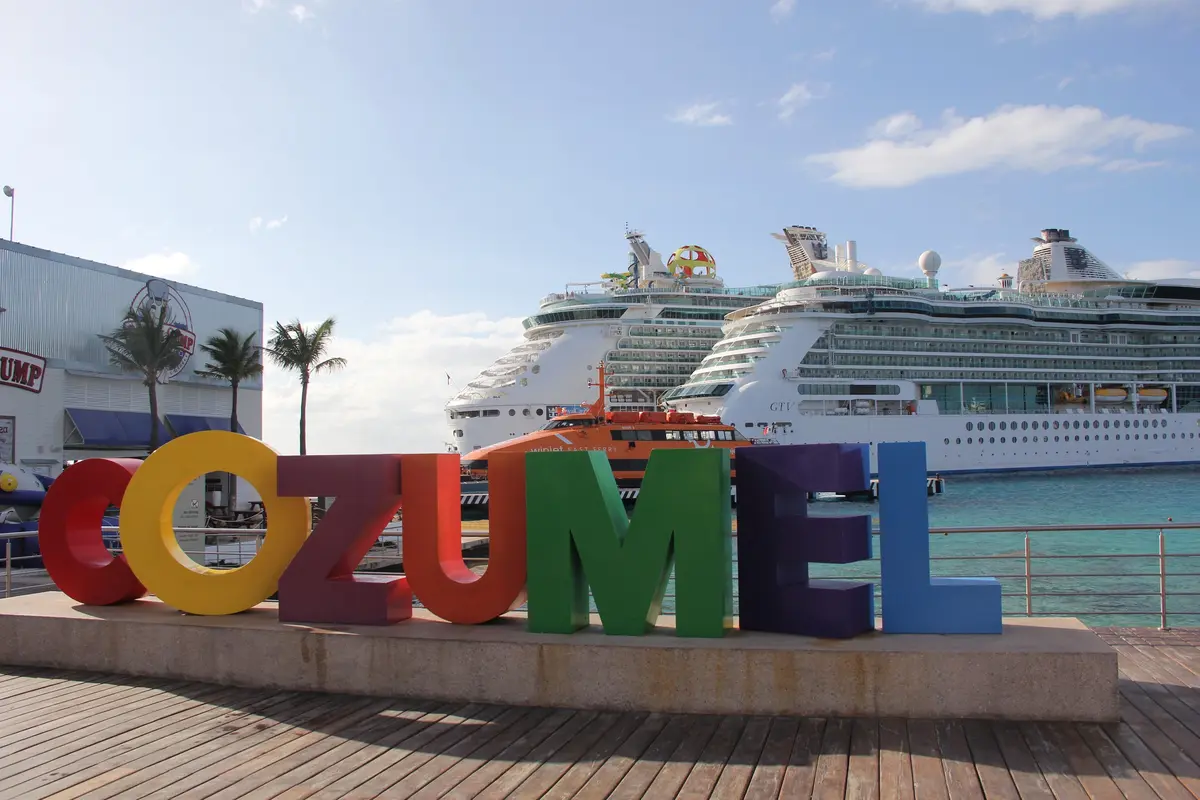
Probably the first pre-cruise booking I'd look into are shore excursion plans.
The destinations a cruise ship visits is among the top reasons anyone books a cruise, so it's a logical starting point for planning.
Let them do some research and you do your own, and come back with 1-2 solid options per port instead of a laundry list of ideas. If you've been to the ports of call, then you can offer a suggestion to guide them.
The last thing you want to do is pick it all without taking into account what they're interested in doing. This is especially true in a port like Cozumel, where you could visit the beach, Mayan ruins, shop, or see a museum.
Set expectations about costs early

I think a cruise is a great value, but there are some upfront costs that you don't want to scare them with.
There are probably three big surprises to anyone's vacation budget after you book the cruise
- Drinks
- Internet
- Gratuities
The fact there's no free WiFi is usually a big surprise to newbies because they're used to ubiquitous internet access on land, especially at hotels.

They don't have to buy an internet package, but they should understand it'll cost money and be cheaper to prebook.
The other big cost that can add up quickly are drinks. Some drinks are included, but most cost extra.
Drink packages are a convenient budget tool, but they have sticker shock. A drink package for two people on a 7-night cruise can easily cost over $1,000.
I think clarity upfront prevents awkward conversations later.
Give them one "must-do" per day

Another trick to avoiding falling into the trap of overplanning your day is to highlight a single activity and leave the rest to chance.
On port days, this is easy. Pick a shore excursion, tour, or activity you'll do and make that the primary focus.
But on sea days, choose one activity that should be the group event to highlight.
- A show
- A specialty meal
- A sailaway party
Letting the rest be optional discovery not only allows them to feel like you're not dictating what you'll do, but gives them the chance for relaxation or their own contributions to what you've planned.
Resist the urge to make them cruise like you

My last recommendation is my most important: they don't need do what you do on a ship to have a good time. There's a difference between a great cruise and your cruise, and they're not mutually exclusive.
I think first-timers need space to form their own opinions. You can certainly guide them and offer recommendations, but they're not your kids that you're bringing along.
When I've brought a first timer on and showed them the ropes but set them free to have plenty of time to vacation how they like to, it usually results in them feeling in control of their vacation. Plus, they get to lean into the things they prefer.
Having a relaxed approach to planning tends to lead to repeat cruisers. Cruising sells itself when you don’t overmanage it!