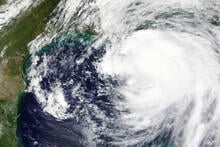

This year's Atlantic hurricane season is right around the corner, with experts predicting up to 16 named storms, including as many as four major hurricanes.
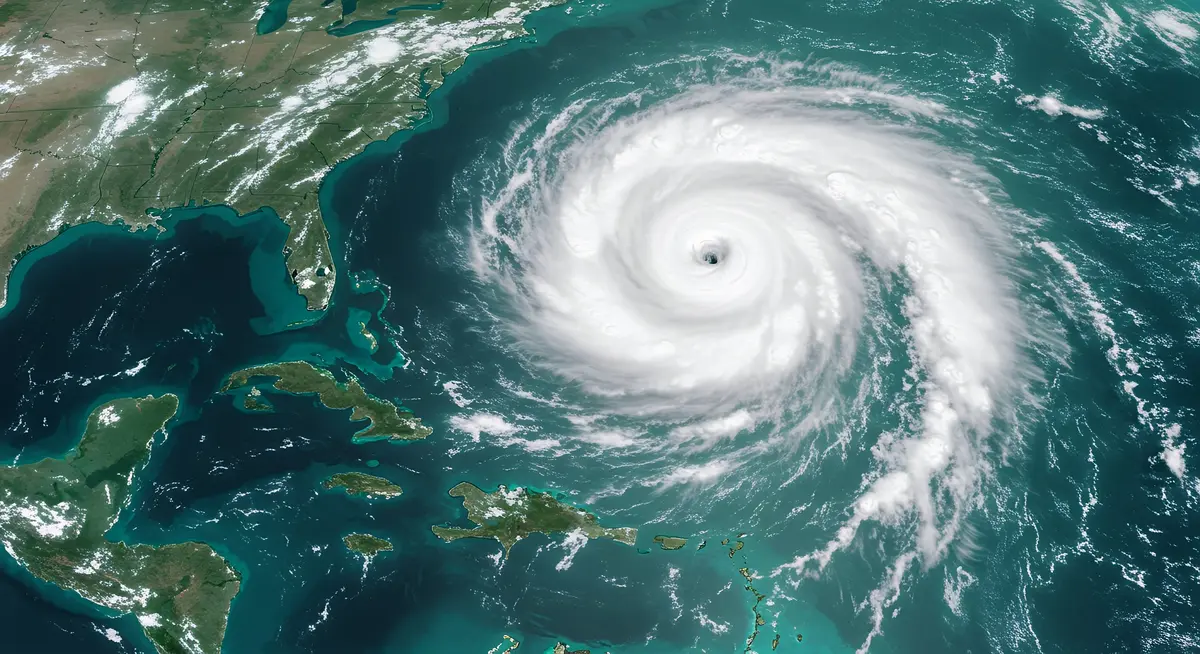
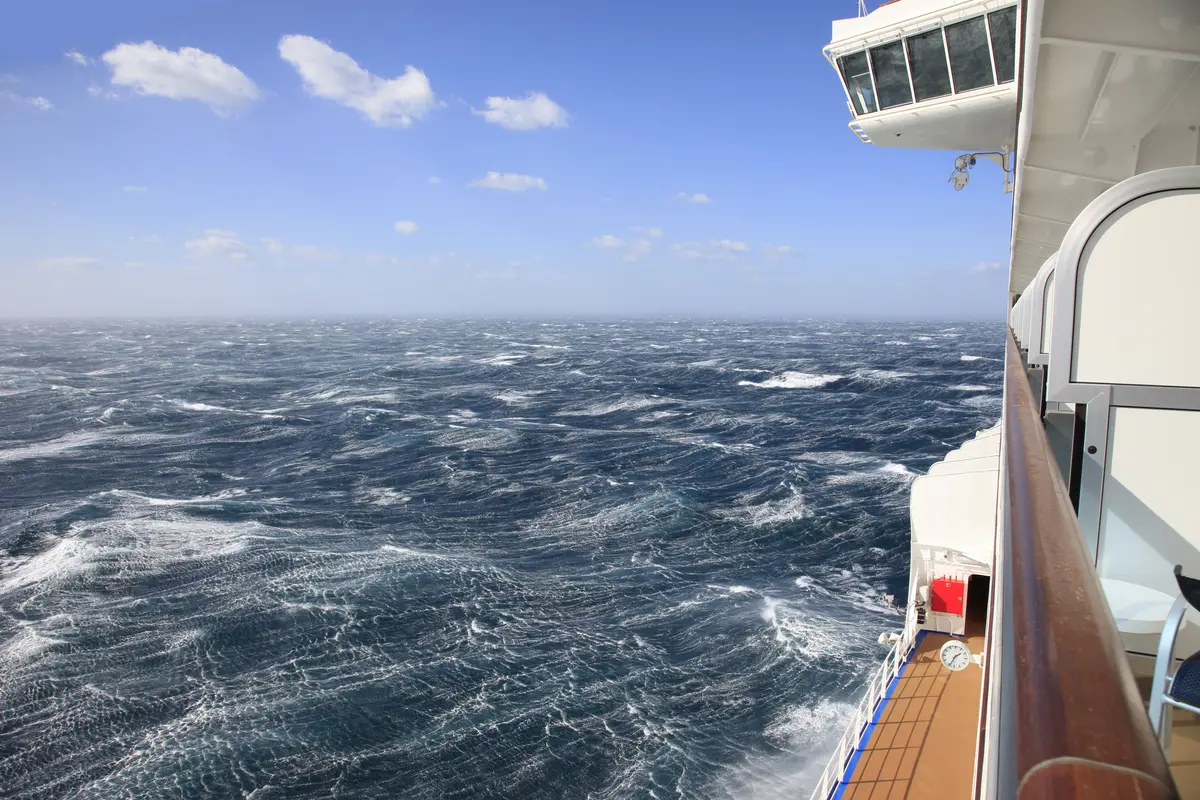
Tropical storms can quickly disrupt cruise itineraries and travel plans. However, staying informed and purchasing travel insurance can help cruisers navigate the season's unpredictability with greater confidence.
AccuWeather's forecast points to a slightly near to below-average season, but still warns that anywhere from 11 to 16 named storms are predicted to develop. Additionally, three to five storms could make direct landfall in the United States.
"It's very important that everybody from South Texas all the way to Maine prepares equally for each and every hurricane season, regardless of what the official forecast is," AccuWeather Lead Hurricane Expert Alex DaSilva said.
"Even if it's expected to be a slightly below average hurricane season, we can still see major hits across the United States."
11 to 16 named storms in 2026, with four to seven becoming hurricanes and two to four major hurricanes, defined as Category 3 or higher
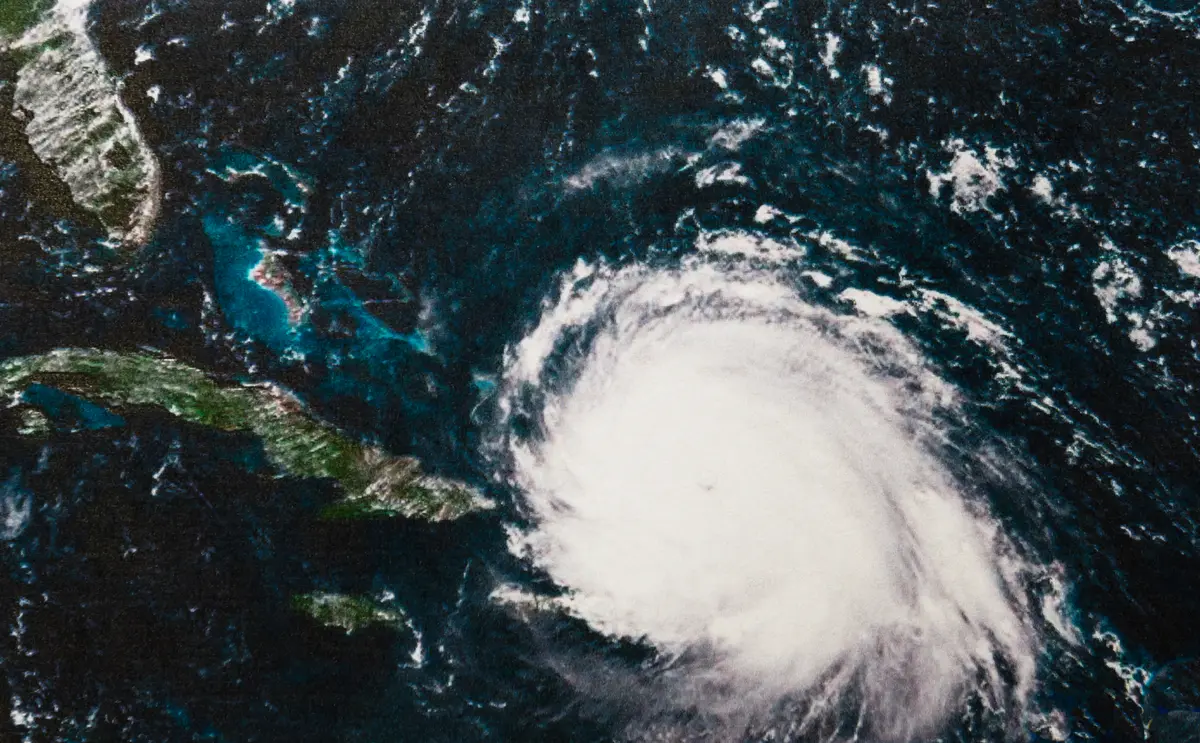
According to AccuWeather, this year's hurricane season will be shaped by a shifting climate pattern in the Pacific Ocean.
El Niño is one phase of the El Niño-Southern Oscillation (ENSO) cycle, which also includes La Niña and ENSO-neutral. The ENSO cycle plays a key role in global climate patterns and can affect everything from weather to wildfires, ecosystems, and economies.
Last month, meteorologists at the National Oceanic and Atmospheric Administration (NOAA) announced that the likelihood of an El Niño developing by mid-summer significantly increased.
Read more: El Niño watch issued, what it means for cruise ships during hurricane season

Typically, El Niño creates stronger upper-level winds across the Atlantic, which makes it more difficult for tropical storms to develop. This could mean there are fewer named tropical storms during the most active weeks of the season compared to the first half.
Still, the presence of El Niño doesn't guarantee a below-average hurricane season. In fact, during the most recent El Niño in the 2023 Atlantic hurricane season, 20 named storms formed.
"What made 2023 very special is it was also the warmest year on record if we take a look at the average sea surface temperatures across the Atlantic basin," DaSilva explained.
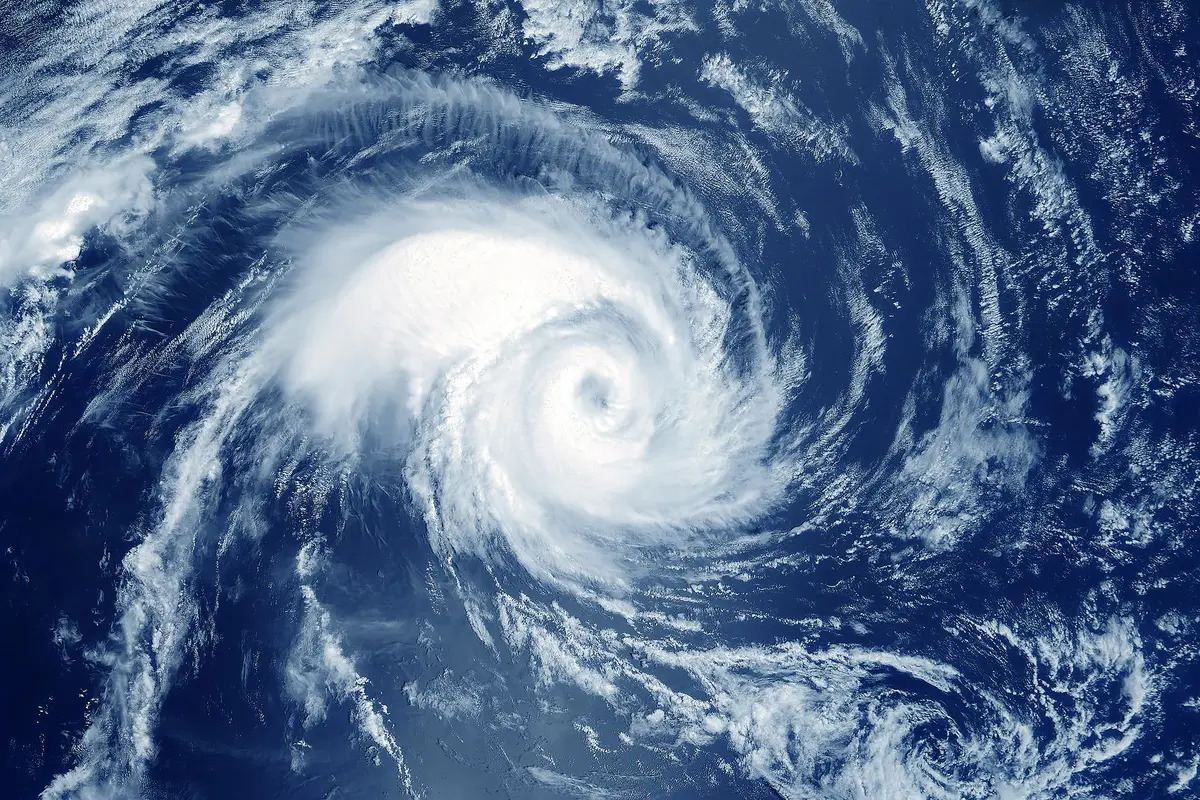
AccuWeather's forecast predicts that the Atlantic waters will be warm throughout 2026, though not reaching the same record highs seen in 2023.
Concerned about rapid intensification
Storms draw a lot of their energy from warm water, which is why experts are worried about rapid intensification during this year's hurricane season.
"This year we are very concerned about rapid intensification, very similar to the last couple of years," DaSilva said.
It's not just the surface temperatures that play a key role in storm development, either. Deep ocean heat content waters, which are hundreds of feet deep across most of the hurricane basin, can also intensify storms.
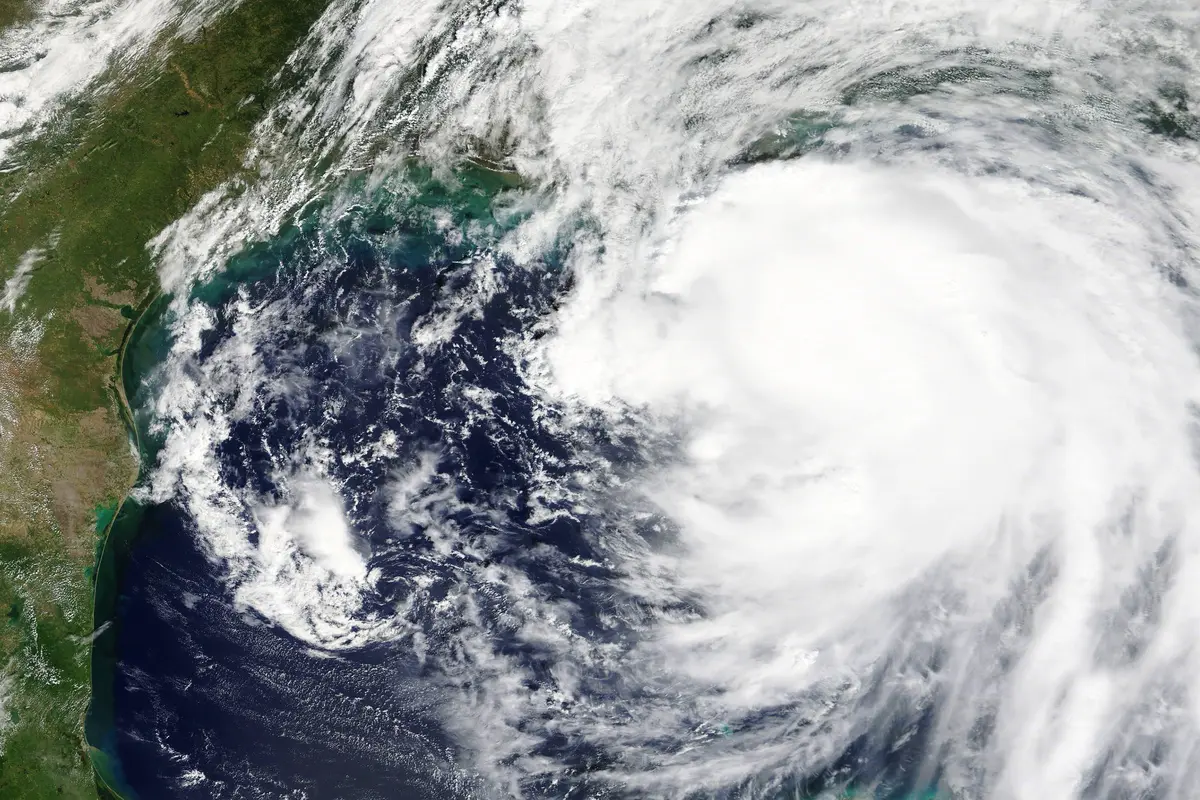
"Those waters are also exceptionally, exceptionally warm. That is why once again we are very concerned about rapid intensification this upcoming hurricane season," DaSilva added.
Another factor raising concerns is the possibility of the Atlantic hurricane season starting earlier than the official start on June 1.
AccuWeather's report says that warm weather in places where storms typically develop early in the season means that it may not take much for tropical activity to kick off.
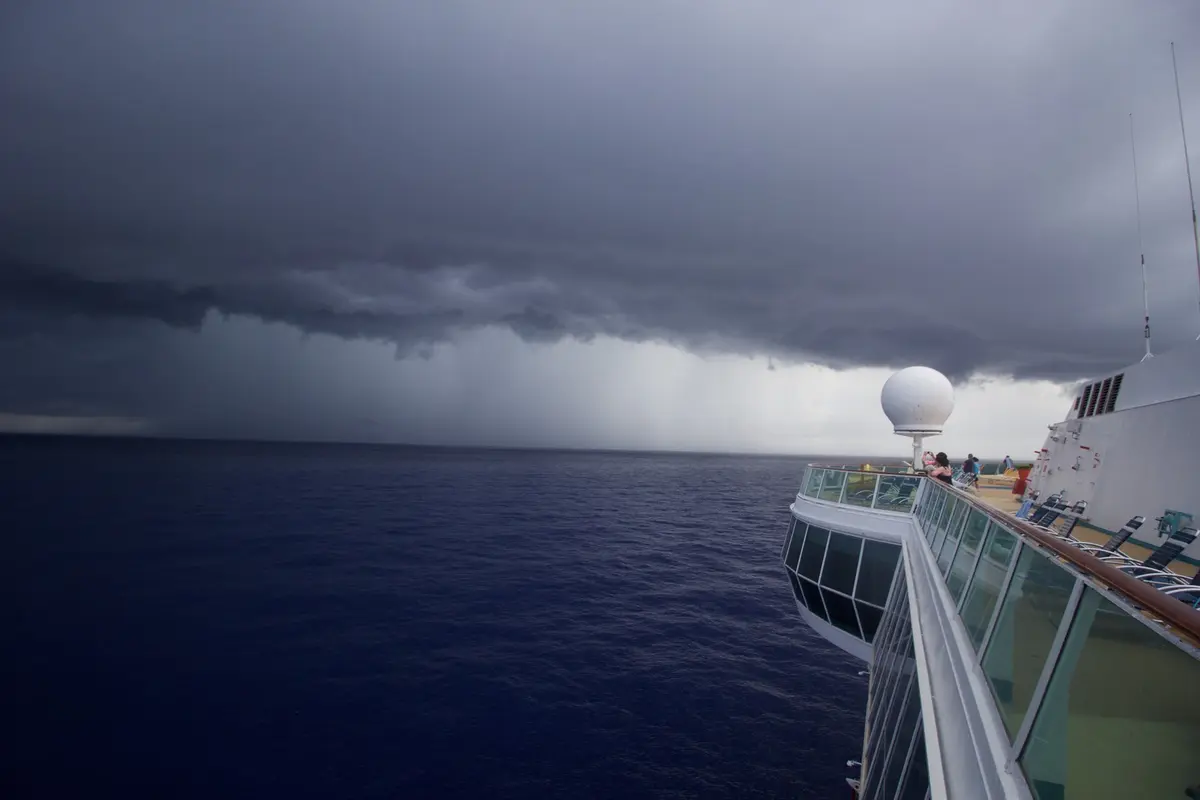
Early in the hurricane season, "homegrown development" is most frequent, which occurs when a storm or front moving across North America stalls over the Gulf, western Caribbean, or western Atlantic. As it sits over the warm water, it could develop into a tropical depression, tropical storm, or even a hurricane.
What to know about going on a cruise during the 2026 Atlantic hurricane season
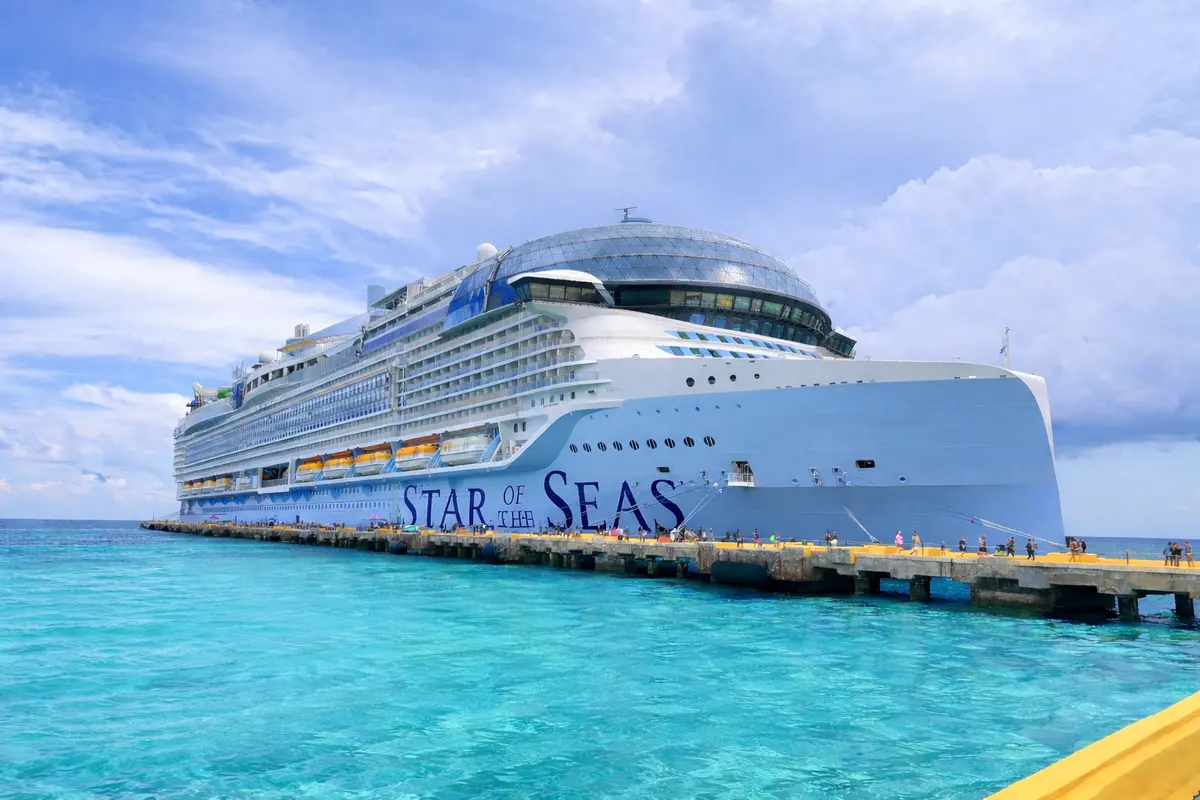
You shouldn't avoid cruises during hurricane season. In fact, with proper planning and expectation management, it can be a great time to go.
Cruise lines closely monitor weather conditions and may adjust itineraries to avoid storms, making it a safe option for travelers. The only caveat is that you must remain flexible. If you want to visit the Eastern Caribbean, you might be disappointed if your itinerary is changed at the last minute to call at Cozumel, Mexico, and Roatán, Honduras.
Additionally, cruisers can take advantage of lower prices during hurricane season. As an example, a 7-night cruise on Icon of the Seas in early July 2026 starts at around $1,586 per person for an inside room. However, the price for the same itinerary in October drops to $1,393 for an interior cabin.

Regardless, having a good travel insurance policy that covers incidentals in case a named storm impacts your vacation is key. Hurricanes, for instance, can disrupt air travel as much as cruise itineraries, which could put a damper on your vacation before it even begins!
This year, experts say the northern and northeastern Gulf Coast and the Carolinas are at the highest risk for direct impacts, making flexibility and solid preparation crucial for travelers coming to or from these areas.
Read more: Why your Caribbean cruise forecast says rain every day (and why it usually doesn’t matter)