
Carnival Cruise Line has officially begun construction on the largest ship in its 54-year history, marking a major milestone for the industry — and introducing new competition for Royal Caribbean.
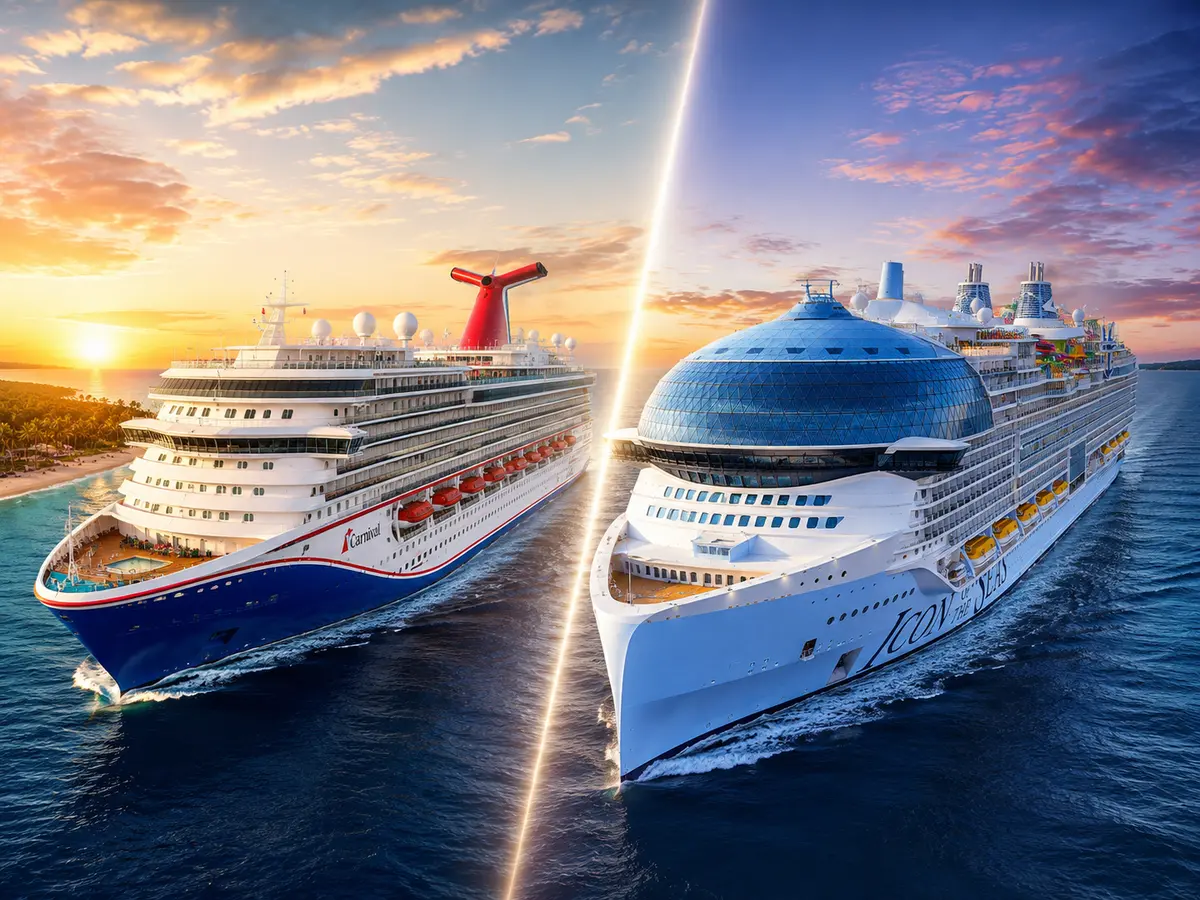
On July 10, Carnival held a steel-cutting ceremony at Fincantieri's shipyard in Monfalcone, Italy, for Carnival Destiny, the first vessel in the line's upcoming Ace Class.
When she enters service in summer 2029, Carnival Destiny will take the title of Carnival's largest cruise ship ever, surpassing the line's existing Excel Class ships by roughly 50,000 gross tons, or 27%.
Each of the three Ace Class ships is expected to measure approximately 230,000 gross tons and accommodate 8,000 passengers, making them among the largest cruise ships ever built.
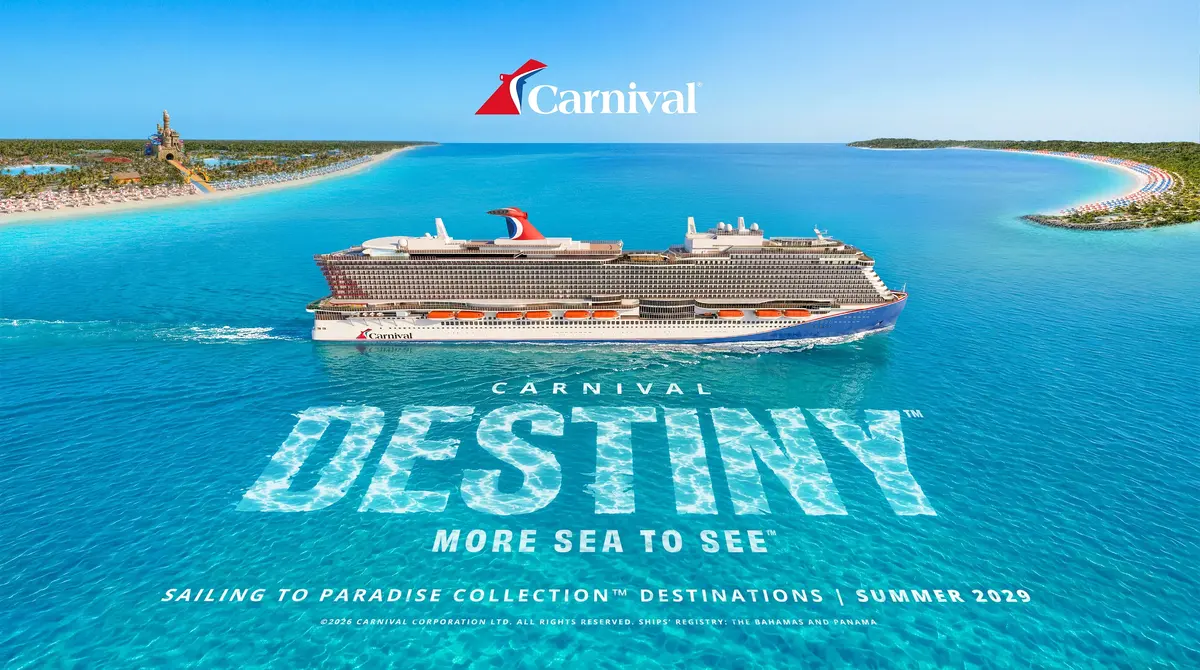
"Carnival Destiny builds on a legacy that changed cruising once before, reimagining what guests can experience at sea. With this ship, we're elevating the guest experience again creating a ship that feels more expansive, while helping guests feel more connected and ultimately have more fun," said Christine Duffy, president of Carnival Cruise Line.
"And the name of the first ship in this new class will carry a name that I think will bring meaning for all of us because we are building on our history while we move forward with the new Carnival Destiny. Like her original, she is a big step forward, not only for Carnival, but we believe for the industry.”
Even so, Carnival's new ships won't eclipse Royal Caribbean's record-breaking Icon Class. Icon of the Seas, which debuted in 2024, became the world's largest cruise ship at 248,000 gross tons — a title that she and her two sister ships continue to hold.
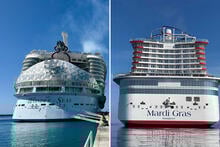
Although the cruise line hasn't revealed many details about its Carnival Destiny ship, here's a look at how the upcoming flagship compares with Royal Caribbean's Icon Class.
Editor's note: This article was last updated on July 10, 2026. We will continue to update it as Carnival Cruise Line releases additional details about Carnival Destiny, including her accommodations, onboard attractions, dining venues, entertainment, and more, ahead of her 2029 debut.
Royal Caribbean's Icon Class vs Carnival's Ace Class
Size
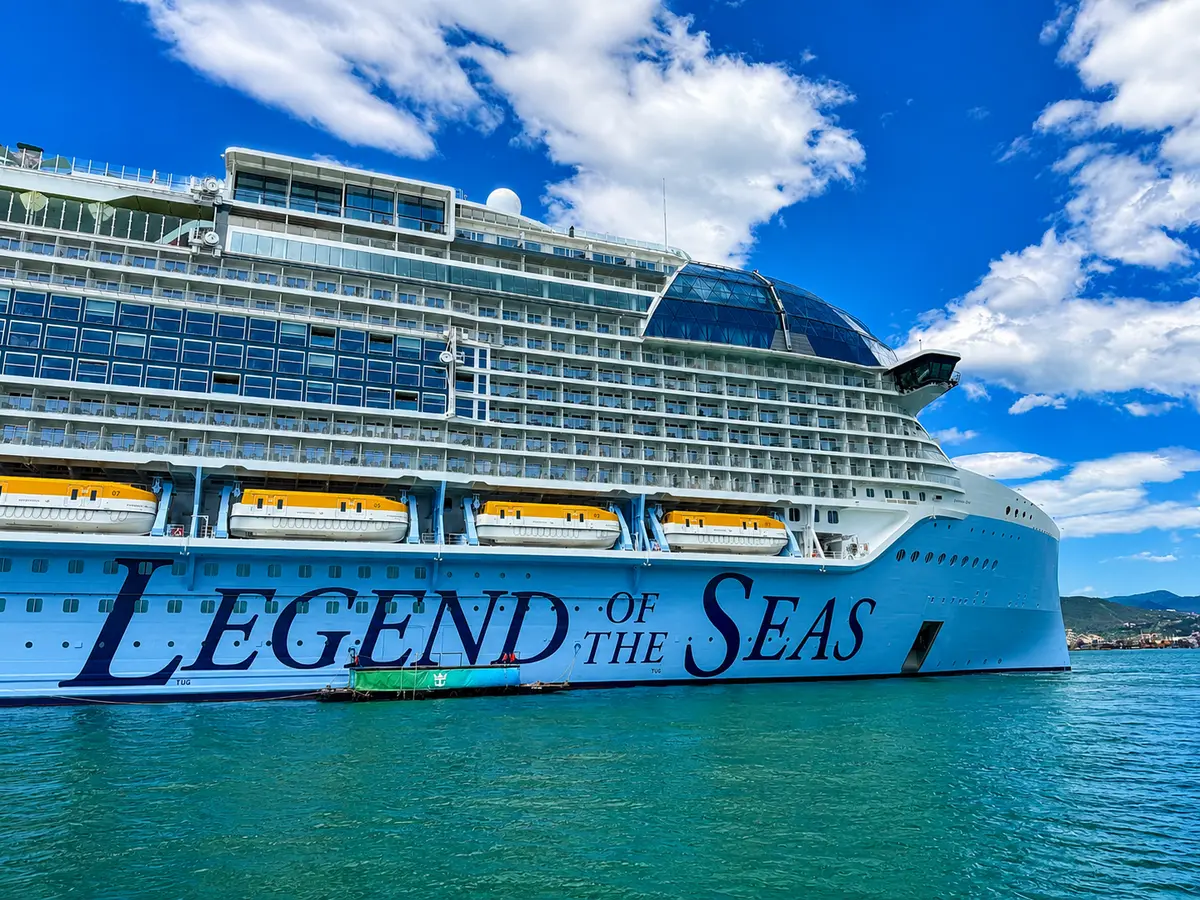
Royal Caribbean's Icon Class ships measure 248,663 gross tons and 1,196 feet long, according to the cruise line. Additionally, the ships feature 20 decks, including 18 passenger-accessible decks, and measure approximately 219 feet wide.
Comparatively, Carnival Cruise Line has stated that its upcoming Ace Class ships, including Carnival Destiny, will come in at around 230,000 gross tons. Based on conceptual mockups, it appears that Carnival Destiny will have around 17 passenger-accessible decks, though the exact number hasn't been confirmed.
Capacity
Although Icon Class ships are larger in terms of gross tonnage, Carnival's Ace Class ships are expected to have a larger passenger capacity. According to the cruise line, these massive vessels will have over 3,000 cabins and carry around 8,000 guests at full capacity.
On the flip side, ships like Legend of the Seas have 2,805 cabins and can accommodate 5,610 passengers at double occupancy, increasing to approximately 7,600 guests when every available berth is filled.
Design
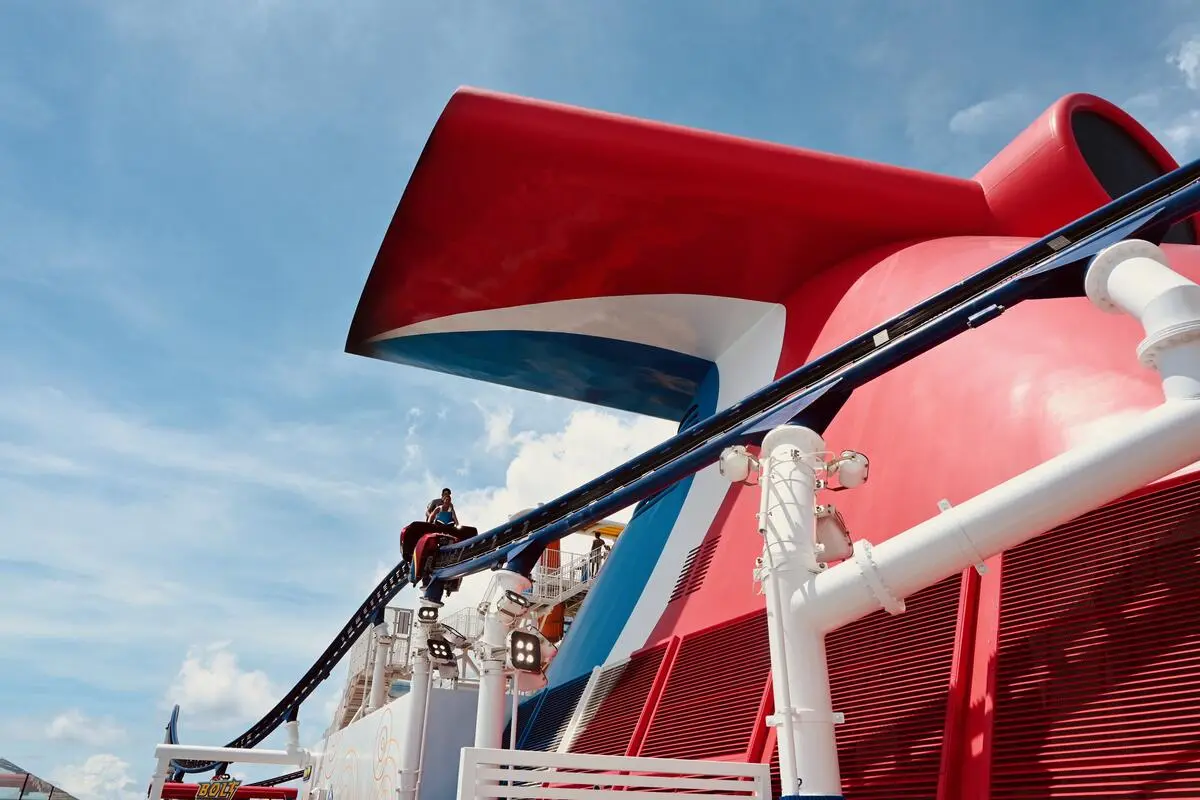
In terms of design, we know that Carnival's Ace Class ships will be the most outward-facing ships at sea, with the largest number of ocean-facing balcony staterooms, a new promenade deck, and over 4.5 acres of glass. Additionally, 70% of the ships' venues and attractions will be brand-new to the cruise line.
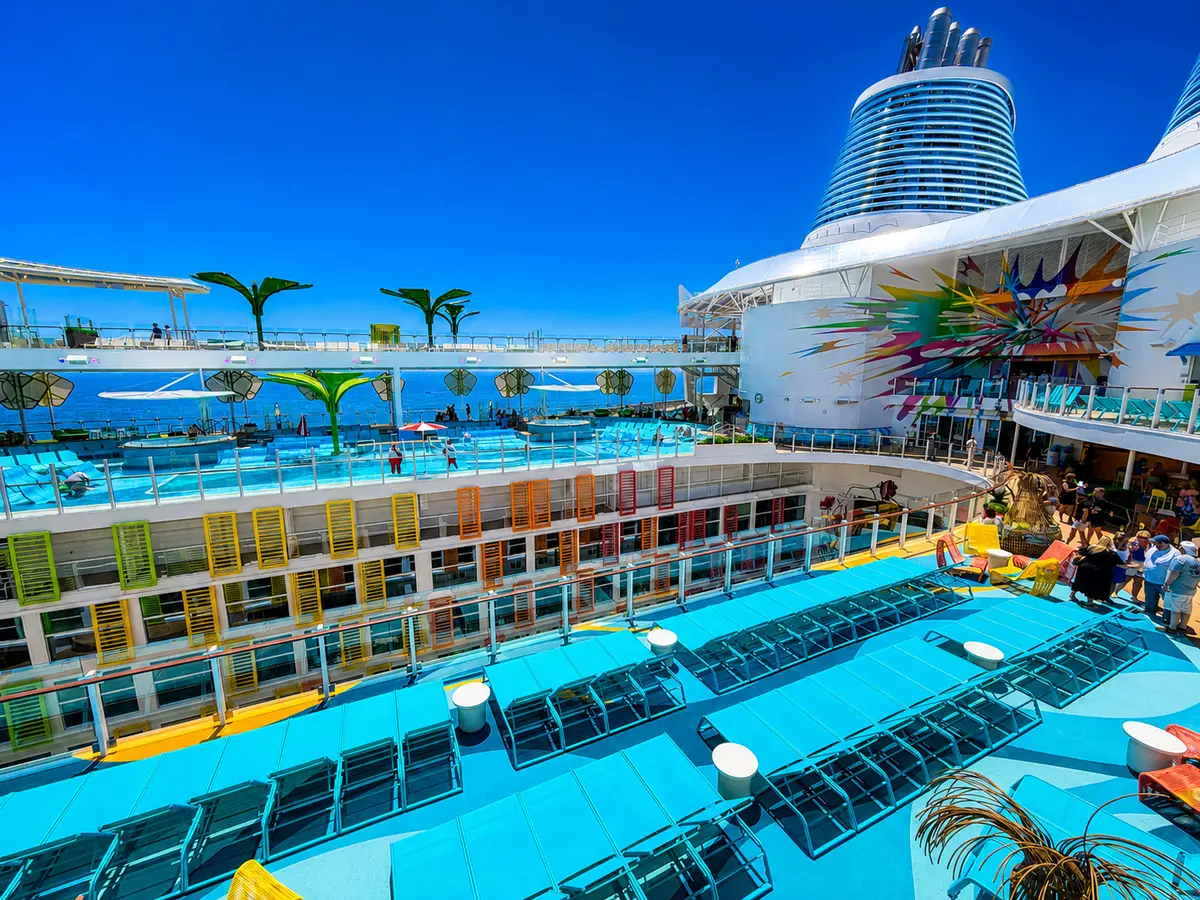
This isn't necessarily surprising for a new ship class. When Icon of the Seas launched, the vessel introduced several firsts for the cruise line, including Category 6, the largest water park at sea; the Empire Supper Club; the enclosed AquaDome entertainment venue; Absolute Zero, the largest ice rink at sea with a unique circular design; and other new onboard concepts.
Fuel and sustainability
Finally, both Carnival's Ace Class and Royal Caribbean's Icon Class represent a shift toward more sustainable ship design, with both classes powered by liquefied natural gas (LNG).
LNG is one of the cleanest fossil fuels used by cruise ships, helping reduce carbon emissions by around 30%. LNG is a natural gas that has been cooled to approximately -260°F. This shrinks its volume by about 600 times, making it easier to store and transport.