
There's no denying that cruising today is vastly different than in the 1980s. Back then, cruises were more formal affairs, with strict dress codes, lengthy meals, and fewer onboard thrills.
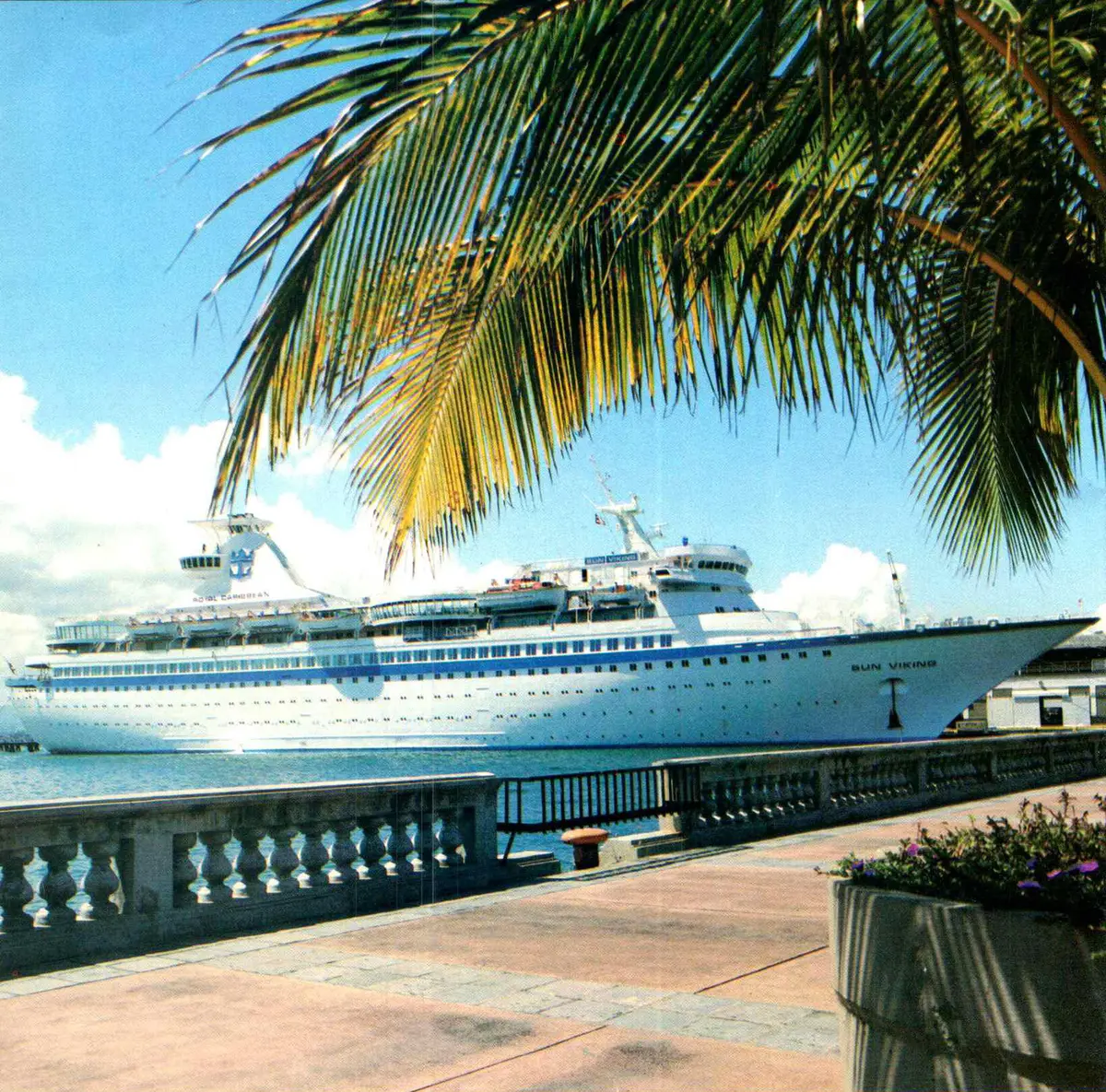
Cruise ships were significantly smaller than the mega-ships that Royal Caribbean builds today. With fewer guests, it was easier for the cruise line to maintain consistency and closely oversee quality control.
As ships have grown larger, the focus has shifted from luxury to prioritizing attractions, higher passenger capacities, and mass-market appeal.
One of the biggest differences is the main dining experience. In the past, the dinner service was a cornerstone of the entire cruise.
While many guests still enjoy eating in the dining room, it no longer carries the same importance it once did. Flexible dining times, specialty restaurants, and a solid lineup of casual venues have changed how passengers dine.
Here's a look at how cruise ship dining was different in the 1980s — and why so many guests miss the tradition and formality of the dinner service.
More traditional menus
(Credit: Adams Nicholas/Facebook)
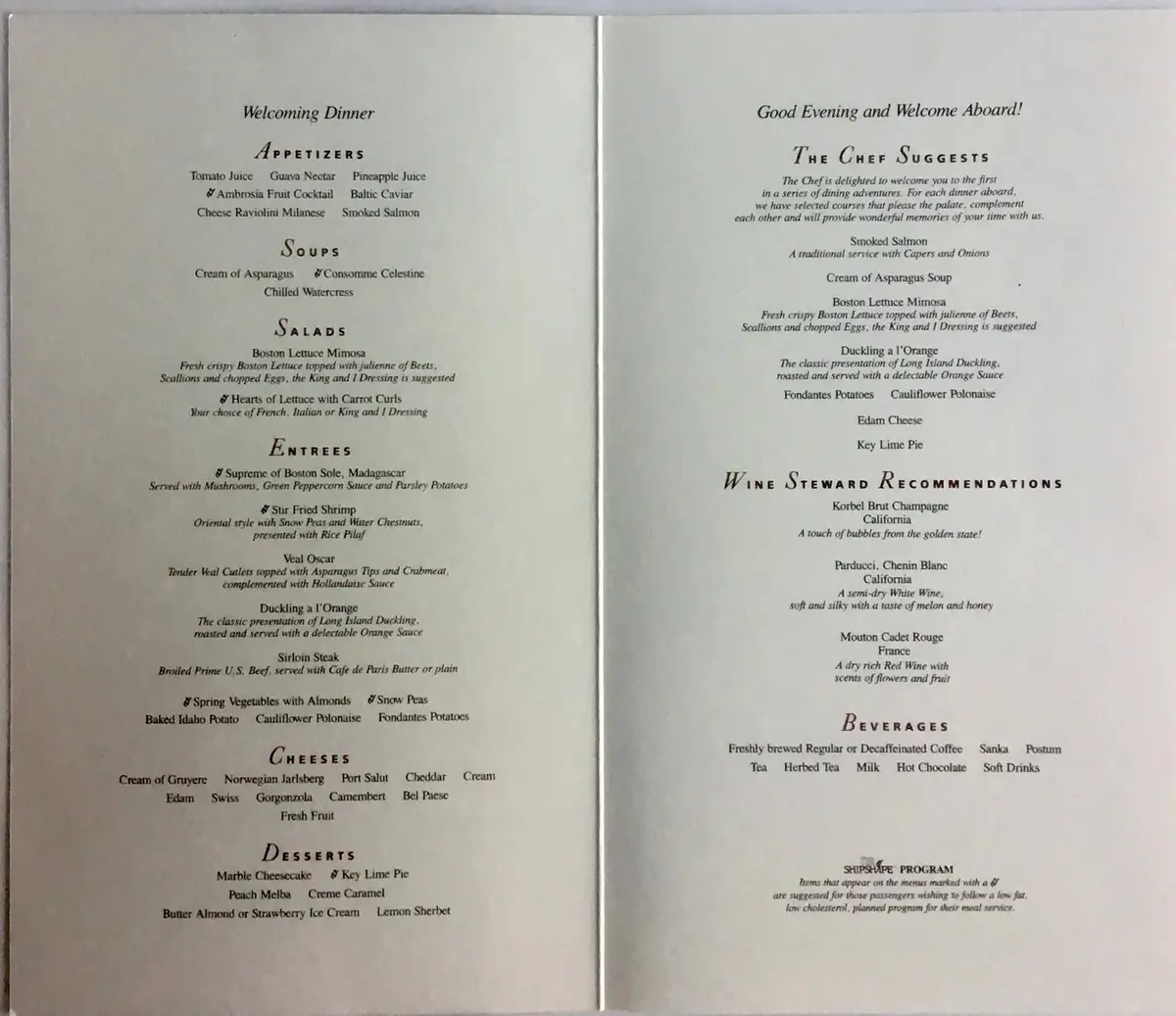
In the 1980s, the menus lacked modern variety.
Today, you'll find classic favorites like French onion soup and Caesar salads, alongside plant-based dishes and a wide variety of other options designed to cater to dietary restrictions. Back then, however, menus were smaller, and the choices were limited.
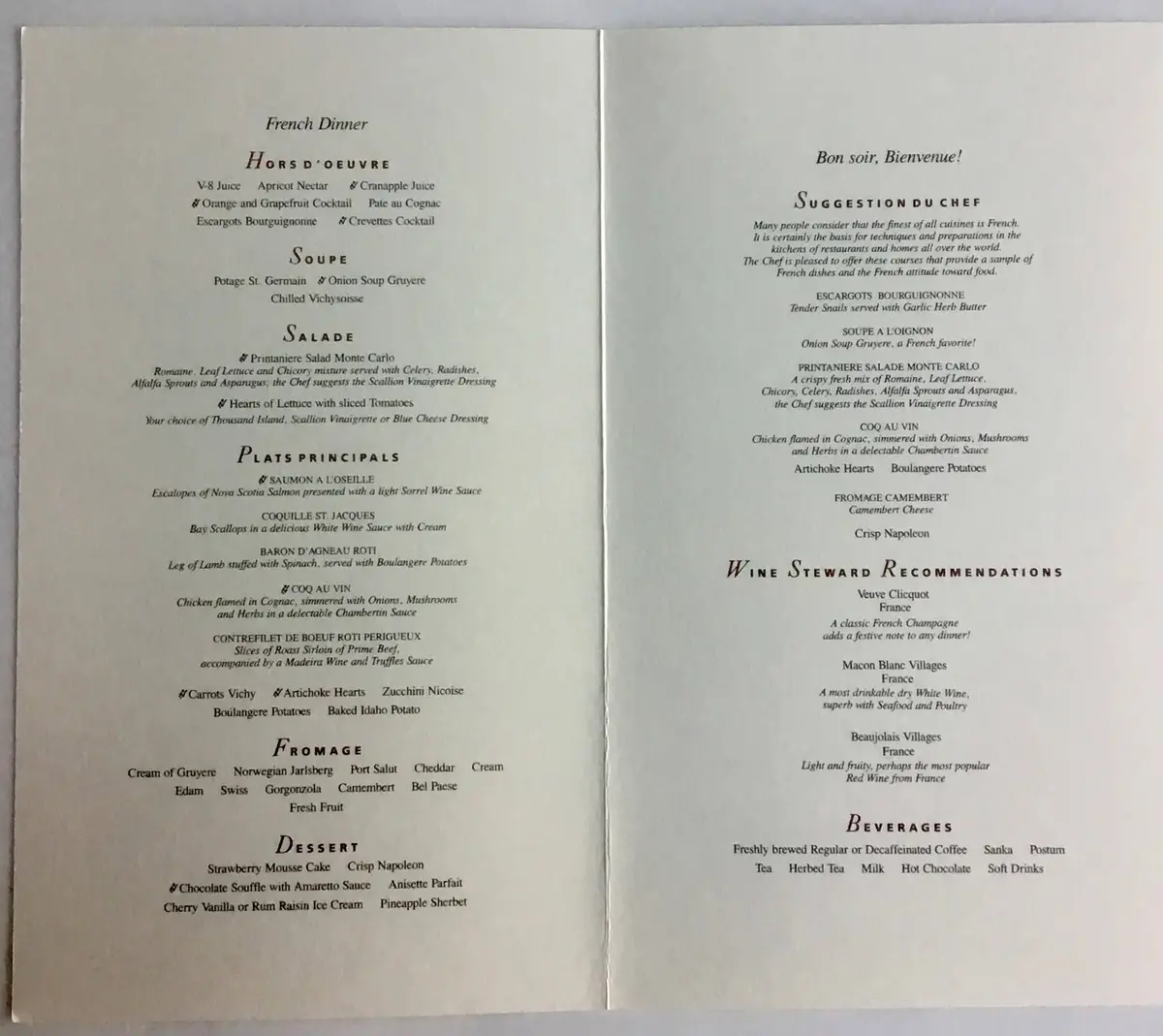
Adams Nicholas shared images of old Royal Caribbean menus from the Song of America ship on Facebook. "The new themed menus sure don’t measure up to the old ones!" he wrote.
(Credit: Adams Nicholas/Facebook)
Song of America entered service for Royal Caribbean in 1982 as the third-largest passenger vessel at sea. She operated for the cruise line for over 15 years until she was sold to Sun Cruises in 1998.
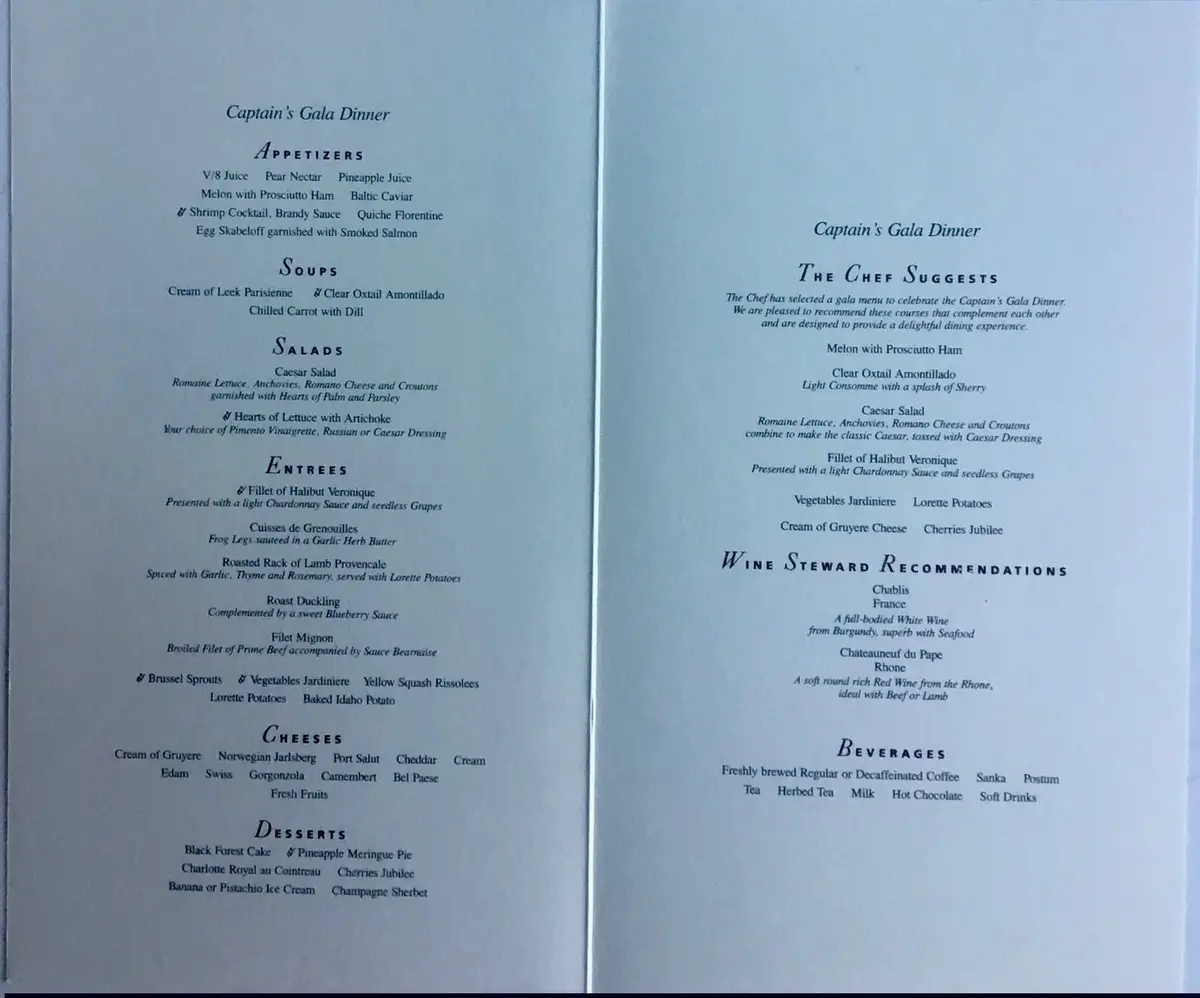
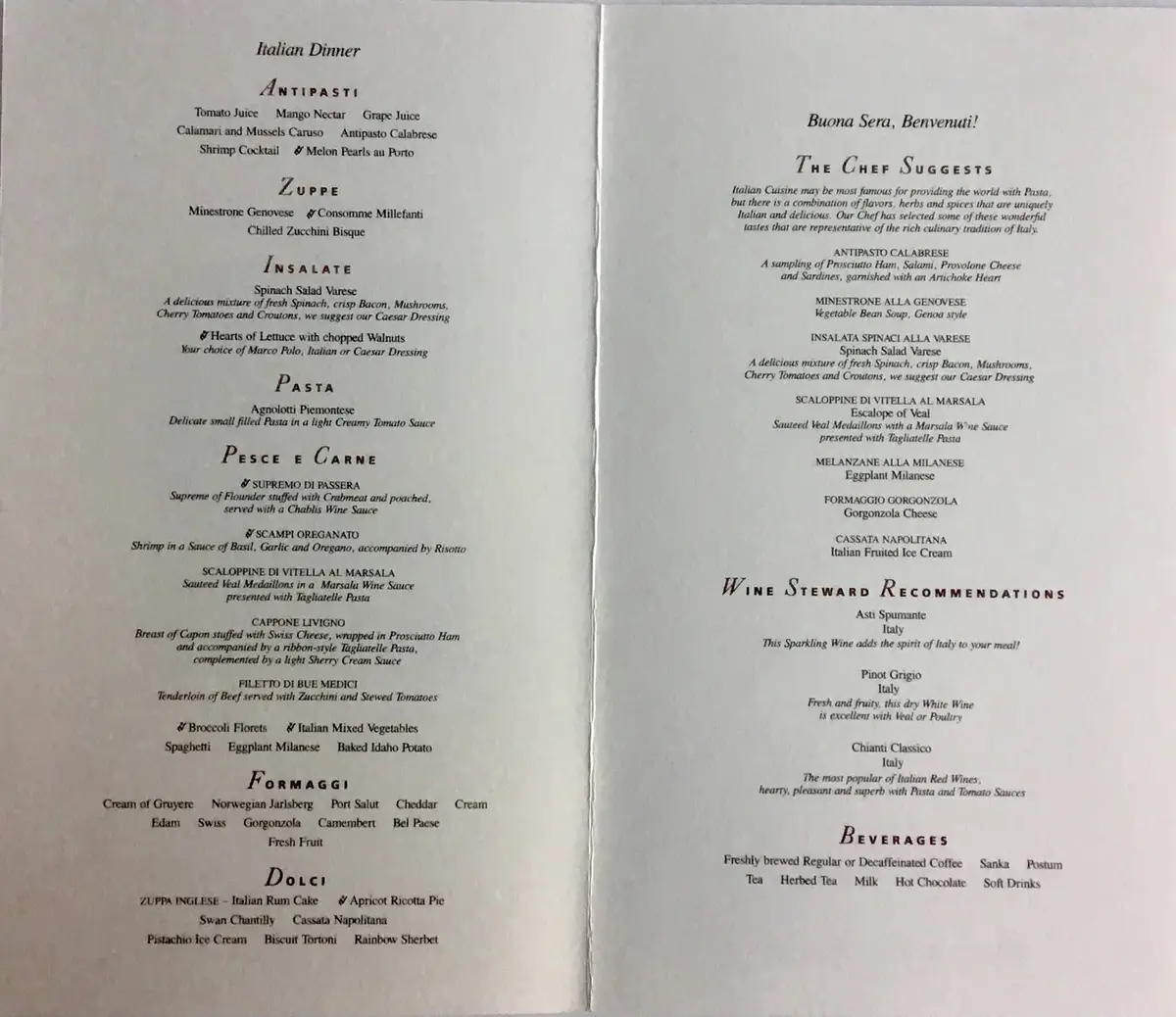
Similar to Royal Caribbean's current menus, the nightly menus aboard Song of America had different themes, including French, Spanish, Italian, Caribbean, and the famous Captain's Gala.
However, the dishes were far more refined than what's available today. For example, on French night, the entrées included saumon a l'oseille, coquille St. Jacques, baron d'agneau roti, coq au vin, and contrefilet de boeuf roti preigueux.
(Credit: Adams Nicholas/Facebook)
Similarly, appetizers on Captain's Gala night ranged from pear nectar to Baltic caviar, melon with prosciutto, pineapple juice, quiche florentine, and egg skobeloff with smoked salmon.
Even the desserts were thoughtfully curated to reflect a higher level of sophistication, with options ranging from cherries jubilee to rum raisin ice cream, swan chantilly, and pear conde.
Dinner was a much more formal affair
(Credit: Adams Nicholas/Facebook)
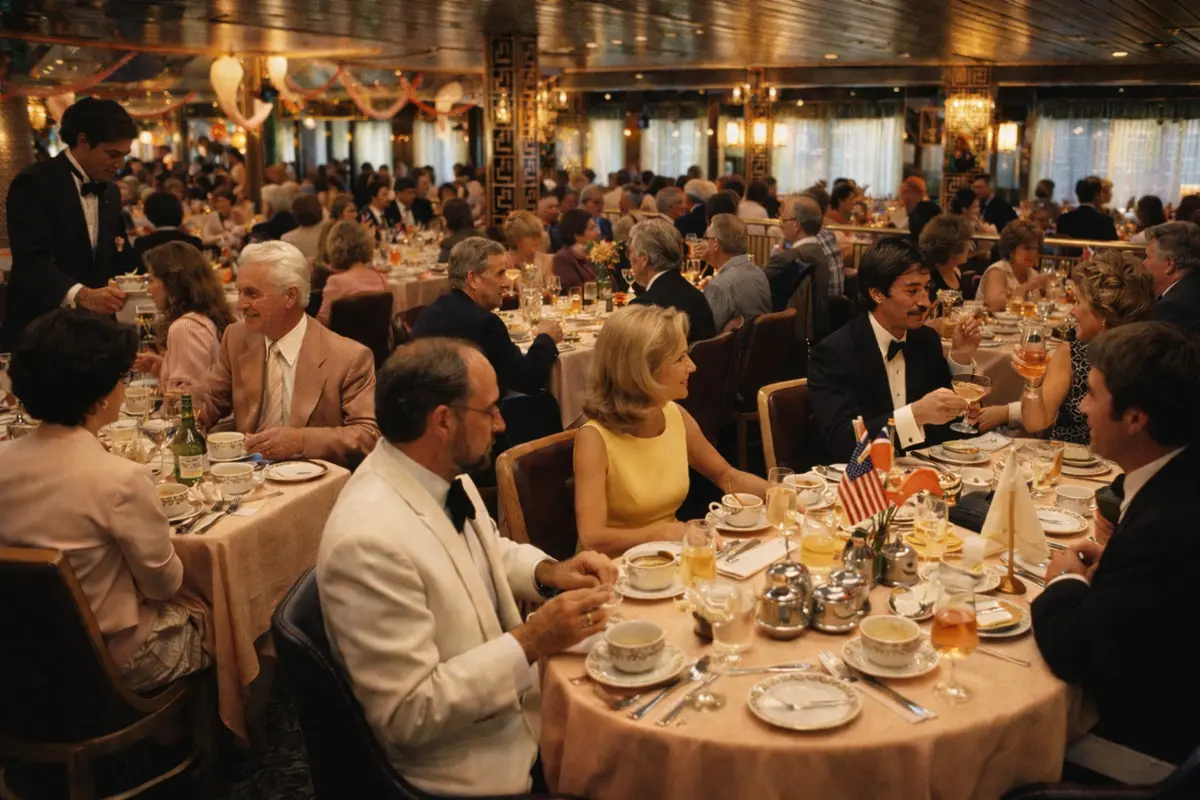
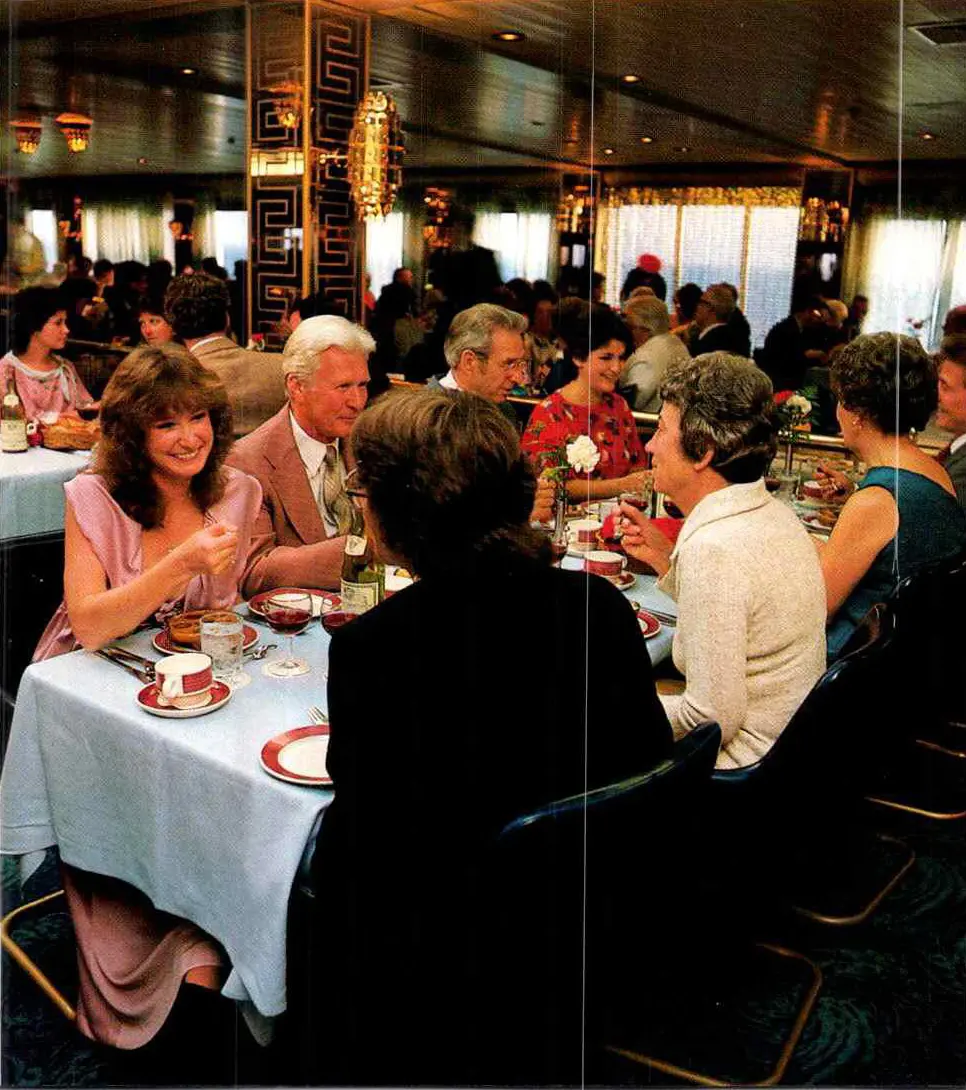
Back then, dinners in the Main Dining Room were more formal than today. As such, guests abided by strict dress codes, whereas today, it's common to find passengers dressed in casual t-shirts, shorts, and sandals.
Additionally, dinners were elaborate seven-course affairs that began with appetizers and soups. This created a leisurely dining experience unlike today, where many guests prefer to rush through dinner to enjoy the evening's entertainment lineup.
In fact, part of the reason that Royal Caribbean launched its new menus in 2023 was to expedite the service. Before the change, guests typically spent anywhere from 90 to 120 minutes in the dining room. The standard with the new menus is serving passengers a 3-course meal in around 75 minutes or less.
Read more: Photos show what it was like to cruise on Royal Caribbean in the 1980s
No specialty restaurants
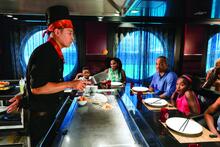
Older, smaller ships had fewer amenities. There weren't any water slides, rock climbing walls, ice skating rinks, or mini-golf courses on board. Additionally, older Royal Caribbean ships lacked specialty restaurants.
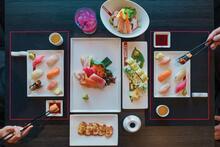
While the specialty dining experience has become a major selling point on modern cruise ships, with options ranging from sushi to premium cuts of beef and freshly-made pasta, it did not exist in the 1980s.
As such, expectations for the Main Dining Room were higher since it was the primary restaurant on the ships. It was common for all guests to look forward to the elegantly plated meals, highly attentive service, and world-class cuisine.
Read more: What to expect in Royal Caribbean's Main Dining Room
Flexible dining wasn't an option
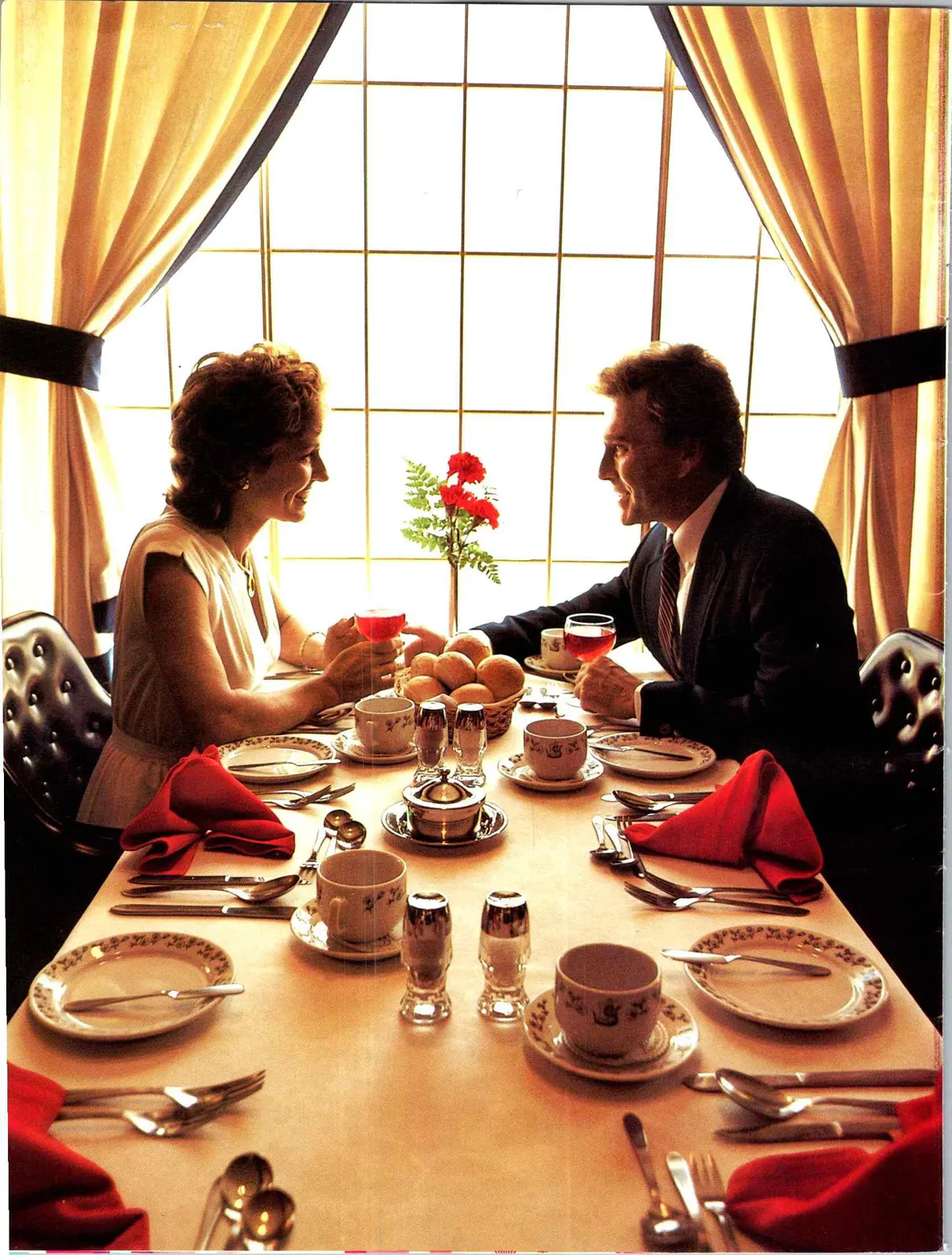
Finally, My Time Dining wasn't an option in the 1980s. All passengers had an assigned dining time — guests did not have the option to enjoy the dining room on their own time.
Like today's traditional dining, passengers were expected to dine at the same time each evening. They were also seated at the same table with the same travelers and waitstaff.
As such, dinners in the Main Dining Room were more formal and structured. Throughout the sailing, waiters learned everyone's preferences, which added a personalized touch to the mealtime experience.
Read more: Royal Caribbean My Time Dining versus Traditional Dining