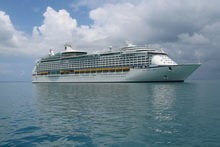

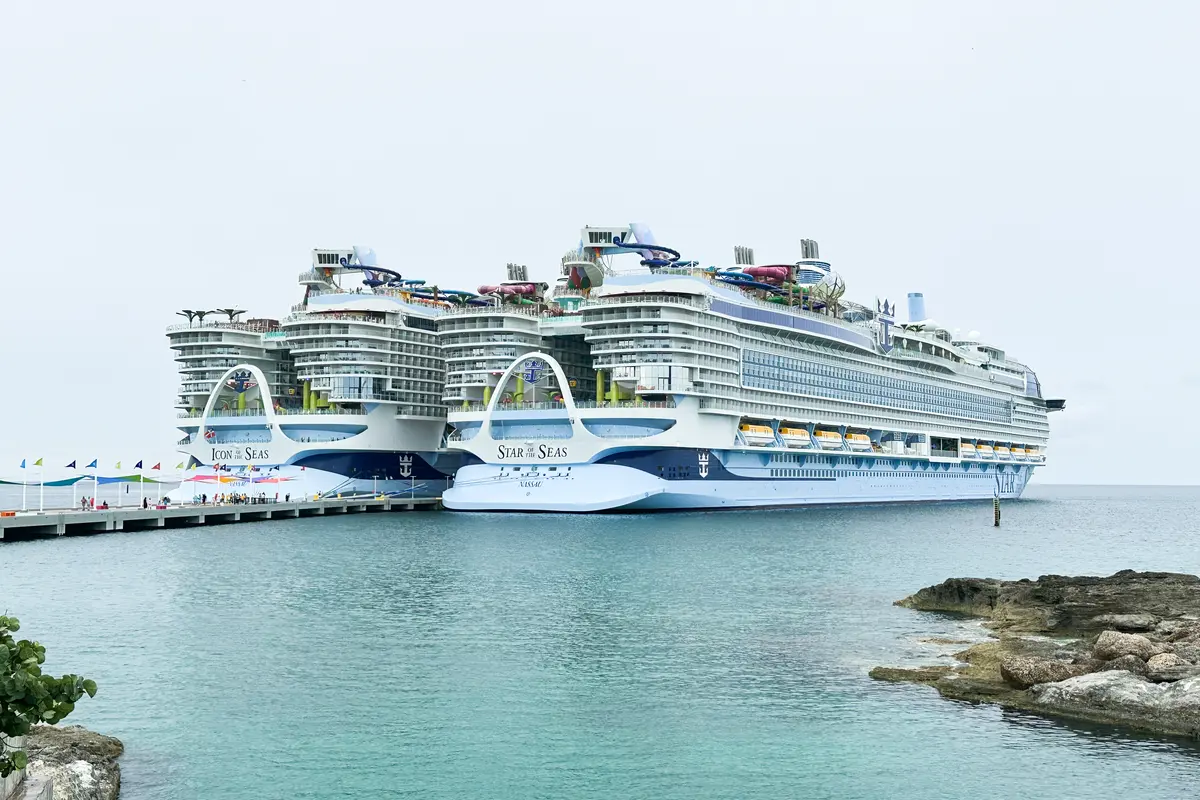
New cruise ships, like the record-breaking Icon and Star of the Seas, are popular because of their seemingly endless activities, dining options, and entertainment lineup. However, Royal Caribbean's fleet encompasses more than mega-ships, and its older vessels remain popular with many cruisers.
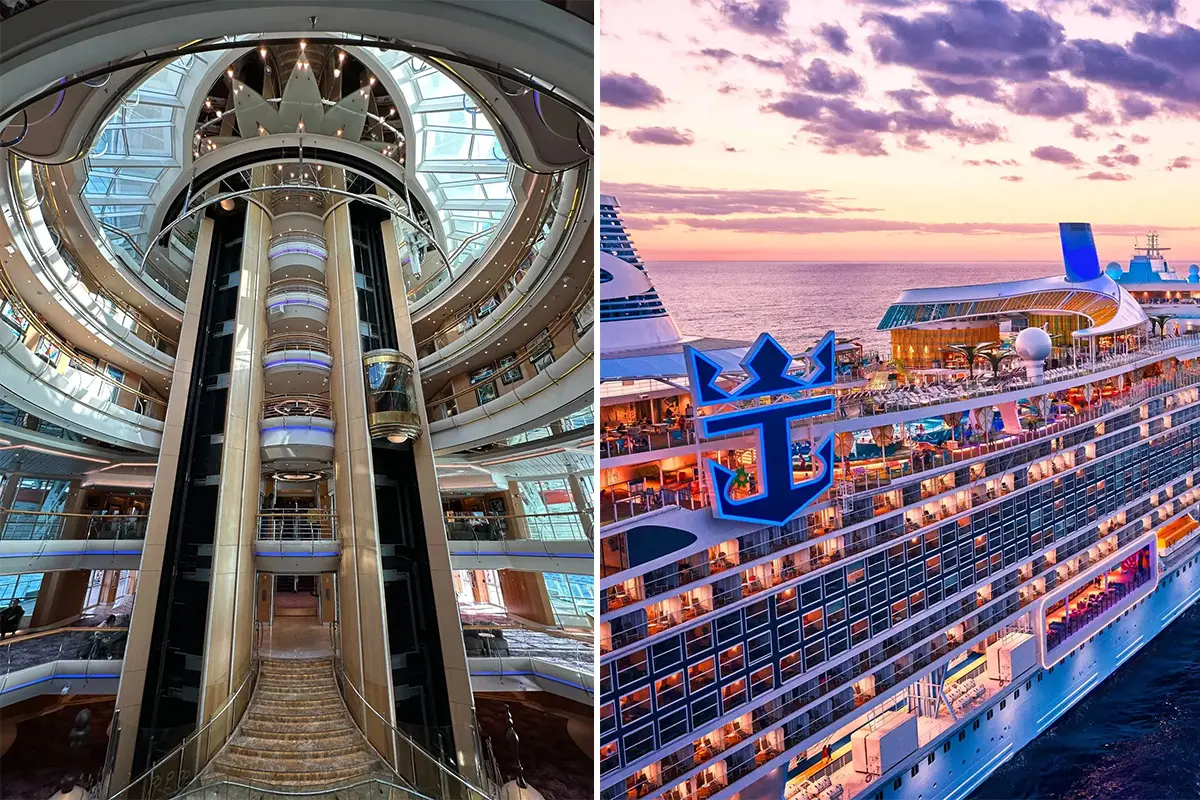
Royal Caribbean has continued to break its own record for the world's largest cruise ship since the launch of Freedom of the Seas in 2006. That means for nearly 20 years, they have striven to ensure that each flagship continues to push the boundaries of size and onboard amenities.
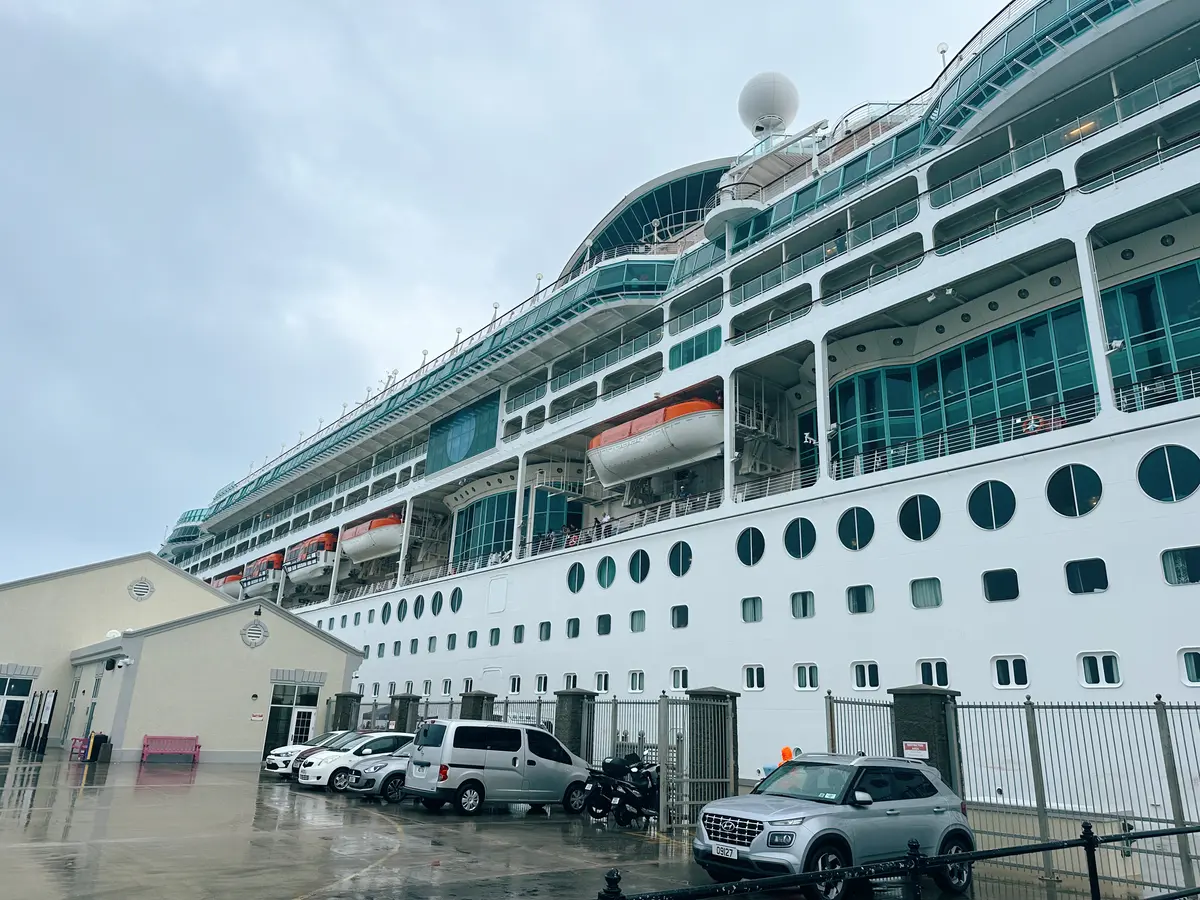
Even still, the cruise line has maintained a diverse fleet with older, smaller ships that offer a more traditional cruising experience. For example, a vacation aboard Vision of the Seas would be vastly different than Utopia of the Seas.
They're continuing to invest in their older ships, too. Through the line's Royal Amplification fleet modernization program, vessels like Mariner of the Seas, Navigator of the Seas, and Voyager of the Seas have received significant upgrades, including new dining venues, refreshed public spaces, and added attractions.
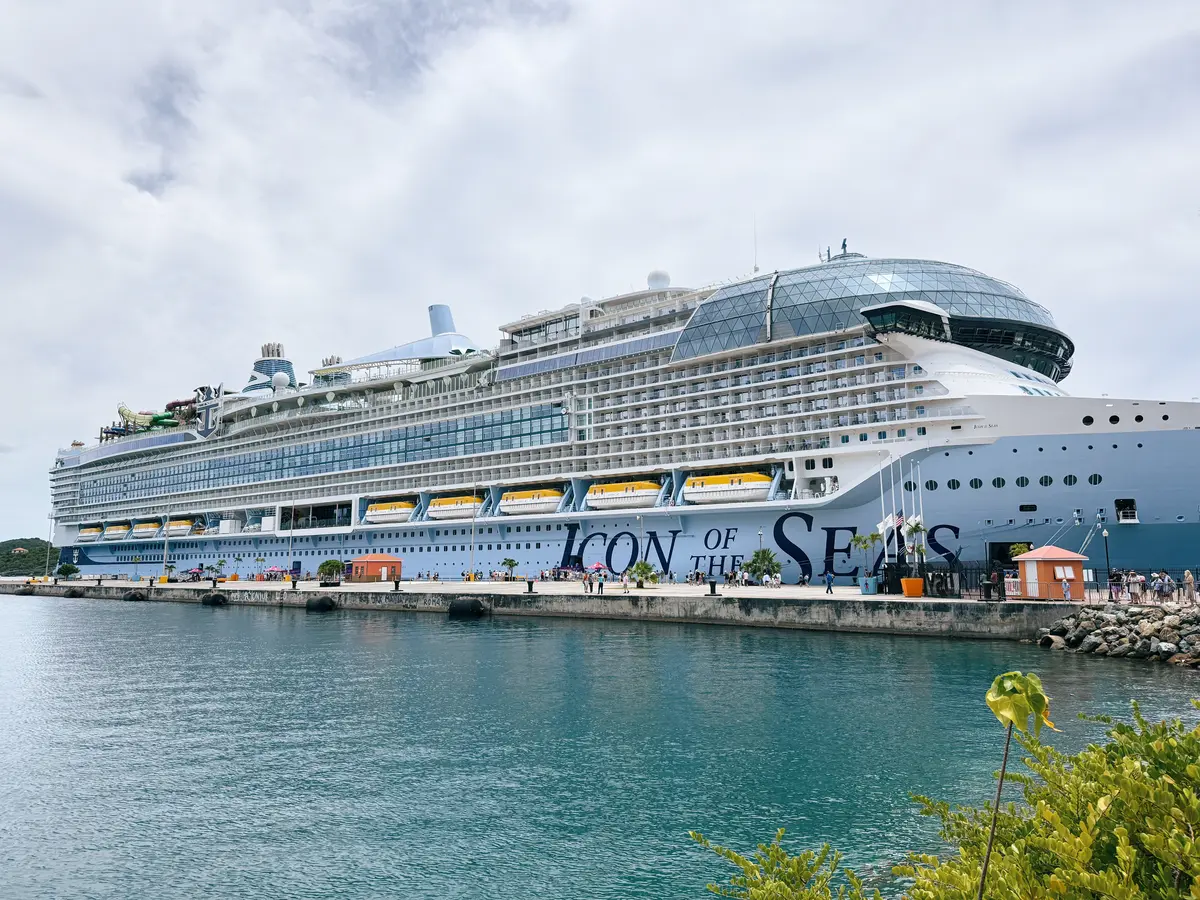
That said, many wonder if the age of your cruise ship actually matters. While newer ships grab headlines with cutting-edge features and world-class entertainment, it's important not to cross older ships off your list too quickly.
To learn more about how ship age factors into safety and operations, we spoke with Don Goldstein, a retired Commander of the U.S. Coast Guard, who worked for the Coast Guard for about 30 years. He was involved with the regulation and inspection of commercial vessels, including passenger and task vessels, and the ports that serve them.
During Commander Goldstein's career, he was stationed on all three coasts of the United States: Atlantic, Pacific, and Gulf. Additionally, he represented the Coast Guard's business in North and South America, Europe, Africa, Southeast Asia, and the Far East.
In this article, we'll explore what a cruise ship's dry dock entails, today's environmental concerns, the life expectancy of modern-day cruise ships, and what it takes to keep the older vessels in service.
Routine maintenance is an ongoing process to ensure that older ships are well-maintained
According to Goldstein, routine maintenance is well-planned and supported. It encompasses more than periodic dry docks, too. For example, maintenance is continually done throughout the ship's life.
"[T]hey can (and do) change out an entire piston on an engine while underway. The maintenance is accomplished on a planned cycle for each system and happens every day in accordance with the plan," he explains.
"This includes changing filters, cleaning valves and piping, changing hydraulic fluids, testing emergency systems like emergency generators, [and] testing backup steering systems."
Dry docks, which occur twice within any five years with no more than 36 months between them, are another critical component of a cruise ship’s upkeep. They are planned years in advance to allow ample time to order the necessary parts and have the right contractors present.
During a ship's dry dock, all hull openings are checked, and the valves are cleaned or replaced (if needed). Additionally, primary systems, including firefighting, navigation, and lifesaving, are inspected or replaced.
"Anchor chains and lifeboat cables may be 'end-for-ended,' and all lifeboat food and water are inspected and/or replaced. Other issues or concerns that have occurred may be dealt with, such as when Allure’s azipod needs work," Goldstein added.
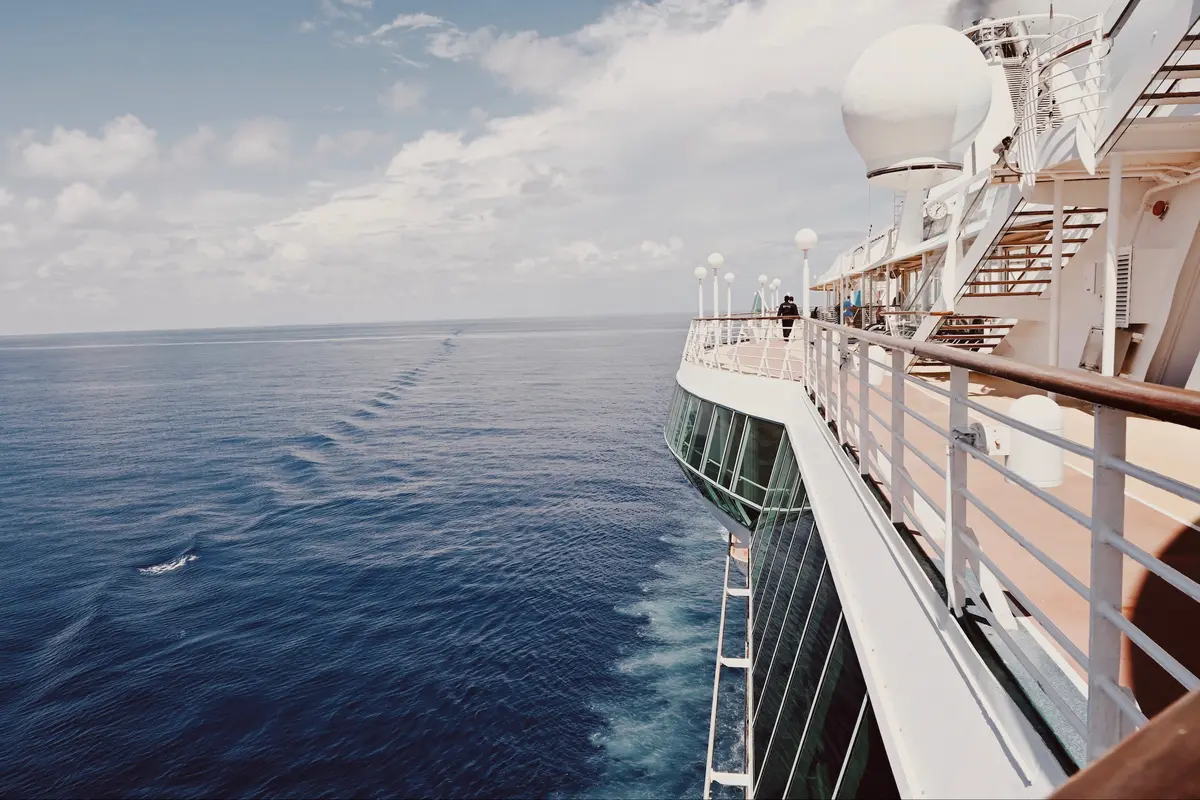
Older ships may also require more extensive work in the dry dock due to changes in technology, as well as normal wear and tear caused by the harsh marine saltwater environment.
Cruise ship life expectancy has increased
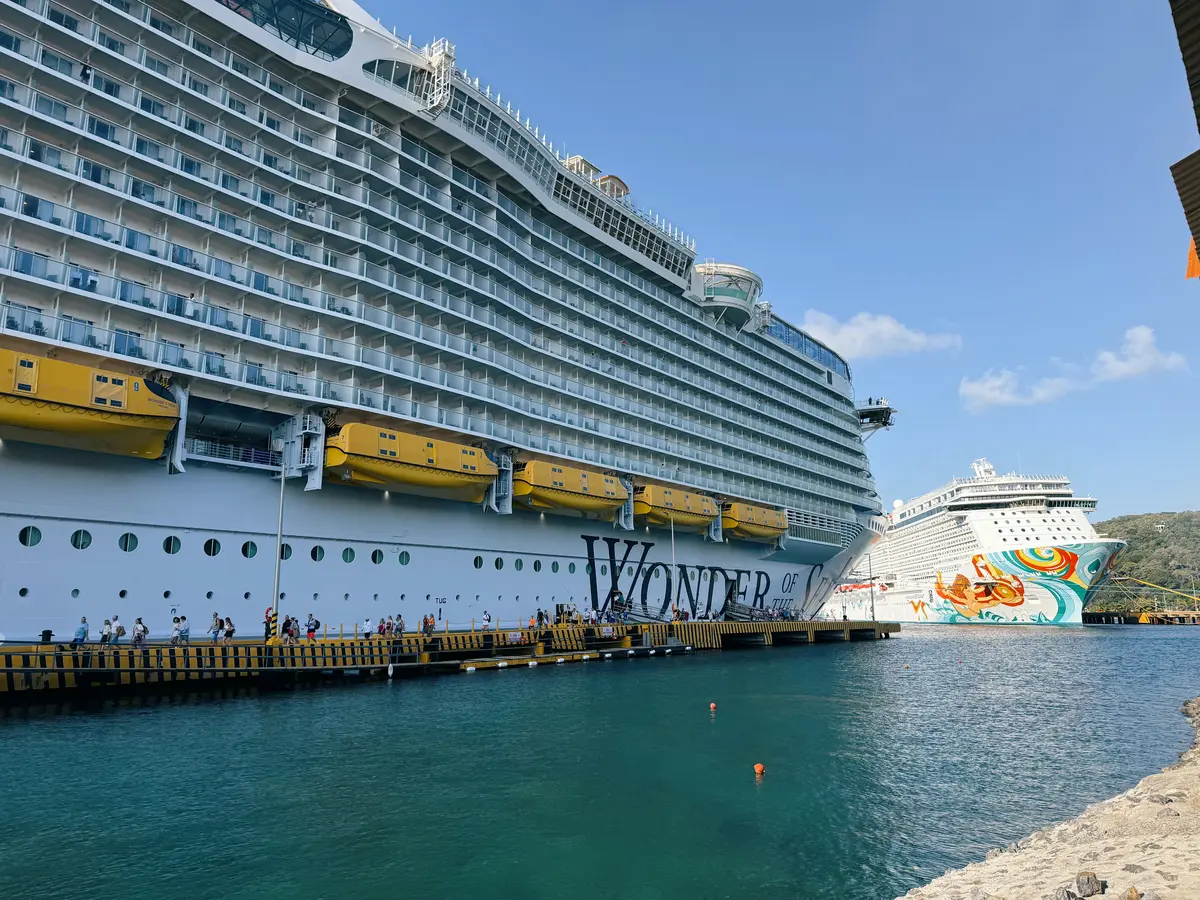
Thanks to better materials, design plans, and maintenance, Goldstein estimates that Royal Caribbean hopes to get at least 30 years of service out of any cruise ship built within the last 15 years.
"Every new ship probably has a longer life expectancy than the last one, but it is incremental. For ships built in the 1990s, I expect they wanted to get at least 25 years of service," he said.
Safety is more closely tied to the cruise line's willingness to invest in maintenance
Given the ongoing maintenance and inspections by the Flag State and Port States, the safety of the vessel itself isn't an issue. It comes down to the ship's maintenance cost and whether the cruise line wants to continue funding it.
As such, one of the key factors that determines when a ship is ready to be retired and/or scrapped is money.
"[Michael Bayley, I think, said] the older ships' break-even point is 50% of capacity, while for the newer ships it is closer to 35%. He didn’t say word-for-word, but I suspect the introduction of azipod technology has a lot to do with this," Goldstein explained.
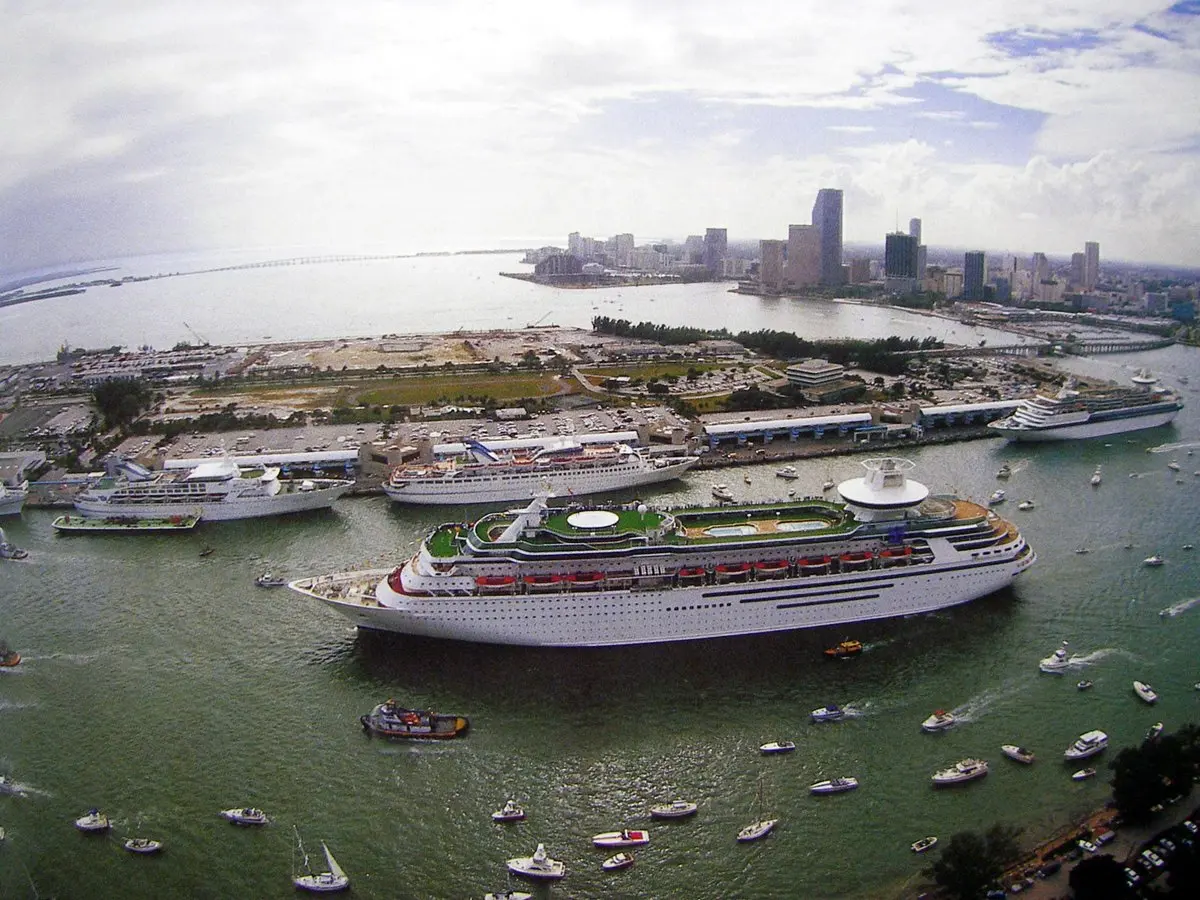
"Routine maintenance isn’t cheap, and there is a point where it is not economically feasible to maintain the ship. At that point, they will typically sell the ship to a lower-end cruise line."
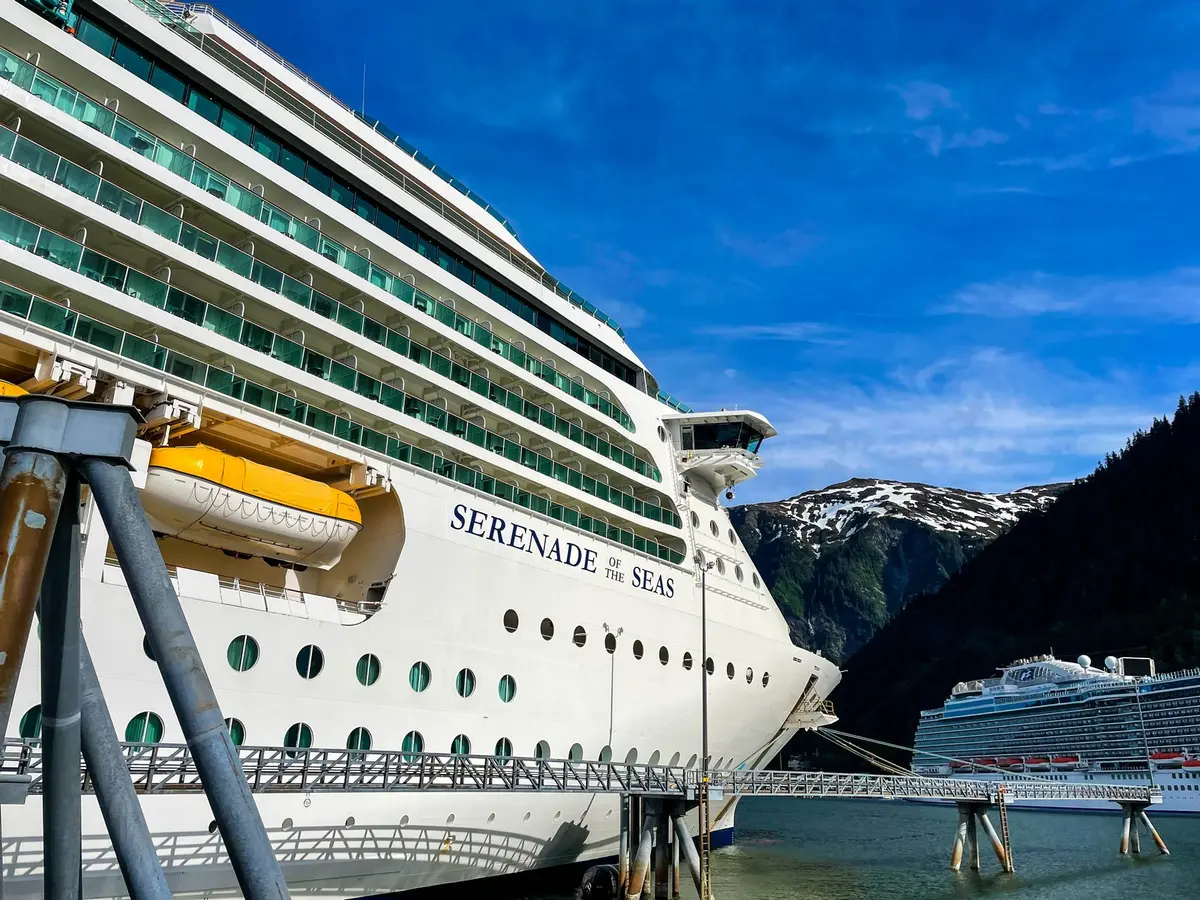
Sovereign of the Seas, for example, was transferred to Pullmantur in 2008 when she was 20 years old. She remained with the small cruise line for over ten years until she was scrapped in 2020 after 32 total years in service.
New LNG ships and growing environmental concerns could impact the operation and lifespan of older vessels

"LNG ships are more efficient than oil-powered ships, but I think the bigger concern is the increased environmental awareness on the part of many littoral states and countries," Goldstein said.
In other words, he assumes that growing environmental regulations will eventually cause older ships to be retired or transferred to smaller cruise lines that sail to isolated ports of call.
For example, new international regulations require ships to reduce their speed as they approach many ports in an effort to reduce emissions.
Pros of an old cruise ship
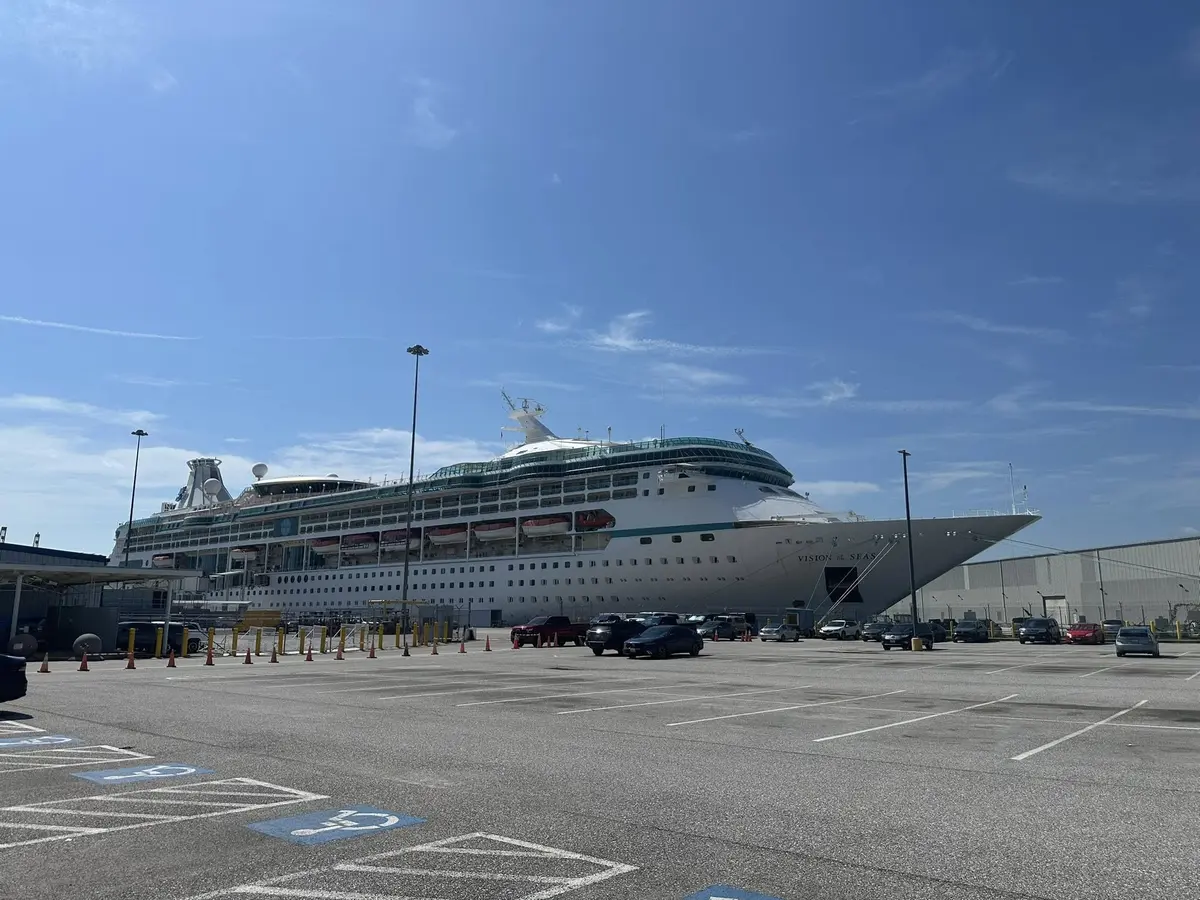
Just because a cruise ship is older doesn't mean it's bad. Sure, it may not have the flashy water slides or state-of-the-art theater. Instead, guests love the relaxed vibe, easier navigation, and strong sense of nostalgia that mega-ships can't offer.
Other pros of an old cruise ship include less nickel-and-diming, with features like the sauna and steam room included in the base fare, an overall lower cost compared to newer vessels, and the ability to visit more unique destinations.
Plus, quality control is typically more consistent on older ships, since the crew doesn't have to worry about feeding five, six, or even seven thousand passengers.
Cons of an old cruise ship
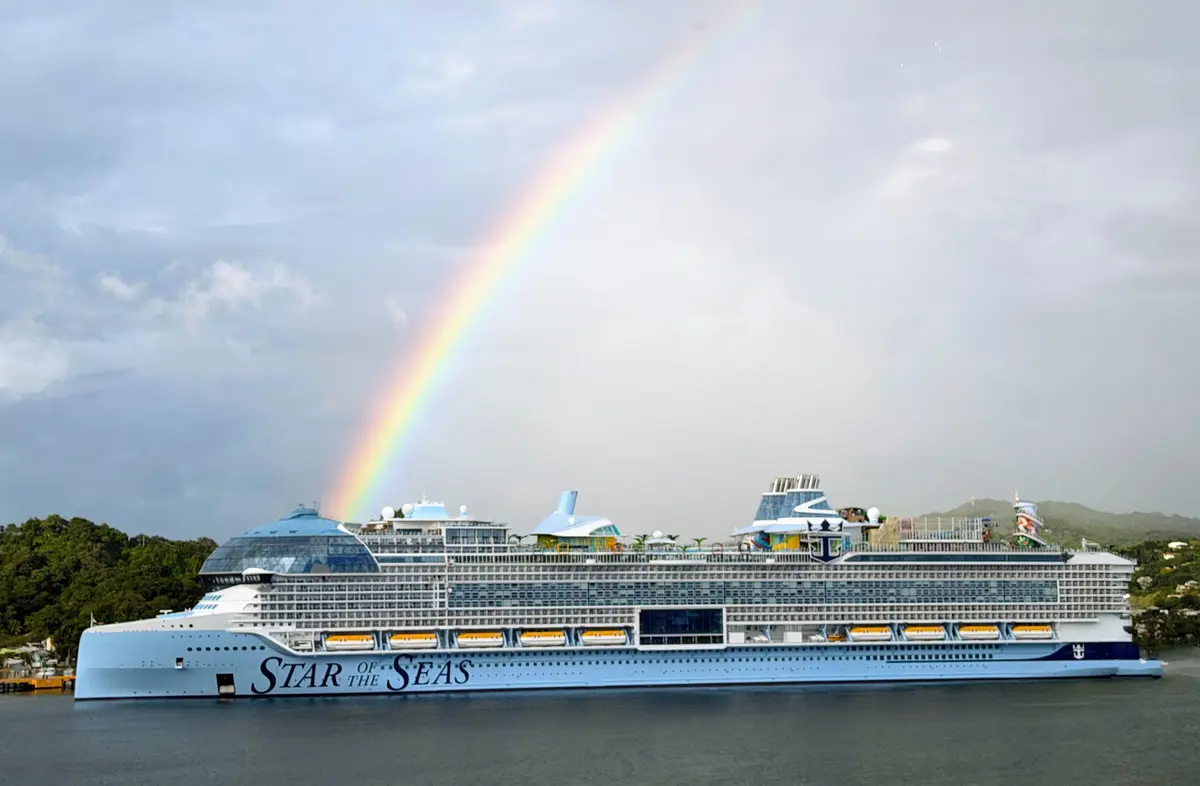
Even still, older cruise ships aren't right for everyone. For example, despite regular dry docks and maintenance, they can still feel outdated compared to newer vessels.
The cabins, especially, are less modern and lack amenities that are on newer ships, including multiple charging options, smart lighting, refreshed color palettes, and more.
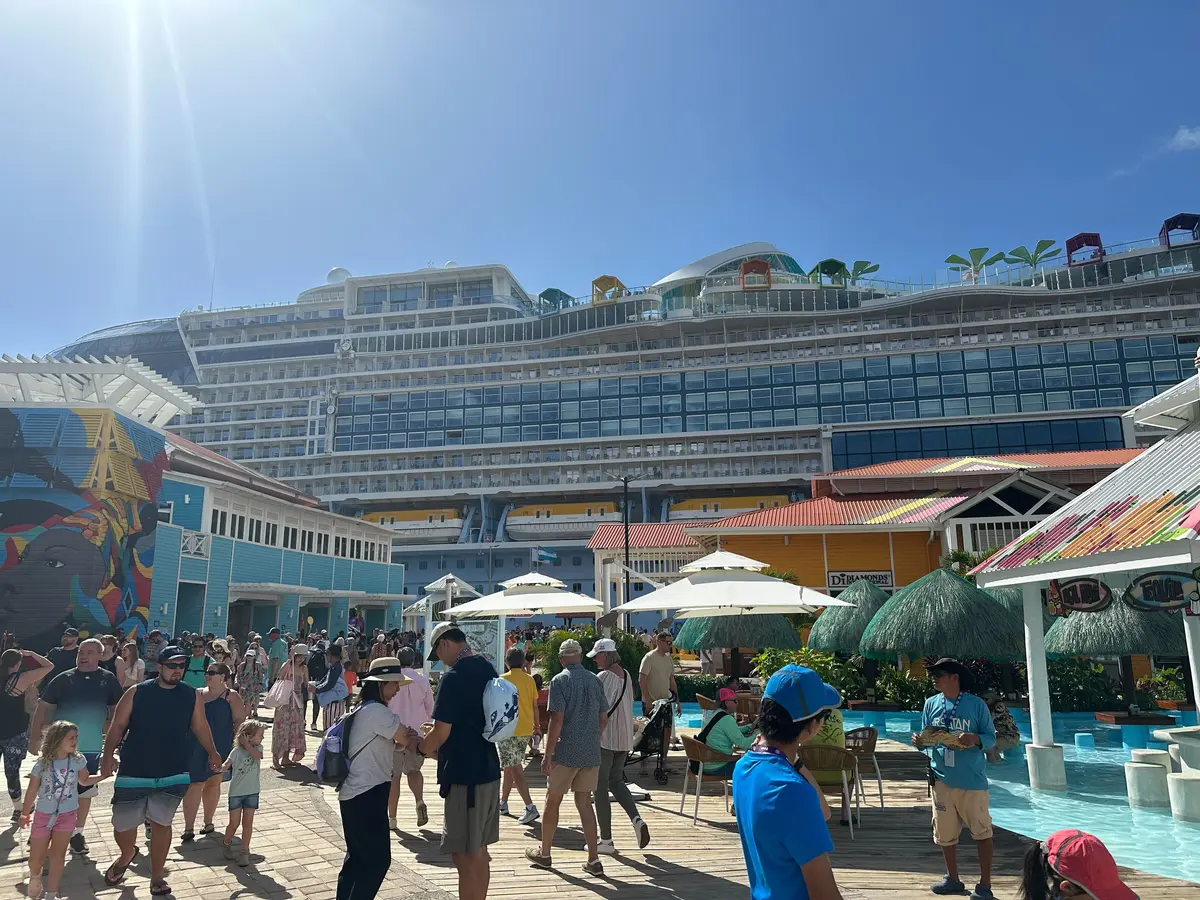
Moreover, older ships have limited entertainment options and fewer dining venues. For example, if you are sailing on Icon of the Seas, you'll find a high-tech theater, an indoor AquaTheater, and over 20 distinct dining options.
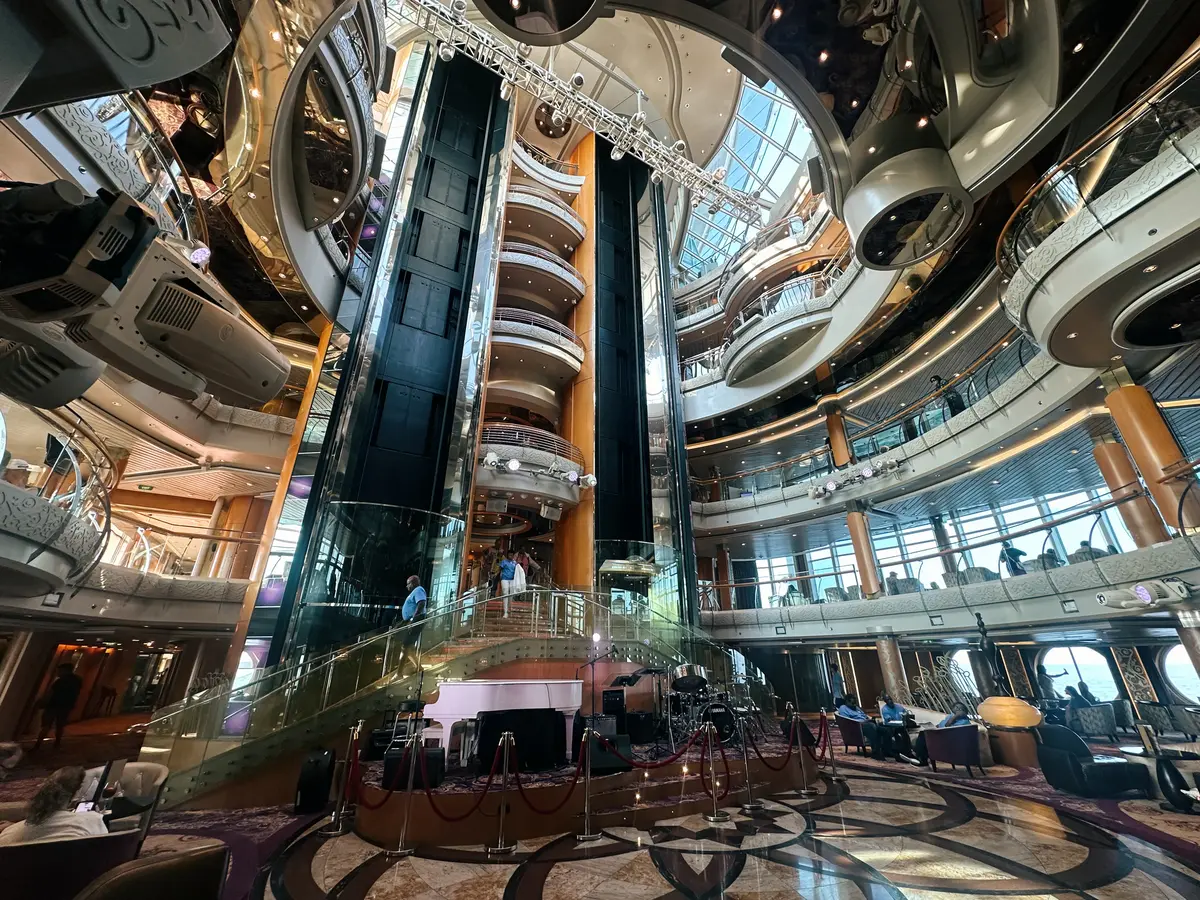
Comparatively, Vision of the Seas has fewer restaurants that are primarily limited to a traditional Main Dining Room and buffet, along with simpler entertainment offerings.
Read more: I sailed on an older Royal Caribbean ship and a newer one
Royal Caribbean ships by age: oldest to newest
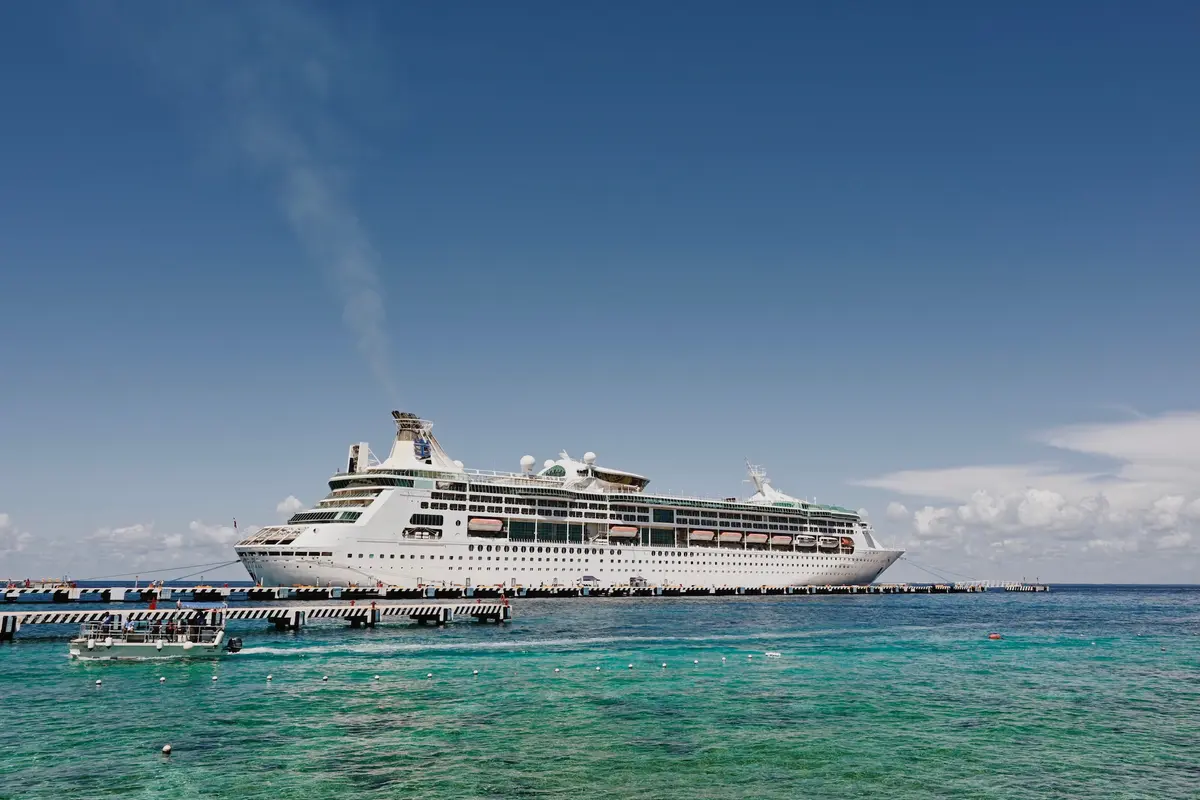
- Grandeur of the Seas (1996)
- Rhapsody of the Seas (1997)
- Enchantment of the Seas (1997)
- Vision of the Seas (1998)
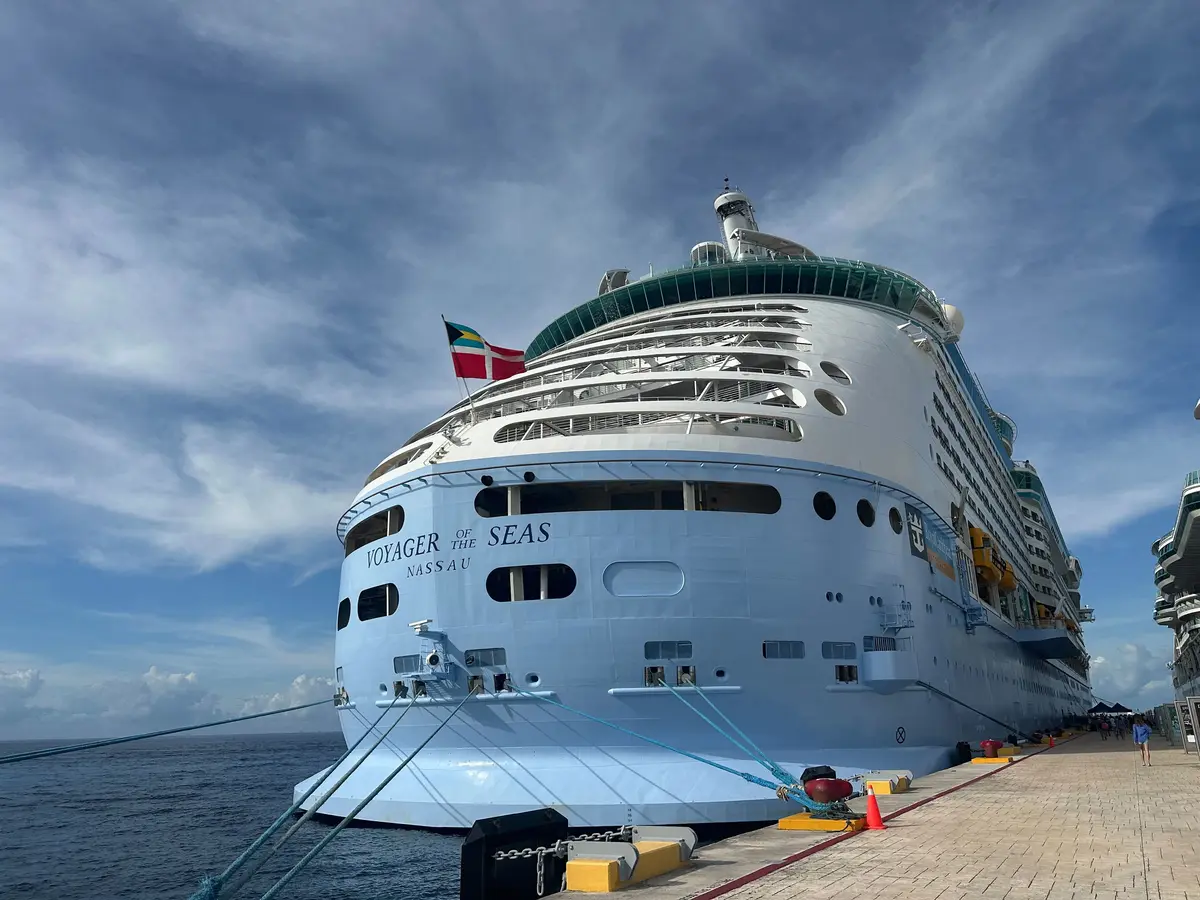
- Voyager of the Seas (1999)
- Explorer of the Seas (2000)
- Radiance of the Seas (2001)
- Adventure of the Seas (2001)
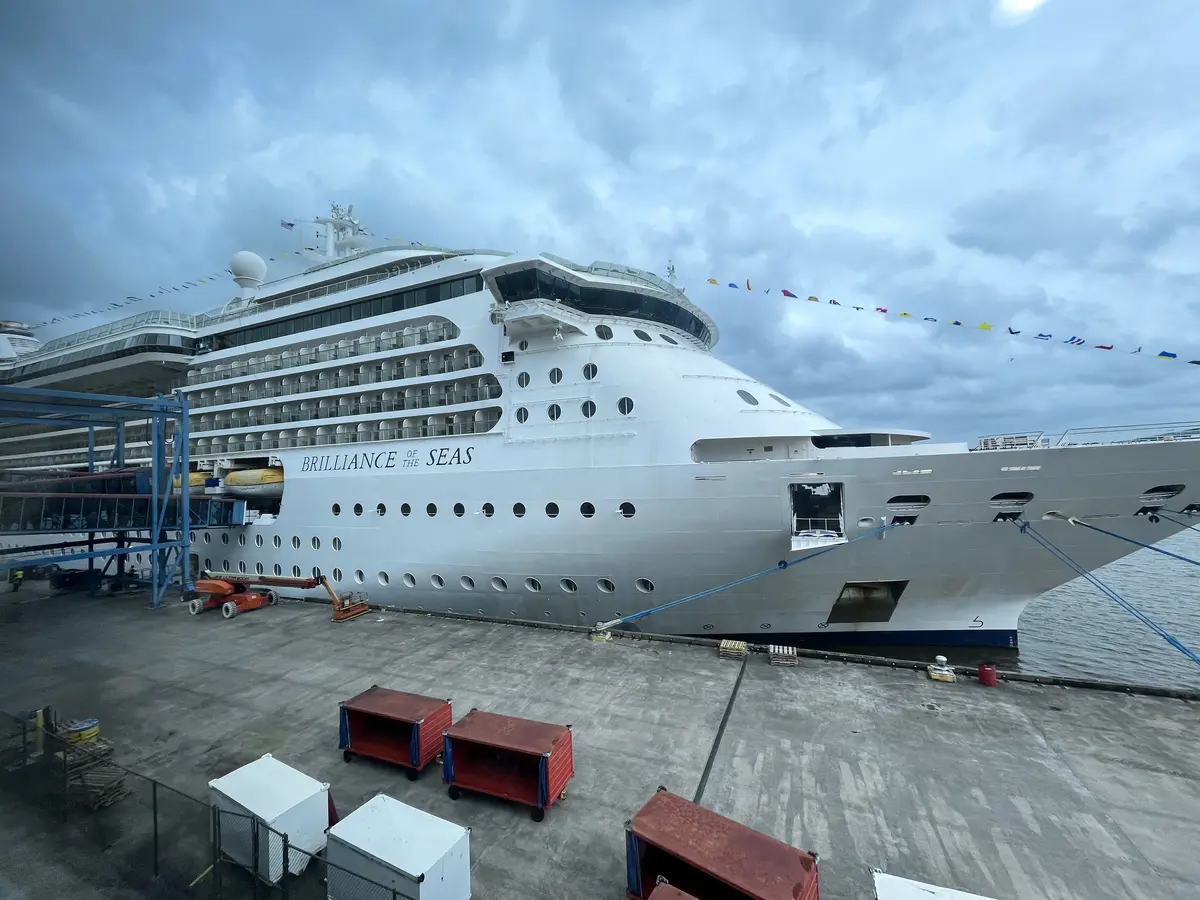
- Brilliance of the Seas (2002)
- Navigator of the Seas (2002)
- Serenade of the Seas (2003)
- Mariner of the Seas (2003)
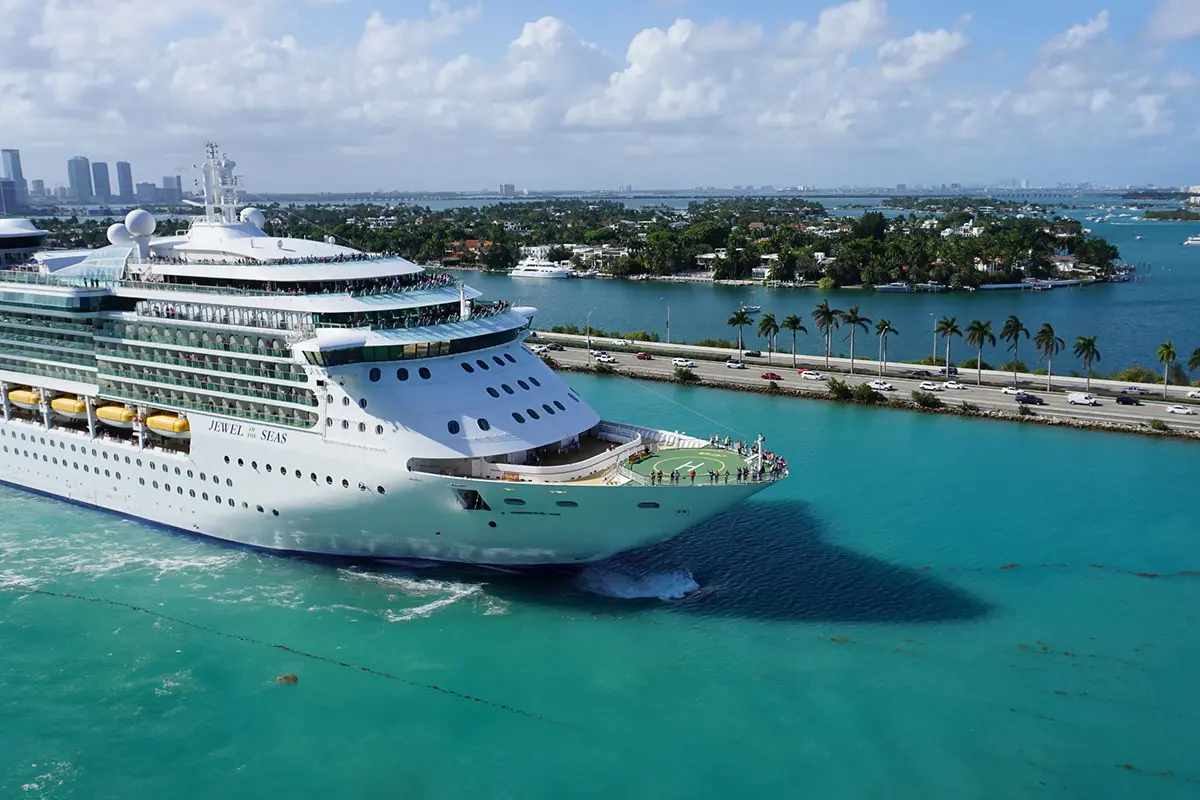
- Jewel of the Seas (2004)
- Freedom of the Seas (2006)
- Liberty of the Seas (2007)
- Independence of the Seas (2008)
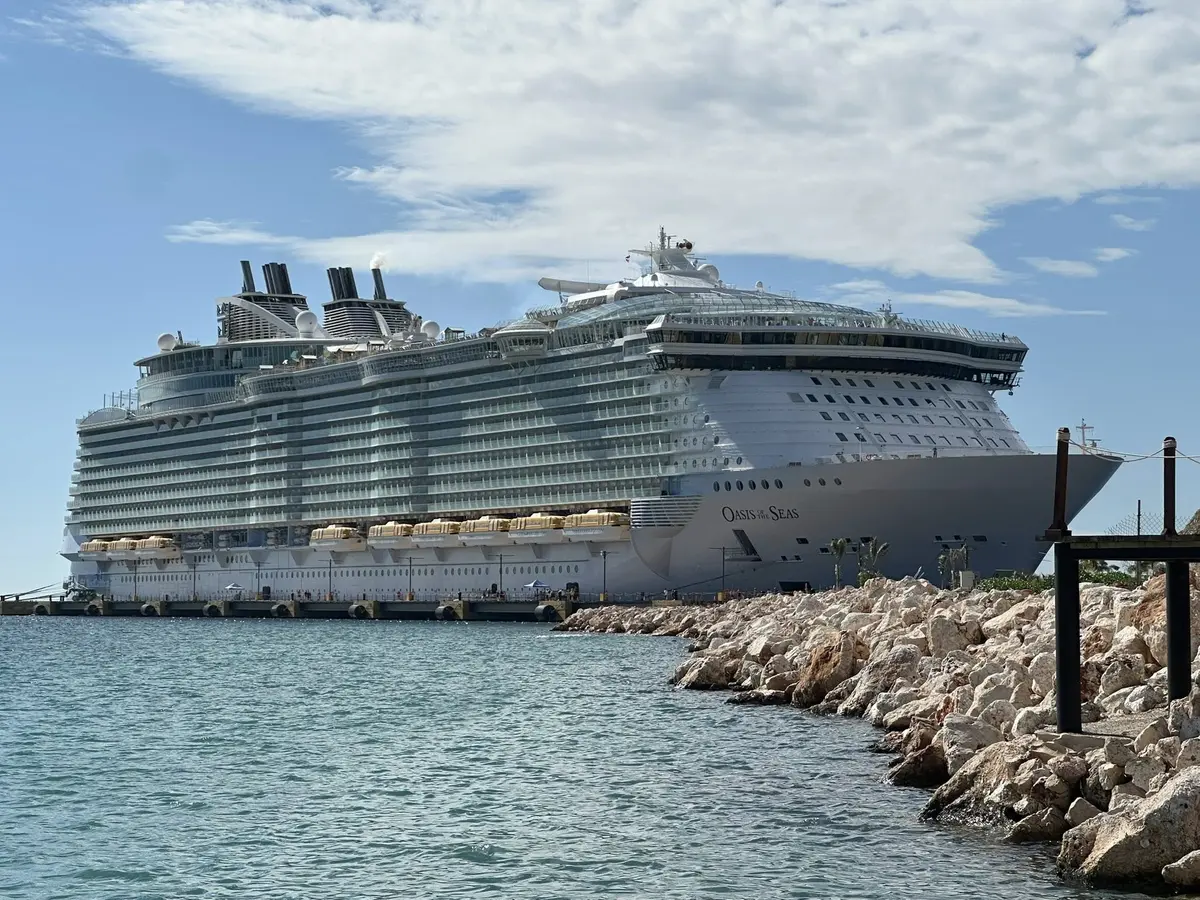
- Oasis of the Seas (2009)
- Allure of the Seas (2010)
- Quantum of the Seas (2014)
- Anthem of the Seas (2015)
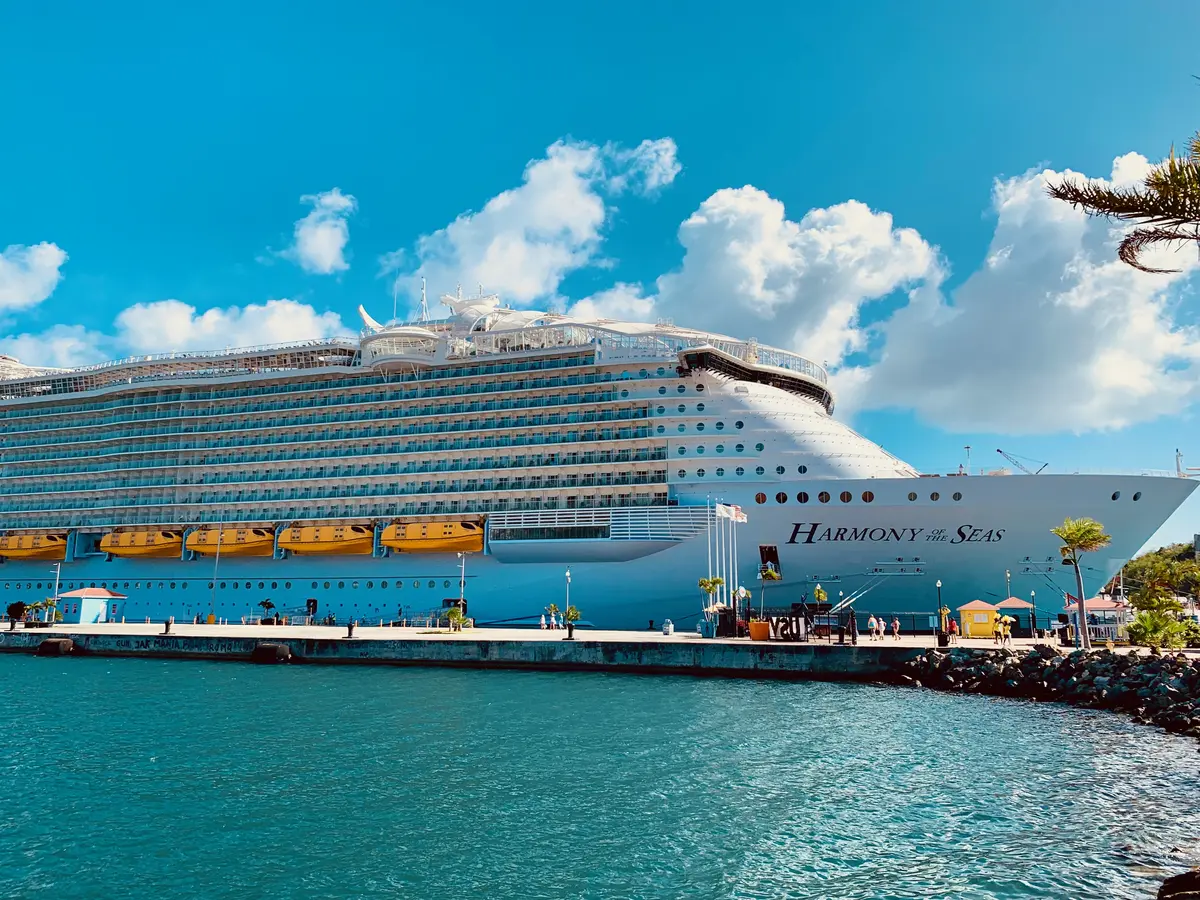
- Harmony of the Seas (2016)
- Ovation of the Seas (2016)
- Symphony of the Seas (2018)
- Spectrum of the Seas (2019)
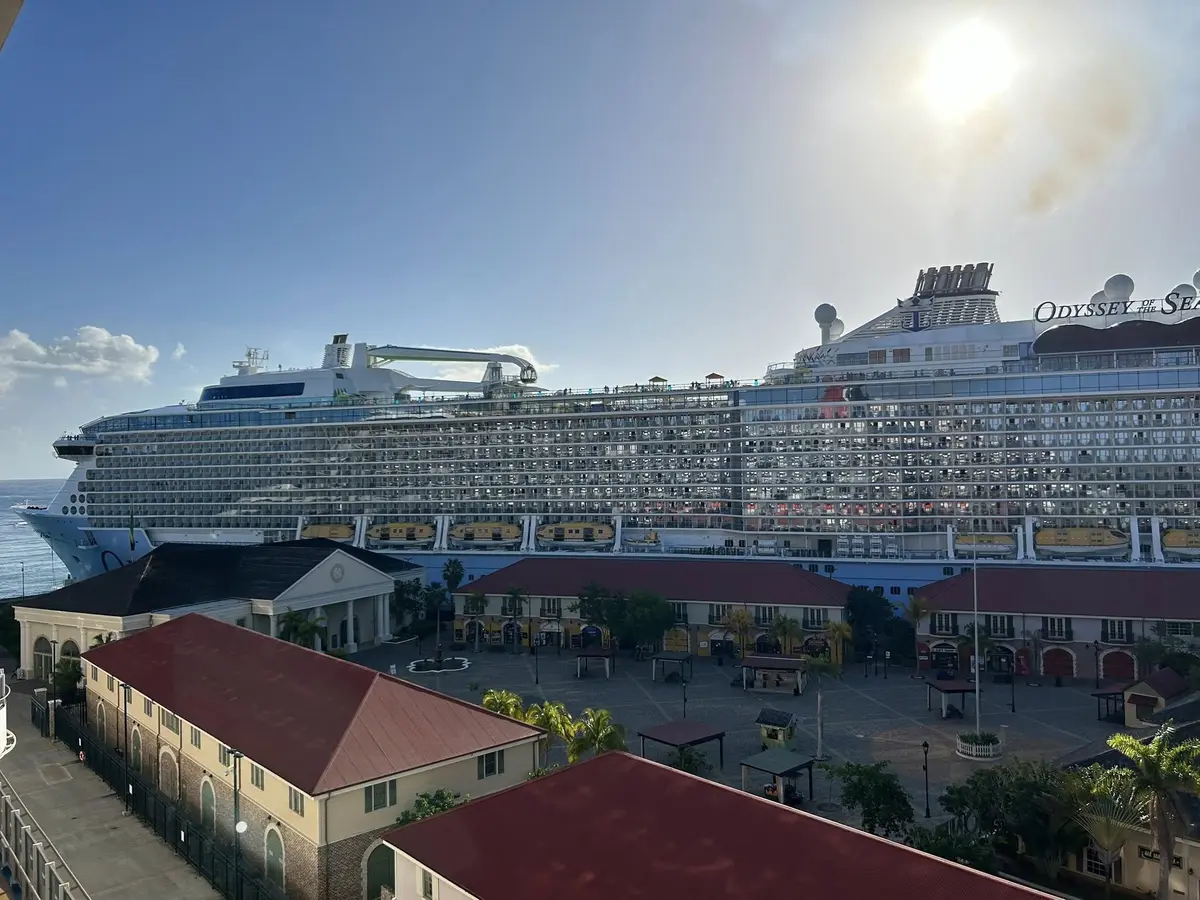
- Odyssey of the Seas (2021)
- Wonder of the Seas (2022)
- Icon of the Seas (2024)
- Utopia of the Seas (2024)
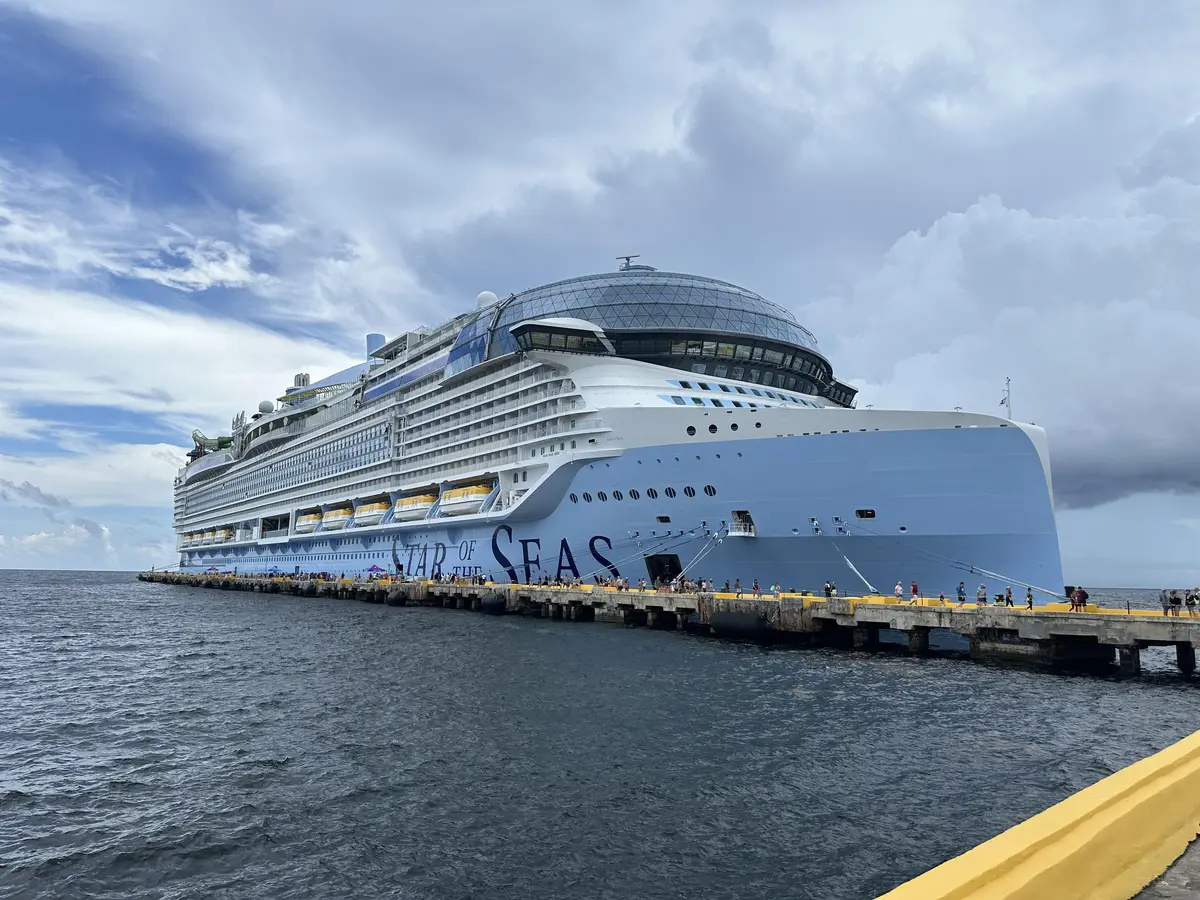
- Star of the Seas (2025)
- Legend of the Seas (2026)**
- Fourth unnamed Icon Class ship (2027)**
- Seventh unnamed Oasis Class ship (2028)**
- Fifth unnamed Icon Class ship (2028)**