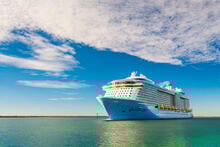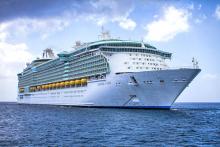

There are Royal Caribbean ships sailing around the world every day, collecting information that has nothing to do with your vacation.
While you're enjoying a cocktail by the pool or watching a Broadway show, specialized instruments mounted on the ship are measuring ocean temperatures, carbon dioxide levels, weather conditions, and other environmental data that scientists around the world use to better understand Earth's oceans.
It's all part of a program called, OceanScope, which was highlighted as part of Royal Caribbean Group's community impact report.
They've collected data across more than 3 million nautical miles over the last two decades.
Here's how your next cruise vacation may be contributing to ocean science.
What is OceanScope?
Started in 2002, this marine research endeavor is a partnership with:
- The University of Miami Rosenstiel School of Marine Atmospheric and Earth Science
- National Ocean and Atmospheric Administration (NOAA)
- the Woods Hole Oceanographic Institution
- NASA
These groups can leverage decades of open-source data to better understand what's happening in the world's oceans.
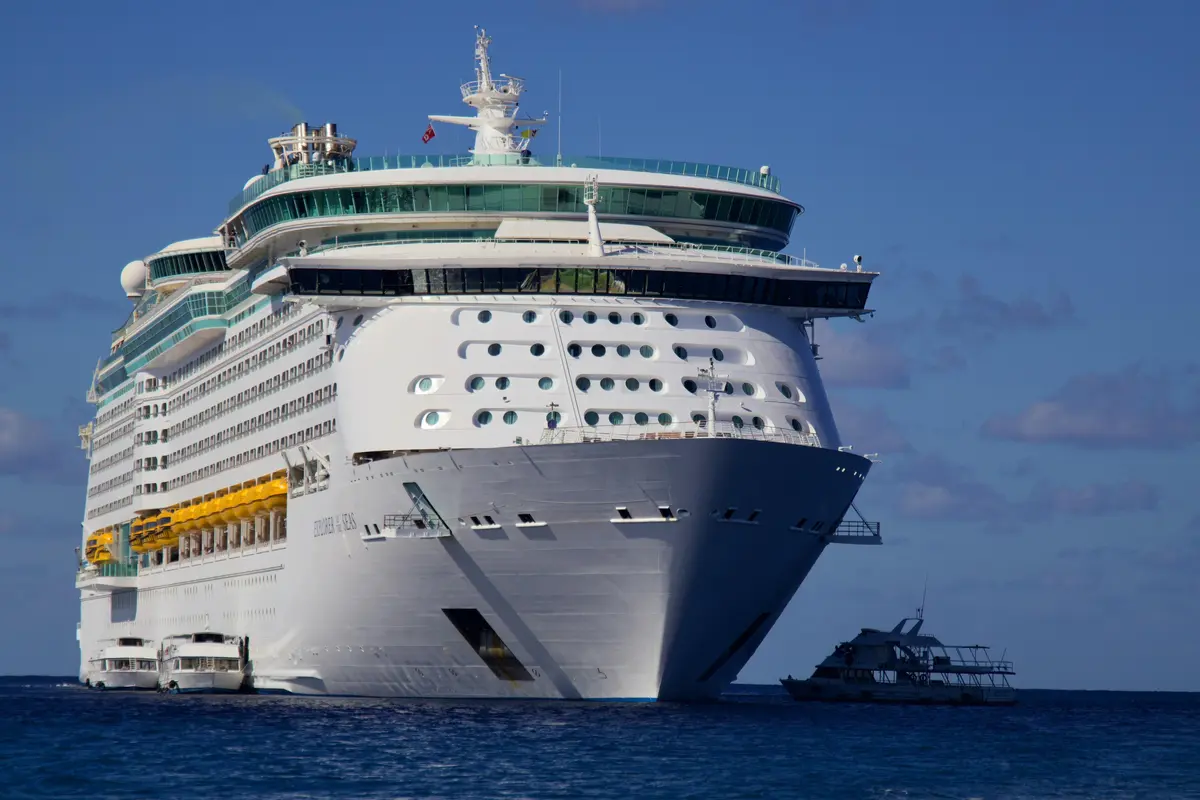
Sensors are installed aboard four Royal Caribbean Group ships. As these vessels sail around the world, they automatically collect environmental measurements.
Explorer of the Seas became the first test-bed cruise ship to be outfitted with the instrumentation.
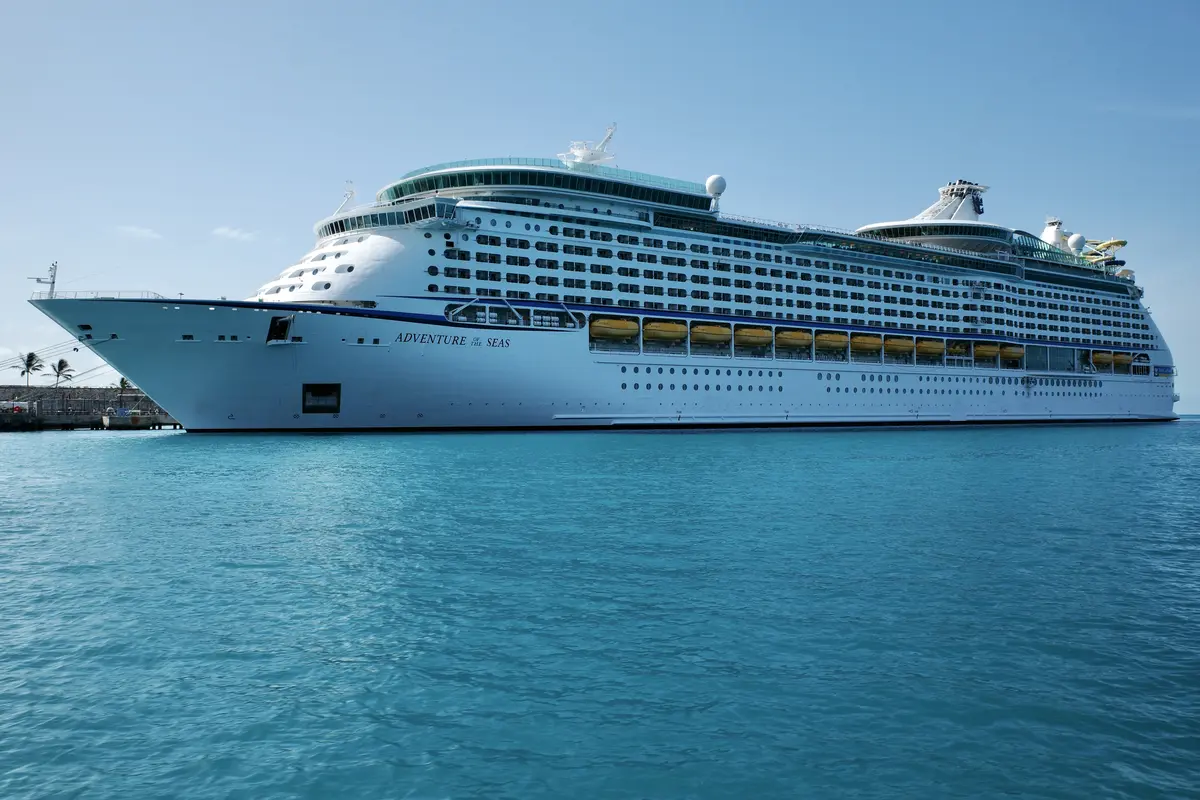
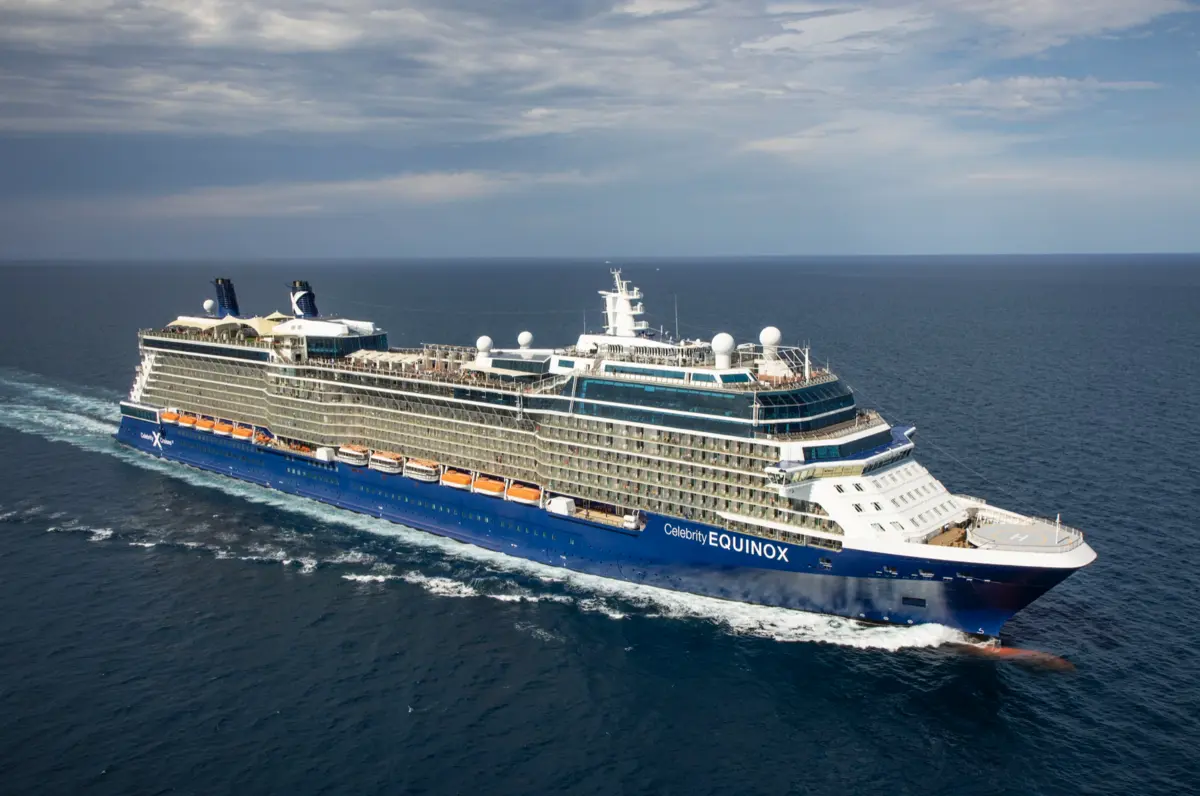
Currently, Royal Caribbean’s Allure of the Seas, Adventure of the Seas, Celebrity's Flora and Celebrity Equinox are providing real-time data to scientists as part of OceanScope. Celebrity's Flora joined the program in the summer of 2019.
The ship is essentially acting as a moving research station. The data collected is shared with researchers around the world.
Why cruise ships are perfect for this job
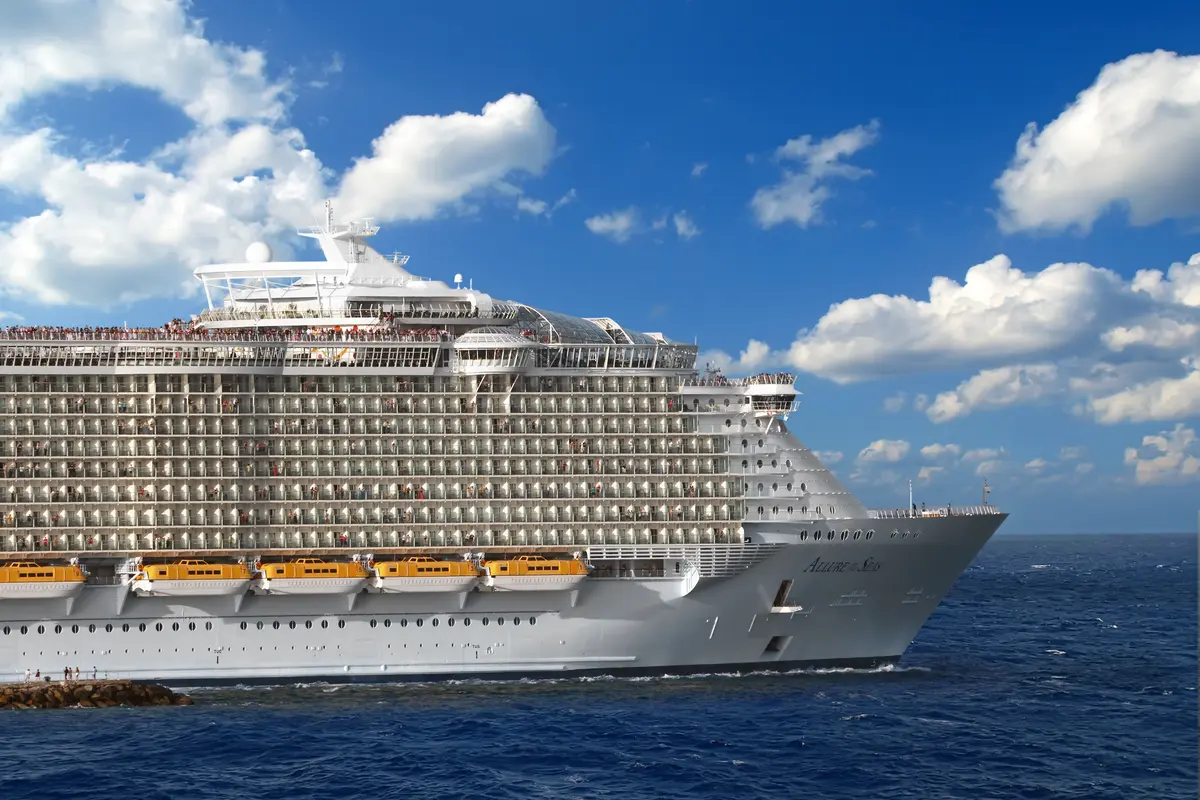
Cruise ships are the ideal research platform because of how much real-world data they have access to.
Cruise ships sail year-round, and don't take any time off between sailings. They often sail the same routes repeatedly, offering the chance to revisit and compare data.
Plus, cruise ships can visit remote areas and operate in all kinds of weather.
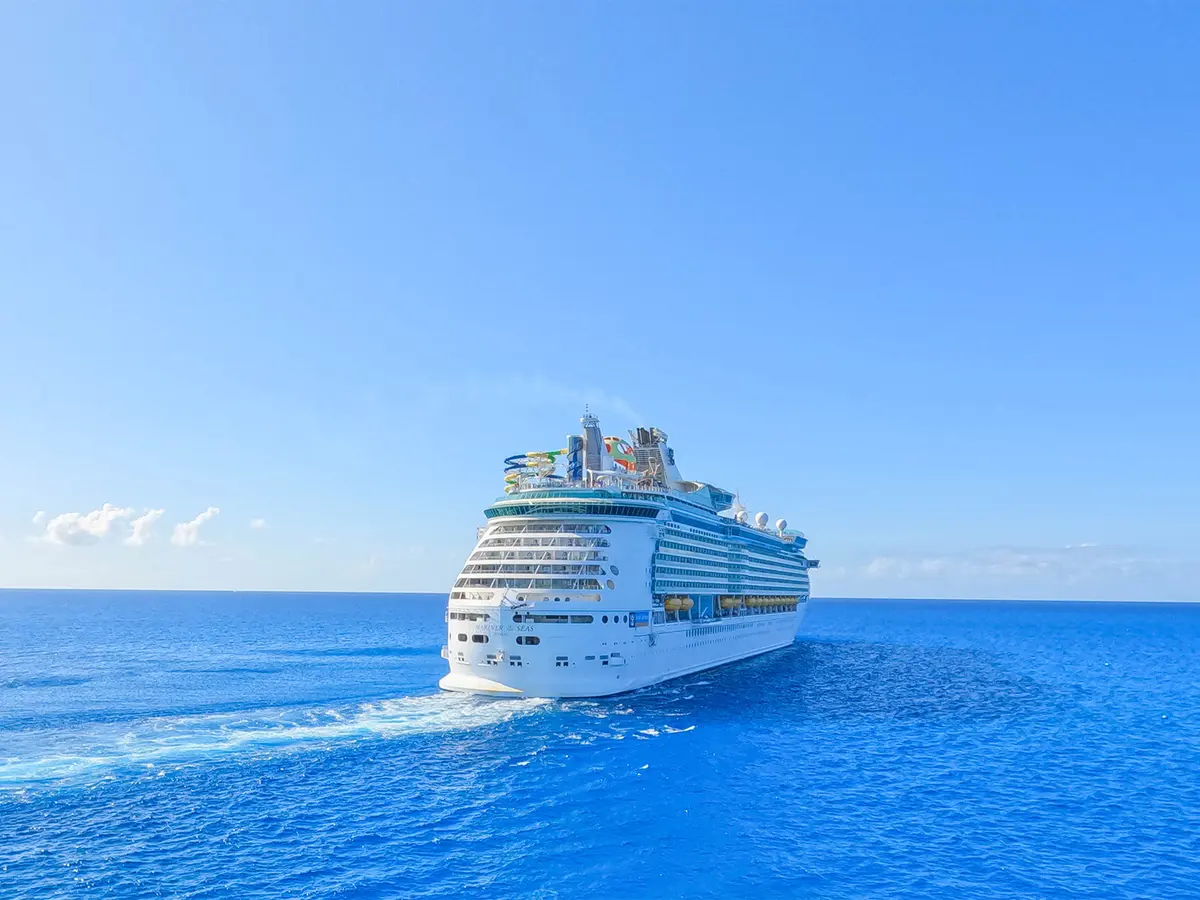
That consistency gives researchers long-term datasets that would otherwise be expensive to collect.
Dr. Peter Ortner founded OceanScope, and he says cruise ships are unique in that they can track ocean currents and weather patterns along each route.
What cruise ships measure
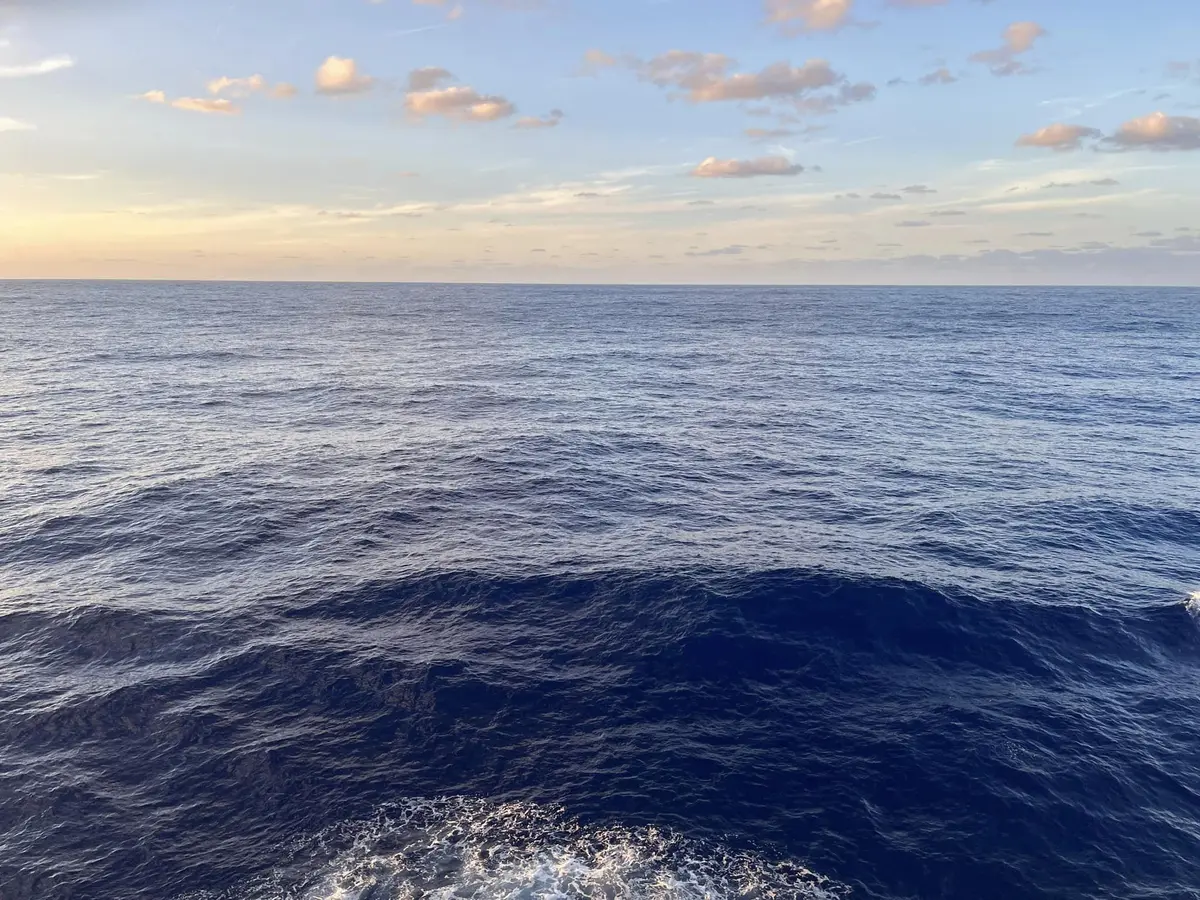
Ships equipped can track these things:
- ocean temperature
- atmospheric conditions
- ocean currents
- carbon dioxide
- weather observations
Tracking carbon dioxide in seawater helps researchers understand ocean acidification in the Caribbean.
Seminars are held on a Celebrity ship
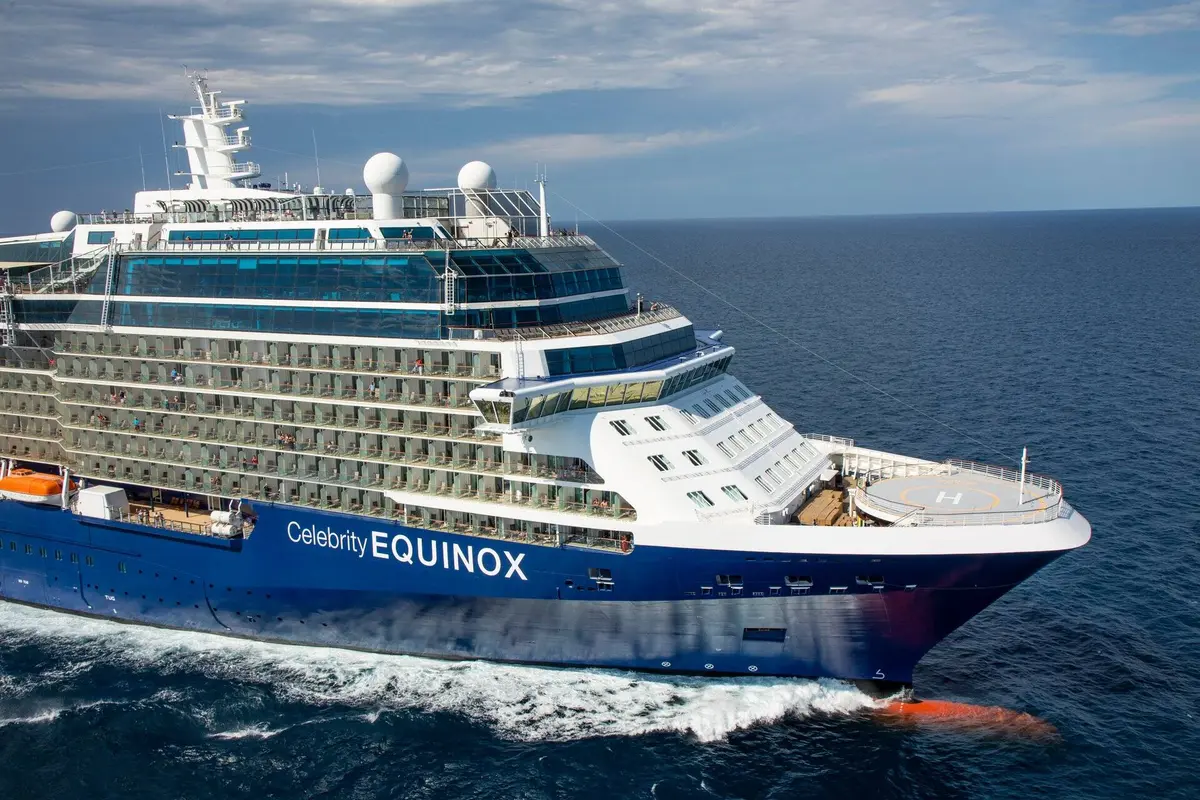
Guests on Celebrity Equinox have had the opportunity to hear about this program first-hand.
Celebrity invited OceanScope founder Dr. Peter Ortner aboard Celebrity Equinox to give presentations explaining the program.
The motivation is to help guests better understand what data is being collected, and why it's so helpful to researchers.
Part of a larger effort
I think OceanScope is an interesting and unheralded work that Royal Caribbean Group does in tandem with their vacations.
Most people on a ship are there for a fun time, not realizing the vessel may also be quietly collecting scientific information that helps researchers better understand the oceans it sails through.
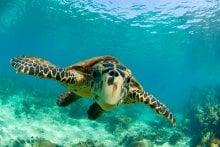
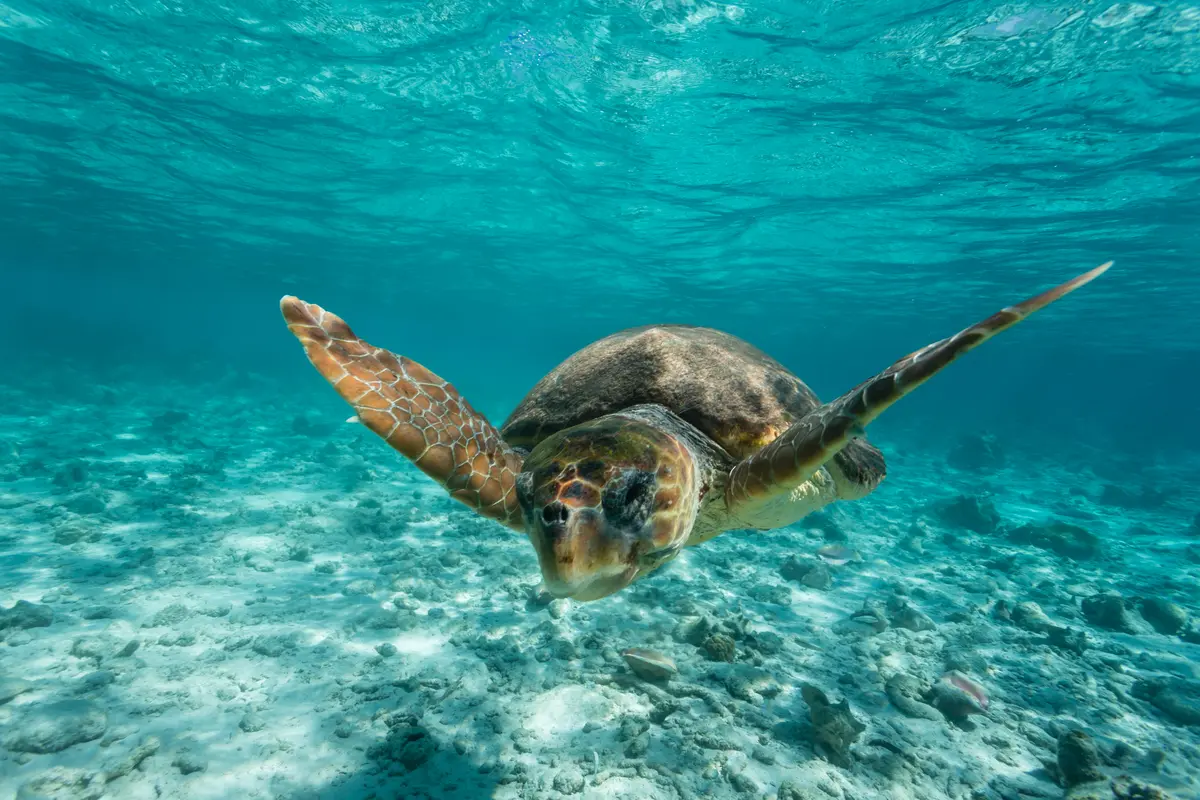
The company is doing much more to support the world's oceans, including coral restoration, sea turtle research, Galápagos conservation, beach cleanups, and more.
It's a good reminder that while cruise ships are floating resorts, they also contribute to research long after passengers have returned home.