
Days before the war in Iran reached the one-month mark, the U.S. Department of State issued a "worldwide caution" alert for American travelers.
"The Department of State advises Americans worldwide, and especially in the Middle East, to exercise increased caution. Americans abroad should follow the guidance in security alerts issued by the nearest U.S. embassy or consulate," reads the recent security alert.
"U.S. diplomatic facilities, including outside the Middle East, have been targeted. Groups supportive of Iran may target other U.S. interests overseas or locations associated with the United States and/or Americans throughout the world," the department added.
Recently, the Trump administration began considering deploying thousands of additional U.S. troops to the Middle East. Two anonymous sources told Reuters that the troops would be coming from the U.S. Army's elite 82nd Airborne Division. The soldiers are stationed at Fort Bragg, North Carolina.
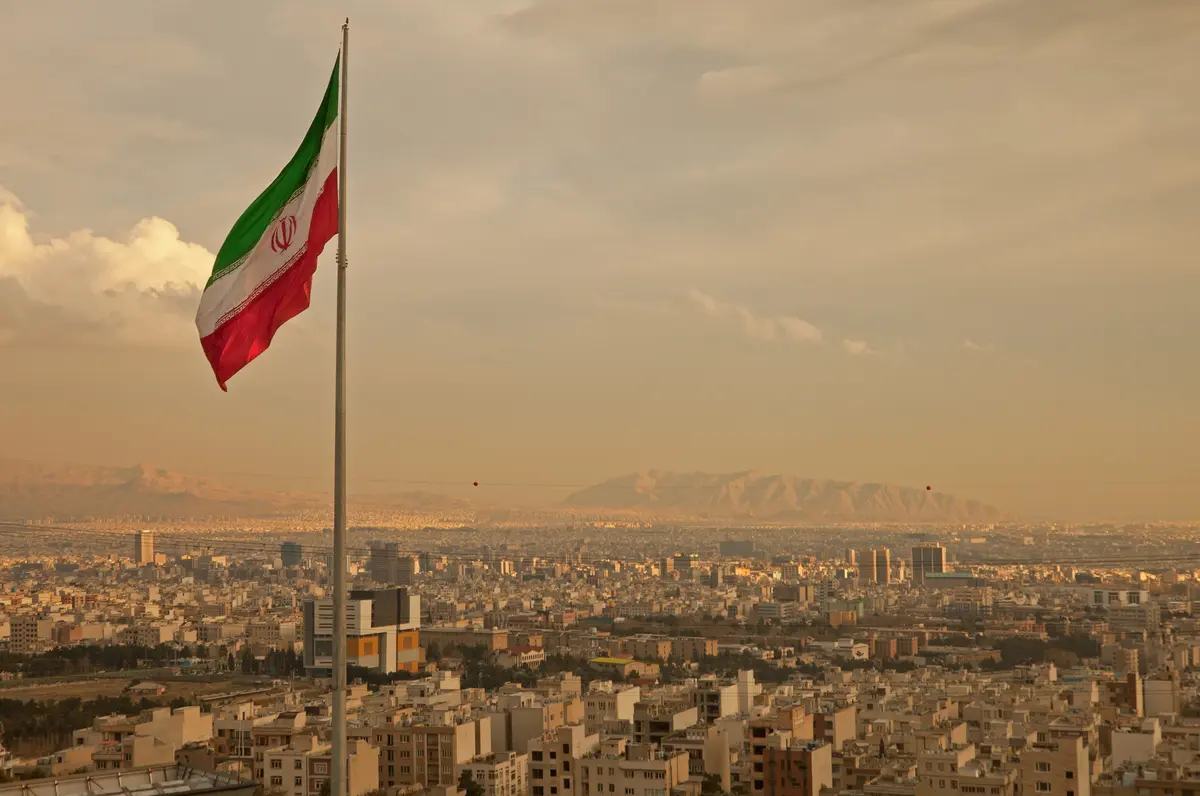
Additionally, Iran dismissed a U.S. ceasefire plan and made a counterproposal demanding reparations, as reported by NPR. These conditions include safeguards against future attacks on Iran, the payment of war reparations to the country, and full recognition of Iran's sovereignty over the Strait of Hormuz.
The situation remains very fluid, and it's important to research your destination's specific advisories before setting sail. High-risk areas are dangerous, and by visiting, you could be putting yourself at risk. There's also a chance that the U.S. will have limited ability to help in an emergency.
That said, the new alert isn't banning U.S. citizens from traveling. Rather, it urges heightened vigilance and monitoring of local conditions.
Six Cruise Ships Remain Stuck in the Arabian Gulf
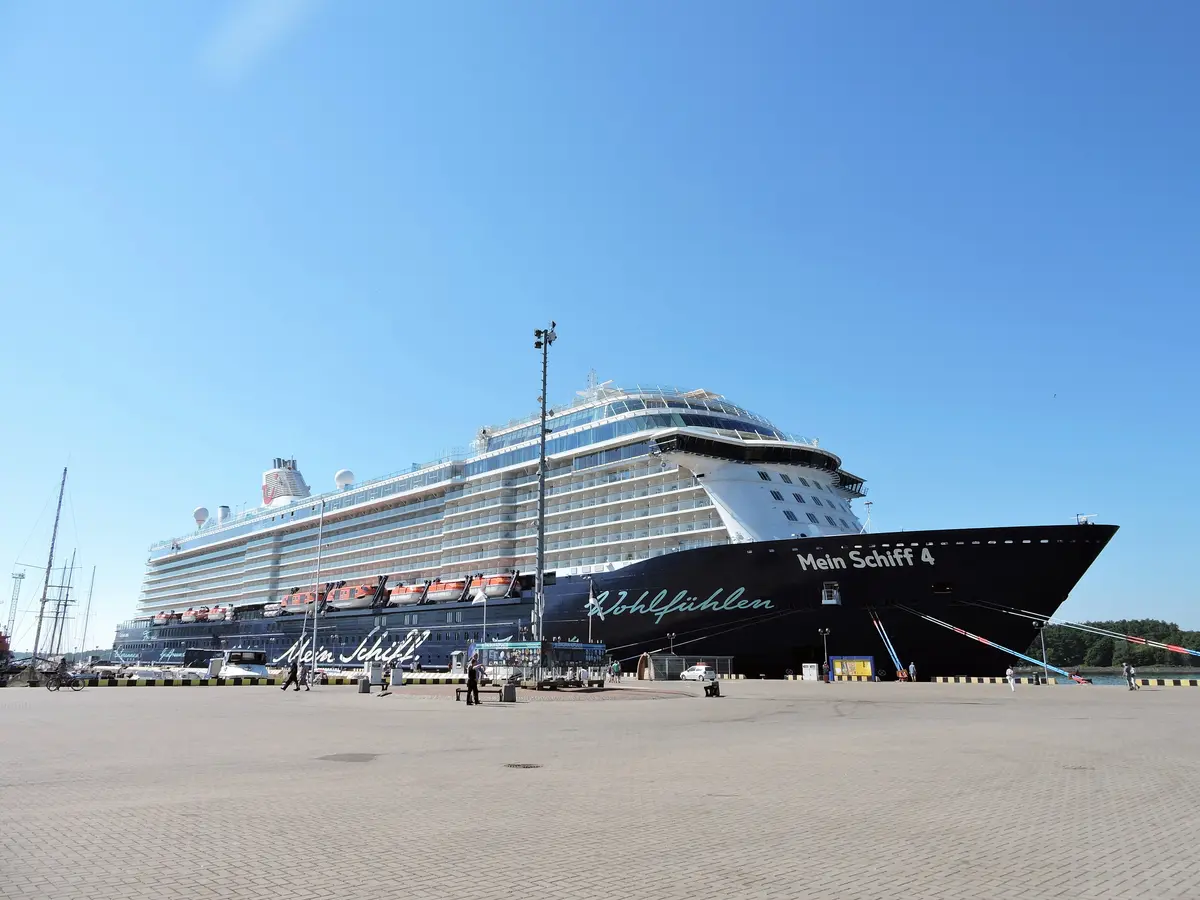
After the U.S.-Israel attacks, Iran effectively closed the Strait of Hormuz. This important waterway connects the Arabian Gulf to the rest of the world. Consequently, the closure greatly disrupted maritime traffic, including cruise itineraries.
On an average day, around 138 vessels travel through the Strait of Hormuz. However, on March 24, the Joint Maritime Information Center reported there were just four transits on March 22 and six on March 23.
"The overall maritime threat environment remains at a critical level due to recent attack patterns, continued navigation interference, and persistent operational disruption, to include port facilities, across the region," the report adds.
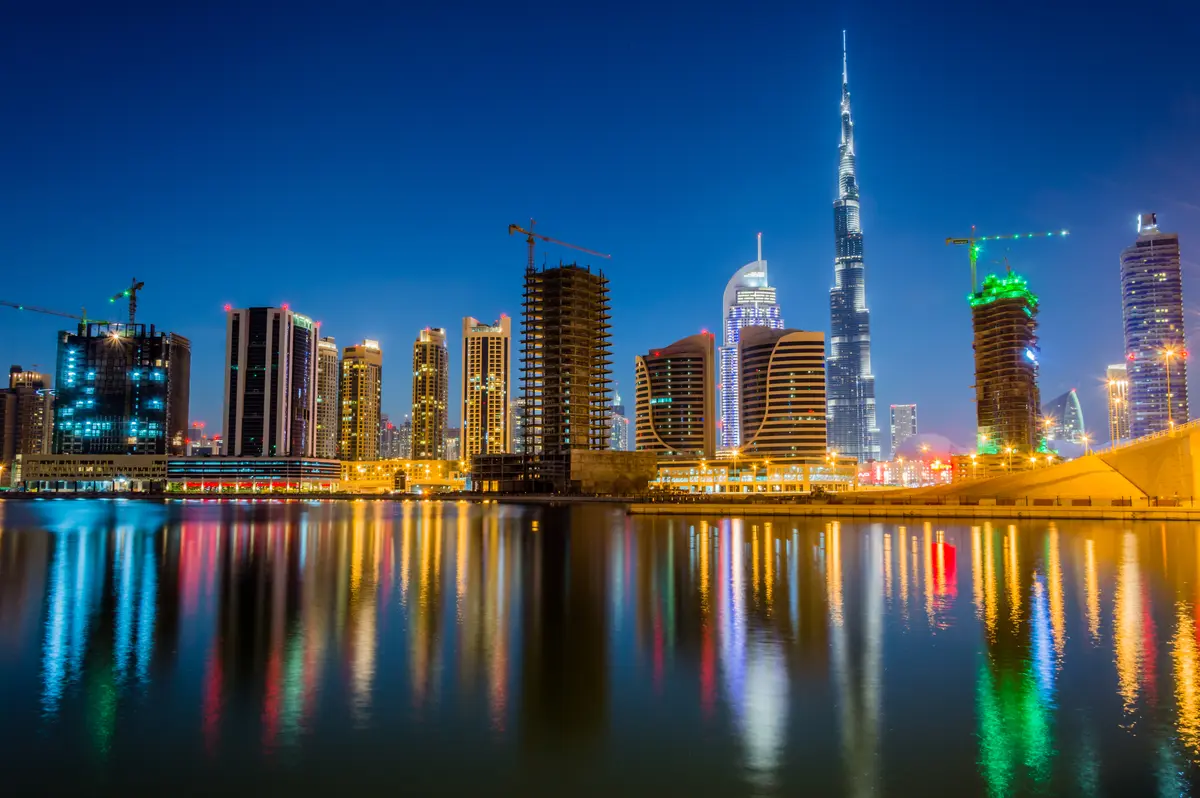
As of March 25, six cruise ships remain stuck in Gulf Arab countries due to the closure, including MSC Euribia, Mein Schiff 4, Mein Schiff 5, Celestyal Discovery, Celestyal Journey, and Aroya.
The Strait's closure has also greatly affected travel and daily life globally. For example, the Strait of Hormuz regularly sees 20% of global oil shipments. With oil tankers not being able to make their way to other ports, the price of oil has risen around the world.
Fortune reported that the cost of Brent oil, the main global oil benchmark, traded at $99.75 per barrel on March 25, 2026. One month ago, the price was just $71.49 per barrel.
Read more: Multiple Cruise Ships Remain Stuck in the Arabian Gulf