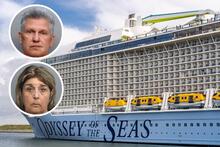

The United States and Iran reached an initial deal to end the war — and that's good news for cruise lines, including Royal Caribbean.
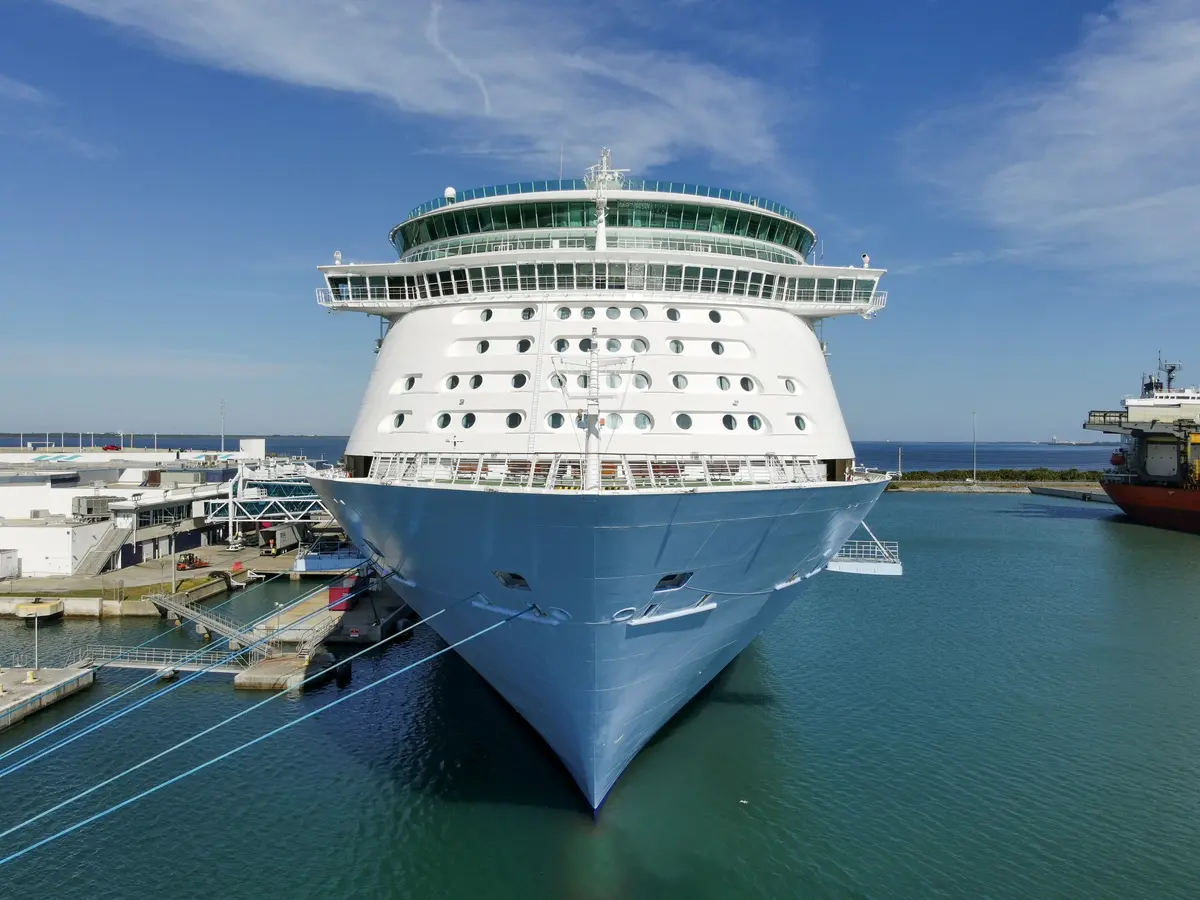
The announcement of the end of the US-Iran war announced on Sunday, and one of the ripple effects has been oil prices plummeting.
The two countries finally reached an agreement in June to extend their ongoing ceasefire and reopen the Strait of Hormuz, The Associated Press reported.
Cruise companies like Royal Caribbean Group and Carnival Corporation & plc, benefit directly when major geopolitical tensions ease. This is because lower conflict risk in shipping corridors like the Strait of Hormuz helps stabilize fuel costs and reduces the chance of once-in-a-lifetime itineraries being rerouted.
Stock markets also typically react positively to geopolitical de-escalation. According to The Associated Press, stock markets were rallying worldwide on Monday, with the Dow Jones Industrial Average up 719 points, or 1.4%, as of 12:20 p.m. EST. The Nasdaq composite was 3% higher, too.
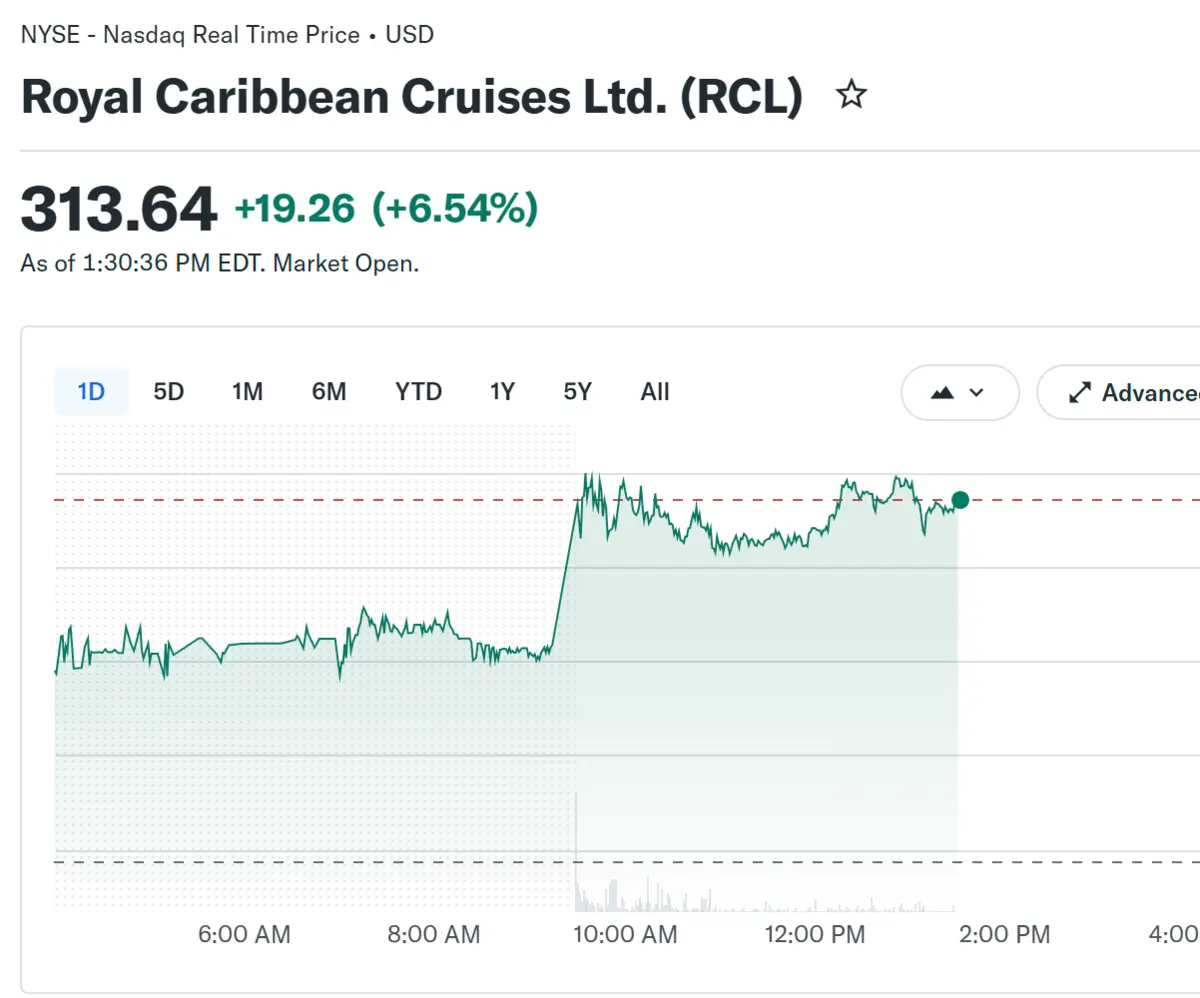
Already, Royal Caribbean Group has seen shares move higher in early trading on June 15. The 14% jump over the past five days highlights how quickly cruise stocks can rebound when there are fewer risk concerns and more optimism.
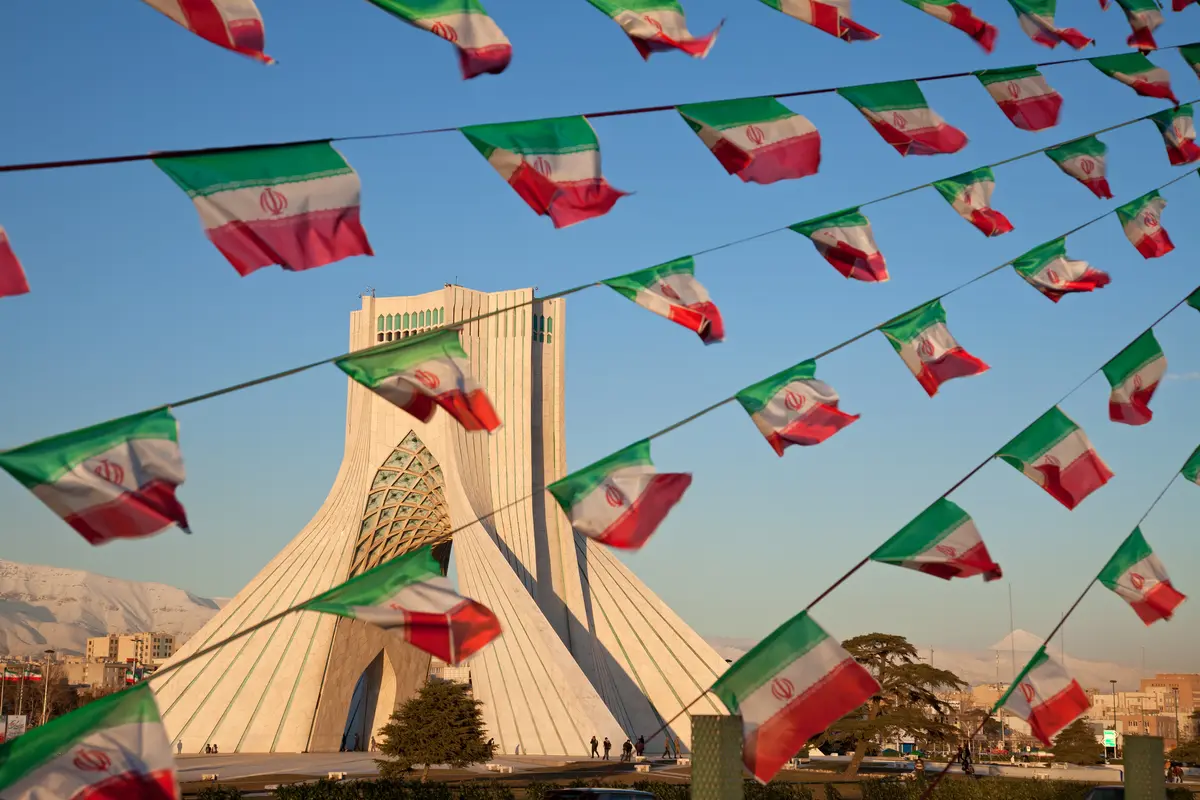
The US-Iran War began in February, when the United States and Israel began a series of sustained air and missile strikes against Iran, targeting the country's missile infrastructure, military sites, and leadership. During these strikes, Iran's Supreme Leader, Ali Khamenei, and several other high officials were killed.
The situation has been fluid since it began, with a brief ceasefire in April. The truce was violated numerous times by both sides, though. Additionally, both the U.S. and Iran had their own ideas of what the peace agreement would look like, with Iran quickly rejecting the first proposal for a 45-day two-phase ceasefire framework. Instead, they proposed their own 10-point plan.
Although the war won't end overnight, world leaders from Europe to China welcomed the agreement, despite the uncertainty surrounding key issues like Iran's nuclear weapons program.
The US-Iran deal will positively impact global oil prices
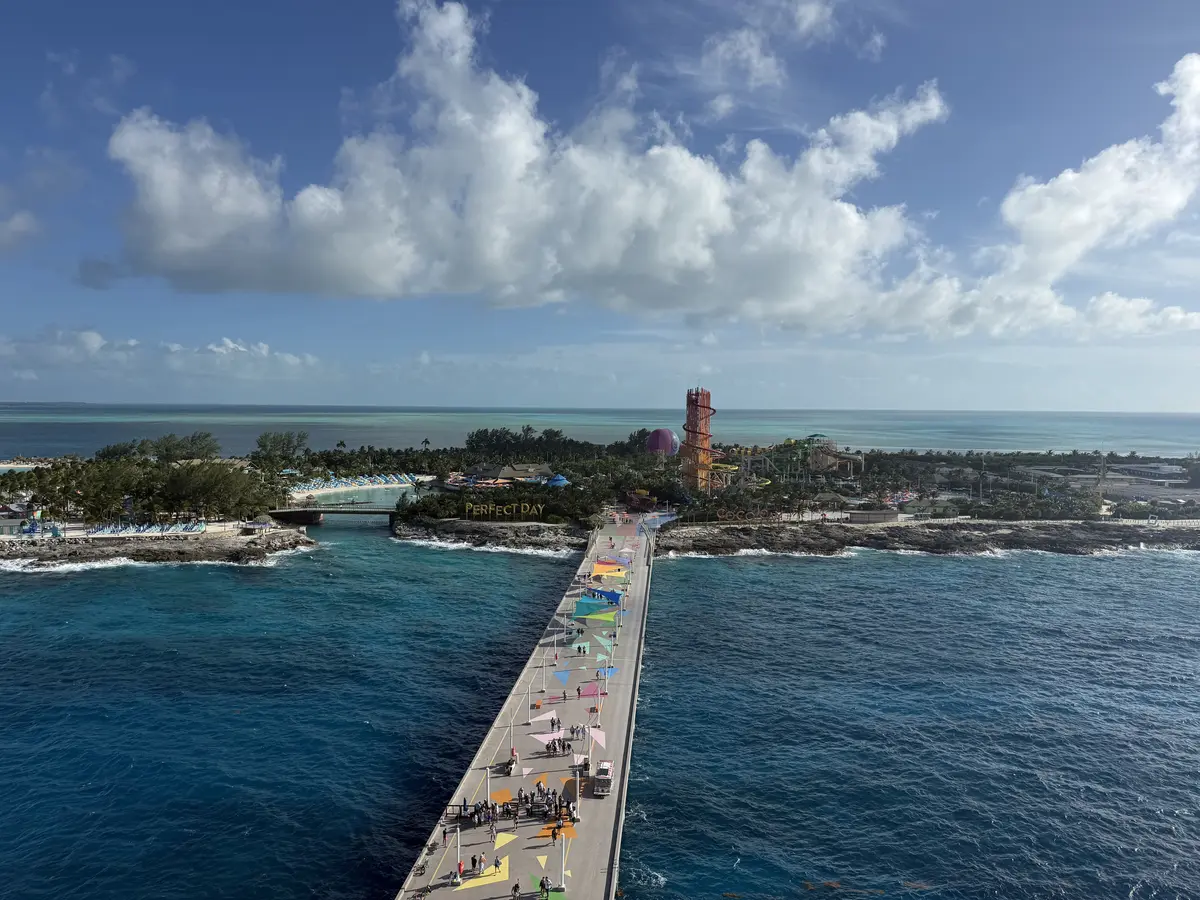
One reason the stock market is rebounding is that crude oil prices are dropping. The Associated Press said Brent crude oil fell 5.4% to $82.61, back to the same level as early March.
Although that's still higher than the price of a barrel of Brent crude oil before the war, it is lower than the $120 peak seen not too long ago.
Unsurprisingly, fuel is one of the cruise industry's largest and most volatile expenses. In Q4 2025, Royal Caribbean consumed 439,000 metric tons of fuel at $667 per metric ton, according to GuruFocus. Additionally, the company projects using 1.76 million metric tons throughout 2026, at a total cost of roughly $1.17 billion.
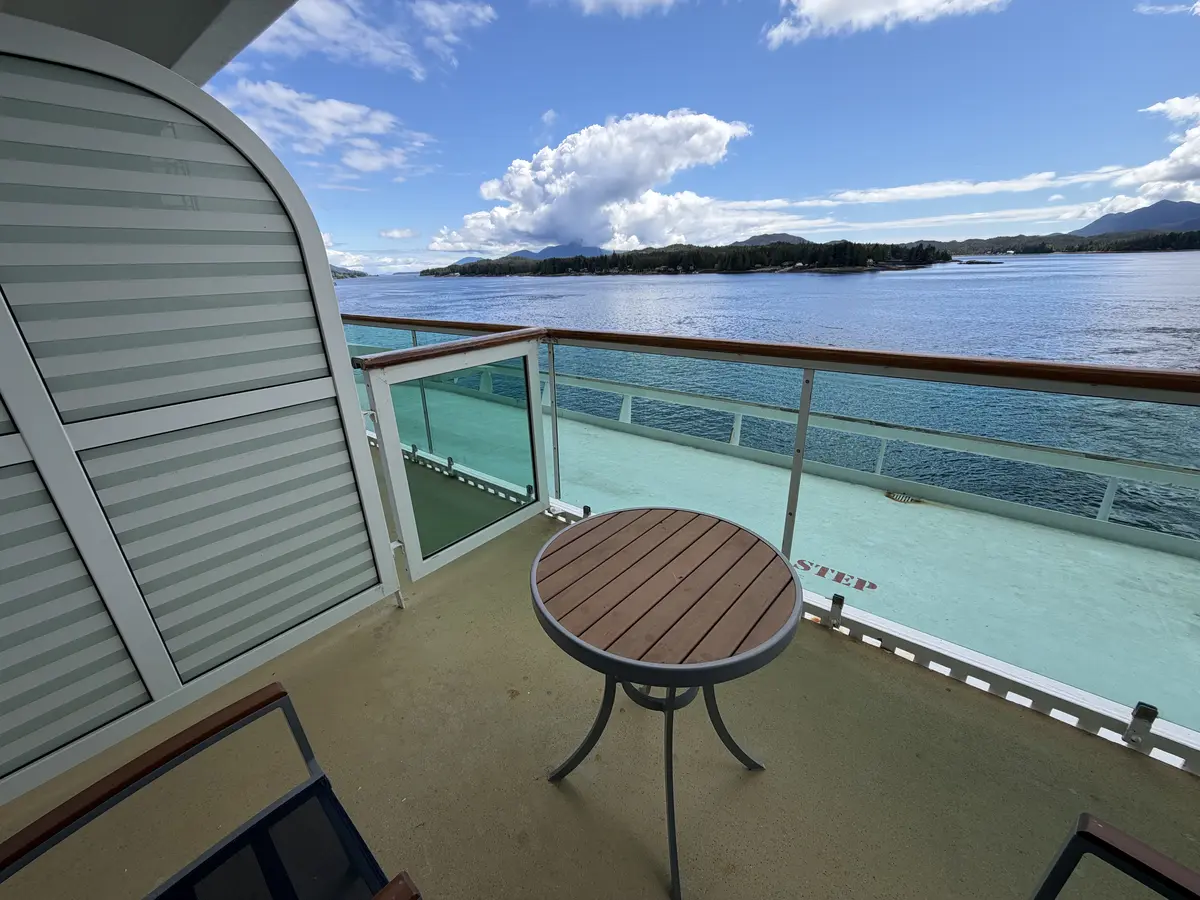
60% of Royal Caribbean's 2026 fuel was hedged (or pre-bought) at $474 per metric ton, but the remaining 40% is subject to market fluctuations. This means that moderate changes in crude prices have a meaningful impact on costs and future earnings.
The decrease in the price of a barrel of crude oil translates to lower fuel volatility, which strengthens profit forecasts for Royal Caribbean Group.
Still, the Strait of Hormuz, which carried a fifth of the world's crude oil before the war, won't open right away. As such, it will take months for the global oil crisis sparked by its closure to let up.