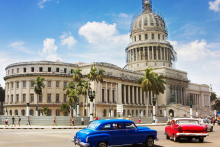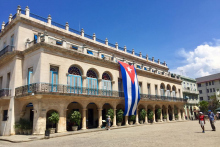

The U.S. Supreme Court delivered bad news for Royal Caribbean and other cruise lines on Thursday when it overturned a lower court decision regarding ship visits to Cuba.
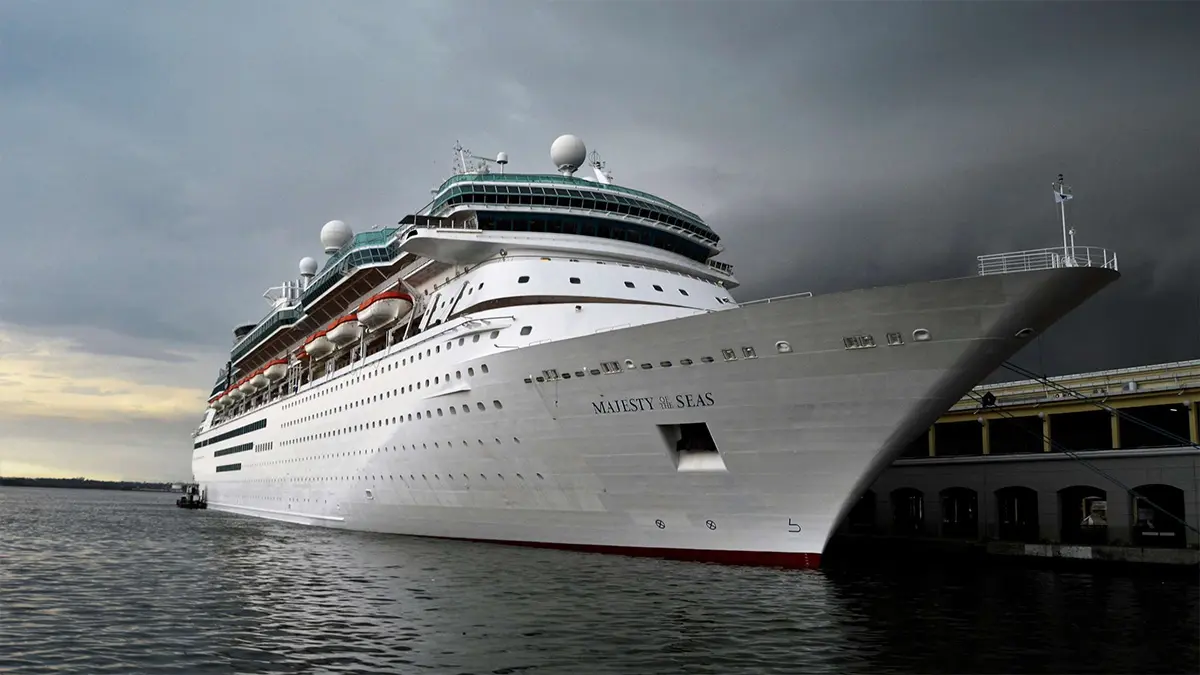
Four cruise lines are part of an ongoing litigation stemming from when the U.S. briefly allowed travel to Cuba again. This includes Carnival, Norwegian Cruise Line Holdings, Royal Caribbean Cruises and MSC Cruises.
The U.S. company that built the docks prior to the Cuban revolution in 1959 sued the cruise lines because they used confiscated property, which is against the law under the Helms-Burton Act. This law allows U.S. nationals who owned property in Cuba to sue anyone who "traffics in property which was confiscated by the Cuban Government on or after January 1, 1959."
A lower court sided with the cruise lines, but the Supreme Court has set aside that decision.
Now, there are hundreds of millions of dollars at stake with the lawsuit re-opened.
Why the cruise lines are being sued
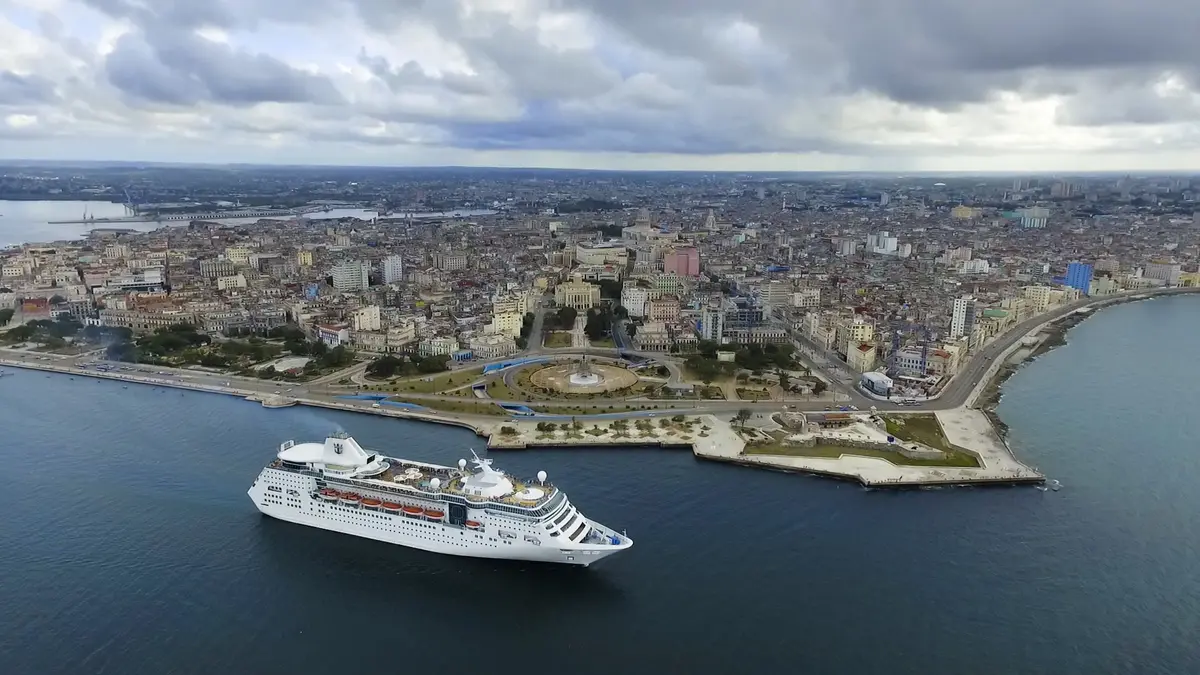
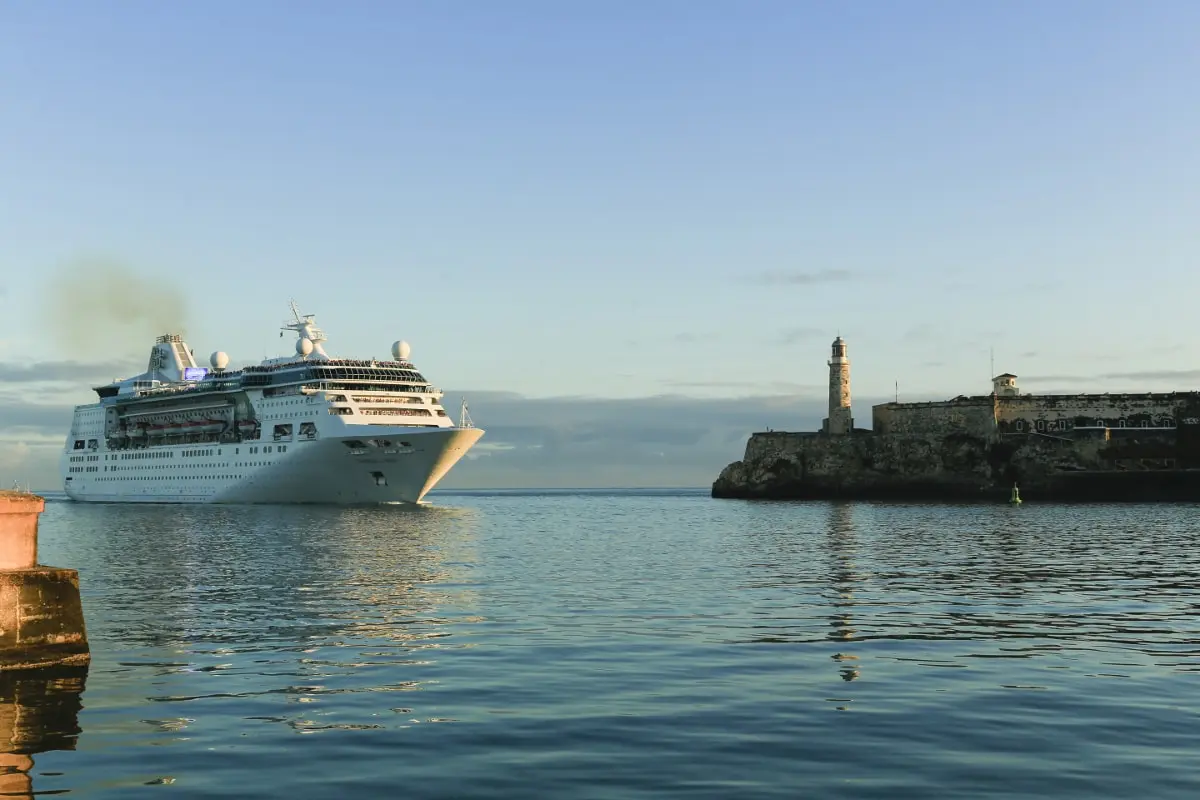
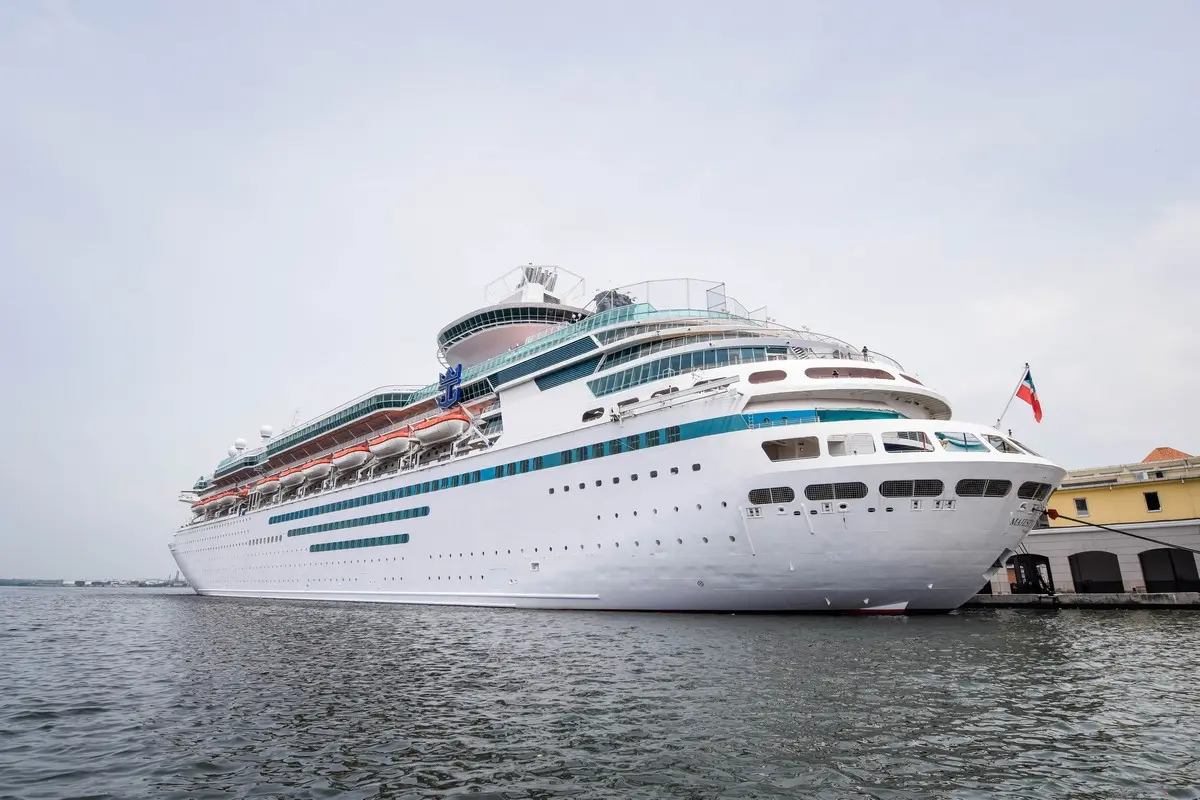
Cruise lines, like Royal Caribbean, briefly resumed cruises to Cuba when the U.S. government opened up travel to the Communist country.
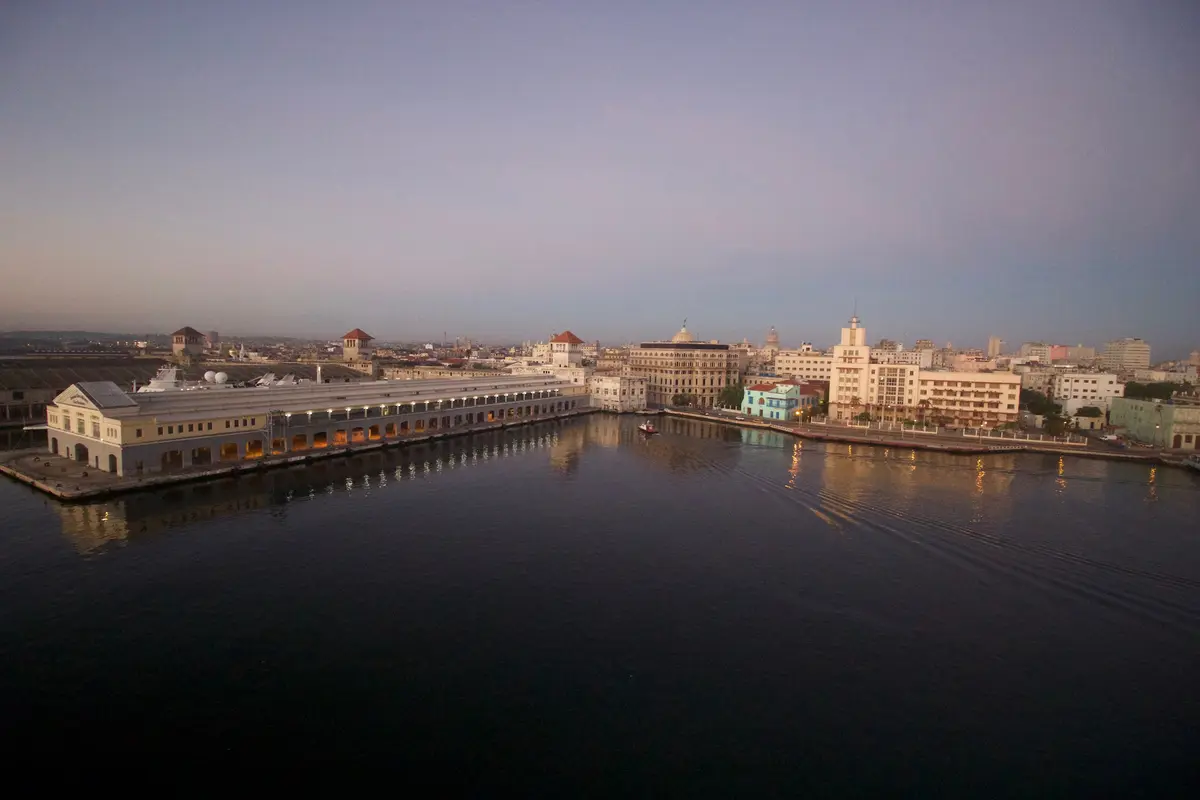
Those ships all docked and used the terminal at the Havana Docks, which was built in 1905.
When Fidel Castro came to power, he nationalized and expropriated property held by U.S. companies including Havana Docks. They had previous had a 99-year concession for the construction and operation of piers at the port of Havana, granted in 1934 by Cuba's government.
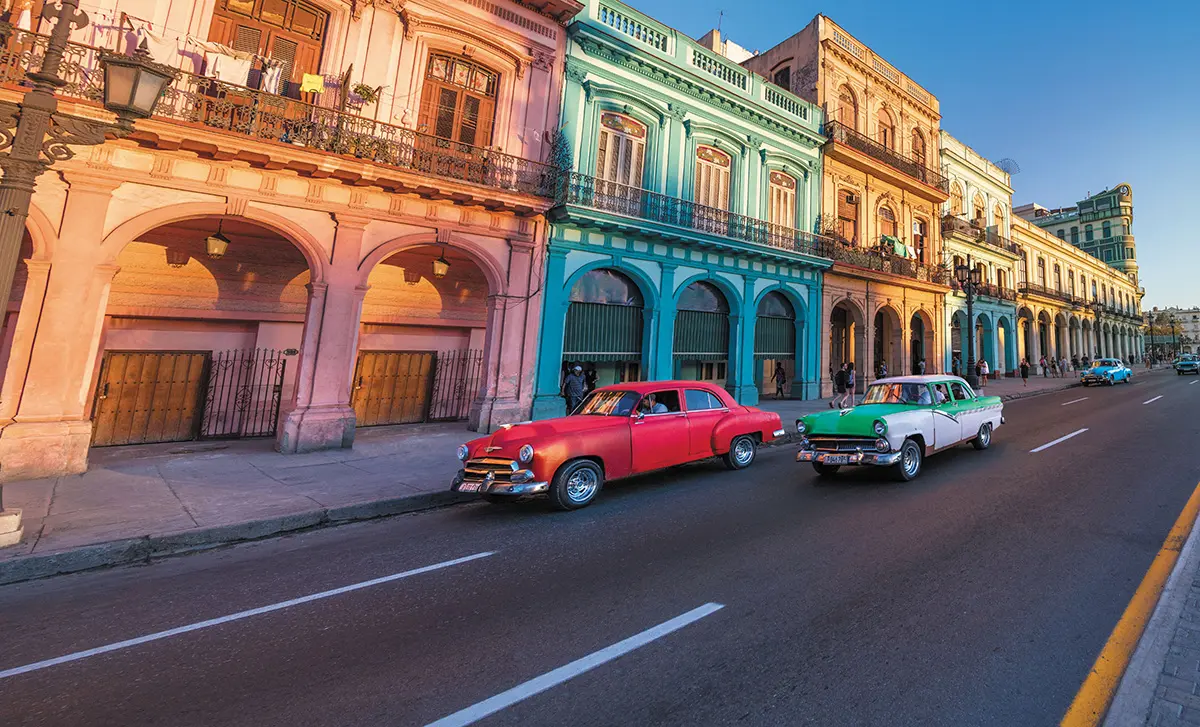
The company was never paid anything by Cuba for the docks. As a result, the Helms-Burton Act gives companies an option to seek restitution.
The act allows companies to sue both the Cuban government and private companies that do business in Cuba.
The four cruise lines visited Cuba between 2016 to 2019 before travel to the island was once again restricted.
The law had been suspended for years by Presidents on both sides of the aisle as a way to avoid disputes with allies and businesses operating inside the Caribbean island. President Donald Trump re-activated the law during his first term.
Court rules against cruise lines
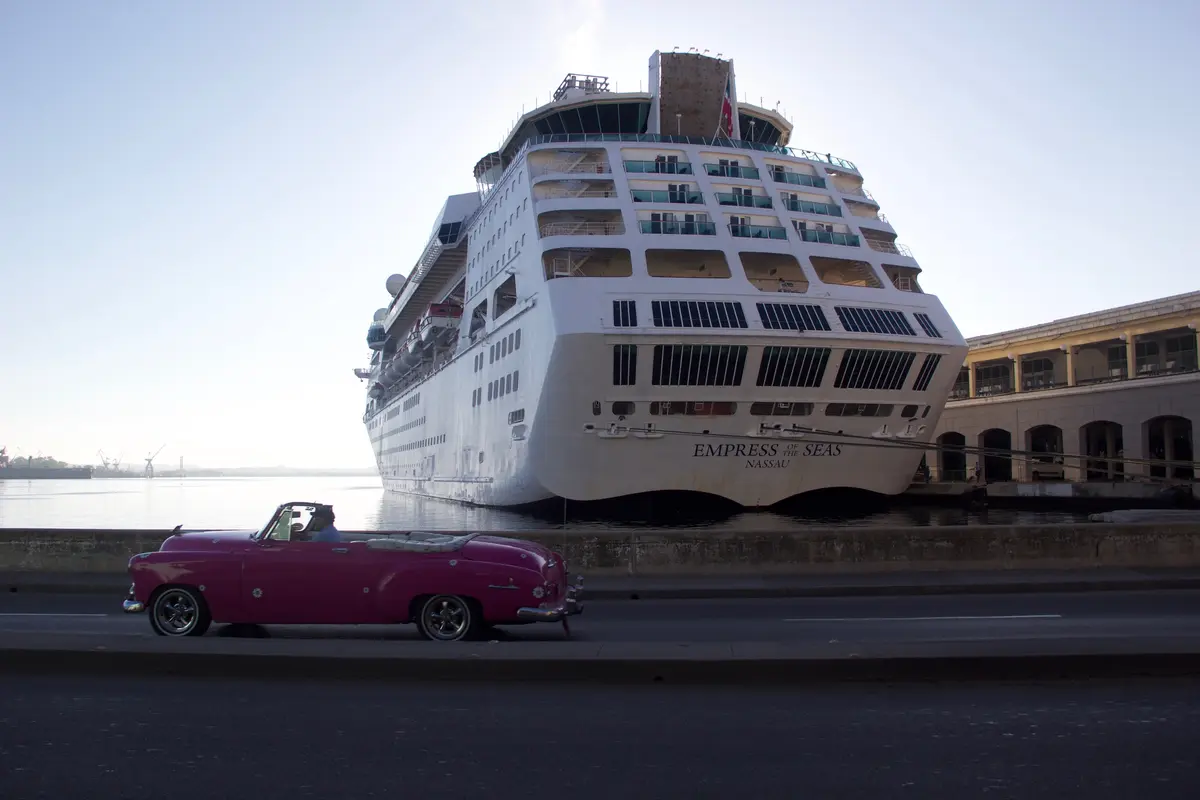
In 2022, a federal judge imposed judgements against each of the four cruise lines of more than $100 million because they had engaged in trafficking by having their ships dock at the terminal.
The Atlanta-based 11th U.S. Circuit Court of Appeals threw out those judgments last year because the concession given to Havana Docks would have technically expired in 2004, more than a decade before the cruise ships made a visit there.
The 11th Circuit wrote at the time, "When that concession expired in 2004, any property interest that Havana Docks had by virtue of that concession ended."
The Supreme Court heard arguments in the case in February. On Thursday, the Supreme Court set aside that decision in a 8-1 ruling.
Justice Clarence Thomas wrote the majority opinion. Justice Elena Kagan was the only justice to dissent.
"Havana Docks has shown that the cruise lines used confiscated property in which Havana Docks had a property interest and to which it owns a claim,” Justice Clarence Thomas wrote.
To be clear, the Supreme Court's decision doesn't decide the case. Rather, it allows the lawsuit to go forward once again.
In a joint court filing, the companies said it defies common sense that they "should pay hundreds of millions of dollars for following the executive branch's lead in reopening travel to Cuba."