
Royal Caribbean has proposed a new floating dry dock in a Central American country.
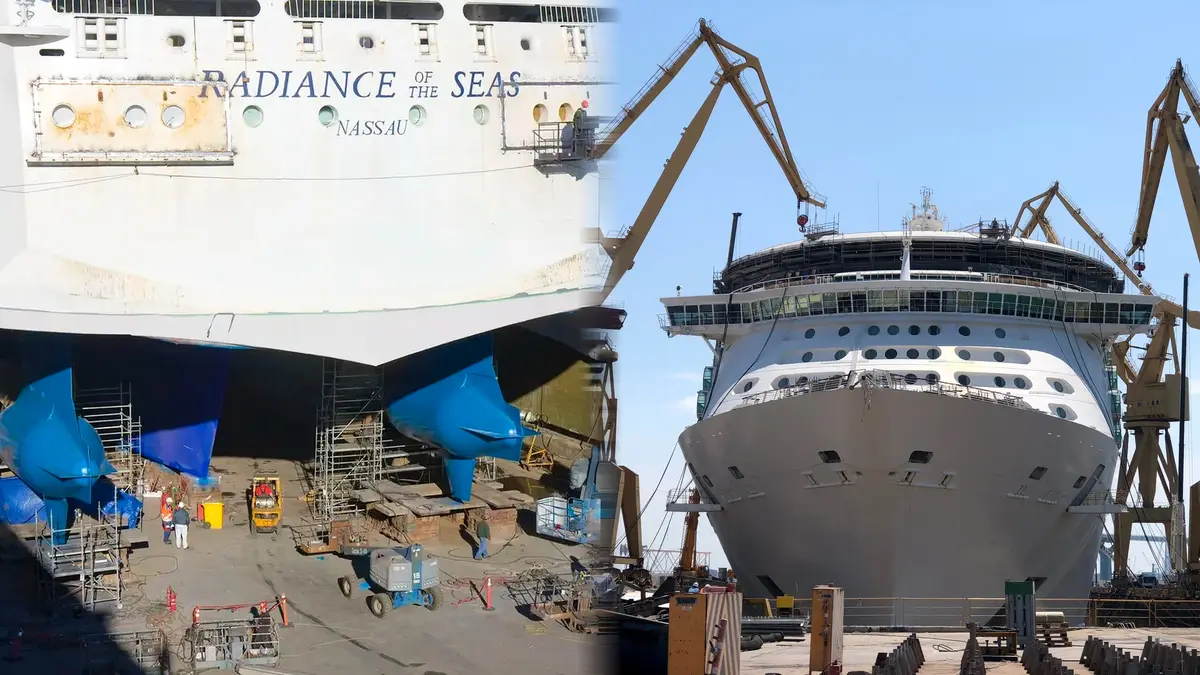
On Wednesday, Royal Caribbean Group officials met with José Raúl Mulino, Panama's President, to talk about constructing a floating dry dock on the country's Pacific coast, as first reported by Seatrade Cruise News.
According to the proposal, the floating dock would be large enough to service large vessels and serve as an alternative to dry docks in Asia and North America that are either too busy or not large enough to accommodate massive mega-ships.
Not only that, but the 130,000-ton, 1,312-foot dock would also be equipped to handle container ships and other specialized vessels.
During the meeting, Royal Caribbean officials presented the planned services and the project’s development phases scheduled from 2026 through 2031, adding that the project could generate anywhere from 500 to 800 jobs.
Plans highlighted a low-carbon and resilient industrial platform, responsible wastewater management, and adherence to international safety and environmental standards.
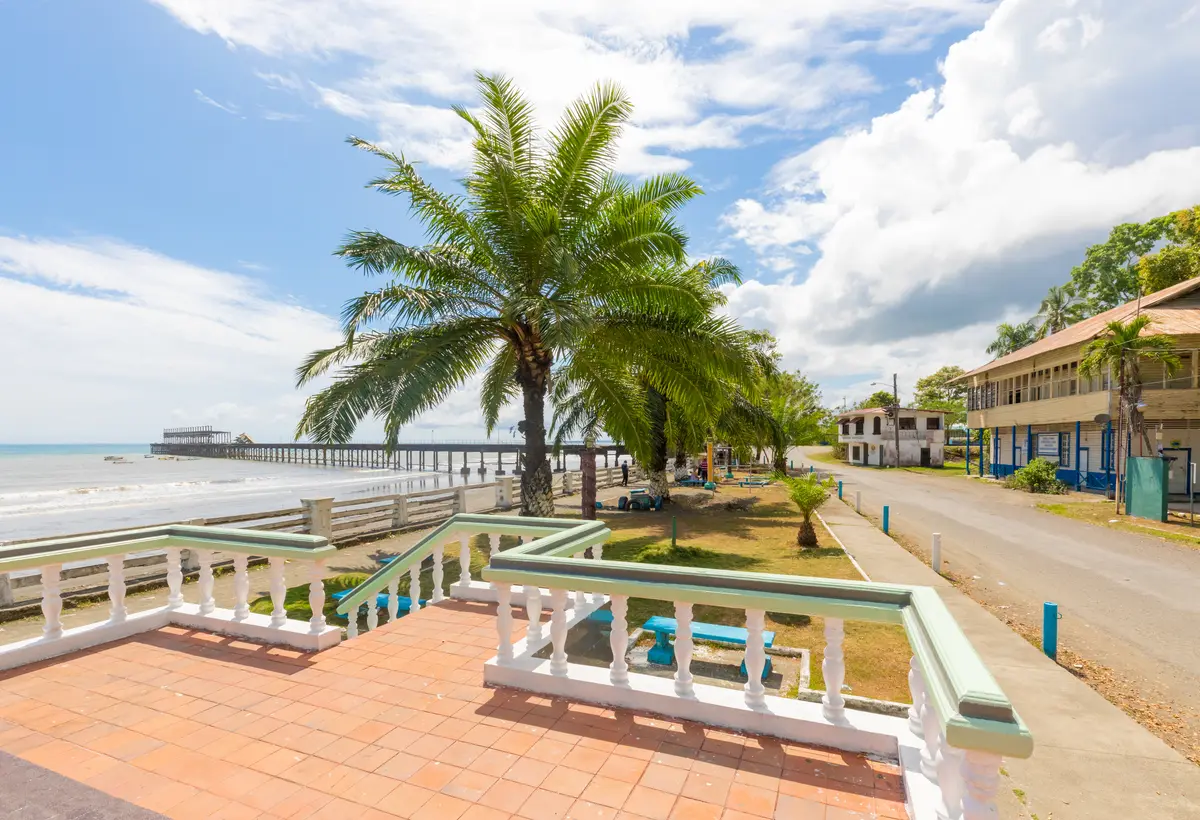
The proposed facility would be located in Chiriquí Province on the Pacific coast of Panama, specifically in the Punta Piedra area of Puerto Armuelles.
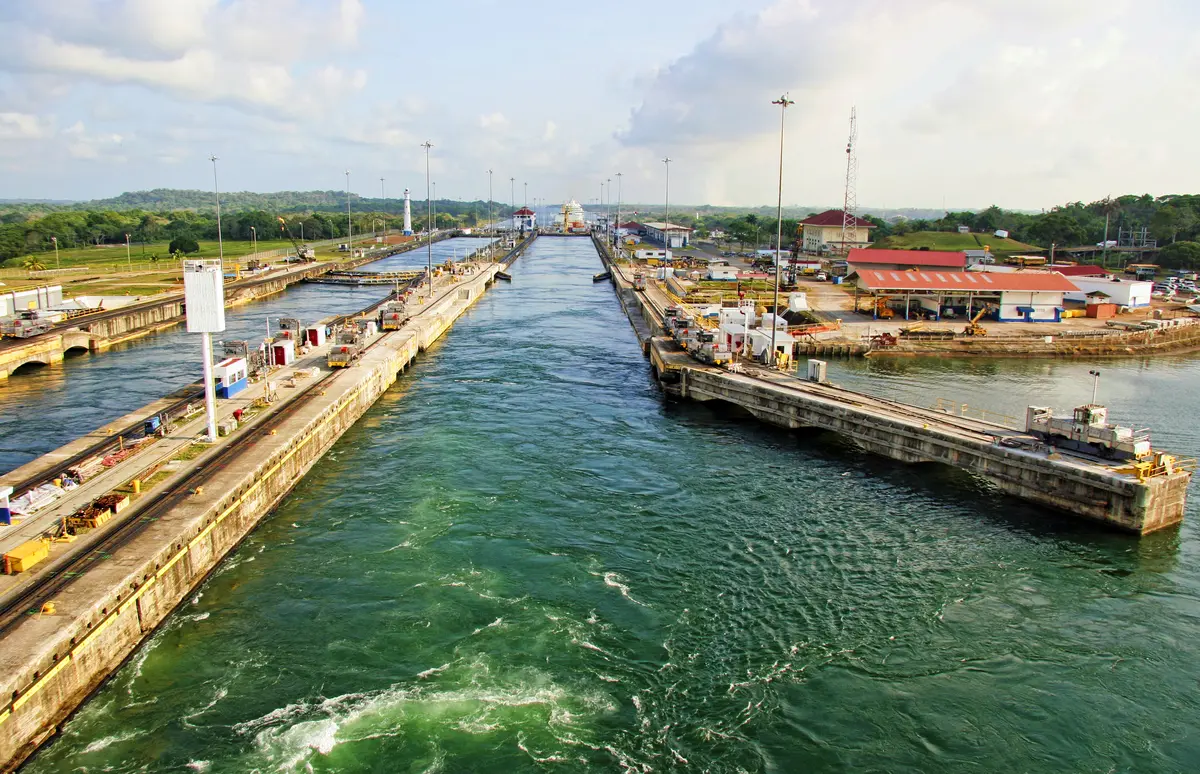
The location near one of the world's busiest maritime corridors could make the floating dry dock a strategic service point for cruise ships, container vessels, and other large ships.
Panama's president supports the dry dock, claiming that it would enhance the country's importance as a maritime hub and generate skilled jobs in an area that's been neglected for years.
The meeting was attended by representatives from Royal Caribbean Group, as well as Panamanian government officials and local authorities, including Luis Roquebert, administrator of the Panama Maritime Authority; Royal Caribbean Group's Josh Carroll, SVP of deployment; and Andre Pousada, regional VP of government relations.
Royal Caribbean has been building up its North American shipyard presence for a while
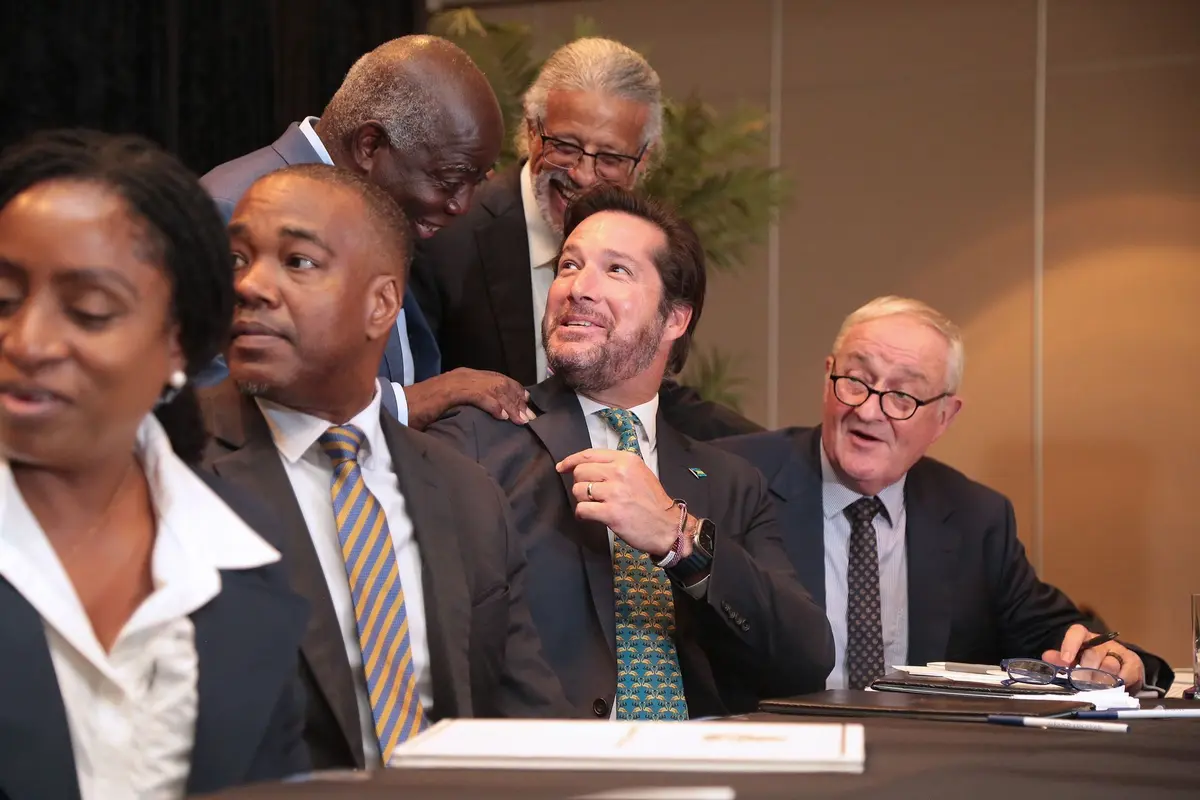
In 2000, Royal Caribbean Group, along with Carnival Corporation & plc and the Grand Bahama Port Authority, founded the Grand Bahama Shipyard.
For more than two decades, the facility has been a leading destination for cruise ship dry docks, refits, and revitalizations, with Royal Caribbean maintaining a 40% ownership stake.
Under a 2024 agreement, the Bahamian government and the Grand Bahama Shipyard approved a $600 million project aimed at transforming the shipyard and turning it into the largest cruise ship repair facility in the world.
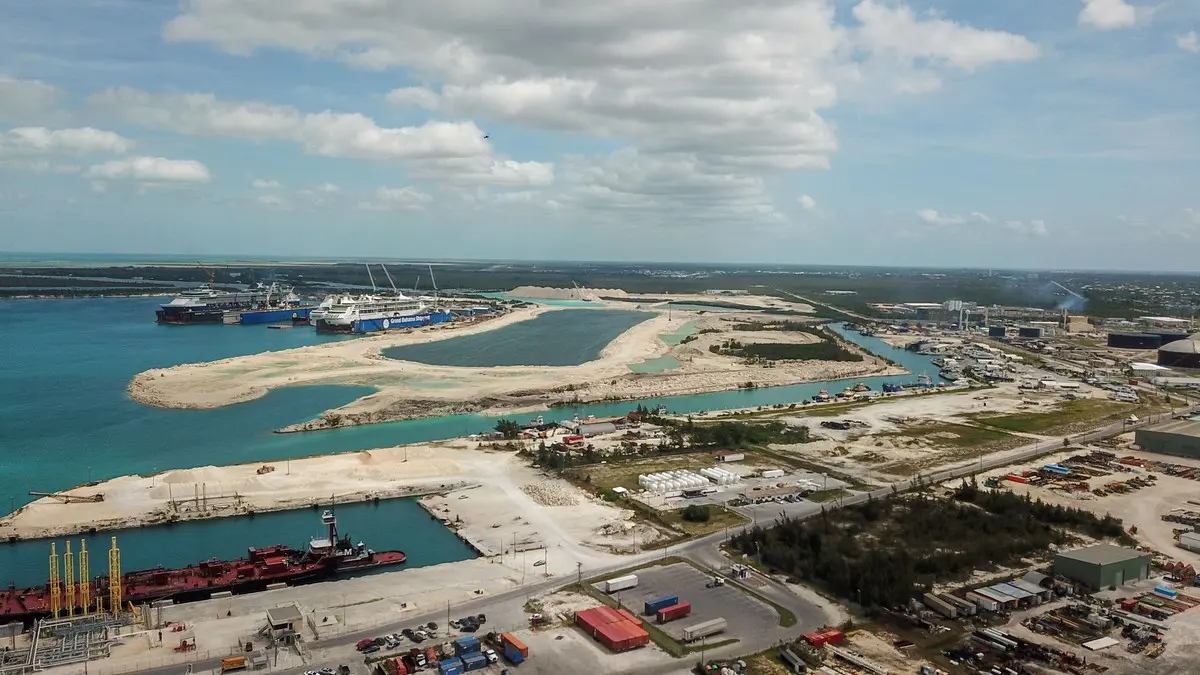
The upgrades will feature the world’s two largest floating dry docks, while also creating hundreds of jobs and an apprenticeship program.
In November 2025, the first of the two floating dry docks, called "East End," was delivered to the Freeport shipyard, as reported by The Nassau Guardian. The floating dry dock can lift 93,000 tons and measures roughly 1,172 feet in length and 229 feet in beam.
"The arrival of East End greatly enhances cruise docking and retrofit capability and expands our commercial docking capacity," said Chris Earl, CEO of Grand Bahama Shipyard Limited.

"The transformation of Grand Bahama Shipyard represents a huge opportunity to create a world-class ship repair ecosystem here in The Bahamas, and we look forward to working with the community to make this significant investment a success."
Read more: Bahamas strikes $600M Deal: Inside the massive shipyard transformation set to dominate cruise repair
What happens during a cruise ship dry dock?
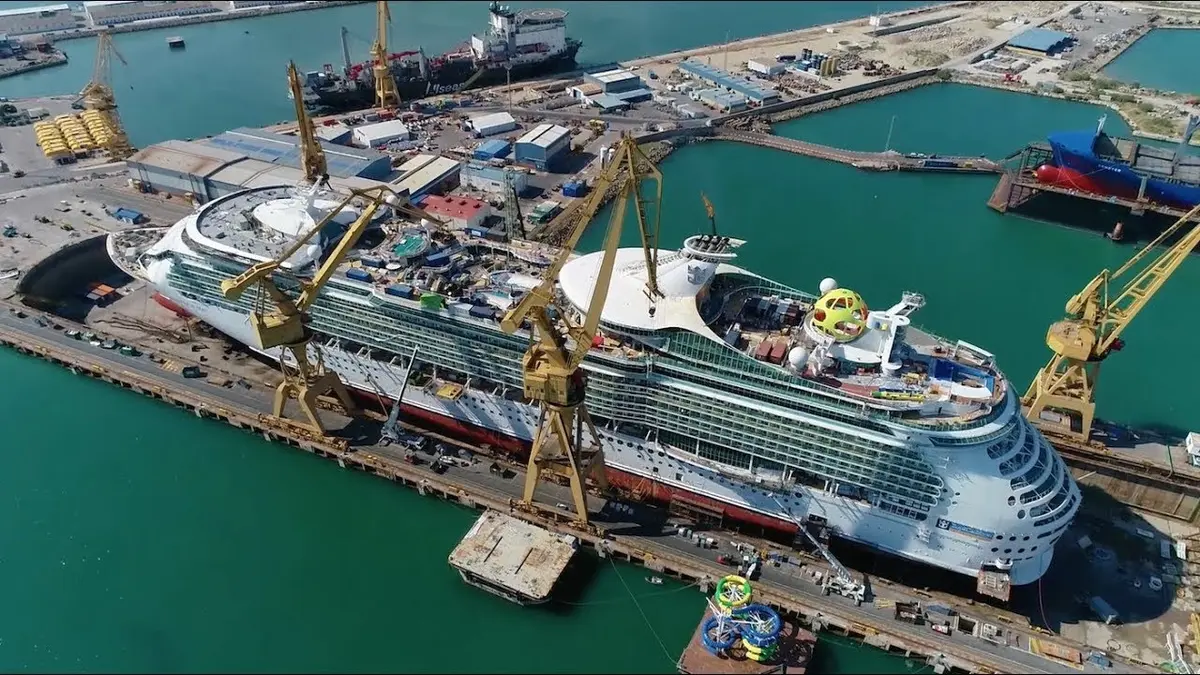
Dry dock is another term for scheduled ship maintenance, during which a vessel is taken out of service so that inspections, repairs, and upgrades can be completed that cannot be done while the ship is in the water.
Typically, cruise ships undergo a routine dry dock every five years, though vessels may be pulled from service to fix sudden mechanical issues that cannot be safely repaired when the ship is operating.
The ship is moved into a specially designed dock where the water is drained, providing easy access to the hull and other underwater components, such as the propellers, thrusters, and rudders.
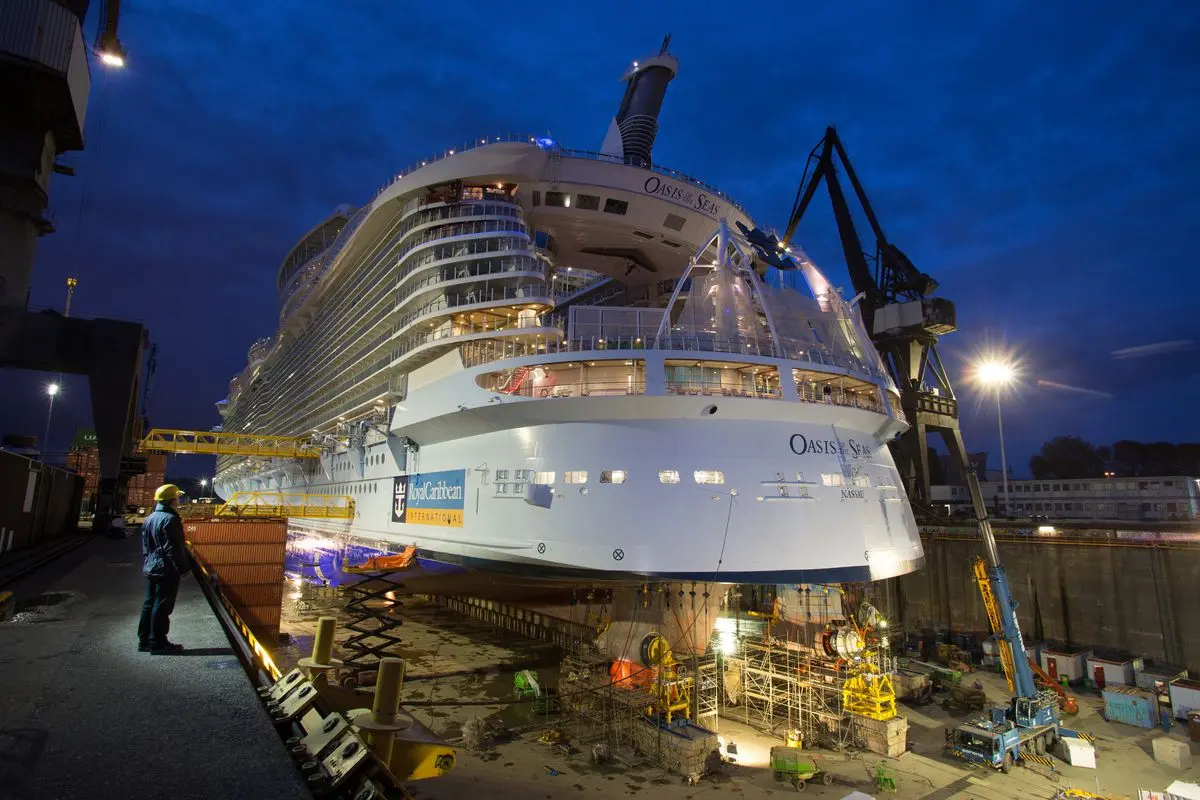
At the same time, dry docks are also an opportunity to renovate public spaces, upgrade cabins, and introduce new venues that cannot be added when the vessel is full of paying passengers.
Read more: What is a cruise ship dry dock?