
Within the last few months, I’ve cruised in both an Infinite Veranda cabin and a traditional balcony stateroom. Even though an Infinite Veranda stateroom is considered very polarizing in the cruise community, I actually preferred it over the traditional balcony.
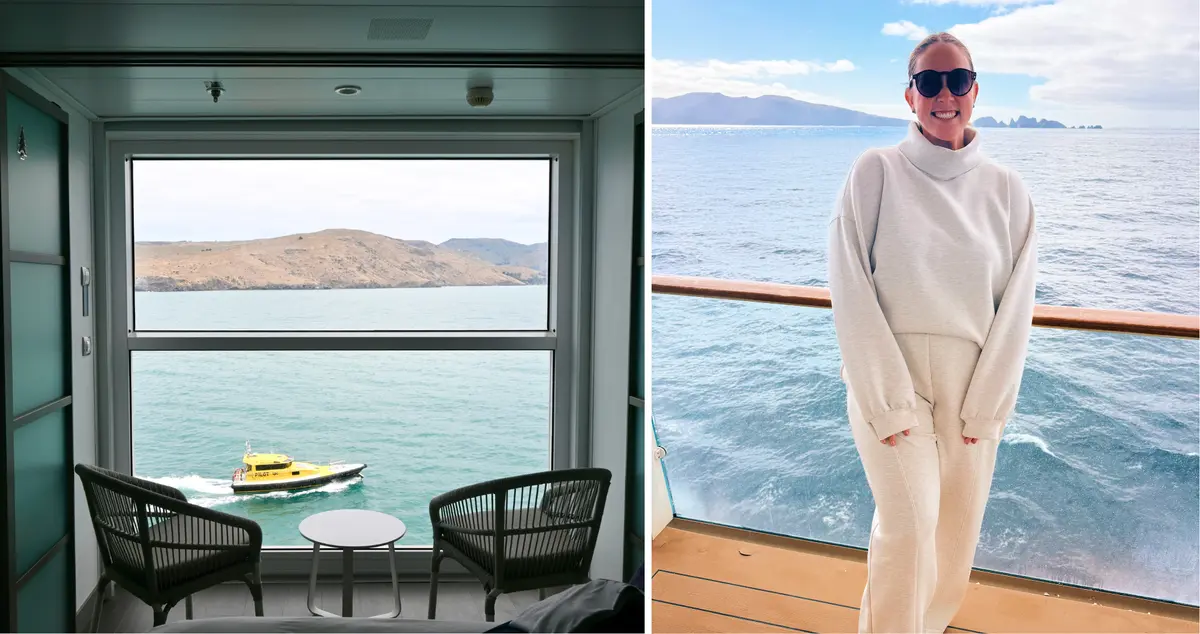
In December 2025, I sailed aboard Celebrity Edge on a 12-night itinerary across New Zealand with my husband. We splurged and booked an AquaClass Infinite Veranda cabin for the sailing. This was my first time experiencing this newer stateroom design, as we had previously sailed in a Deluxe Porthole Balcony while cruising on Celebrity Apex in Norway.
A few months later, I cruised on Celebrity Equinox with my family across South America and Patagonia. We knew the scenery would be fantastic, so we booked balcony cabins on Deck 8 for the sailing.
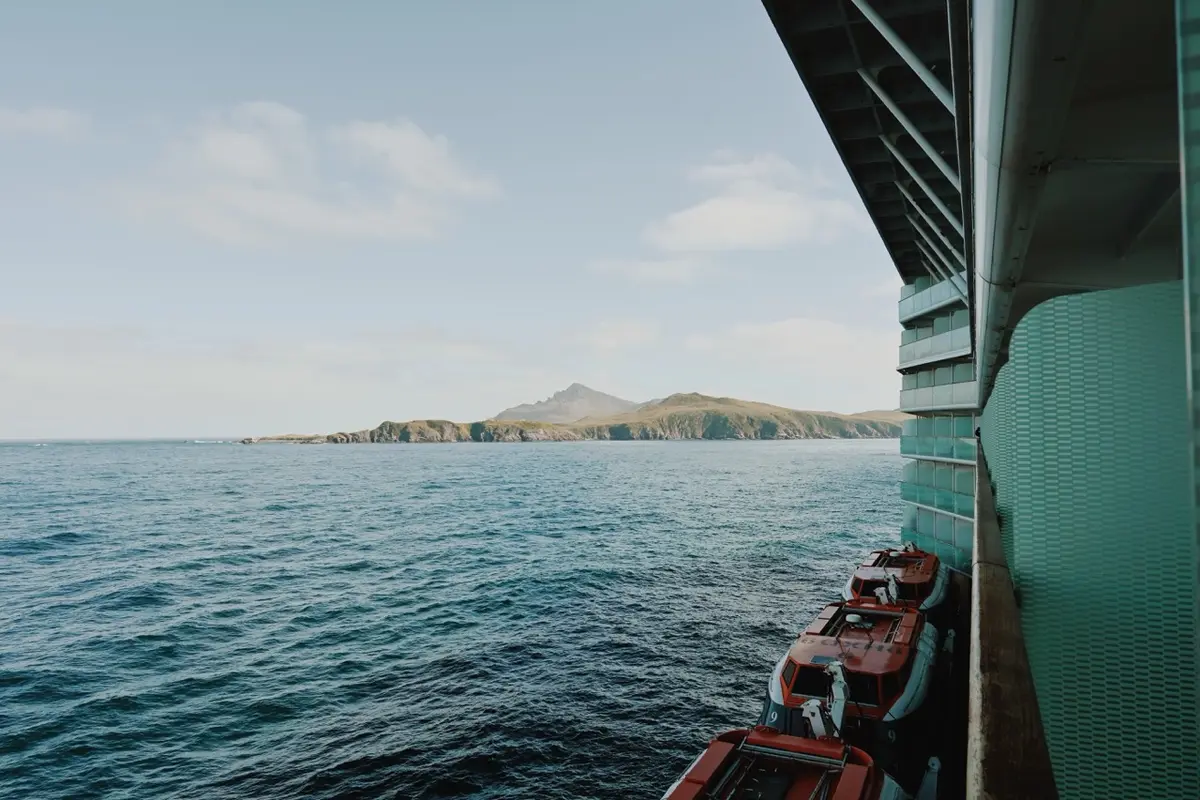
Both itineraries were scenic through colder weather, so having a balcony was a worthwhile splurge. While I’m not opposed to booking inside cabins to save money, I specifically chose balconies for these cruises to enjoy the views.
Each stateroom had its own pros and cons, but I did prefer the Infinite Veranda design over the traditional balcony. Here’s what my experience was like, and why I preferred the newer, more modern design.
What is an Infinite Veranda?
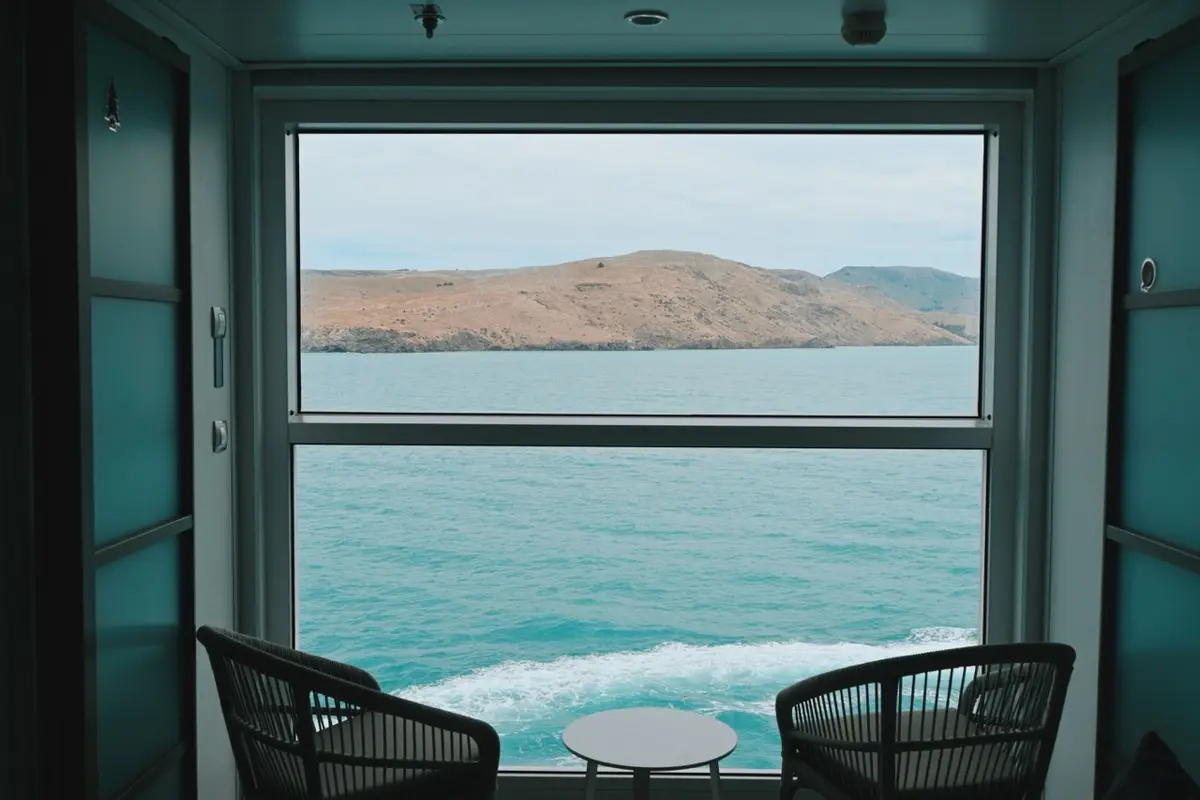
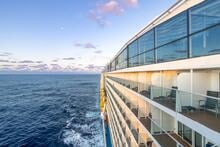
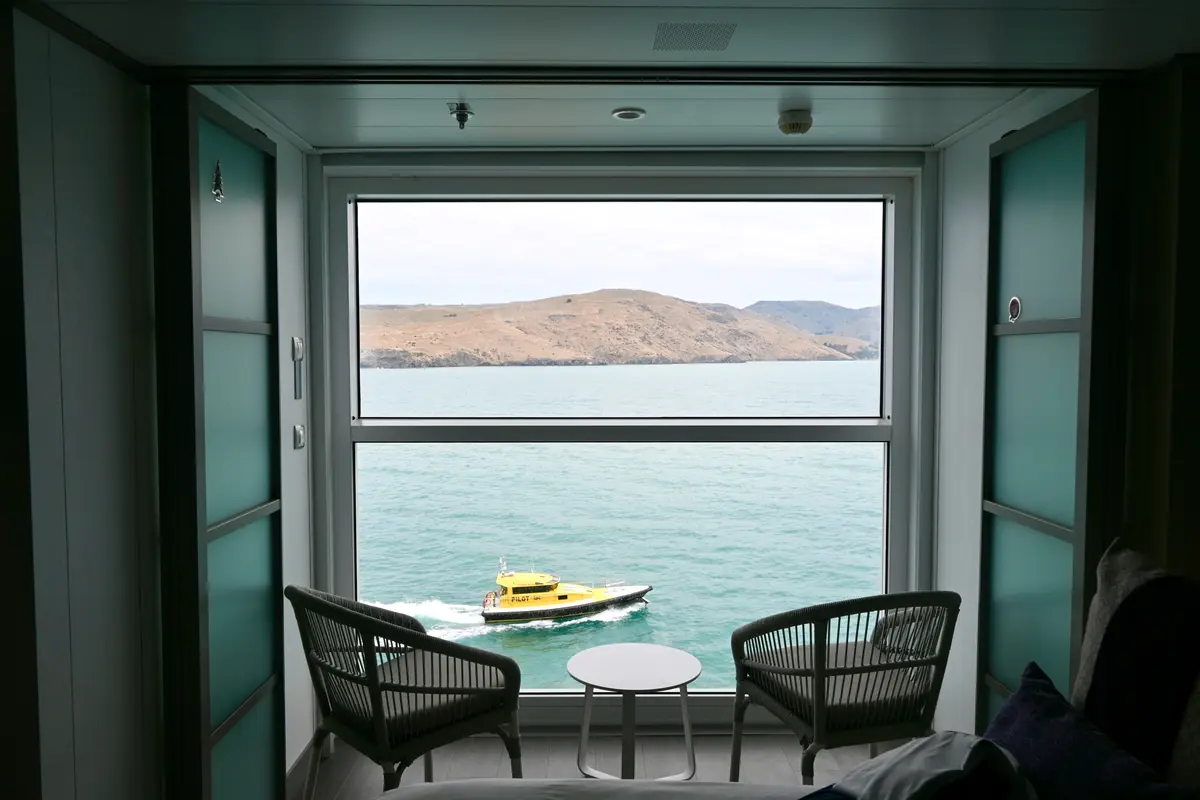
Celebrity Cruises introduced the Infinite Veranda concept on Celebrity Edge in 2018, which completely overhauled the traditional balcony design. While the seating area for a traditional balcony is outside with a sliding door, the Infinite Veranda has floor-to-ceiling windows that open for fresh air. The seating area is moved inside your cabin rather than actually outdoors.
Since then, Celebrity has continued to commit fully to the Infinite Veranda across its Edge Class ships. When sister-brand Royal Caribbean debuted Icon of the Seas in 2024, the cruise line also incorporated Infinite Verandas onto its newest ship.

Despite Infinite Verandas being the latest and greatest technology, they’re highly controversial. Some cruisers love them while others love to hate on them. Critics often argue they are not true balconies at all, but rather enclosed spaces with a window that opens. Some consider it a downgrade from the traditional outdoor experience.
At the same time, other cruisers have come around to the concept after adjusting their expectations. Rather than treating it as a replacement for a balcony, they see it as a different type of cabin entirely. Fans of the Infinite Veranda enjoy the added space, comfort and flexibility over being fully outside.
The Infinite Veranda is significantly more spacious
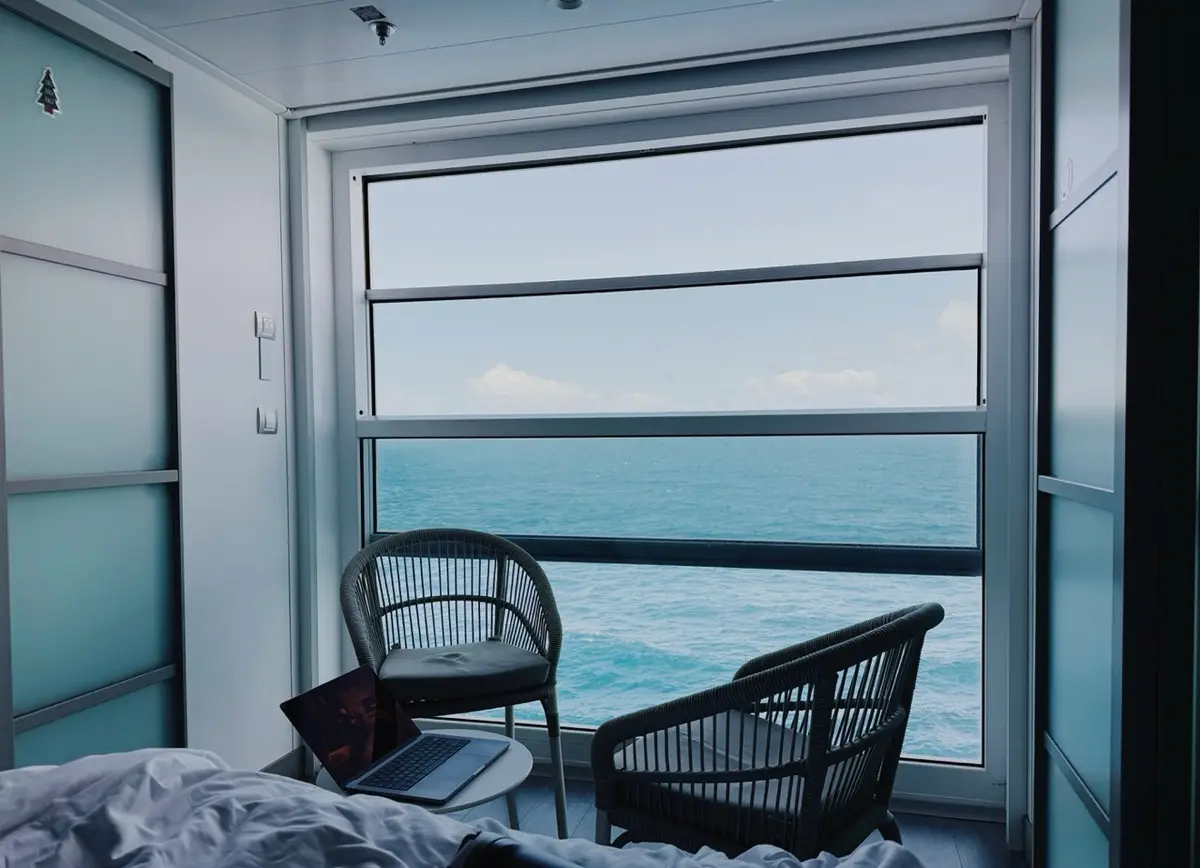
Because the seating area is integrated into the cabin, an Infinite Veranda provides significantly more usable space. By eliminating the separate outdoor balcony, that square footage is instead incorporated into the stateroom, creating a more spacious interior.
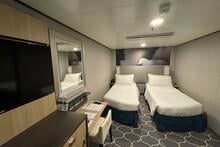
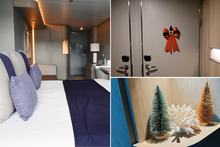
In my experience, I immediately noticed the added space in our cabin. The entire room felt larger and less cramped than any other standard cabin I had experienced. Because the veranda space is part of the cabin, it's like having a second living room space with seating.
We even used part of the area for extra storage, something that would not be possible with a traditional balcony. You wouldn't want your belongings to be subjected to the outdoor elements, but the Infinite Veranda could easily be used for more storage.
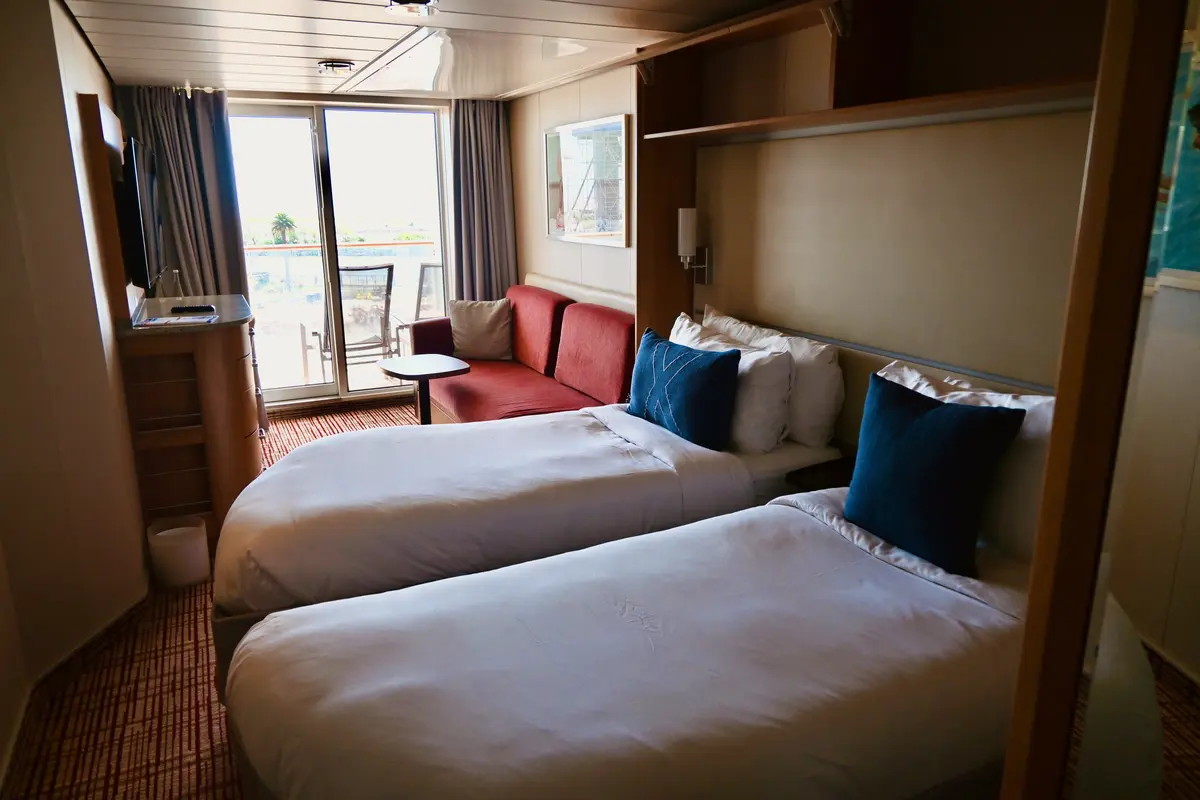
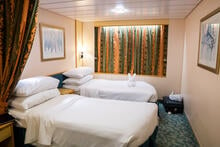
By comparison, our standard balcony stateroom on Celebrity Equinox felt noticeably smaller as soon as we walked in. While I wouldn’t normally describe a standard balcony cabin as cramped, it did feel less spacious than the Infinite Veranda. I hadn’t fully realized how much of a difference that additional space makes.
Even though both were technically balcony staterooms, the traditional layout made the interior feel more compact.
The Infinite Veranda is better for cooler weather
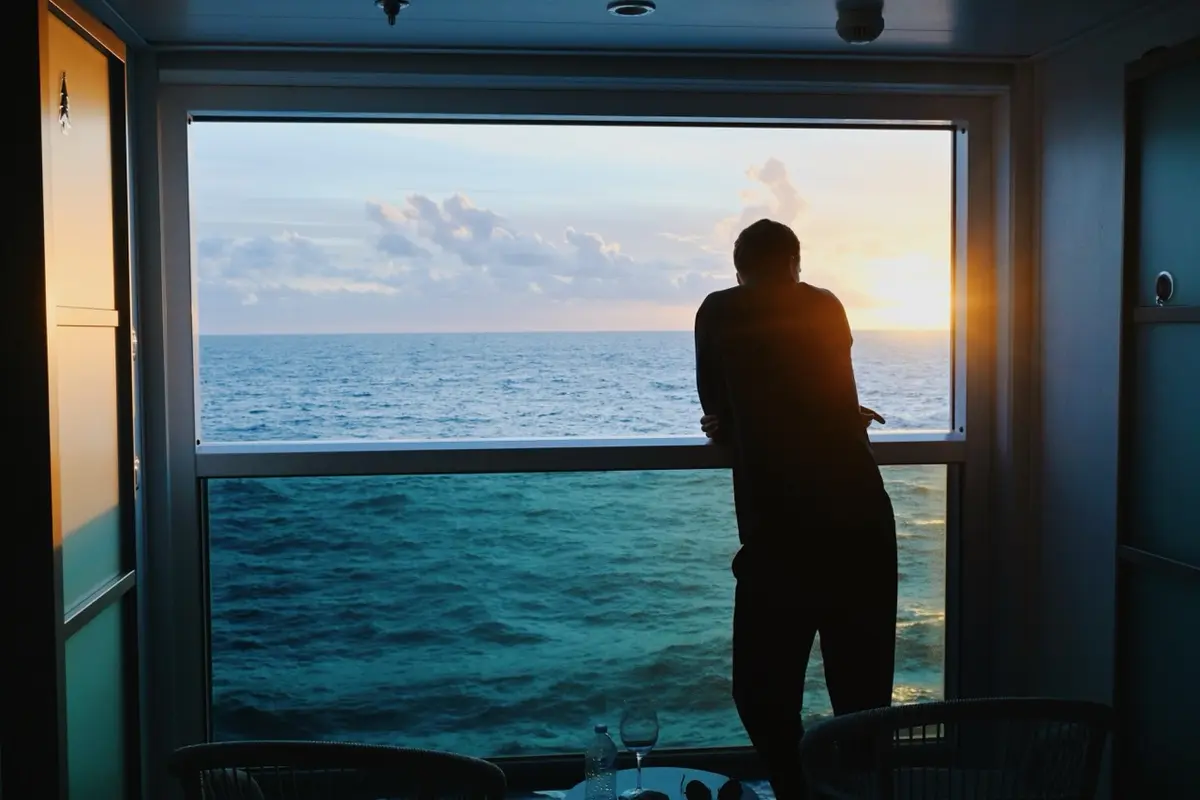
One of the biggest advantages of the Infinite Veranda was being able to use the space regardless of the weather. This became very apparent during our New Zealand sailing, where the weather varied dramatically throughout the itinerary.
In the southern part of the country, we experienced colder temperatures with wind and rain. As we continued north toward Auckland and the Bay of Islands, the climate shifted to warmer, more humid conditions. It was the kind of itinerary where the weather was constantly changing, sometimes even within the same day.

With a traditional balcony, those weather changes would directly impact how often we used the outdoor space. In colder conditions, enjoying the balcony meant bundling up with hats and coats. Once we were in the warmer weather, it was too hot and humid to be outside for extended periods.
With the Infinite Veranda, those issues pretty much disappeared.
We didn’t have to consider if the weather was good enough to use the balcony. Instead, the Infinite Veranda space was always accessible. Whether it was too cold, too windy, or too warm, we could still sit back and enjoy the floor-to-ceiling windows, often with a light breeze coming through when we chose to open them.
A traditional balcony is less flexible
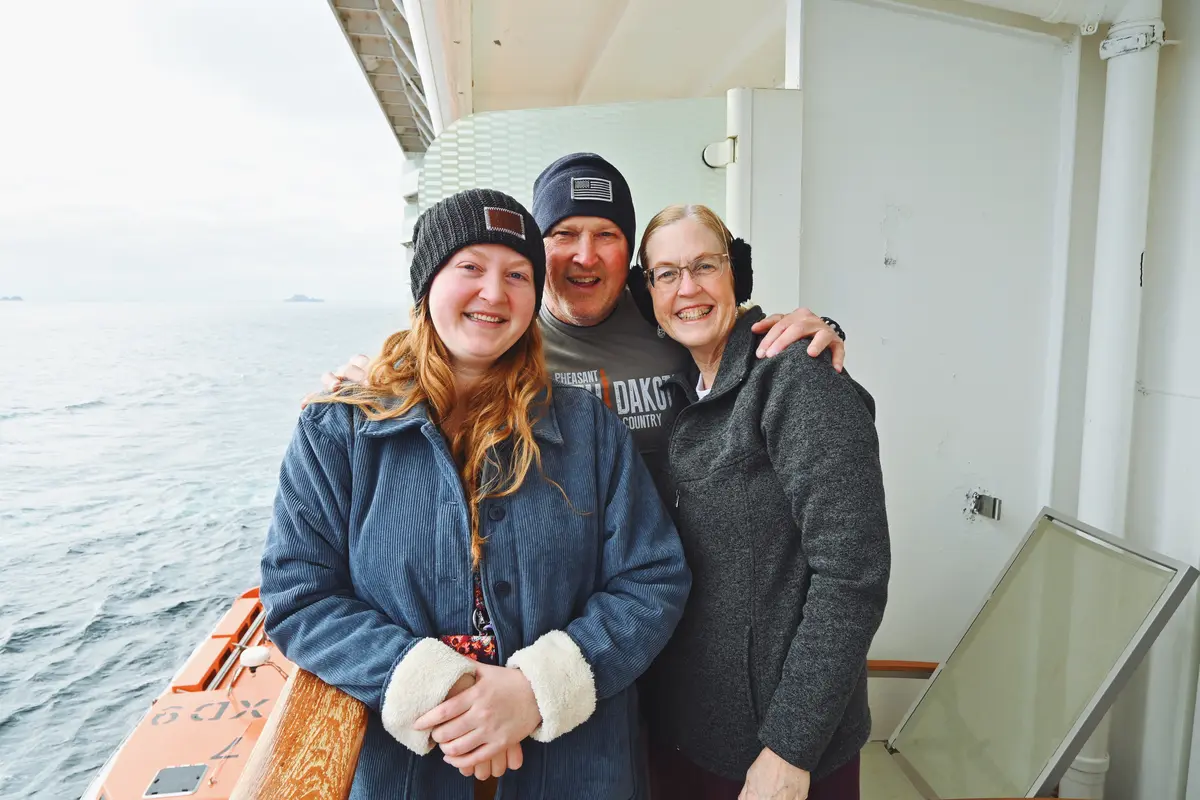
I didn’t realize how much I appreciated the flexibility of an Infinite Veranda until my South America cruise in a traditional balcony.
While cruising through Patagonia, we almost always had to bundle up just to step outside. This meant putting on a coat, scarf, and hat just to enjoy the views from our balcony. And this was with relatively good weather for the region. We were actually quite lucky with conditions, which says a lot about how demanding that environment can be!
Because of this, our time spent outside on a traditional balcony felt more intentional and limited. It wasn’t something you did casually or frequently, as it was very cold the minute you stepped outside.
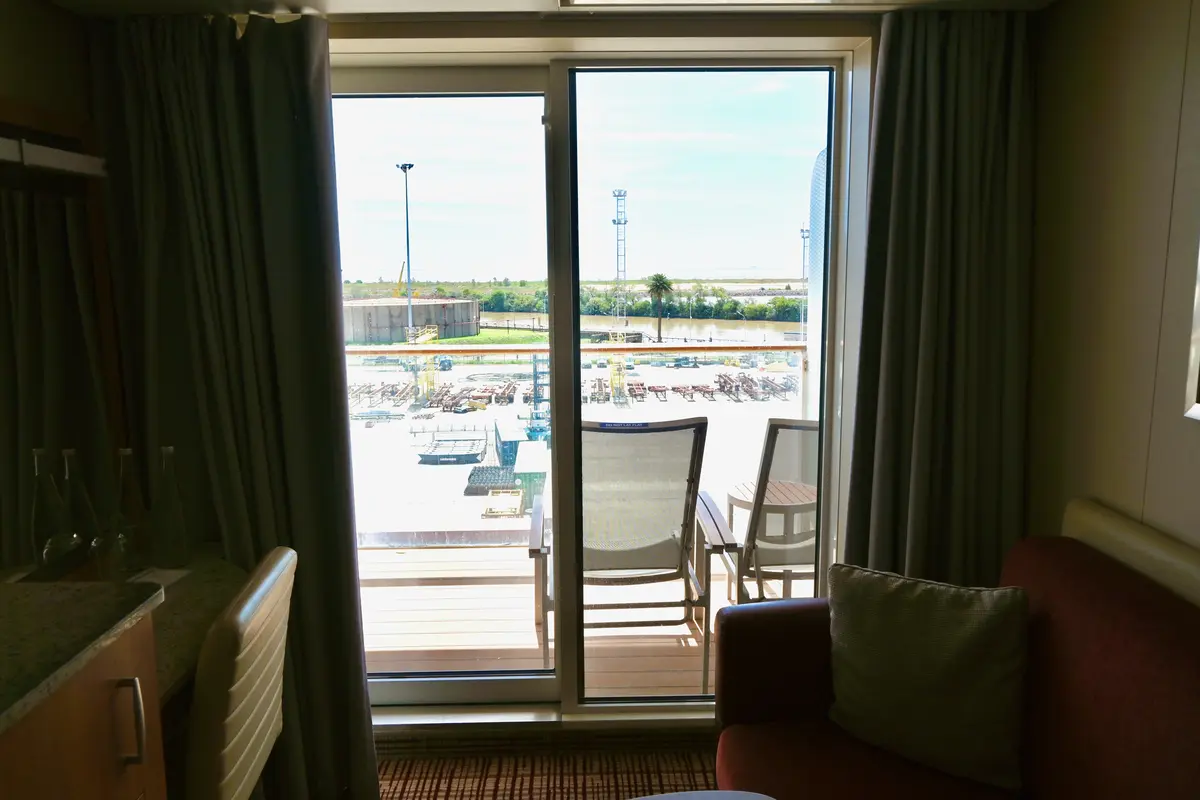
With a traditional balcony design, the views are also fairly obstructed. Between your sliding door, the balcony furniture, and the balcony railing, it's hard to actually see the views. If you don’t physically go outside, you can’t really enjoy the scenery.
In comparison, the Infinite Veranda has uninterrupted views all the time. We found ourselves using the space throughout the day, from having coffee in the morning to watching the sunset in the evening.
My husband even watched an entire football game on his laptop while sitting in the Infinite Veranda. Ultimately, it became an extension of the cabin rather than a separate outdoor space that required planning around the weather.
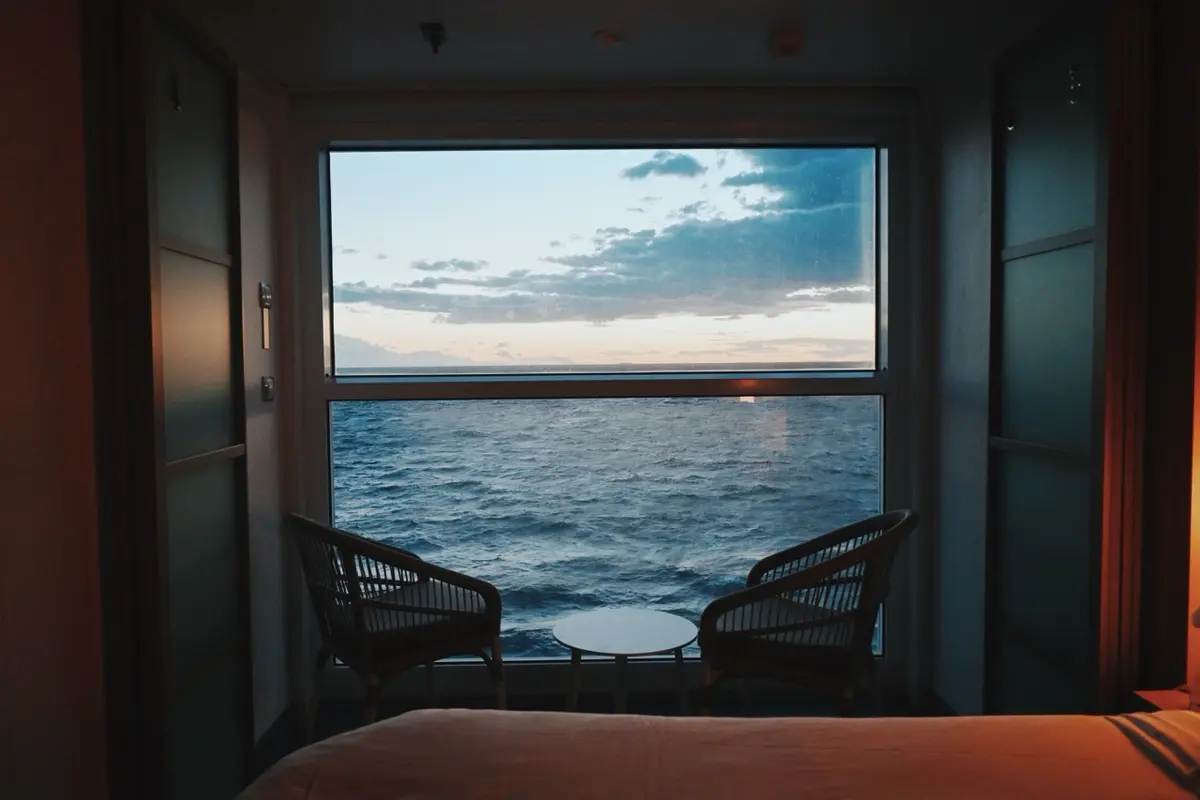
Even on rainy or cooler days, we could sit comfortably inside and still take in the scenery without sacrificing comfort. At times, we would briefly open the window for fresh air, getting the benefit of the ocean breeze without fully exposing ourselves to the elements.
For scenic itineraries like New Zealand or Patagonia, where weather can be unpredictable and constantly changing, this design made the space far more usable. This is also true for warmer climates. In the Caribbean, it’s often too hot for me to actually sit outside and enjoy a traditional balcony.
Privacy was another big advantage of the Infinite Veranda
Another unexpected advantage of the Infinite Veranda was the added sense of privacy.
Because the space is enclosed, it felt quieter and more secluded. We rarely heard our neighbors, aside from the occasional sound of someone opening or closing their window. This was one of the downsides of the Infinite Veranda, as it’s fairly noisy whenever you open or close the window.
On our traditional balcony, the experience was very different. While it was nice being outside, it also felt more public. Noise carried easily between balconies, and I was more aware of nearby passengers.
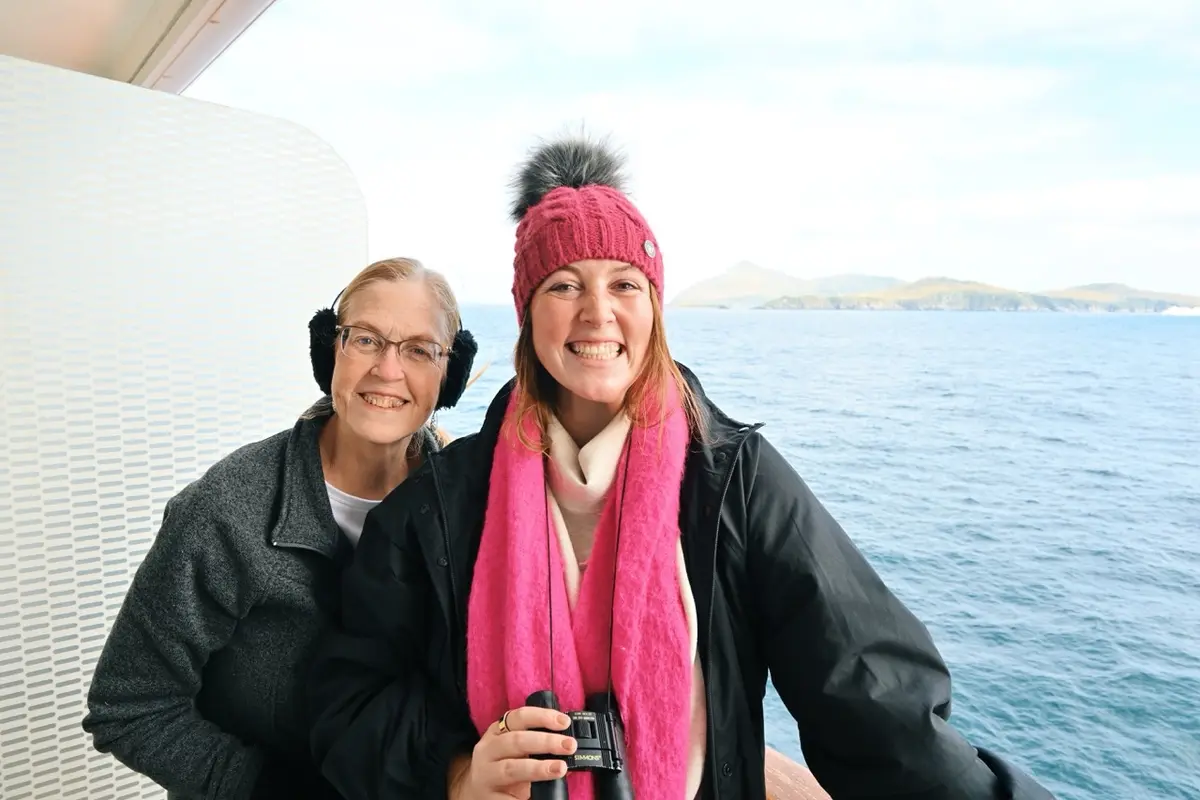
Anytime we were talking on our balcony, I knew our neighbors could probably hear us. This was especially true during scenic sailing days when almost everyone was outside on their balconies watching the scenery. It made the private balcony feel a little less secluded.
Similarly, I was shocked at the noise from people moving their balcony chairs!
While staying in the Infinite Veranda, we never heard anyone moving chairs. In contrast, in our traditional balcony cabin, we could hear neighbors dragging furniture almost every morning. It’s something I hadn’t considered before, but it’s definitely a downside of the traditional balcony experience.
If you want to actually be outside, you probably won't like the Infinite Veranda
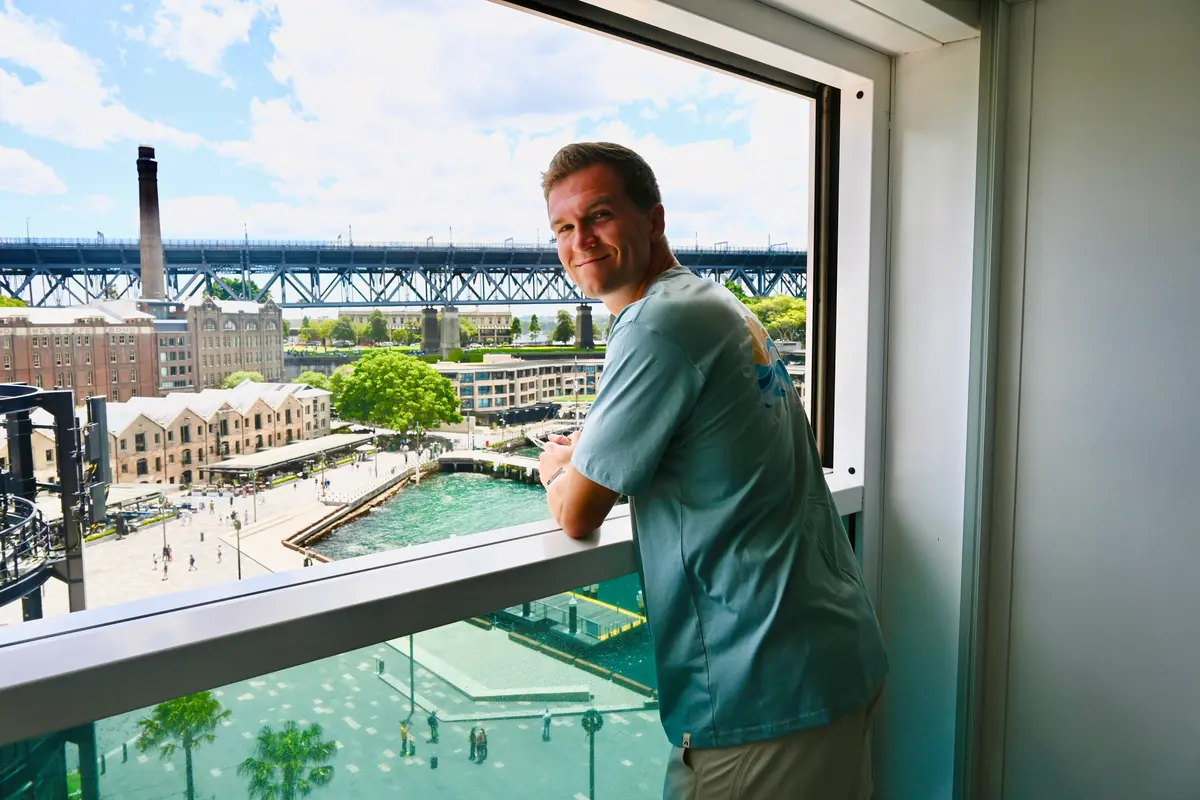
Despite the benefits, the biggest criticism of the Infinite Veranda is valid, as you’re really not outside. At times, I felt more like a dog sticking its head out the window while looking at the views from our Infinite Veranda. While you still get fresh air, it lacks the full outdoor experience that you get with a traditional balcony.
On the flip side, we had unusually sunny and clear weather while cruising around Cape Horn. We were extremely lucky to have calm seas this day, and we spent most of the day taking in the views. This is something the Infinite Veranda simply can't replicate. If being outside is a top priority, you'll probably prefer a traditional balcony.
Temperature control is another downside of the Infinite Veranda
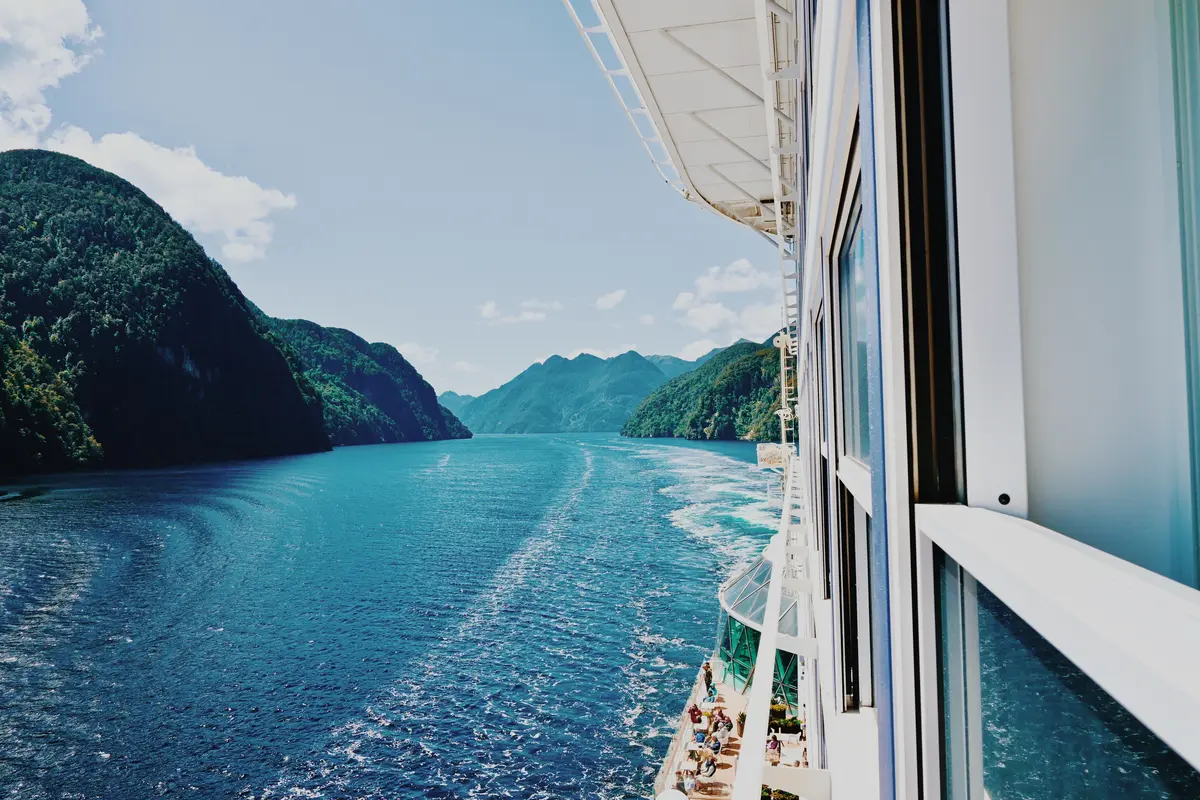
One downside I noticed in the Infinite Veranda cabin was temperature control.
As we sailed into warmer regions near Auckland and the Bay of Islands, the cabin started to feel noticeably warmer, likely due to the floor-to-ceiling windows. Because of this, we often kept the blinds closed during the day to help manage the temperature.
Additionally, when the window is open, the air conditioning automatically shuts off. As you might imagine, this can make the room feel warm or stuffy.
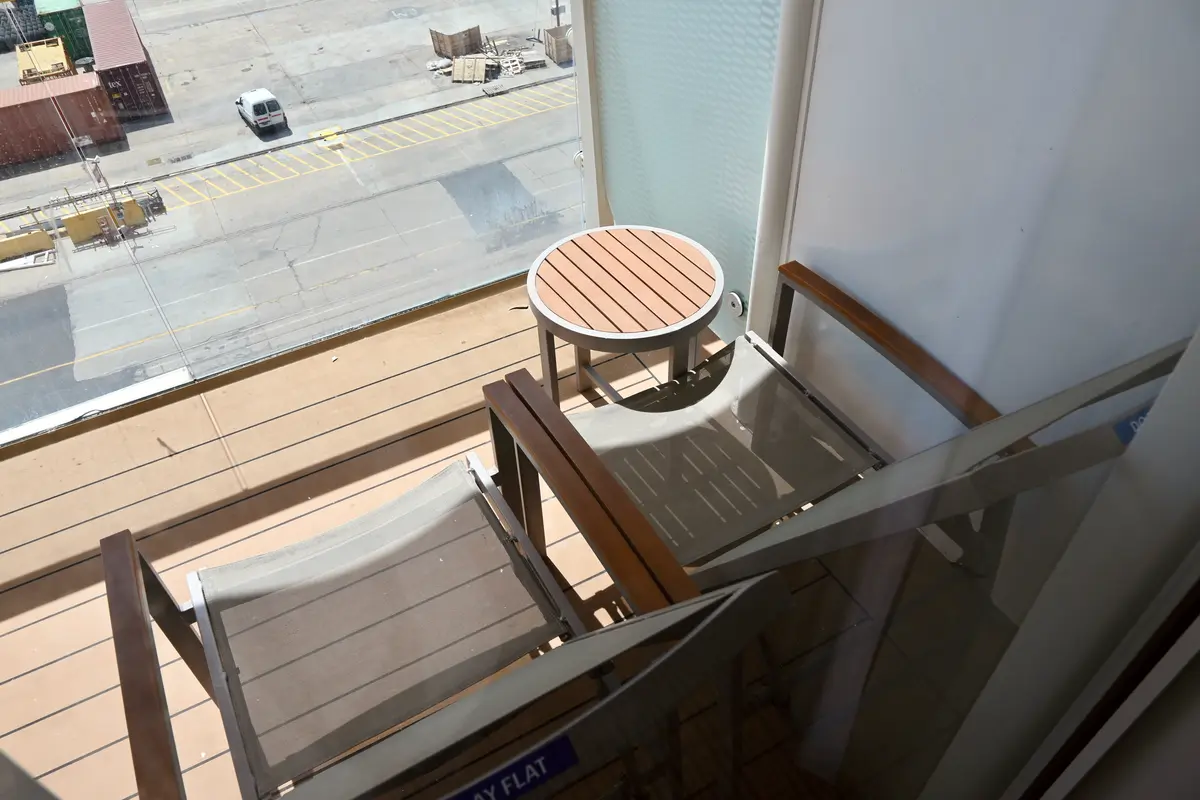
In contrast, our traditional balcony cabin maintained a more consistent temperature, since the outdoor space is separated by a sliding door. Although the air conditioning will shut off when the sliding door isn’t locked, it didn’t seem to be an issue keeping our cabin at a comfortable temperature.
Which one is better? I prefer the Infinite Veranda
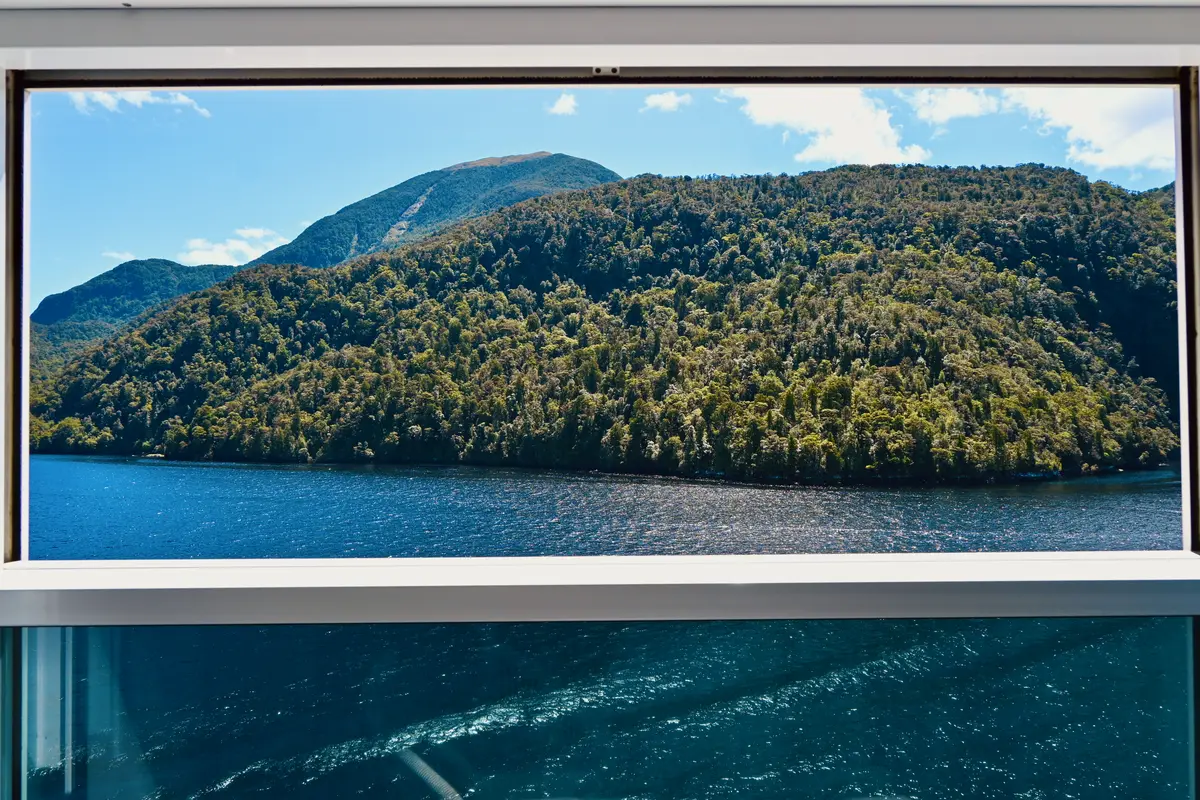
After experiencing both cabin types back-to-back, I found myself preferring the Infinite Veranda.
The added flexibility, larger living space, and ability to enjoy the views in any weather made a noticeable difference throughout our cruise. On scenic itineraries, especially in places like New Zealand and Patagonia, it allowed me to take in the views far more often without having to think about temperature, wind, or rain.
However, a traditional balcony still offers something the Infinite Veranda cannot fully replicate. There is nothing like stepping outside, feeling the salty air, and experiencing the ocean without any barrier. For many cruisers, having an outdoor space is the entire point of booking a balcony in the first place.

But for how I actually use the cabin, the Infinite Veranda made more sense. It truly felt like an extension of the cabin rather than a separate space. Having more space elevated our cabin experience substantially.
If you’ve been hesitant because of how polarizing these cabins are, I wouldn’t let that scare you away. There are clear pros and cons to both designs, and a lot of it comes down to personal preference.
For me, especially when cruising somewhere scenic, the Infinite Veranda is absolutely worth considering. Ultimately, the better option comes down to how you want to experience your time at sea.